
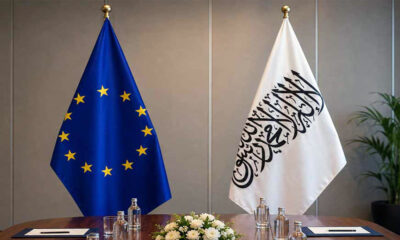

Belgium issued one-day visas to the delegation, led by Afghan foreign ministry spokesman Abdul Qahar Balkhi.
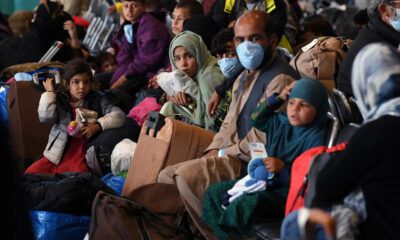

With only two months remaining before the project concludes, no one has returned through the programme.


Home Secretary Shabana Mahmood said the measure is intended to reduce the financial burden of the asylum system while ensuring those who are able to contribute...


As the German government does not recognize the Islamic Emirate authorities in Kabul, the talks are referred to in Germany as taking place at a "technical...


However, the investigations allege that not only convicted individuals but also some single Afghan men without criminal records may have been targeted, intensifying criticism.
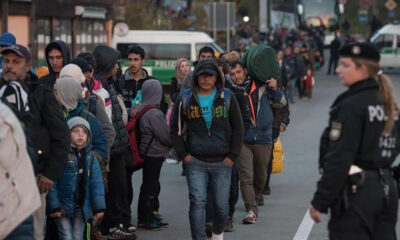

Austria has already deported several Afghan nationals since last year, signalling a policy shift following the Islamic Emirate takeover of Afghanistan in 2021.


The clarification comes amid increasing political pressure within parts of the EU to advance deportations to Afghanistan.
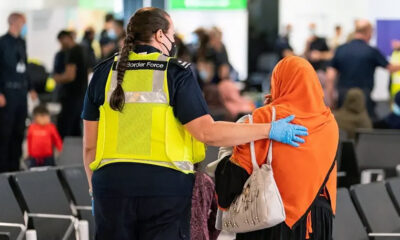

The National Audit Office warned in March that it could take nearly three more years to complete relocations unless sped up.
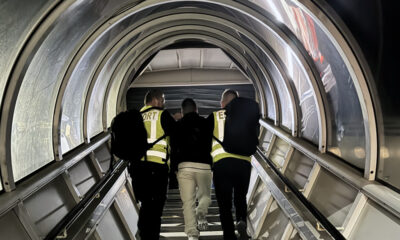

Federal Interior Minister Alexander Dobrindt said the regular and systematic deportation of criminals to Afghanistan was a central part of Germany’s migration policy shift.
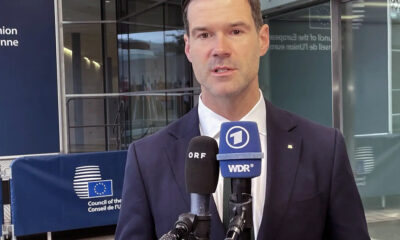

The talks - expected to focus on deportation procedures - are being prepared jointly by Sweden and the European Commission.


The deportation marks a historic shift in German migration policy and signals the government’s determination to enforce stricter measures against convicted foreign nationals.


“I think a long time,” he said. When pressed for a clearer timeframe, he added: “We have enough problems. We don’t want those people.”
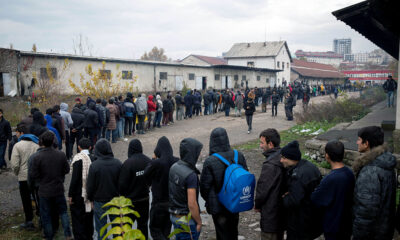

Van Bossuyt plans to raise the issue at an upcoming informal European migration meeting in Munich, where several EU countries will be represented.
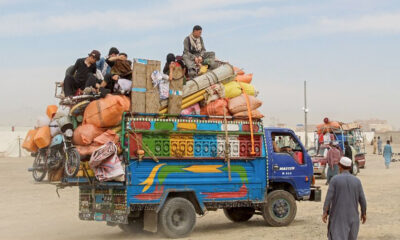

Pakistani authorities have said that Islamabad wants all Afghan nationals to leave except for those who have valid visas.
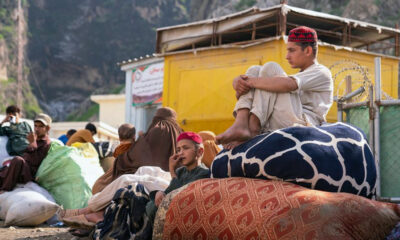

Currently, around 1.4 million Afghan PoR cardholders remain in Pakistan, OCHA reported.
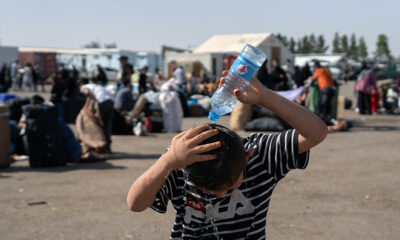

Migrants are being pulled off the streets without notice, loaded onto buses, and abandoned at the Afghan border, Khalilzad said.
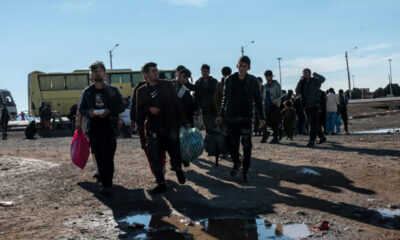

Afghan authorities in Herat and Nimroz have reported growing pressure on local services and have appealed for greater international support to assist returnees.
| Country | Selling in AFS | |
|---|---|---|
| 1 USD |  | 65.55 |
| 1 EUR |  | 74 |
| 1 PND |  | 86.60 |
| 1 AED |  | 17.19 |
| 1 TRY |  | 1.32 |
| 1000 INR |  | 734 |
| 1000 IRR |  | 0.28 |
| 1000 PKR |  | 226 |


