
Latest News
Germany conducts first deportation to Syria in a decade
The deportation marks a historic shift in German migration policy and signals the government’s determination to enforce stricter measures against convicted foreign nationals.


Germany has carried out its first deportation to Syria since the outbreak of the country’s civil war in 2011, sending a convicted Syrian national back to Damascus on a scheduled commercial flight.
The 37-year-old man, who had served a prison sentence in North Rhine-Westphalia for aggravated robbery, bodily harm, and extortion, was escorted by federal police to the Syrian capital, where he was handed over to local authorities on Tuesday, December 23.
The Federal Interior Ministry confirmed the deportation, which coincided with another removal of an individual to Afghanistan. The ministry said it had reached agreements with both Damascus and Kabul authorities to facilitate “regular” deportations of serious offenders and individuals considered security risks in the future.
The Afghan national had been imprisoned in Bavaria, including for intentional bodily harm. The ministry said this marked the second deportation of an Afghan criminal within a week.
“Criminals must leave our country. We stand for control, consequence, and zero tolerance towards offenders and threats,” said Interior Minister Alexander Dobrindt (CSU), emphasizing that the move reflects Germany’s commitment to law and order.
Dobrindt further justified the policy by highlighting the strain on local municipalities, which have faced challenges accommodating foreign nationals serving prison sentences. “We have reached the breaking point for a long time, and the overload in the municipalities is visible,” he said.
The deportation follows months of diplomatic negotiations after the fall of Bashar al-Assad’s regime in December 2024, which ended a 14-year civil war. The change prompted Germany to reassess its long-standing ban on returns to Syria.
The current coalition government, formed by CDU/CSU and SPD, explicitly committed in its agreement to resume deportations to Syria and Afghanistan, targeting criminals and “Gefährder” — individuals considered potential security threats. Chancellor Friedrich Merz has been a vocal supporter of the policy, meeting with Syria’s transitional president Ahmed al-Sharaa to discuss mechanisms for further returns.
The move carries symbolic weight amid heightened public concern over migration, with roughly one million Syrians currently residing in Germany, many of whom arrived during the 2015-2016 refugee influx under former Chancellor Angela Merkel.
While the German government asserts that the Syrian conflict is over, human rights organizations continue to caution against deportations, citing lingering instability, ongoing reconstruction challenges, and potential security risks for returnees.
The deportation marks a historic shift in German migration policy and signals the government’s determination to enforce stricter measures against convicted foreign nationals.

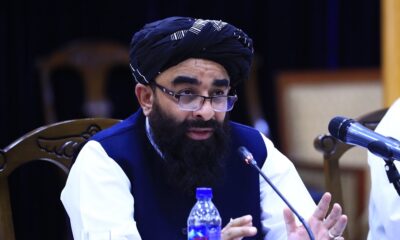





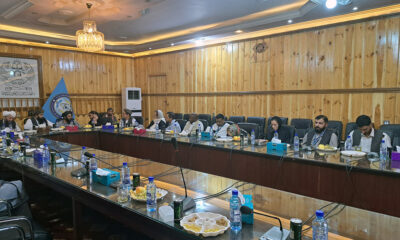





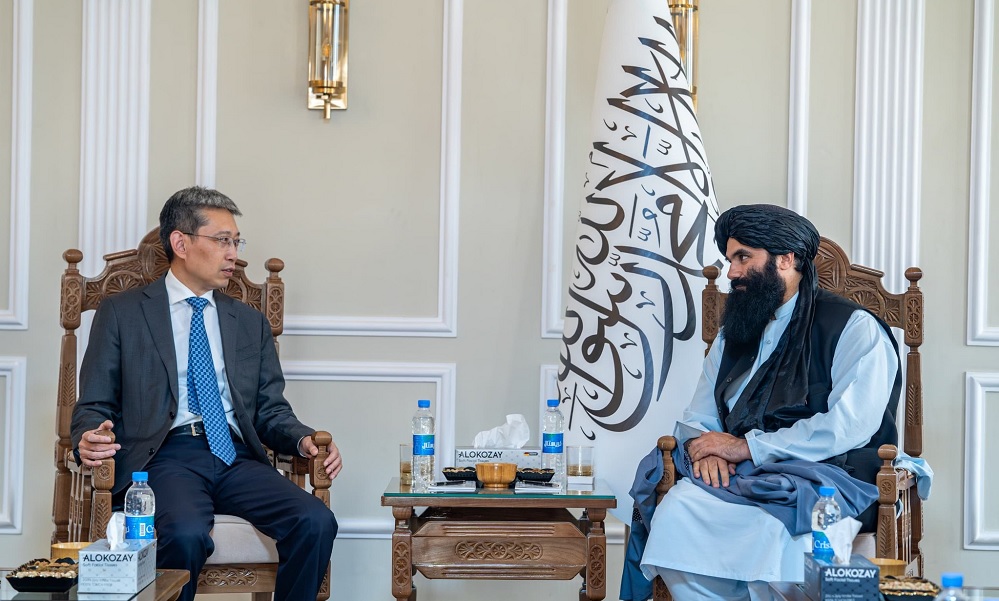
During the meeting, Minister Haqqani described Ambassador Zhao Xing’s tenure in Afghanistan as effective and praised his positive contribution to strengthening relations between Afghanistan and China.
Ambassador Zhao Xing, in turn, expressed his appreciation to the leadership of the Ministry of Interior Affairs for their cooperation and support throughout his tenure in Afghanistan.
The Chinese ambassador underscored the importance of the historic relations between Afghanistan and China and expressed hope that bilateral relations and cooperation between the two countries would continue to expand in the future.
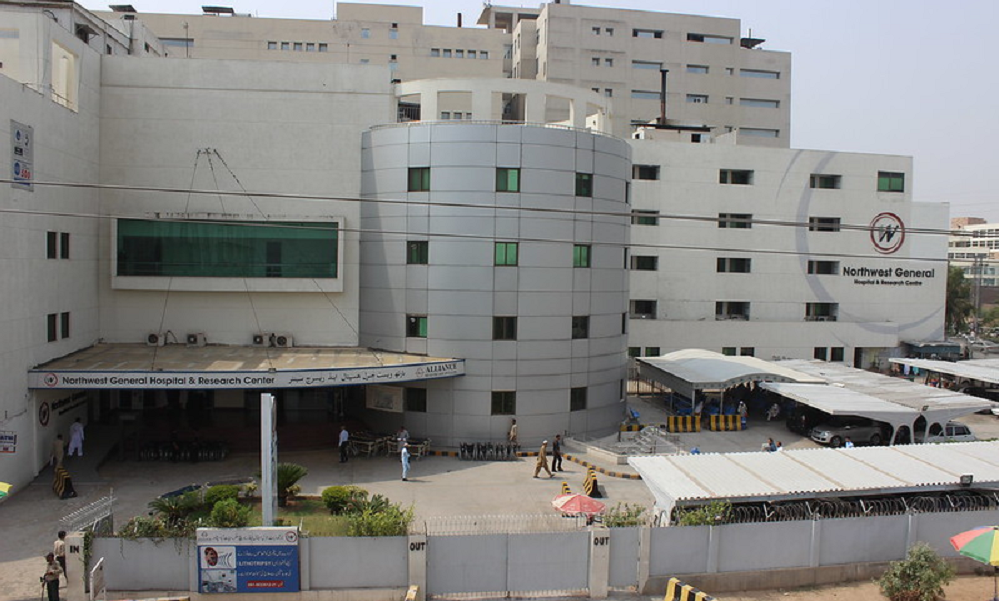
Several Afghan doctors and medical staff have been stopped from working at Northwest General Hospital and Research Centre (NWGH) in Peshawar due to visa-related issues, according to Pakistani freelance journalist Tahir Khan.
Khan reported on Monday that the affected Afghan medical workers had applied for visa extensions, but their applications have yet to be approved.
A September 2 circular issued by the Human Resource Department of Alliance Healthcare (Pvt.) Ltd. directed Afghan nationals without valid visas to discontinue their duties with immediate effect.
According to the circular, the employees can resume work after submitting valid visa documentation and completing the required verification process.
An NWGH doctor told Khan that several Afghan doctors and other medical staff had previously been working at the hospital with valid visas but have now been suspended while their visa-extension applications remain pending.
The development comes a week after the Lahore High Court suspended the operation of directives issued by the Pakistan Medical and Dental Council ordering Afghan medical students to return to Afghanistan.
The reported suspension of Afghan medical staff at the Peshawar hospital has raised concerns among affected doctors, who say they remain unable to work while awaiting decisions on their visa applications.
Latest News
Mujahid: Afghanistan’s reconstruction must rely on domestic investment
Mujahid added that Afghanistan’s long-term development should ultimately be driven by the efforts, capital and resources of Afghans themselves.
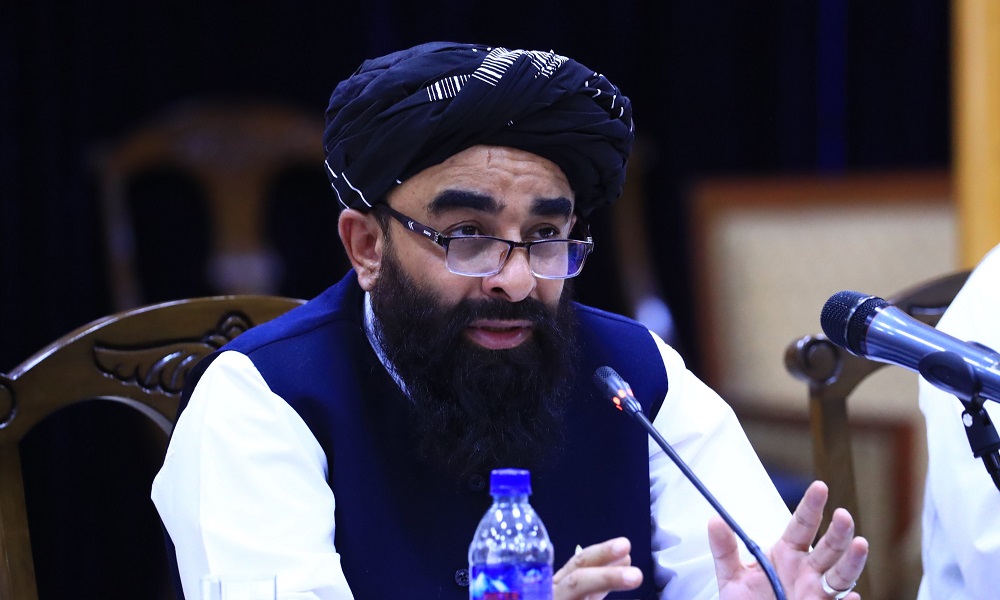
Islamic Emirate spokesman Zabihullah Mujahid says Afghanistan’s reconstruction should be driven by the country’s own resources, domestic investment and Afghan businesses rather than dependence on foreign aid and projects.
Mujahid said several countries, including the former Soviet Union and the United States, had implemented reconstruction and development projects in Afghanistan over the past decades while pursuing their own objectives and interests.
He said although some projects were completed, they were not sufficient to meet Afghanistan’s needs, while the country also suffered significant losses during periods of foreign involvement.
Mujahid stressed that Afghan traders and investors should play a central role in rebuilding the country and advancing economic growth.
According to him, the Islamic Emirate is working to encourage Afghan businesspeople to invest inside Afghanistan and contribute to reconstruction and development.
He said domestic investment is essential for strengthening Afghanistan’s economy and achieving greater self-reliance.
Mujahid added that Afghanistan’s long-term development should ultimately be driven by the efforts, capital and resources of Afghans themselves.


Tahawol: Houthis’ return to regional power dynamics

ACL: Abu Muslim Farah 4-0 Istiqlal Kabul; Omar Zawak 3-1 Sarsabz Yashlar

Afghan interior minister meets outgoing Chinese ambassador

New warnings reignite debate over AI threat to humanity

Gulf states call off meeting with Iran, Houthis launch new attack on Saudi

Four mediators struggle to secure lasting Pakistan-Afghanistan ceasefire

Juma Khan Fateh surrenders to IEA forces in Badakhshan

Afghanistan’s trade diversification challenges Pakistan

Syria and Saudi Arabia condemn Kabul bombing, express solidarity with Afghanistan

Saudi energy group signs major Afghanistan deals covering gas exploration and pipeline plans
Tahawol: Houthis’ return to regional power dynamics

Tahawol: Calls for U.S. engagement with Afghanistan

Saar: End of Chinese ambassador’s mission in Kabul

Tahawol: Norwegian delegation’s call for engagement with Afghanistan discussed

Saar: Pakistan’s dual policy towards Afghanistan reviewed
-

 Sport5 days ago
Afghanistan Champions League Season 6 kicks off today: Abu Muslim Farah face Sarsabz Yashlar
-

 Sport3 days ago
Omar Zawak, Toofan Herat secure victories in Afghanistan Champions League
-
 Regional5 days ago
Pakistan warns Iran to rein in Houthis as Riyadh strikes back
-
 Latest News1 day ago
Khalilzad warns US risks losing influence in Afghanistan to China and Russia
-

 Regional3 days ago
Saudis shut down oil pipeline as Houthis tighten grip on Red Sea shipping
-

 Latest News3 days ago
Kabul to host tripartite meeting on Afghan migrants’ problems
-

 Sport1 day ago
Zadran calls on Afghan fans to rally behind team against India
-

 Latest News3 days ago
Pakistan court blocks expulsion of Afghan medical students