
Latest News
IEA pledges to increase security at Shi’ite mosques after 2nd deadly bombing

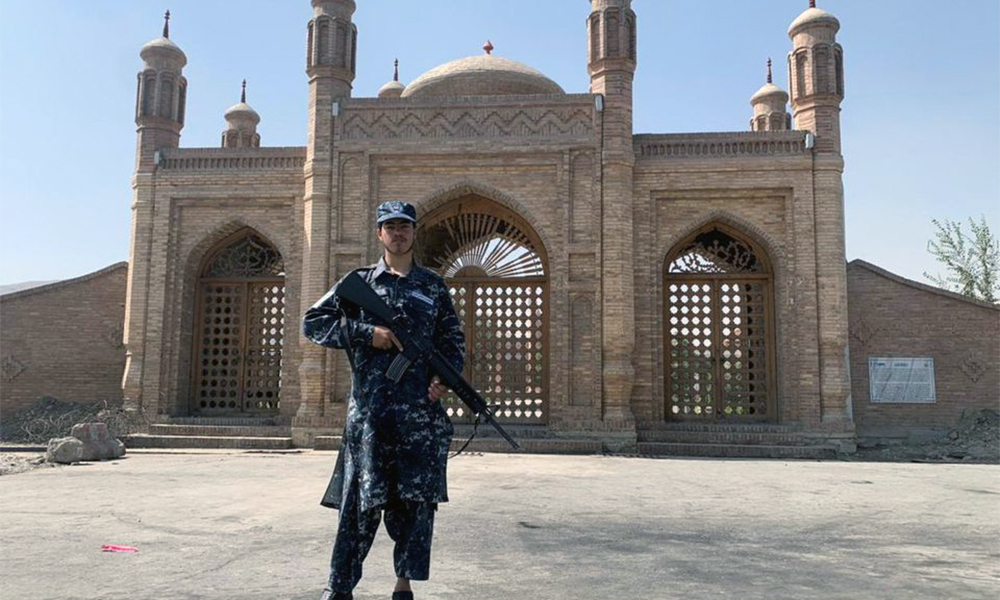
Islamic Emirate of Afghanistan (IEA) authorities have pledged to step up security at Shi’ite mosques as hundreds of people gathered on Saturday to bury the victims of the second Islamic State (Daesh) suicide attack on worshippers in a week.
Daesh claimed responsibility for the attack on the Fatima mosque in Kandahar that saw a group of suicide bombers shoot their way into the mosque before blowing themselves up among the worshippers during Friday prayers.
A health official said the casualty toll from the attack stood at 41 dead and 70 wounded but could rise further.
On Saturday, large crowds gathered to bury the white-shrouded victims in a mass grave in the southern city of Kandahar.
The head of Kandahar police said units would be assigned to protect the Shi’ite mosques which have so far been guarded by local volunteer forces with special permission to carry weapons.
“We are trying our best to arrest all those responsible for the blast and hand them over to the concerned department,” Kandahar Province Commander, Malwy Abdul Ghafar Mohmadi, told reporters.
The attack on the Fatima mosque, the largest Shi’ite mosque in Kandahar, also known as the Imam Bargah mosque, came a week after a similar attack on a mosque in the northern city of Kunduz, which killed as many as 80 people.
Attacks on Shi’ite mosques and targets associated with the Hazara ethnic minority, who make up the biggest Shi’ite group in Afghanistan, were regular occurrences under the former Western-backed government.
Since the takeover, Daesh has conducted dozens of operations, from small scale attacks on IEA targets to large-scale operations such as Friday’s suicide bombing, killing scores of civilians.






Latest News
China’s special envoy for Afghanistan visits Türkiye, Pakistan and Afghanistan
According to China’s Foreign Ministry, Yue held consultations in Türkiye with Cihad Erginay, Director General for South Asia at the Turkish Foreign Ministry, discussing issues of mutual interest.
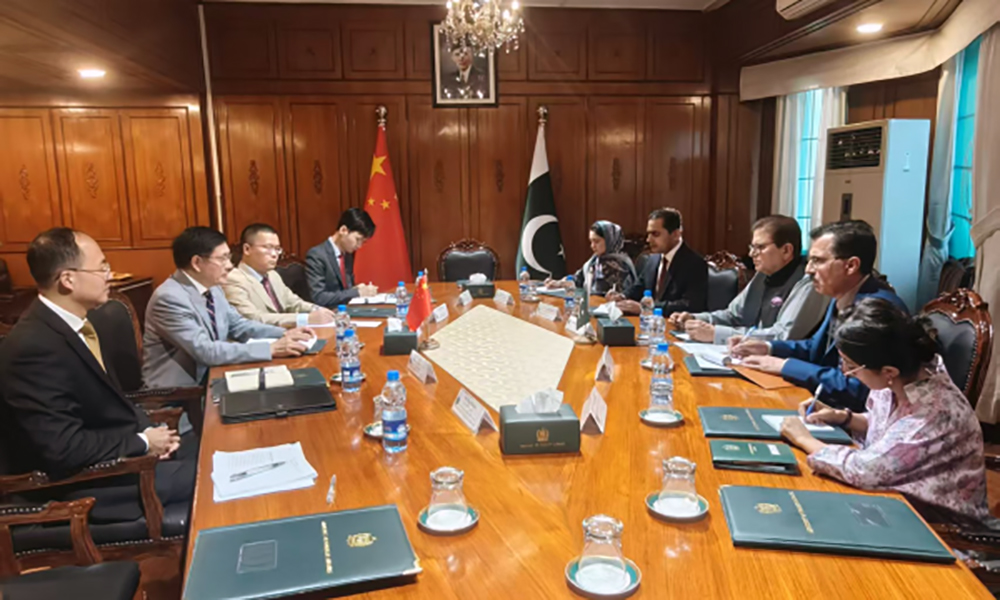
China’s Special Envoy for Afghanistan Affairs Yue Xiaoyong visited Türkiye, Pakistan and Afghanistan from July 30 to August 8, 2026, as Beijing continues diplomatic engagement on regional issues.
According to China’s Foreign Ministry, Yue held consultations in Türkiye with Cihad Erginay, Director General for South Asia at the Turkish Foreign Ministry, discussing issues of mutual interest.
During his visits to Pakistan and Afghanistan, Yue also held talks with officials from both countries on ways to improve and develop relations between Kabul and Islamabad.
China did not provide further details about the discussions.
The visit comes as relations between Afghanistan and Pakistan remain strained by ongoing security and political tensions, with both sides facing challenges in their bilateral ties.
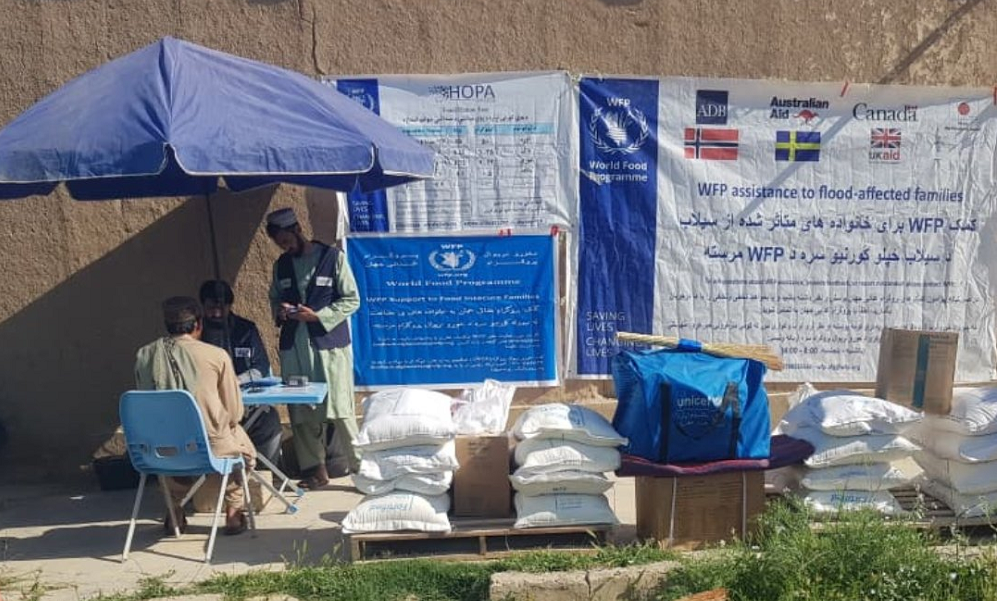
Afghanistan has received more than $11 billion in humanitarian assistance since the Islamic Emirate returned to power in August 2021, according to United Nations figures cited by the BBC.
Despite the substantial aid, the gap between humanitarian needs and available funding remains wide, with the United Nations warning that millions of Afghans continue to require assistance.
The decline in international funding, a growing number of people in need and the return of millions of Afghan migrants from neighboring countries have added pressure to the country’s humanitarian situation.
Afghanistan’s humanitarian crisis deepened following the collapse of the previous government in August 2021. The depreciation of the national currency, the loss of hundreds of thousands of jobs and reductions in some international support programs further strained the economy and living conditions.
UN data shows that Afghanistan received about $5.2 billion in humanitarian assistance in 2021, followed by around $3.8 billion in 2022 and nearly $2 billion in 2023.
For 2024 and 2025, the United Nations appealed for more than $3 billion to address humanitarian needs in Afghanistan. However, funding fell short of the amounts requested.
The assistance has largely been directed toward food, healthcare, support for returnees and other urgent humanitarian needs.
The United Nations continues to classify Afghanistan as one of the world’s largest humanitarian crises, stressing that sustained international support remains essential for millions of Afghans who continue to need assistance.
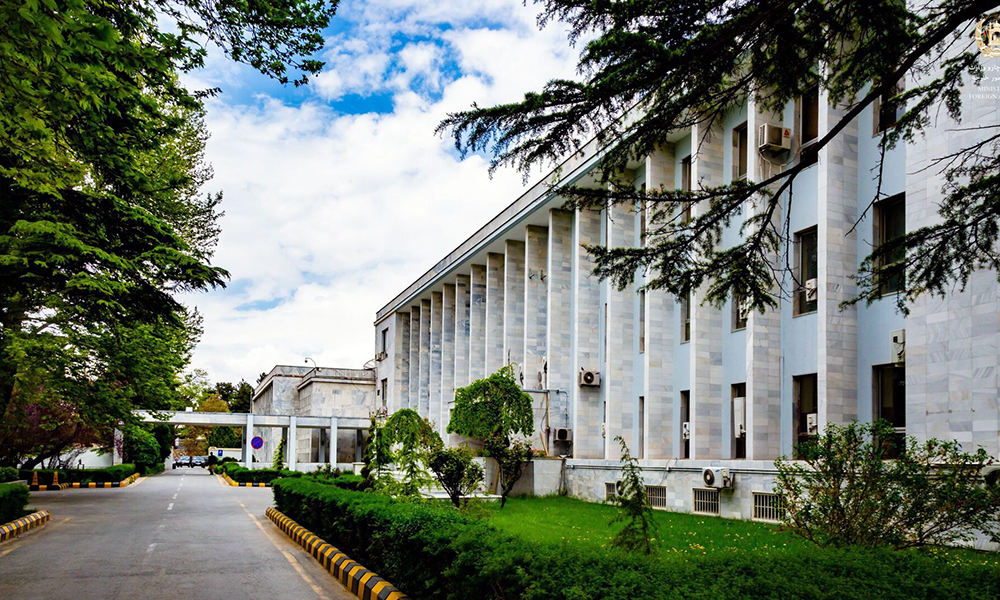
The Islamic Emirate of Afghanistan (IEA) has expressed deep sorrow over a powerful earthquake that struck eastern Indonesia, killing at least 53 people and forcing around 5,000 others to evacuate.
A magnitude-7.7 earthquake struck Flores Island and surrounding areas on Saturday, blocking roads and triggering landslides, Indonesian authorities said.
In a statement, Afghanistan’s Ministry of Foreign Affairs conveyed its sympathy and condolences to the government and people of Indonesia over the casualties caused by the earthquake.
It also wished a speedy recovery to those injured in the incident.


China’s special envoy for Afghanistan visits Türkiye, Pakistan and Afghanistan

Polio vaccination campaign set to roll out in five Afghan provinces amid new cases

Trump wants more economic pressure on Iran

Tahawol: U.S. non-recognition of IEA

Saar: Tensions between Iran and the United States

Pakistan’s governance system has ‘collapsed’: Mohsin Naqvi

Spain sweep FIFA World Cup player awards after historic triumph

First Chinese transit shipment arrives in Herat via Iran’s railway corridor

Afghanistan exports first stone shipment to US in $100,000 trade milestone

AFC confirms clubs for 2026/27 competitions; draw set for August 18
Tahawol: U.S. non-recognition of IEA
Saar: Tensions between Iran and the United States

Debate with Nooruddin Azizi, Minister of Industry and Commerce

Saar: Marking IEA’s fifth anniversary in Afghanistan discussed

Tawsia: $420M investment in TAPI gas distribution network in Herat discussed
-

 Latest News4 days ago
HesabPay unveils new visa card and digital payment app in Kabul
-

 International Sports4 days ago
AFC Champions League Elite draw nears as Al-Nassr seeded above Al-Hilal
-
 Latest News4 days ago
Afghan envoy invites Fazlur Rehman to embassy event marking IEA’s return to power
-
 Sport5 days ago
Afghanistan face Ireland with series win in sight
-
 World5 days ago
US military operations killed 153 civilians in 2025, Pentagon assessment shows
-
 Sport5 days ago
Kabul Premier League: Abasin Defenders thrash Band-e Amir Stars by 163 runs
-
 Regional4 days ago
Iran says no progress on reviving interim peace deal with US
-

 Sport4 days ago
Afghanistan clinch Ireland series with record ODI score