
Regional
US, Iran in talks to cool tensions with a mutual ‘understanding’

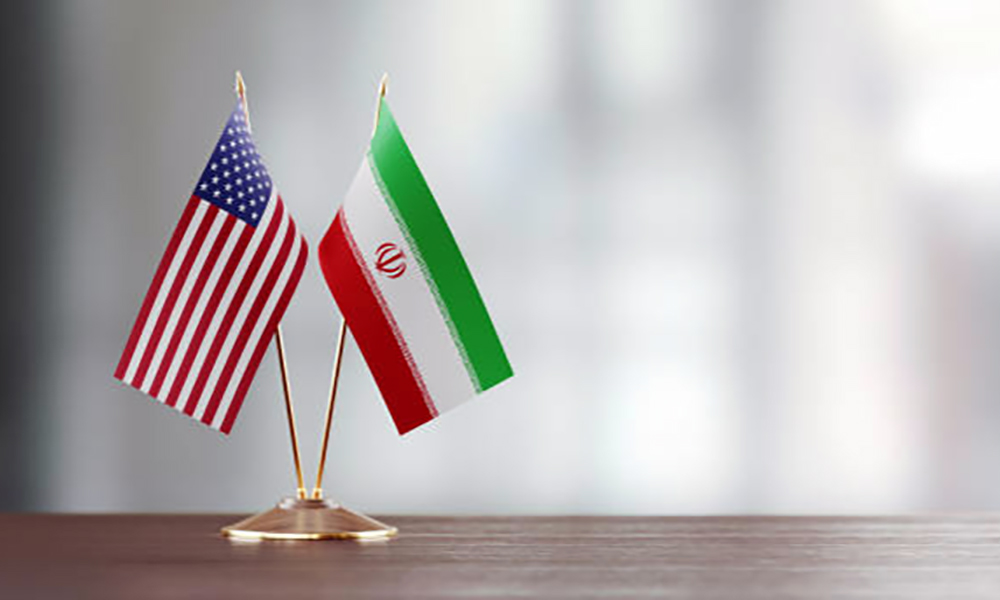
The United States is holding talks with Iran to sketch out steps that could limit the Iranian nuclear programme, release some detained U.S. citizens and unfreeze some Iranian assets abroad, Iranian and Western officials said.
These steps would be cast as an “understanding” rather than an agreement requiring review by the U.S. Congress, where many oppose giving Iran benefits because of its military aid to Russia, its domestic repression and its support for proxies that have attacked U.S. interests in the region, Reuters reported.
Having failed to revive a 2015 Iran nuclear deal, Washington hopes to restore some limits on Iran to keep it from getting a nuclear weapon that could threaten Israel and trigger a regional arms race. Tehran says it has no ambition to develop a nuclear weapon.
The 2015 deal, which then-President Donald Trump abandoned in 2018, had capped Tehran’s uranium enrichment at 3.67% purity and its stockpile of this material at 202.8 kg (447 pounds) – limits Tehran has since far exceeded.
U.S. and European officials have been searching for ways to curb Tehran’s nuclear efforts since the breakdown of indirect U.S.-Iranian talks. The willingness to restart discussions illustrates the rising sense of urgency in Western capitals about Iran’s programme, read the report.
The U.S. government has dismissed reports it is seeking an interim deal, using carefully constructed denials that leave open the possibility of a less formal “understanding” that could avoid congressional review.
State Department spokesman Matt Miller denied there was any deal with Iran.
However, he said Washington wanted Tehran to de-escalate tensions and curb its nuclear programme, cease support for regional proxy groups that carry out attacks, halt support for Russia’s war on Ukraine and release detained U.S. citizens.
“We continue to use diplomatic engagements to pursue all of these goals,” he added, without giving details.
An Iranian official said: “Call it whatever you want, whether a temporary deal, an interim deal, or a mutual understanding – both sides want to prevent further escalation.”
In the first instance, “that will involve prisoner exchange and unblocking part of Iran’s frozen assets”, he said.
Further steps might include U.S. sanctions waivers for Iran to export oil in return for ceasing 60% uranium enrichment and greater Iranian cooperation with the U.N. nuclear watchdog, he said.
“I’d call it a cooling-down understanding,” said a Western official on condition of anonymity, saying there had been more than one round of indirect talks in Oman between U.S. National Security Council official Brett McGurk and Iran’s chief nuclear negotiator, Ali Bagheri Kani.
U.S. Special Envoy for Iran Rob Malley has also met Iran’s ambassador to the U.N. after months of Iran refusing direct contact, Reuters reported.
The Western official said the idea was to create a status quo acceptable for all, getting Iran to avoid the Western redline of enriching to 90% purity, commonly viewed as weapons grade, and possibly even to “pause” its enrichment at 60%.
In addition to the 60% pause, both sides are discussing more Iranian cooperation with the International Atomic Energy Agency and not installing more advanced centrifuges in return for the “substantial transfer” of Iranian funds held abroad, the official said.
The official did not specify whether the pause meant Iran would commit not to enrich above 60% or whether it would stop enriching to 60% itself.
The order of the steps and how they might relate to a release of three detained U.S. citizens held by Iran was also unclear. Officials have previously said freeing them might be connected to the release of frozen funds.
Iran’s foreign ministry spokesperson said on Monday the two nations could exchange prisoners soon if Washington showed goodwill, saying there were talks through intermediaries, without giving details. Iran’s mission to the U.N. did not immediately respond to a detailed request for comment.
The Western official said the key U.S. objective was to keep the nuclear situation from worsening and to avoid a potential clash between Israel and Iran.
“If (the) Iranians miscalculate, the potential for a strong Israeli response is something that we want to avoid,” he said.
U.S. officials appear to avoid saying they are seeking an “agreement” because of a 2015 law under which Congress must get the text of any accord about Iran’s nuclear programme, opening a window for legislators to review and potentially vote on it.
U.S. House Foreign Affairs Committee Chairman Michael McCaul, a Republican, wrote to President Joe Biden on Thursday saying “any arrangement or understanding with Iran, even informal, requires submission to Congress”.





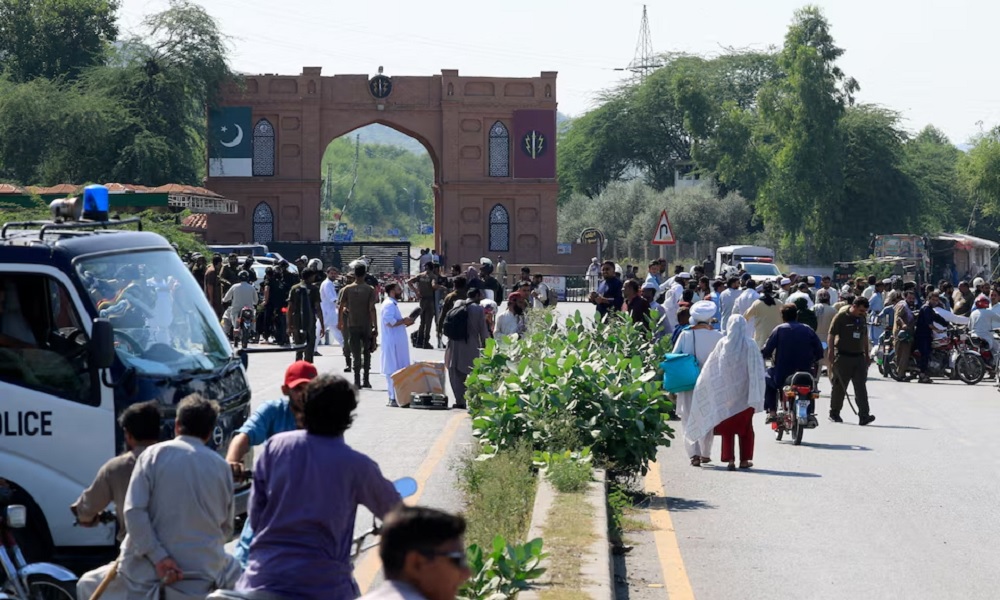
Jailed former prime minister Imran Khan’s Pakistan Tehreek-e-Insaf party has postponed a planned long march from Peshawar to Islamabad until October 4, the chief minister of the PTI-ruled Khyber Pakhtunkhwa province, Sohail Afridi, told reporters on Friday.
PTI had planned to begin the march on September 27 to press for the release of Khan, who has been in jail since 2023. The PTI’s last large-scale protest two years ago ended in deadly clashes with security forces, Reuters reported.
Earlier this week, Pakistan curbed access to its capital, Islamabad, by blocking major highways with shipping containers and deploying tens of thousands of security forces, ahead of the march planned by Khan’s supporters.
Party spokesperson Zulfi Bukhari, however, told Reuters that although they had moved the planned date to October 4, they could launch the march earlier.
“We can now do it whenever we deem fit. The question is to the government, as to how long they’re willing to keep the country closed off?”, Bukhari said.
Authorities have detained three of Khan’s sisters and hundreds of party activists in recent days, citing a need to maintain public order.
Khan, 73, a former cricket star ousted by parliament in a 2022 no-confidence vote, has claimed to be a political prisoner.
Regional
Saudi Grand Mufti tells troops to be ready to sacrifice their lives fighting Houthis
State TV has in recent weeks aired footage of an alleged Houthi strike on a mosque in the kingdom’s south, and authorities have also accused the Houthis of launching an attack on Mecca, Islam’s holiest site.
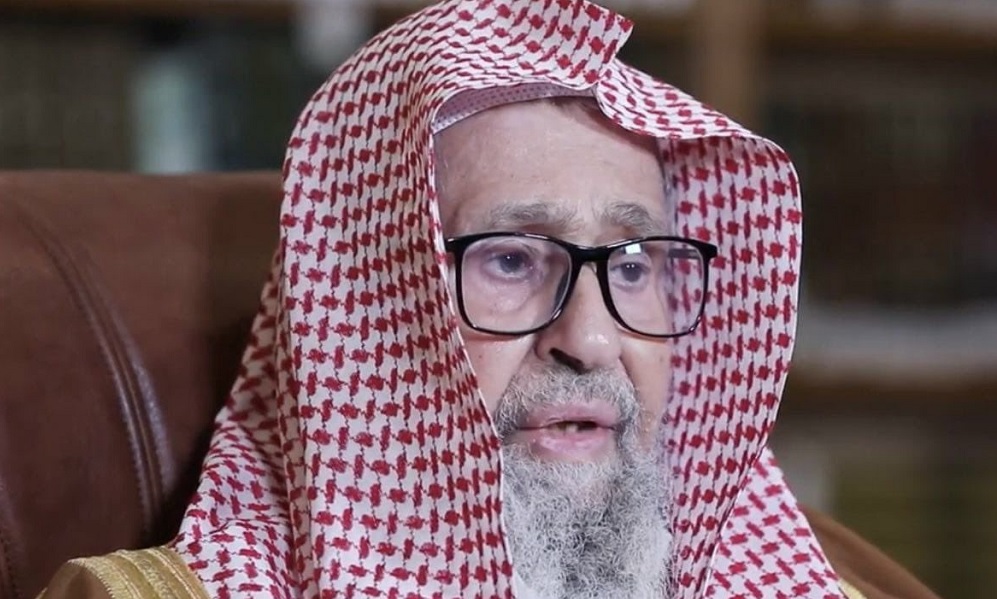
Saudi Arabia’s top religious authority called on soldiers in the kingdom to be ready to lay down their lives to fight the Iran-backed Houthis until the group is ousted from power, a statement posted on the Saudi state news agency said.
The rare and strongly worded message by Saudi Grand Mufti Sheikh Saleh bin Fawzan Al-Fawzan was addressed to soldiers stationed at the country’s borders and drew heavily on Quranic verses and recorded sayings of the Prophet Mohammad related to sacrifice and struggle in defence of God, Reuters reported.
It comes after weeks of escalating violence between Saudi Arabia and the Houthis which has seen the Iran-backed group attack the kingdom with salvos of missiles and drones and Saudi Arabia respond with airstrikes.
Observers have been questioning whether Saudi Arabia will launch a broader military operation along with Yemeni government forces it backs.
“Protecting this great nation… and punishing anyone who seeks to lay a hand on even an inch of its territory are among the greatest duties and most virtuous acts of devotion, for which lives and souls may be sacrificed in seeking God’s pleasure,” said the statement, issued late Thursday.
Asserting the authority of the Saudi-backed internationally recognized Yemeni government over the entire country was “among the most pressing obligations,” it added.
Those government forces lost control of the vital Bab el-Mandeb waterway to the Houthis two weeks back, a blow to the kingdom, which has been mired in the conflict since 2015 after it launched an unsuccessful operation to oust the Houthis from the Yemeni capital Sanaa.
The recent fighting is the latest episode in 12 years of civil war in Yemen which had largely been frozen since a 2022 but has escalated again and has become linked to the wider Iran war.
“We ask God Almighty to grant you all his support, and to protect our countries and beloved Yemen from all harm. We also ask him to bring about the complete defeat of the Houthi group and those who assist and support them,” the statement said.
The Mufti’s letter adds to a growing religiously centered narrative by authorities in the conservative Sunni Muslim kingdom aimed at discrediting the Houthis, who follow a different sect of Islam.
State TV has in recent weeks aired footage of an alleged Houthi strike on a mosque in the kingdom’s south, and authorities have also accused the Houthis of launching an attack on Mecca, Islam’s holiest site.
“It is incumbent upon you, brothers serving on the front lines, to remain constantly prepared to perform your duty, to obey the rulers and your field commanders, and to carry out orders with the utmost precision, as God Almighty commanded the companions of his Prophet to do,” the statement said.
“You are following in the footsteps of the Prophet’s companions, defending the sacred sites of Muslims.”
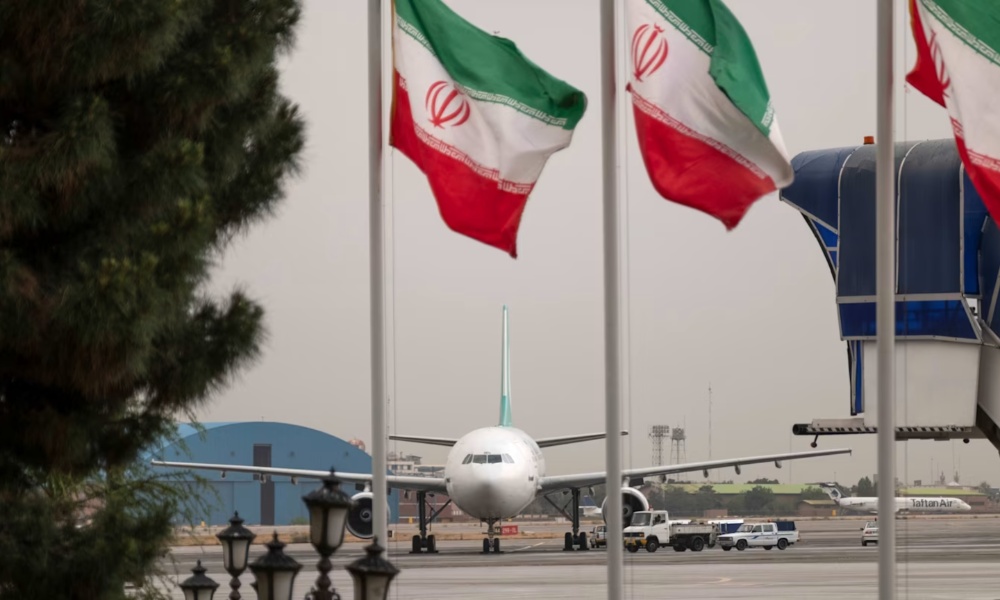
Iranian airlines cancelled some international flights on Wednesday after the United States imposed new sanctions targeting Iran’s aviation sector.
Georgia and Azerbaijan confirmed the suspension of flights to Iran, while a travel agent in Tehran told AFP that flights to Baghdad, Muscat and Qatar had also been halted. Flights to several other destinations, including China, continued.
The new US measures were announced by Treasury Secretary Scott Bessent on Monday as Washington seeks to increase economic pressure on Tehran amid the ongoing conflict.
“We are squeezing the Iranians like they’ve never seen,” Bessent told Fox News on Wednesday, claiming that more than 80% to 90% of Iran’s international flights had been affected.
Iranian President Masoud Pezeshkian, who is attending the United Nations General Assembly in New York, rejected the pressure.
“The resistance of the Iranian people will only intensify in the face of sanctions, mounting pressure and growing intimidation” from the United States, Pezeshkian said.
Iran’s aviation industry has faced US sanctions for years, but the latest measures could further restrict international connections.
Despite the new sanctions, flight-tracking data showed a Mahan Air flight from Tehran arriving in Guangzhou, China, on Wednesday. A flight to Shanghai was also scheduled to depart from Tehran’s international airport.
China has opposed the new US sanctions, describing them as illegal.
Some flights to Istanbul also continued, although others were cancelled, according to the Tehran-based travel agent, who said the situation remained uncertain.
“The situation is unstable and we are no longer selling tickets for the time being for fear of cancellations,” the agent told AFP.
Flights connecting Iran with Turkey and Armenia were also still possible on some smaller Iranian airlines, while flights to Najaf in Iraq and Dubai in the United Arab Emirates were listed as scheduled.
Mohsen Rezaei, head of Iran’s Supreme National Security Council, warned neighbouring countries against complying with the US measures.
“If a country cooperates with or embarks on adventures with the United States, its airports will no longer be able to operate flights” to Iran, he told Iranian state television.
The possible suspension of flights between Iran and Iraq has raised particular concerns because of the large number of Iranian religious pilgrims who travel to Iraq.
Iranian media reported that authorities were considering rerouting flights from Baghdad to Najaf. AFP also reported that several sources in Iraq said Baghdad would comply with the US sanctions, although the Iraqi government had not publicly announced a flight ban.
Travel agents in Najaf said passengers were seeking information about possible cancellations and considering travelling by land instead.


Ariana Afghan Airlines increases Kabul-Delhi cargo flights

Khalilzad questions Pakistan’s commitment to Afghan welfare

India, UN envoy discuss Afghanistan’s humanitarian needs

Kazakhstan calls for coordinated international engagement with Afghanistan

Pakistan PM, UN chief discuss Afghanistan amid rising Kabul-Islamabad tensions

Saudi energy group signs major Afghanistan deals covering gas exploration and pipeline plans

Trump floats idea of renaming Atlantic or Pacific Ocean

US hits Egyptian bank branches with Iran sanctions as war marks six months

Nepal flood rescue mission enters critical phase as thousands remain missing

Iranian clubs to face Gulf opponents at neutral venues in Asian Champions League Elite

Exclusive interview with Abdul Latif Mansoor, Minister of MRRD

Tawsia: Overview of Afghanistan’s iron mines

Tahawol: Discussion on fresh Pakistani airstrikes on Afghanistan

Saar: Calls for international support for Afghanistan discussed

Tahawol: Opening of the 81st UN General Assembly Session
-

 Sport5 days ago
Afghanistan to face Japan and Nepal in Asian Games cricket group stage
-

 World4 days ago
CNN, MS NOW and Politico sue Trump, challenging White House ban
-

 Latest News3 days ago
Ariana Afghan Airlines ranks seventh among 45 Central Asian airlines
-

 Latest News4 days ago
UN reiterates call for respect for international law after Kunar airstrikes
-
 Latest News5 days ago
Khalilzad condemns Pakistan airstrikes, says current strategy is not working
-

 Regional3 days ago
US and Iran hold first talks since June after Trump’s ‘annihilation’ threat
-

 Latest News3 days ago
Silk Road highway in Wakhan corridor now reaches the China border
-

 Latest News4 days ago
Afghan Official: Pakistan’s airstrikes will not go unanswered