
Latest News
Afghan embassy in New Delhi announces permanent closure

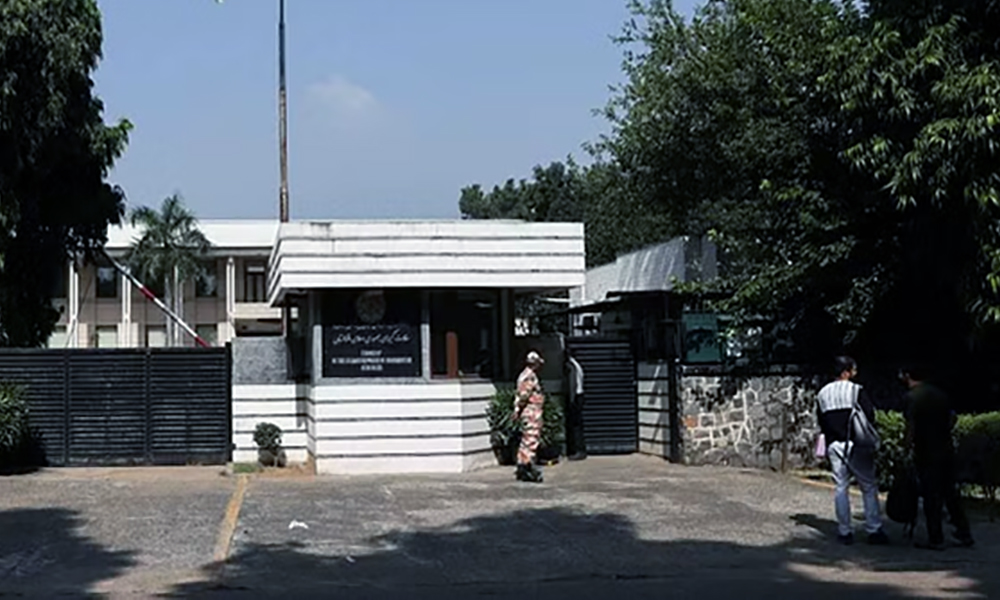
The Afghanistan embassy has announced its permanent closure in New Delhi.
Releasing an official statement on the closure of its diplomatic mission in New Delhi, the Afghan embassy said, “Effective from November 23, 2023 owing to persistent challenges from the Indian government. The decision follows the embassy’s earlier cessation of operations on September 30, a move made in the hope that the Indian government stance will favourably change to let the mission operate normally.”
The embassy said it was ‘cognisant’ that some may attempt to characterise this move as an internal conflict, allegedly involving diplomats who switched allegiance to the Taliban [Islamic Emirate of Afghanistan], adding “that this decision is a result of broader changes in policy and interests”.
“To the Afghan citizens in India, the Embassy extends its sincere gratitude for their understanding and support throughout our mission’s tenure,” it added.
Despite “limitations in resources and power”, the Afghan embassy said it has worked “tirelessly for their betterment and in the absence of a legitimate government in Kabul”.
Over the past two years and three months, the Afghan community in India has witnessed a significant decline, with Afghan refugees, students, and traders leaving the country, the embassy noted in its statement, adding that the number has nearly halved since August 2021, with very limited new visas being issued during this period.
“We assure the Afghan community that the mission operated with transparency, accountability, and a commitment to fair treatment based on the goodwill and interests of Afghanistan considering historic ties and bilateral relations with India,” it added.
“Unfortunately, efforts have been made to tarnish our image and hinder diplomatic efforts in order to justify the presence and work of Taliban [Islamic Emirate of Afghanistan]-appointed and affiliated diplomats. In the face of these challenges, our committed team worked diligently in the most difficult circumstances, prioritizing the interests of the 40 million Afghans in every possible sphere from securing humanitarian aid and online education scholarships to facilitating ease in trade and advocating for the formation of a broad-based government,” the Afghan embassy stated further in its statement.
It added that the Afghan embassy “exerted diplomatic pressure in its power on those who defy the will of the Afghan people by failing to form an inclusive government and denying millions of girls the right to attend school”.
As of now, there are no diplomats from the Afghan Republic in India. Those who served in the national capital have safely reached third countries, the embassy informed through its release, adding that the only individuals present in India are diplomats affiliated with the Taliban [IEA], visibly attending their regular online meetings.
“The diplomats of the Afghan Republic have handed over the mission solely to the Indian government. It now rests upon the Indian government to decide the fate of the mission, whether to maintain its closure or consider alternatives, including the possibility of handing it over to Taliban [IEA] diplomats. The responsibility of diplomats appointed by the Islamic Republic of Afghanistan has officially come to an end. The unfortunate end of the Republic mission marks the conclusion of the Afghan Republic in India,” it added.
“We have considered the historic events and current circumstances carefully in arriving at this conclusion. We also extend our heartfelt gratitude to the people of India for their support and assistance to Afghanistan over the past 22 years. We reiterate our commitment to serving the people of Afghanistan and will continue to explore avenues to support our nation in these challenging times,” the statement concluded.
Notably, the Afghan embassy announced the closure of its operations on November 1, citing “lack of resources” and “failure to meet Afghanistan’s interests” by the Taliban [IEA] government.
The embassy also made an “unequivocal statement” stating that certain consulates that work on the instructions and funding from Kabul are not in consonance with the objectives of a legitimate or elected government but rather serve the interests of an “illegitimate regime”.
The Afghan Embassy in New Delhi was run by staff appointed by the previous government of ousted Afghan President Ashraf Ghani, with permission from the Indian authorities. However, India has not recognized the Islamic Emirate government, which seized power in Afghanistan in August 2021. It evacuated its own staff from Kabul ahead of the U.S. withdrawal from Afghanistan two years ago and no longer has a diplomatic presence there.












Kazakhstan’s Foreign Minister Mukhtar Tileuberdi has called for pragmatic and coordinated international engagement with Afghanistan, saying the country’s long-term stability is closely linked to the security and sustainable development of Central Asia.
Speaking during the general debate of the 81st session of the United Nations General Assembly in New York on Friday, Tileuberdi said humanitarian assistance to Afghanistan remains essential but alone cannot break the cycle of poverty, displacement and dependency.
He said Kazakhstan supports a “pragmatic, coordinated and step-by-step” approach to international engagement with Afghanistan, with the United Nations playing a central role.
Tileuberdi also said Kazakhstan is working with the UN to operationalize the United Nations Regional Centre for the Sustainable Development Goals for Central Asia and Afghanistan in Almaty.
He said the success of the centre should be measured by the results and assistance it delivers to the region.


Abu Muslim Farah defeat Khurasan Faryab 2-0 in ACL season six

Saar: Concerns over Pakistan’s political crisis discussed

Afghanistan Champions League: Omar Zawak Herat beat Toofan Herat 1-0

Blast in Pakistan’s Dera Ismail Khan kills 11, injures 30

Ariana Afghan Airlines increases Kabul-Delhi cargo flights

Saudi energy group signs major Afghanistan deals covering gas exploration and pipeline plans

Trump floats idea of renaming Atlantic or Pacific Ocean

US hits Egyptian bank branches with Iran sanctions as war marks six months

Nepal flood rescue mission enters critical phase as thousands remain missing

Iranian clubs to face Gulf opponents at neutral venues in Asian Champions League Elite
Saar: Concerns over Pakistan’s political crisis discussed

Exclusive interview with Abdul Latif Mansoor, Minister of MRRD

Tawsia: Overview of Afghanistan’s iron mines

Tahawol: Discussion on fresh Pakistani airstrikes on Afghanistan

Saar: Calls for international support for Afghanistan discussed
-

 World5 days ago
CNN, MS NOW and Politico sue Trump, challenging White House ban
-

 Latest News3 days ago
Ariana Afghan Airlines ranks seventh among 45 Central Asian airlines
-

 Latest News4 days ago
UN reiterates call for respect for international law after Kunar airstrikes
-

 Regional3 days ago
US and Iran hold first talks since June after Trump’s ‘annihilation’ threat
-

 Latest News3 days ago
Silk Road highway in Wakhan corridor now reaches the China border
-

 Latest News4 days ago
Afghan Official: Pakistan’s airstrikes will not go unanswered
-

 Sport4 days ago
Afghan boxing referee heads to China for international festival
-
 Regional5 days ago
G7 foreign ministers call on Iran to stop arming Houthis