
Regional
Iraqi fighters head to Syria to battle rebels but Lebanon’s Hezbollah stays out
Iran’s constellation of allied regional militia groups, aided by Russian air power, has been integral to the success of pro-government forces in subduing rebels in Syria who rose up against President Bashar al-Assad in 2011

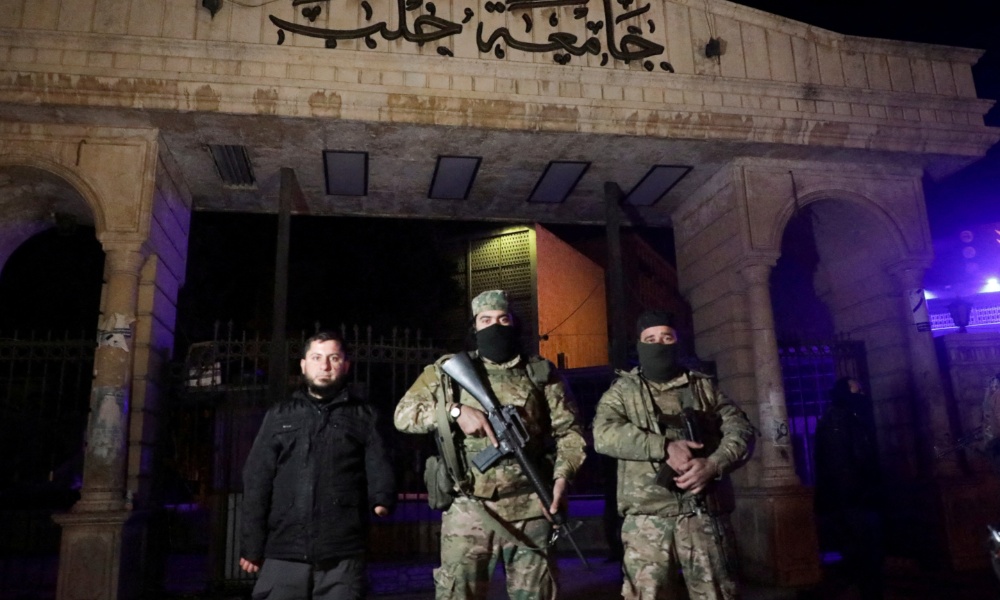
Hundreds of Iran-backed Iraqi fighters crossed into Syria on Monday to help the government fight rebels who seized Aleppo last week, but Lebanon’s Hezbollah has no plans for now to join them, according to sources.
Iran’s constellation of allied regional militia groups, aided by Russian air power, has been integral to the success of pro-government forces in subduing rebels in Syria who rose up against President Bashar al-Assad in 2011, Reuters reported.
But that alliance faces a new test after last week’s lightning advance by rebels in northwest Syria, with Russia focused on war in Ukraine and Hezbollah’s leadership decimated by a war with Israel that ended in a ceasefire last week.
The rebel storm of Aleppo is the biggest success of anti-Assad fighters for years.
Government forces had held complete control of Aleppo since capturing what was then Syria’s largest city in a siege in 2016, one of the major turning points of a war that has killed hundreds of thousands of people.
The head of Syria’s main opposition group abroad, Hadi al-Bahra, told Reuters the rebels were able to seize the city so quickly because Hezbollah and other Iran-backed groups were distracted by their conflict with Israel.
Preparations had been made since last year for an assault on Aleppo, but it was held up by the war in Gaza, he said.
Syria’s civil war had been frozen since 2020, with Assad in control of most territory and all major cities.
Rebels still held an enclave in the northwest, Turkey-backed forces held a strip along the northern border and U.S.-backed, Kurdish-led forces controlled a pocket in the northeast.
Any prolonged escalation in Syria risks further destabilising a region roiled by the conflicts in Gaza and Lebanon, with millions of Syrians already displaced and with regional and global powers backing rival forces in the country, Reuters reported.
Iraqi and Syrian sources confirmed the deployment of more Iran-backed Iraqi fighters to Syria. Iran’s Foreign Minister said Tehran “will provide any support needed” and that “resistance groups” would come to Assad’s aid.
Russia, whose 2015 entry into the conflict turned the military balance decisively in Assad’s favour, continues to support him and is analysing the situation on the ground, the Kremlin said.
On Sunday Moscow dismissed the general in charge of its forces in Syria, Russian war bloggers reported.
The Syrian government said Syrian and Russian air forces were striking rebel-held positions in the countryside east of Aleppo city.
The White Helmets rescue organisation and residents of rebel-held areas in the north said warplanes had hit residential areas of Aleppo city and a displaced people’s camp in Idlib province where seven people were killed, including five children.
The Syrian government said it had killed hundreds of rebel fighters in recent days, which Reuters could not independently confirm.
The rebels fighting in Aleppo, Idlib and Hama provinces in northwest Syria include mainstream groups backed by Turkey as well as the Islamist Hayat Tahrir al-Sham, the former al-Qaeda affiliate in Syria.
A Turkish official told Reuters Turkey had not given any permission for the rebel offensive, and Hayat Tahrir al-Sham took no instructions from Turkey.
The Turkish and Iranian foreign ministers discussed the fighting in Syria on Monday.
Turkish Foreign Minister Hakan Fidan said rebel advances could not be explained by foreign intervention and urged the Syrian opposition to compromise.
A spokesperson for Israel’s military said it would not let Iran exploit the Syria conflict to transfer weapons to Hezbollah.






Regional
At least 15 infants killed in Islamabad hospital fire
WATCH VIDEO: There were 16 newborns at the hospital’s gynaecology ward when the fire broke out, one of whom was rescued.
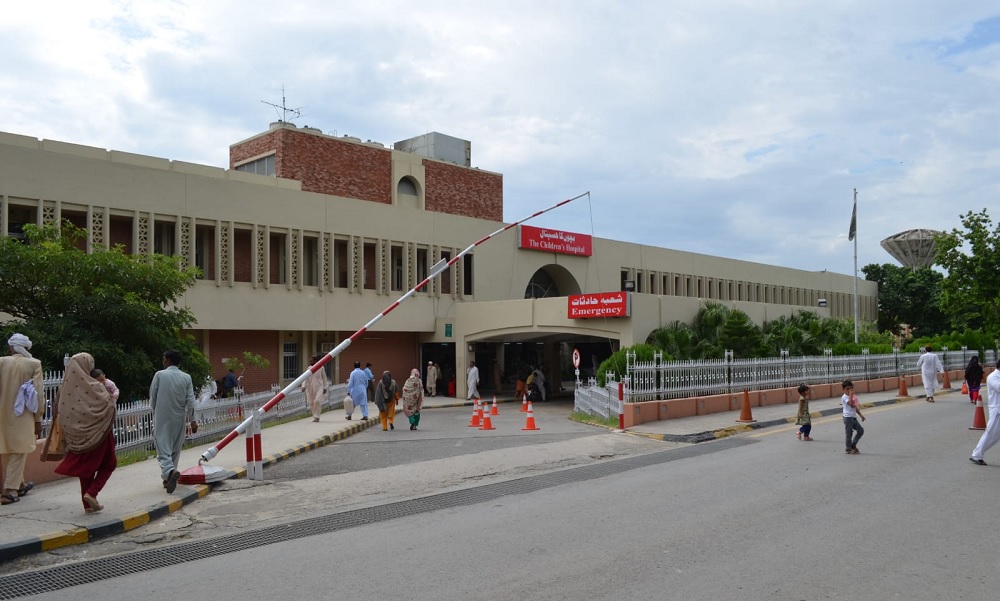
At least 15 infants were killed when a fire broke out at a state-run hospital in Pakistan’s capital city Islamabad, triggered by a fault in air conditioning systems, local broadcaster Geo TV reported on Wednesday.
The fire, which broke out at the Pakistan Institute of Medical Sciences (PIMS) hospital, started around two hours ago, the broadcaster said, adding that “cooling operations” were ongoing, Reuters reported.
There were 16 newborns at the hospital’s gynaecology ward when the fire broke out, one of whom was rescued, according to Geo.
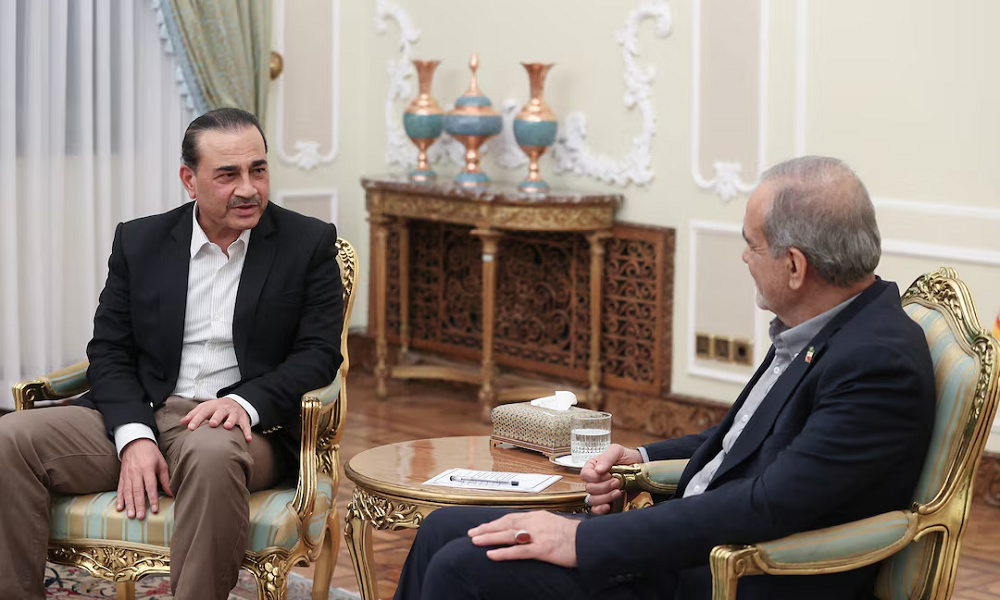
Pakistan and Iran have made “significant progress” in talks focused on the U.S.-Israeli war on Iran and efforts to find a path toward peace, Pakistan’s interior minister said on Tuesday after a visit to Tehran.
The discussions focused on measures to prevent further escalation, reopening the Strait of Hormuz and accelerating an end to the conflict, according to a statement from the Pakistani military following a meeting between army chief General Asim Munir and Iranian leaders.
The two sides also discussed regional peace and possible ways to reach a negotiated settlement to the conflict, the statement said.
“Iranian President candidly shared his government’s perspective and we had a very constructive exchange on the issues involved,” Interior Minister Mohsin Naqvi, who accompanied Munir, said in a post on X.
Munir spoke with U.S. President Donald Trump before travelling to Tehran, Reuters reported on Monday.
Trump last week warned of economic consequences for countries providing “any type of lifeline to Iran” as Washington seeks to isolate Tehran. Iran, meanwhile, has threatened to halt all oil exports from the Gulf.
Regional
Pakistan’s Munir spoke to Trump ahead of Tehran visit, sources say
The White House Office of the Press Secretary did not immediately respond to a request for comment. It was unclear what Munir and Trump discussed in detail.
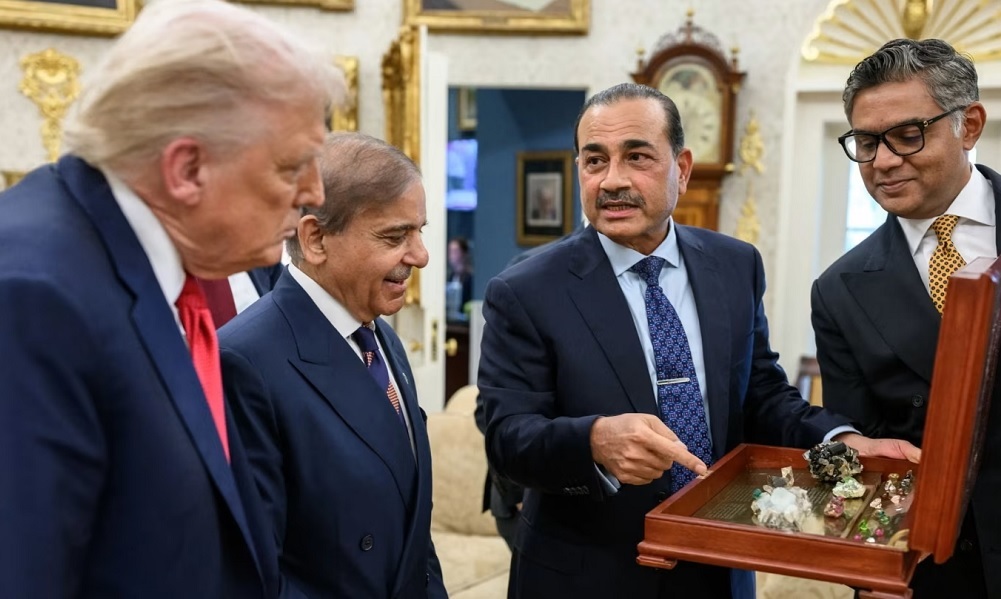
US President Donald Trump spoke with Pakistan’s army chief Asim Munir last week ahead of Munir’s trip to Tehran on Monday, according to three Pakistani sources, with one saying the main US request was to use Pakistan’s influence to bring Iran back to negotiations, Reuters reported.
Trump last week warned of economic consequences against any country that provided “any type of lifeline to Iran” as he seeks to isolate the Islamic Republic. Iran has in turn vowed to shut down all oil exports from the Gulf.
Last week’s call, which has not been previously reported, was initiated by Trump, according to two Pakistani sources.
The White House Office of the Press Secretary did not immediately respond to a request for comment. It was unclear what Munir and Trump discussed in detail.
Munir arrived in Tehran on Monday accompanied by Pakistan’s Interior Minister Mohsin Naqvi, Pakistan’s military confirmed, saying it was “part of Pakistan’s efforts to promote regional peace and stability.”
Pakistan, which has played a key mediating role between the US and Iran this year, has remained a trading partner of Iran throughout the recent fighting.
Munir was expected to meet with people close to Iran’s Supreme Leader Ayatollah Mojtaba Khamenei on Monday, one Pakistani source said.
Another Pakistani government source said while US-Iran tensions were a focus of the visit, Munir was also expected to discuss recent attacks by Iran-aligned Houthi fighters on Pakistan’s ally Saudi Arabia as well as the recently signed mutual defence agreement between Pakistan, Turkey and Saudi Arabia.
Pakistan’s earlier mediation efforts between the U.S. and Iran resulted in an interim peace agreement signed in June. But the Islamabad Memorandum quickly faltered, amid new fighting between Iran and the US that has threatened to spiral into a wider regional conflict in recent weeks.
“There is a trust deficit on both sides,” a third Pakistani source said about the US and Iran, adding that Munir’s aim was to mitigate the lack of mutual trust on Monday.


Tahawol: Calls for US engagement with the Islamic Emirate discussed

Muttaqi, ICRC official discuss expansion of humanitarian cooperation

Saar: Call for dialogue to resolve issues with Afghanistan discussed

Badakhshan police say Pakistan is sheltering Islamic Emirate opponents in Chitral

Tottenham face Charlton as ATN brings live EFL Cup action to Afghan fans

Pakistan’s governance system has ‘collapsed’: Mohsin Naqvi

Afghanistan exports first stone shipment to US in $100,000 trade milestone

AFC confirms clubs for 2026/27 competitions; draw set for August 18

Only two days to go before Afghanistan and Ireland begin ODI series

Four mediators struggle to secure lasting Pakistan-Afghanistan ceasefire
Tahawol: Calls for US engagement with the Islamic Emirate discussed
Saar: Call for dialogue to resolve issues with Afghanistan discussed

Tahawol: Aisha Wahab’s emphasis on US ties with IEA

Saar: Guterres’s concern regarding global conflicts discussed

Saar: Afghanistan’s uncertain future in SCO
-
 Latest News4 days ago
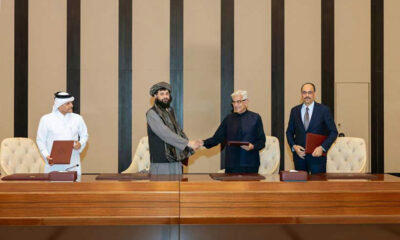
Four mediators struggle to secure lasting Pakistan-Afghanistan ceasefire
-
 Latest News5 days ago
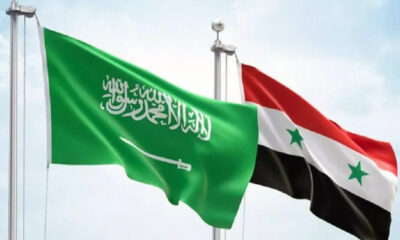
Syria and Saudi Arabia condemn Kabul bombing, express solidarity with Afghanistan
-

 Latest News5 days ago
US judge strikes down Trump visa suspension for 75 countries, including Afghanistan
-
 Business3 days ago
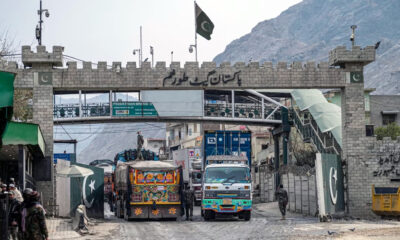
Afghanistan’s trade diversification challenges Pakistan
-

 Sport5 days ago
Afghanistan-India T20I series could see major schedule change
-
 Latest News5 days ago
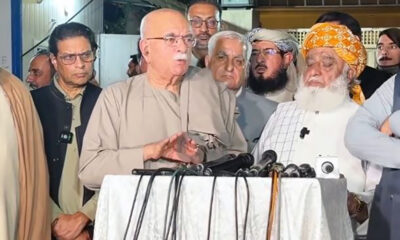
Achakzai urges Pakistan to end hostility towards Afghanistan
-
 Latest News4 days ago
AfghanEvac warns US court ruling does not reopen door for Afghans
-
 Latest News3 days ago
SCO summit to be held without confirmed Afghan invitation