
Latest News
Sudan again tops International Rescue Committee crises watchlist
After being ranked third in 2023, Afghanistan has improved but still features in the unranked second half this year

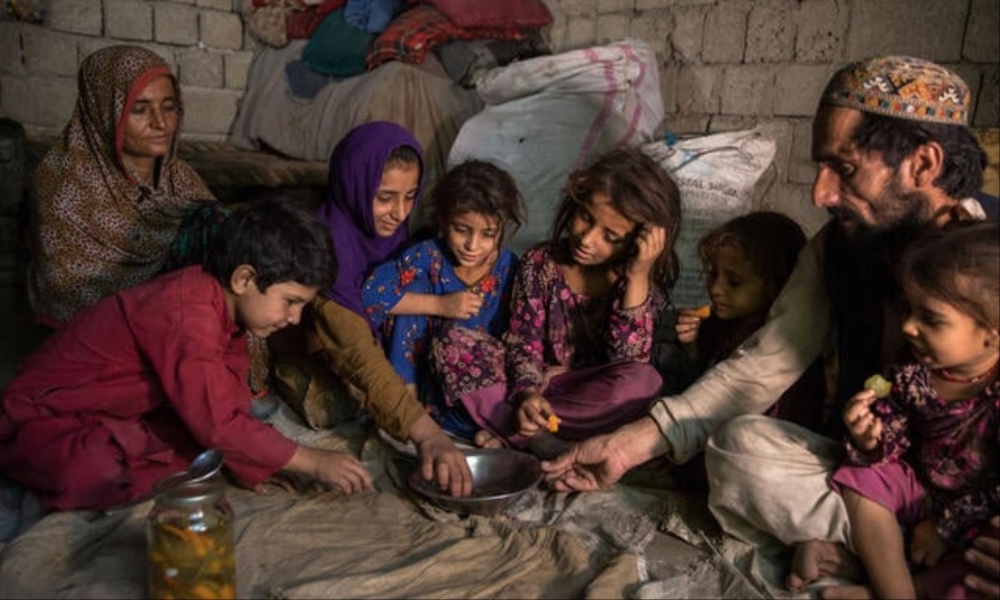
Sudan – for the second year in a row – topped a 2025 watchlist of global humanitarian crises released by the International Rescue Committee (IRC) aid organization on Wednesday, followed by Gaza and the West Bank, Myanmar, Syria and South Sudan.
While Afghanistan is no longer in the top 10 on the Emergency Watchlist for this year, after being ranked third in 2023, the country still features in the unranked second half this year – between 11 and 20 on the list.
According to the report, the improvement can be attributed to various factors including the economy having now settled at a low-level equilibrium and because of crises in many other countries deteriorating rapidly.
The report stated that Afghanistan’s economic crisis continues to cause some of the highest rates of humanitarian need worldwide and that growth is being held back by a number of factors. These include the country’s economic isolation, particularly the suspension of most development funding (which previously subsidized Afghanistan’s spending on public services by an estimated 75%), the lack of progress on unfreezing the Afghan central bank’s frozen funds (held in a Swiss-based trust fund), and the impact of sanctions and international restrictions on foreign financial inflows.
The New York-based IRC began the watchlist more than 15 years ago as an internal planning tool to prepare for the year ahead, but chief executive David Miliband said it now also served as a call to action globally.
The report said 305.1 million people around the world are in humanitarian need – up from 77.9 million in 2015 – and that the 20 countries on the IRC watchlist account for 82% of them. Miliband described the numbers as “crushing.”
“There are more resources to do more good for more people than at any time in history. This makes it all the more bewildering that the gap between humanitarian need and humanitarian funding is also greater than ever,” he wrote in the watchlist report.
The report said the humanitarian crisis in Sudan was the largest since records began and that the country accounts for 10% of all people in humanitarian need, despite being home to just 1% of the global population.
War erupted in April 2023 from a power struggle between the Sudanese army and the paramilitary Rapid Support Forces ahead of a planned transition to civilian rule, and triggered the world’s largest displacement crisis.
The remaining 15 countries on the IRC watchlist are: Lebanon, Burkina Faso, Haiti, Mali, Somalia, Afghanistan, Cameroon, Central African Republic, Chad, Democratic Republic of Congo, Ethiopia, Niger, Nigeria, Ukraine and Yemen.





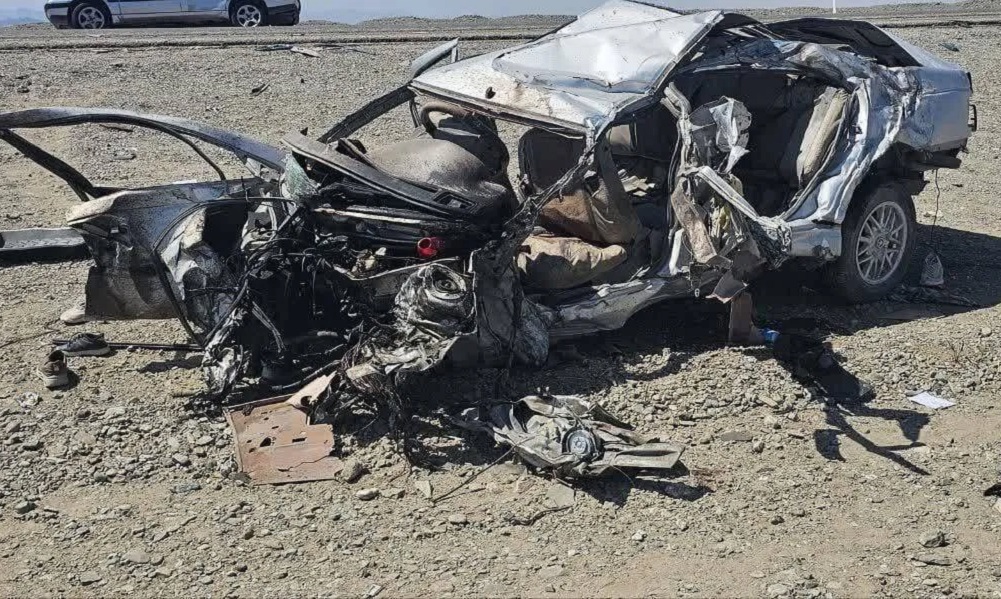
Seven Afghan migrants have been killed after a vehicle carrying Afghan migrants collided with a fuel-carrying vehicle in Iran’s Sistan and Baluchestan province.
According to the human rights organization HalVash, the accident occurred on Friday in the Sarbaz area of Sistan and Baluchestan.
Siyavash Mohbi, the head of Iran’s traffic police in Sistan and Baluchestan, said the Afghan nationals had entered Iran illegally.
He added that nine other people were injured in the incident.
Mohbi attributed the accident to the negligence of the driver of the vehicle carrying the migrants.
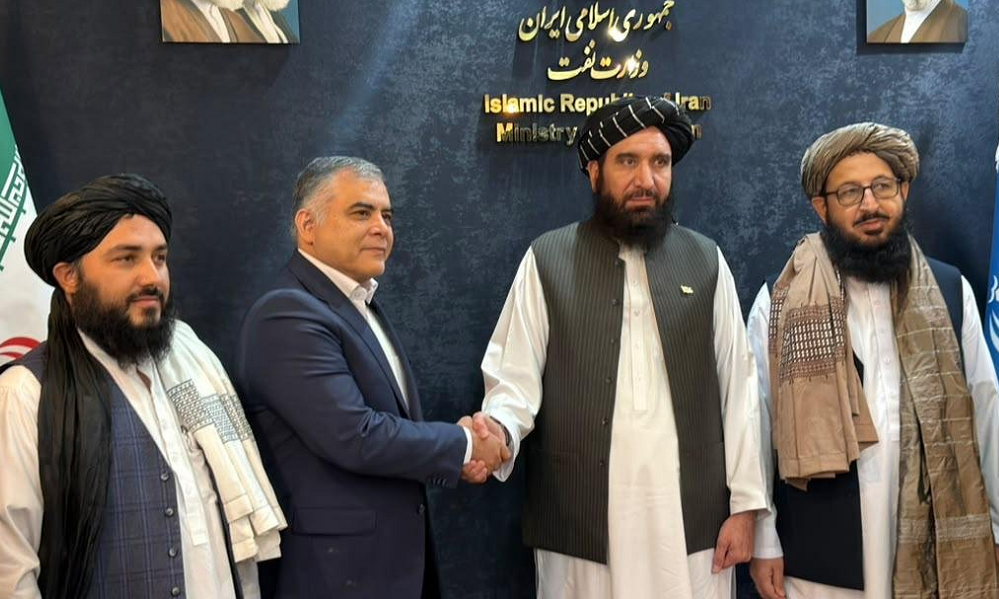
Ahmad Jan Bilal, General Director of State-Owned Corporations, met with Iran’s Oil Minister Mohsen Paknejad during a visit to Iran to discuss expanding cooperation in the oil and gas sector.
Bilal, accompanied by Mohammad Nasir Rahimi, chief executive of the Afghan state-owned Oil and Gas Corporation, held talks with the Iranian minister on supplying Afghanistan with its oil and gas needs, technical and vocational training, and joint cooperation in oil and gas exploration.
Bilal and his delegation also visited the Iranian Oil Ministry’s research center and oil refineries in Tehran, where they reviewed the facilities’ technical and professional activities and capabilities.
The Iranian side expressed readiness for comprehensive cooperation, necessary coordination and implementation of joint projects in the areas discussed.
At the end of the meeting, both sides introduced joint technical teams tasked with coordinating and following up on the necessary measures to implement the agreed areas of cooperation.


Asian Games open in Japan’s Nagoya, Afghanistan sends 34 athletes

Seven Afghan migrants killed in traffic accident in Iran’s Sistan and Baluchestan

OIC to hold Afghanistan Contact Group meeting on sidelines of UN General Assembly

Flames, smoke seen near Riyadh airport; Houthis claim attacks on Saudi capital

Tahawol: Kabul’s warning over any threat from Pakistan discussed

Four mediators struggle to secure lasting Pakistan-Afghanistan ceasefire

Syria and Saudi Arabia condemn Kabul bombing, express solidarity with Afghanistan

Afghanistan’s trade diversification challenges Pakistan

Saudi energy group signs major Afghanistan deals covering gas exploration and pipeline plans

ATN secures exclusive rights to broadcast T20I series in India across Afghanistan
Tahawol: Kabul’s warning over any threat from Pakistan discussed

Debate on Afghanistan and New Investment Opportunities

Tahawol: Reasons behind Qatari, Turkish security officials’ Kabul visit discussed

Saar: Outcome of UN Security Council meeting on Afghanistan discussed

Tahawol: Afghanistan’s readiness for US relations discussed
-
 Latest News4 days ago
UN warns of mounting humanitarian and human rights pressures in Afghanistan
-

 Regional4 days ago
Saudi Arabia calls alleged Mecca attack a ‘red line’ as Houthis deny involvement
-
 Latest News5 days ago
UNICEF expands aid to millions of Afghan children after flash floods
-
 Latest News5 days ago
Petition filed in Islamabad High Court against PMDC directive affecting Afghan students
-
 Latest News4 days ago
Five Years On: IEA touts economic growth despite international isolation
-

 Sport4 days ago
India take 2-0 lead in 3-match series against Afghanistan
-
 Latest News5 days ago
Afghanistan, India explore cooperation on medical supplies, food and drug quality
-

 Sport5 days ago
Nabi reaches 2,500 T20I runs