
Latest News
Defense minister urges the Afghan people to move past divisions and focus on unity
The minister also called on Afghan business leaders to support the poor and displaced during the upcoming month of Ramazan, urging them to allocate their Zakat to vulnerable citizens.

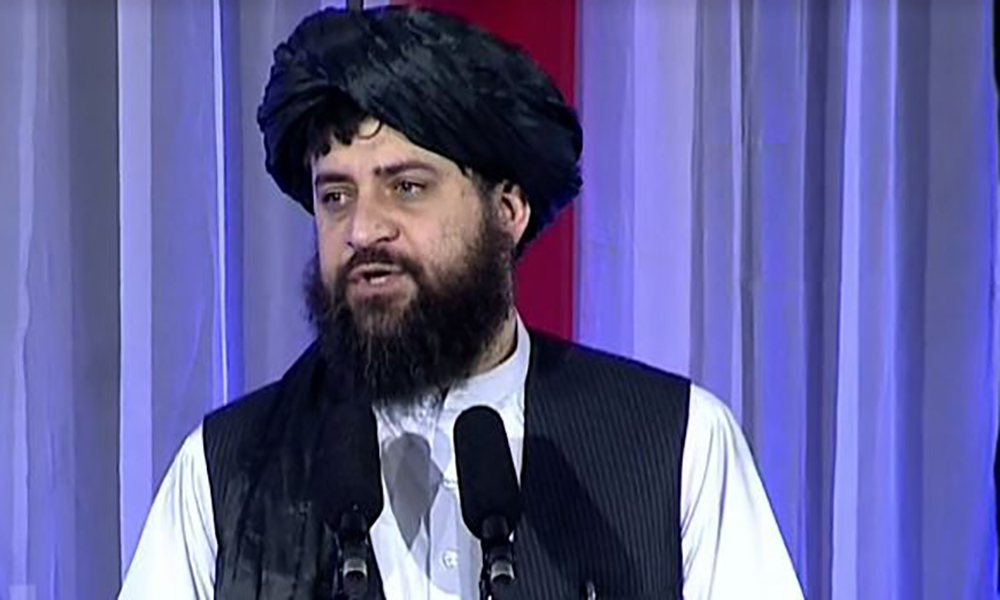
Afghanistan’s Defense Minister, Mohammad Yaqub Mujahid, emphasized the importance of leaving past conflicts behind and setting aside divisions in order to prevent future internal strife.
Speaking on Sunday at a ceremony commemorating the 37th anniversary of the defeat and withdrawal of Soviet forces from Afghanistan, Mujahid warned that a desire for revenge could threaten the stability of the current system.
He stated, “Those who seek power today are no longer even remembered in graves. If you think of the future, think for the people and the nation, and leave a legacy that future generations can be proud of, like our past heroes.”
He underscored that true merit is not determined by language, ethnicity, or position, but by piety and integrity.
The minister also called on Afghan business leaders to support the poor and displaced during the upcoming month of Ramazan, urging them to allocate their Zakat to vulnerable citizens.
“My special message to businessmen is: do not forget your people, and always help them,” Mujahid said.
Highlighting the importance of public cooperation in security, Mujahid added, “Afghanistan today enjoys exceptional security. Citizens must work with security forces to maintain stability. Some countries do not want Afghanistan to be secure; they see their own security in our instability and wish to prosper at the expense of our nation.”
Addressing neighboring countries and the international community, Mujahid affirmed, “Afghanistan is an independent country. We assure all countries that Afghanistan has no threat or bad intentions for you and we will not allow our soil to be used against neighboring countries and we have been able to contain threats against other countries and in this regard, we have full ability and do not need anyone’s help and cooperation.
“We have one request from countries not to create problems for us and not to make excuses, we are ready for any kind of dialogue, but based on mutual respect and national interests, we are ready to negotiate and we will not accept anyone’s orders in this regard, and if someone makes excuses, our message is clear: this approach benefits neither you nor the Afghan people.”
He further stated that even countries that previously invaded or occupied Afghanistan are invited to build relations, but always based on mutual interest and respect. He called for the establishment of a “fresh page” for positive and constructive relations.
Meanwhile, Abdul Salam Hanafi, Administrative Deputy of the Prime Minister’s Office, said that the Afghan nation has never accepted foreign occupation. He said this day in Afghanistan’s history was unforgettable and a source of national pride.
He added that under the Islamic Emirate, drug trafficking and cultivation have been banned, families of martyrs receive designated support, and all orphans are cared for without discrimination, with approximately 13–14 billion Afghanis allocated for their welfare.
Hanafi also emphasized that drug addiction among youth was fueled by foreign powers, while its treatment is now managed by the Islamic Emirate.
Hanafi concluded by urging civil servants to treat the Afghan people with compassion, remain humble in office, and utilize all available resources to preserve the Islamic system.
Separately, Noor Muhammad Saqib, Minister of Hajj and Religious Affairs, highlighted the need for constant preparedness against threats, stating that Afghans should not rely solely on past victories over powerful nations but remain vigilant against any potential dangers in the future.

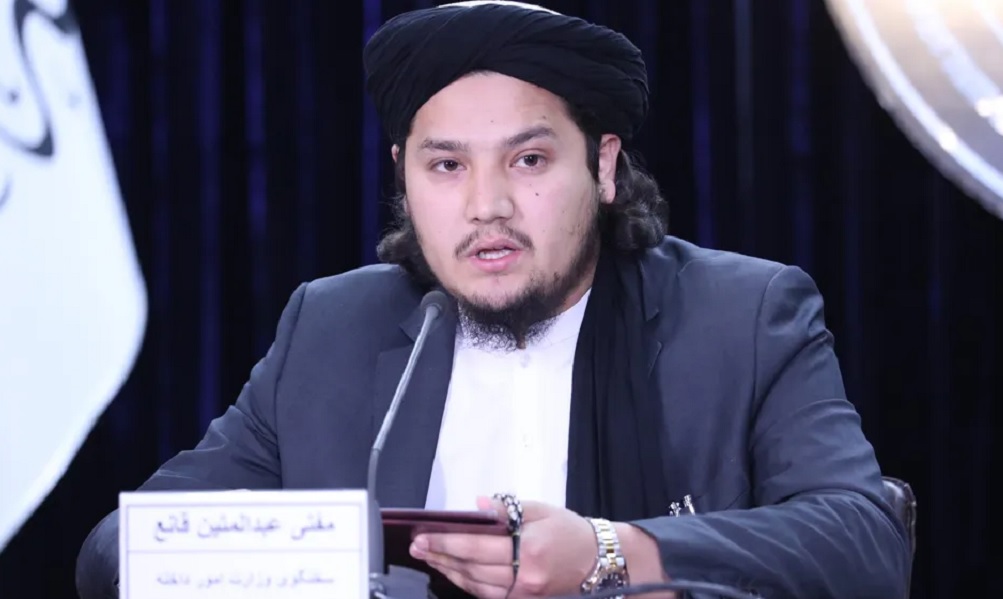
Afghanistan’s Ministry of Interior Affairs has called on the United Nations and the international community to condemn drug cultivation and production in Pakistan, saying that narcotics grown and processed in Balochistan are smuggled to other countries, including Afghanistan.
Ministry spokesperson Abdul Mateen Qani told Ariana News on Tuesday that thousands of hectares in Pakistan’s Balochistan province are used to cultivate narcotic crops. He also claimed that drugs produced in Pakistan are of low quality and pose serious risks to human health.
Qani urged international bodies to take action to prevent drug cultivation, production and trafficking.
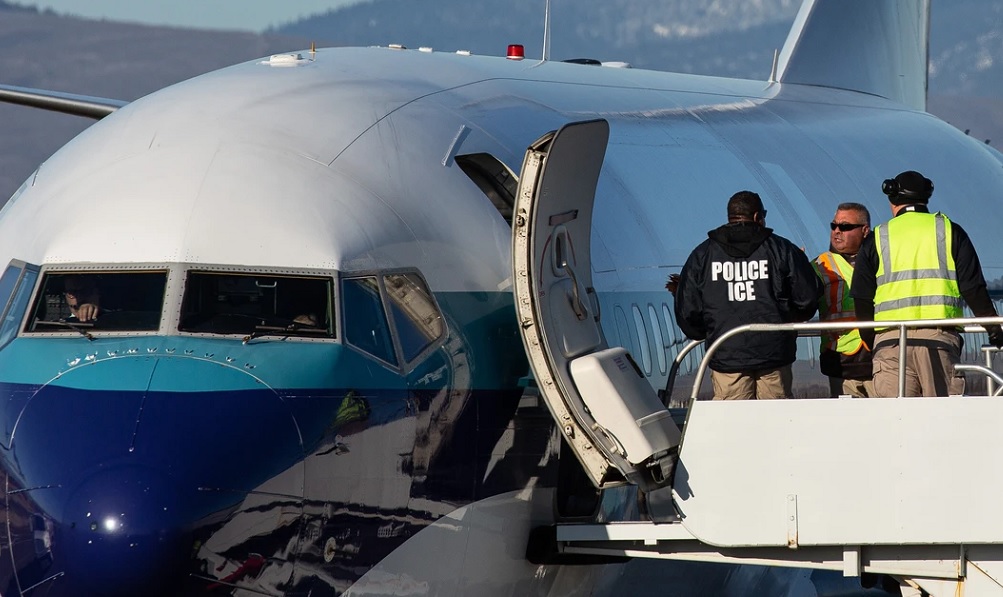
Bloomberg News has reported that the US government is planning to deport some detained Afghan migrants to Pakistan, including relatives of Afghans who worked with US forces.
Bloomberg reported on Monday, citing a US federal government official, immigration lawyers and advocacy organizations, that some detained Afghans had been informed they could be deported to Pakistan in the coming weeks.
According to the report, US officials have not yet publicly commented on the plan, and it remains unclear how many Afghans would be included in the potential flight.
AfghanEvac, an organization that supports Afghans who worked with US forces, said it had received information indicating that a special flight was being considered to transfer some detained Afghans from the state of Louisiana.
According to the organization, some detainees had been told they would be sent to Pakistan, while others had been informed that Afghanistan was their destination. Citing its sources within the US government, AfghanEvac added that Pakistan could potentially be used as a transit route to send these individuals to Afghanistan.
The reported plan comes after the United States previously deported a group of migrants, including 12 Afghan nationals, to the Central African Republic. Among those deported was a young Afghan man whose brothers had worked with US forces.
Latest News
Afghanistan signs AFN 1 billion water supply deal to benefit 50,000 Kabul families
The initiative aims to strengthen water supply infrastructure in the 17th district and improve residents’ access to drinking water.
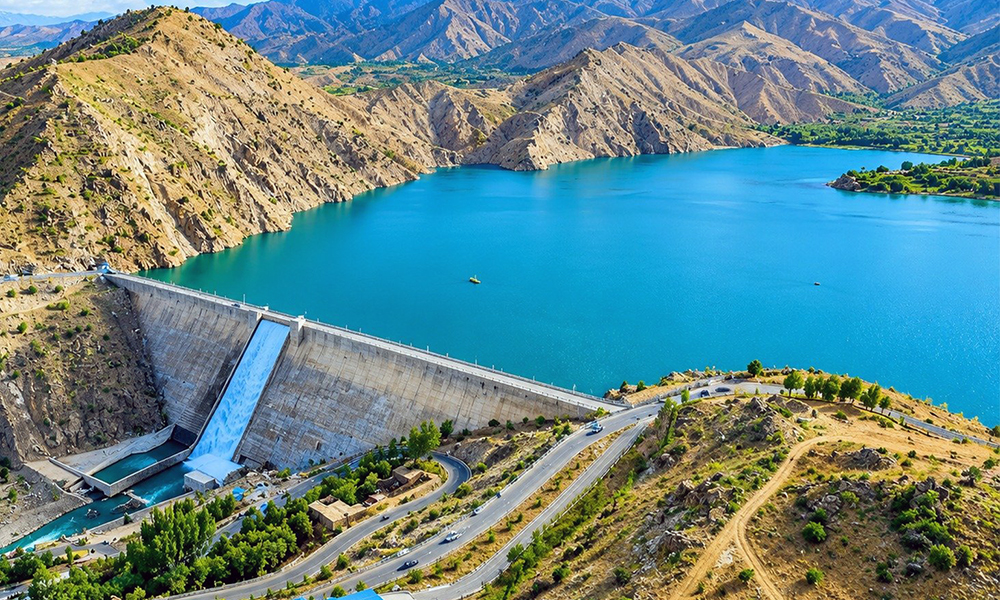
Afghanistan’s state-owned Urban Water Supply and Sewerage Corporation has signed a AFN 1 billion contract with private company Paktia Mawoj to develop a water supply project expected to benefit around 50,000 families in Kabul’s 17th Police District.
Mohammad Nabi Bahar, spokesperson for the General Directorate of State-Owned Companies, said the project will combine surface water from the Shah wa Arus Dam with supplies from five deep wells.
The system is designed to provide a total of 200 litres of water per second, comprising 100 litres per second from the dam and another 100 litres per second from the wells.
Bahar said the project is expected to be completed and handed over for public use within three years.
The initiative aims to strengthen water supply infrastructure in the 17th district and improve residents’ access to drinking water.
With an estimated investment of AFN 1 billion, the project represents a major planned infrastructure development for the Afghan capital.

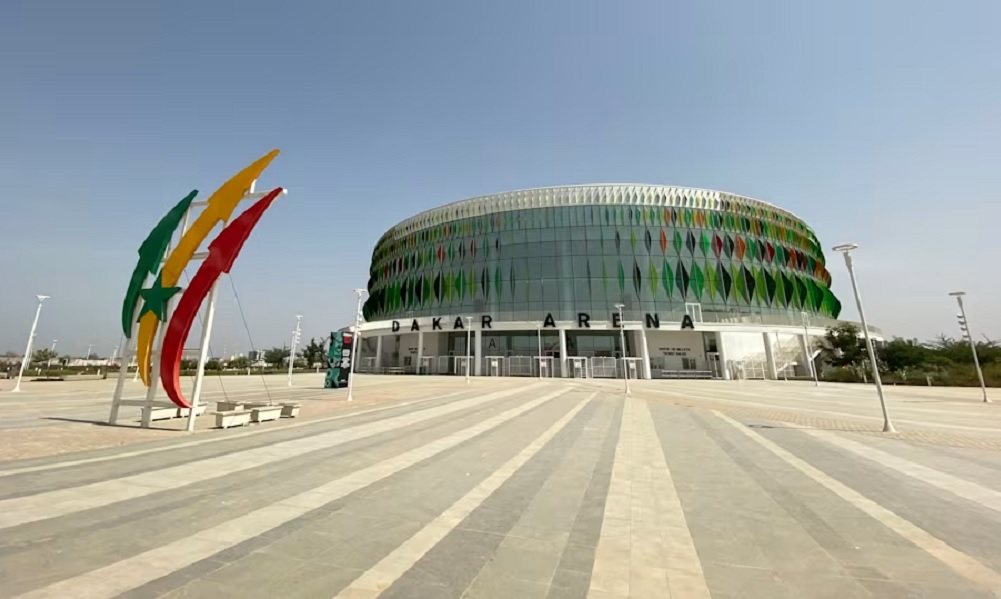
ATN to bring historic Dakar 2026 Youth Olympics to Afghan audiences

England forward Kane crowned Ballon d’Or winner
Afghanistan calls for action against drug production in Pakistan
US plans to deport some Afghan migrants to Pakistan: Bloomberg
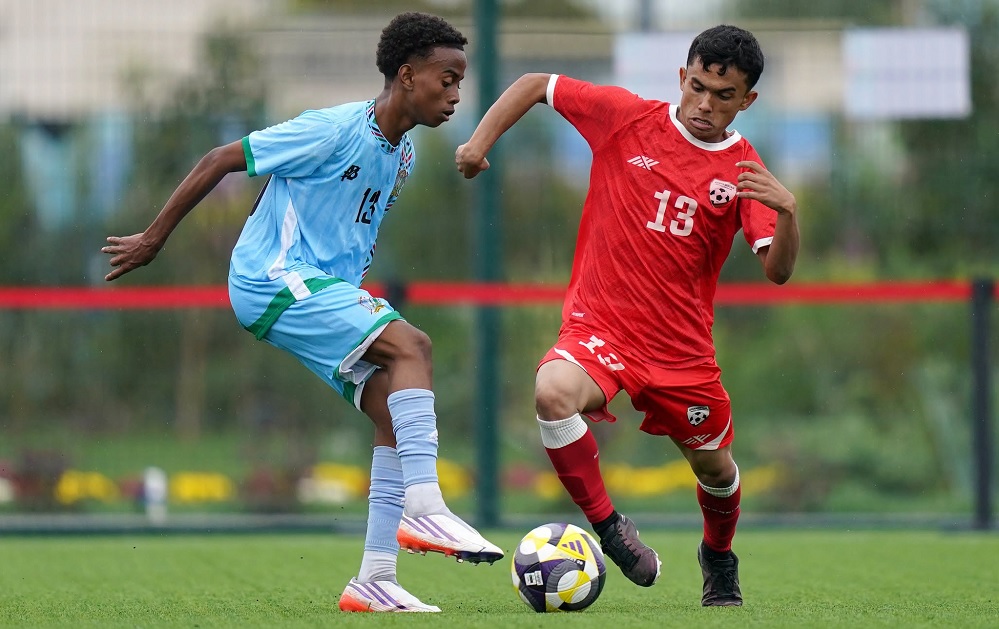
Afghanistan advance to Tier C at FIFA U-15 World Cup and Festival

Cricket Bonanza: Afghanistan set for packed international schedule

Afghanistan on climate front line as Kabul faces groundwater warning

ACB announces Afghanistan squads for Bangladesh, Zimbabwe series

Afghanistan to face Pakistan, India and Australia at 2027 Cricket World Cup

Four members of one family killed in Helmand in Pakistan airstrike
Saar: Pakistan threatening strikes on Afghanistan

Iran says outcome of Israeli elections ‘makes no difference’
Houthis attack Saudi Arabia before high-stakes talks in Tehran
Tahawol: Ukraine war and ongoing peace efforts
Saar: Obama’s remarks on Iran war
-
 Latest News5 days ago
Afghanistan’s new Wakhan road to China faces major hurdles
-
 Latest News3 days ago
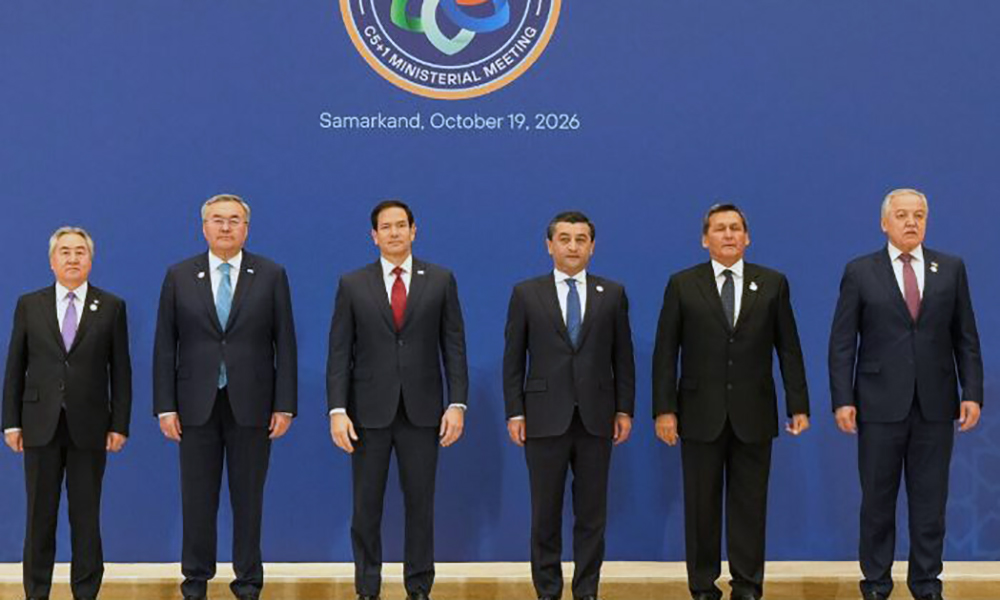
US Central Asia strategy faces challenges linked to Afghanistan’s political and security situation
-
 Business4 days ago
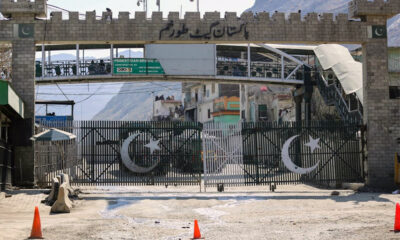
Pakistan exporters suffer billions in losses as Afghanistan trade halt continues
-
 Sport3 days ago
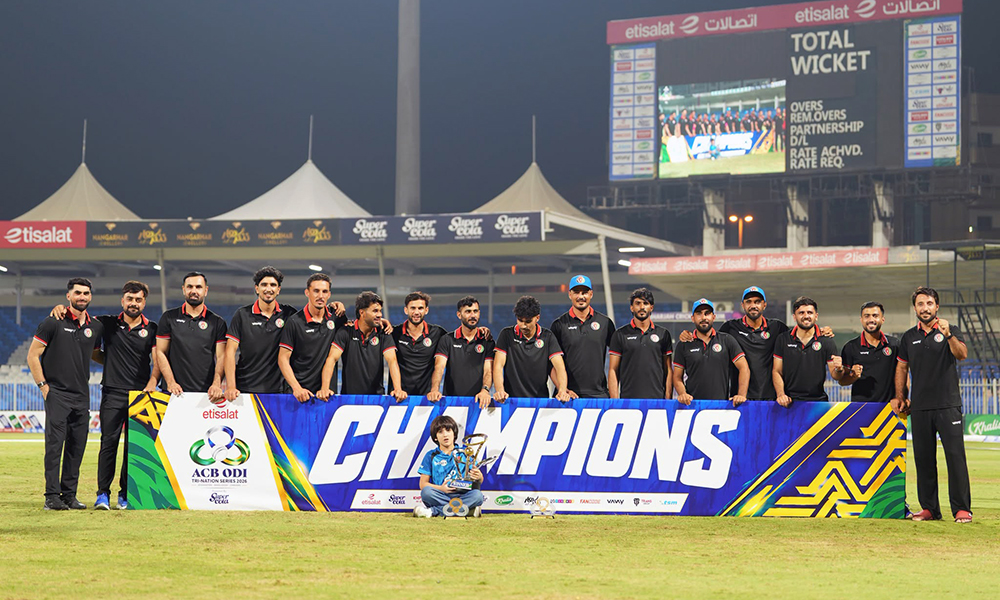
Afghanistan defeat Zimbabwe to win Tri-Series ahead of 2027 Cricket World Cup
-

 Business4 days ago
IMF forecasts 1.3 percent regional economic contraction in 2026
-
 Business3 days ago
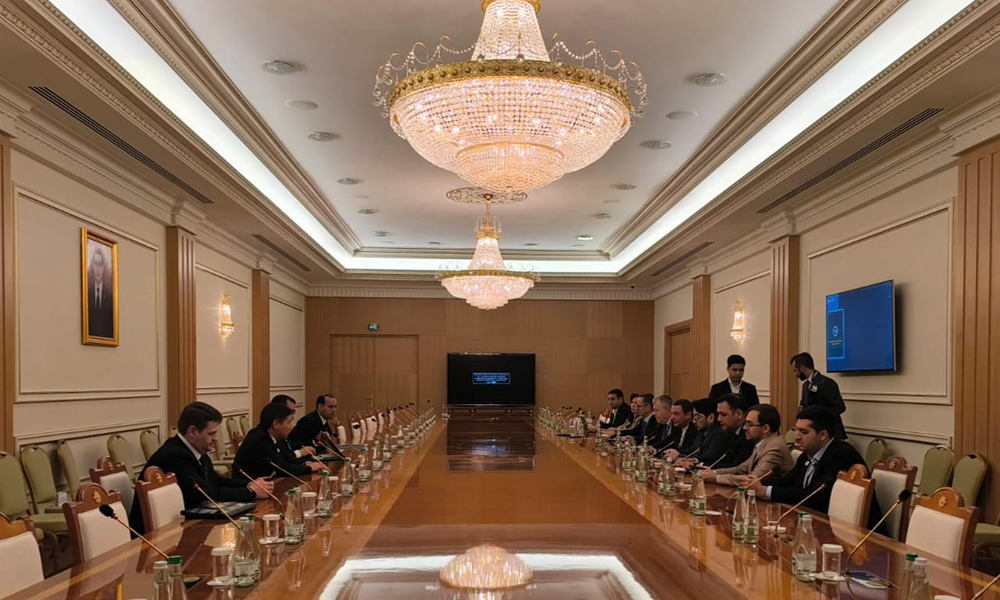
Turkmenistan targets 80 billion cubic meters of gas production in 2026
-
 Latest News4 days ago
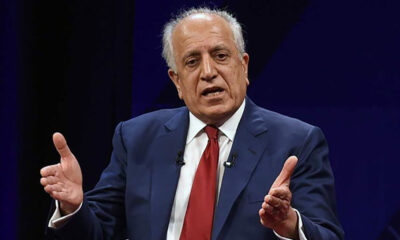
Khalilzad warns of worsening relations between Afghanistan and Pakistan
-
 Sport2 days ago
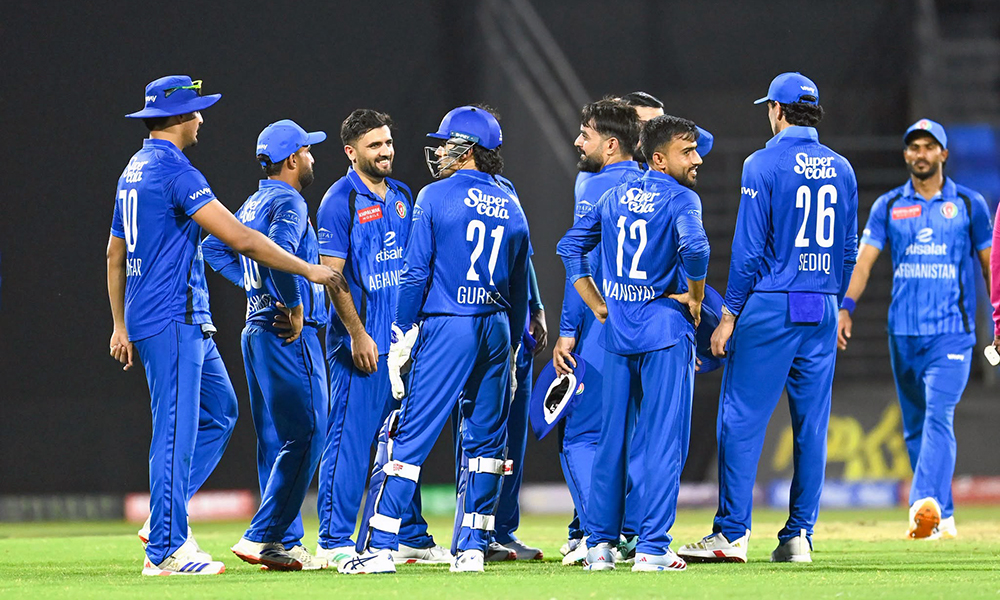
Afghanistan rise above England to match their highest-ever ODI ranking