
World
NATO allies reject US Hormuz blockade, push for diplomatic solution

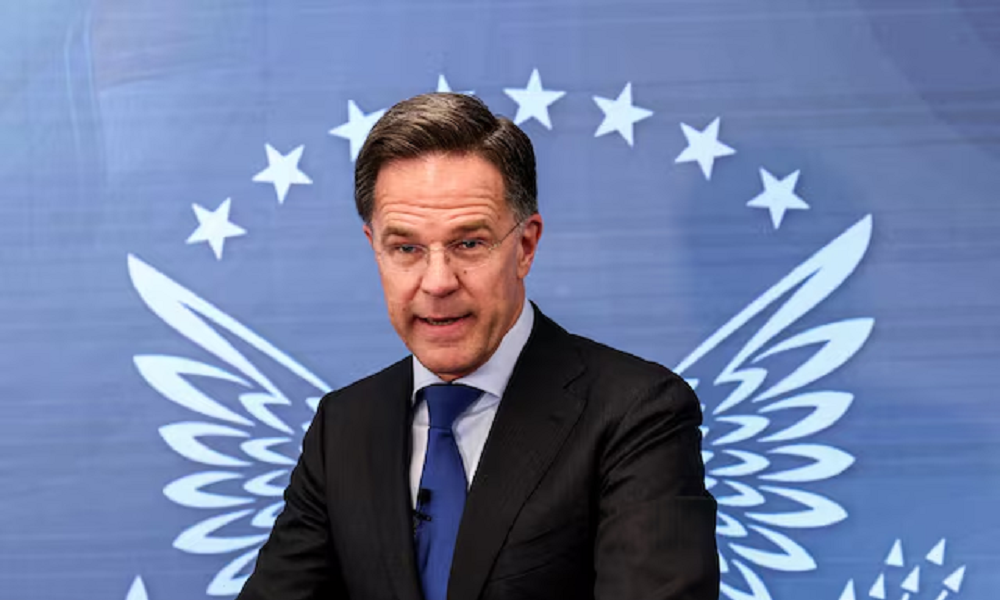
NATO allies including the United Kingdom and France have refused to join a U.S.-led plan to blockade the Strait of Hormuz, instead calling for a diplomatic approach to restore safe navigation through the critical shipping route.
The decision follows an announcement by US President Donald Trump that the United States would move to block maritime traffic linked to Iranian ports after talks to end the conflict with Iran failed.
U.S. officials later clarified that the measures would target vessels travelling to and from Iranian ports, rather than all shipping transiting the strait.
European leaders have distanced themselves from the move, stressing they do not want to be drawn further into the conflict. British Prime Minister Keir Starmer said London would not support the blockade despite what he described as “considerable pressure.”
Instead, European countries are working on alternative proposals aimed at reopening the waterway, through which roughly a fifth of global oil supplies normally pass.
French President Emmanuel Macron said France and the UK would convene a conference with international partners to establish a multinational mission focused on restoring freedom of navigation. He said the initiative would be strictly defensive and separate from ongoing hostilities, and could be deployed once conditions allow.
According to diplomatic sources, the proposed mission could involve around 30 countries, including several European and Gulf states, as well as India. The effort would aim to coordinate naval escorts for commercial vessels and establish guidelines for safe passage, while avoiding direct involvement in the conflict.
Mark Rutte has indicated that NATO could play a role in the region if member states reach consensus, although several countries have signalled they would only participate once there is a durable ceasefire and assurances that their vessels would not be targeted.
Since the conflict began in late February, Iran has largely restricted access to the strait, raising concerns over energy supplies and global trade.
European officials say diplomatic engagement remains the preferred path forward, with efforts focused on de-escalation and ensuring the safe flow of maritime traffic through one of the world’s most vital energy corridors.



World
Zelenskiy says letting Russia sell diesel to US is ‘investment in war’
“Gifts to Putin will not bring peace or any benefit to the civilised world,” Zelenskiy wrote on the X social media platform.
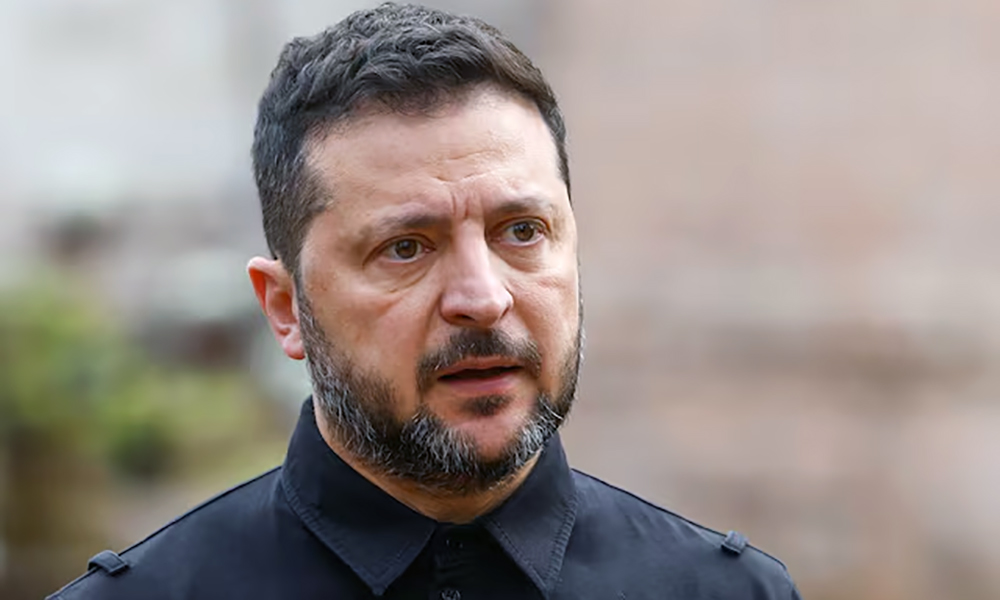
Ukrainian President Volodymyr Zelenskiy criticised an accord on Friday between the US and Russia allowing Moscow to provide the US with diesel, calling it “an investment in a war that must be ended.”
He dismissed the accord, which was announced while a Ukrainian delegation was in the US to discuss how to seek a resolution of the war with Russia, as “a weak decision on the part of strong partners”.
“Gifts to Putin will not bring peace or any benefit to the civilised world,” Zelenskiy wrote on the X social media platform.
“Russia will ‘repay’ the diesel with further terror and perfidy. Allowing Russia to sell petroleum products is an investment in a war that must be ended, not prolonged. What is needed is real de-escalation with Russia on a reciprocal basis,” Zelenskiy said.
Trump said in a post on social media that he had agreed in a call with Russian President Vladimir Putin that Russia would immediately supply diesel to the US and global marketplace. Trump said lower prices for Americans “is my Greatest Priority”.
Zelenskiy, speaking to reporters later on WhatsApp, said the accord would provide Moscow with additional funds to wage war and undermine any attempts to work towards a settlement.
“I believe our team is simply being used as a front. And that is certainly not fair, nor is it how partners should treat each other,” he said. “In my view, it is a weak decision on the part of strong partners.”
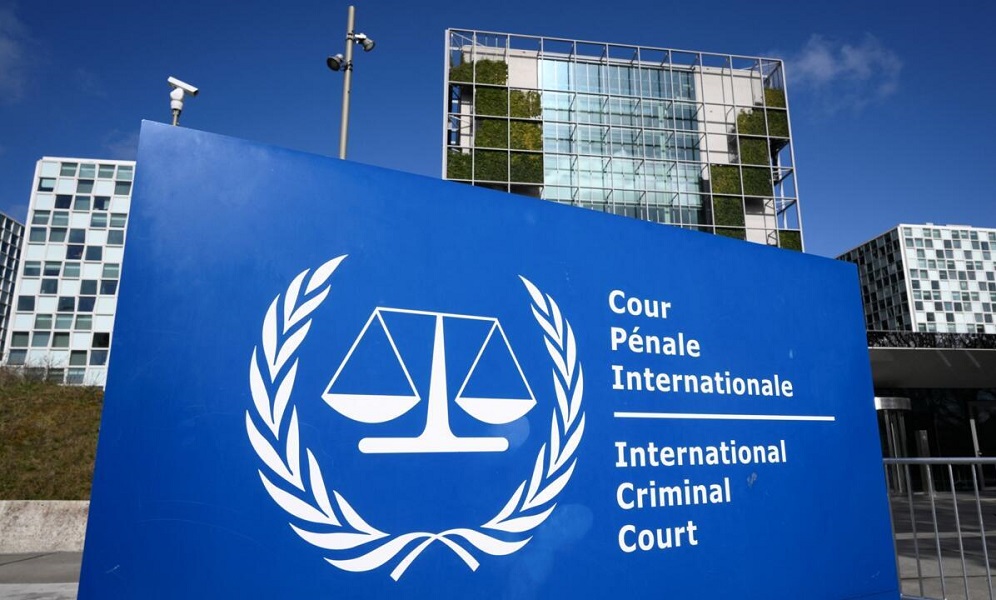
The administration of US President Donald Trump imposed sanctions on the International Criminal Court (ICC) on Friday, escalating tensions with the international judicial body and potentially straining relations with European allies.
US Secretary of State Marco Rubio said the measures aim to prevent the ICC from prosecuting American citizens and restrict the court’s resources and operations.
Washington has criticised the ICC over arrest warrants issued for Israeli Prime Minister Benjamin Netanyahu and other Israeli officials, as well as its past investigation into alleged crimes by US personnel in Afghanistan.
The ICC condemned the sanctions as an “assault on the rule of law” and vowed to continue its investigations and prosecutions. It also urged its 125 member states to defend the court’s independence.
The announcement came hours after former ICC judge Navi Pillay was awarded the Nobel Peace Prize, with the Nobel committee highlighting the importance of international justice amid political pressure on legal institutions.
The sanctions threaten to deepen the dispute between Washington and the ICC, raising concerns about international judicial cooperation and the court’s ability to carry out its work.
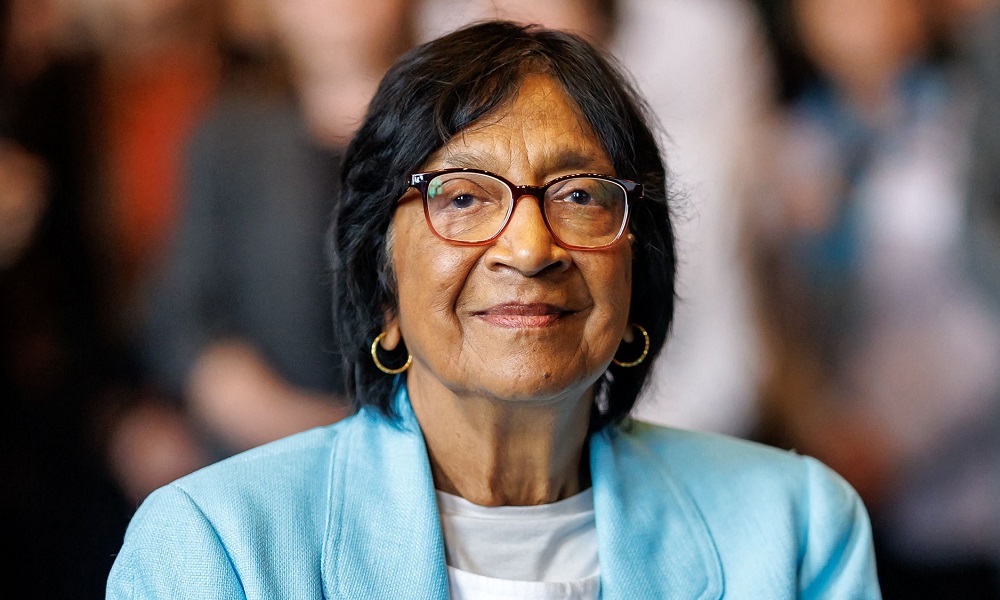
South African jurist Navi Pillay, a former judge at the International Criminal Court (ICC), won the 2026 Nobel Peace Prize on Friday for her efforts to promote peace and international law, as international justice institutions face growing political pressure.
The Nobel Committee announced the award hours before the United States imposed sanctions on the ICC, saying the recognition highlighted the importance of preserving an international order based on law and justice.
Pillay, 85, has served as a judge on several international courts, including the ICC and the International Criminal Tribunal for Rwanda. She also chaired a United Nations Commission of Inquiry on the Occupied Palestinian Territory, which concluded last year that Israel had committed genocide in Gaza. Israel rejected the report as “scandalous.”
The Nobel Committee warned that international law and its institutions were under significant pressure, cautioning that a shift towards power politics at the expense of legal frameworks threatened stability and peaceful coexistence.
The award comes amid escalating tensions between Washington and the ICC. US President Donald Trump has repeatedly criticised the court, particularly over its arrest warrants for Israeli Prime Minister Benjamin Netanyahu and his former defence minister.
Netanyahu’s office condemned the Nobel decision, accusing the committee of awarding its highest honour to someone it said had promoted allegations against Israel.
The award and the US sanctions have renewed international debate over the role of legal institutions in addressing alleged war crimes and protecting accountability under international law.


Houthi attack on Saudi airport kills 12, over 300 wounded, authorities say

Energy and Water Minister heads to Saudi Arabia for World Energy Forum

Saar: Ongoing expulsion of Afghan refugees from Iran and Pakistan discussed

Afghanistan trail Bangladesh by 135 runs at stumps on Day Two

Afghanistan placed in Tier 3 in US human trafficking report

EU and FAO launch €5m programme to strengthen Afghanistan’s agrifood sector

Omar Zawak, Toofan Herat secure victories in Afghanistan Champions League

Houthi advance in Yemen puts U.S. in a new bind

Cricket Bonanza: Afghanistan set for packed international schedule

New warnings reignite debate over AI threat to humanity
Saar: Ongoing expulsion of Afghan refugees from Iran and Pakistan discussed

Tahawol: CSTO meeting on Afghanistan reviewed

Saar: Guterres’s talks with Pakistani officials on Afghanistan discussed

Tahawol: Consequences of US war in Afghanistan reviewed

Saar: Expulsion of Afghan refugees from Pakistan discussed
-

 Latest News5 days ago
Ariana Afghan Airlines ends 15-year control of ticketing and operational systems by Pakistani firm
-
 World5 days ago
▶️Saudi Arabia, Turkey, Pakistan activate Mecca defense pact
-
 Regional5 days ago
Yemeni government forces seize strategic strait from Houthis
-
 Sport5 days ago
Aino Mina Kandahar defeat Istiqlal Kabul 3–2
-

 Health5 days ago
Russia investigates suspected pneumonic plague; Trump ready to ‘help’
-

 Latest News5 days ago
Thirty US states seek access to Afghan assets for 9/11 victims
-
 Regional2 days ago
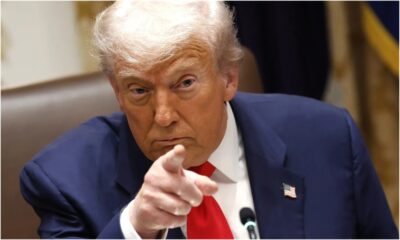
Trump says US will not attack Iran before midterm elections in November
-
 Latest News5 days ago
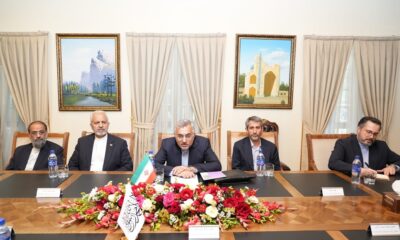
Iran offers cooperation on Herat-Mazar railway, mining and power generation