
Business
IEA issues new decree to regulate street vendors, boost urban order
The decree mandates that all municipalities adhere to urban planning standards in managing street vending activities.

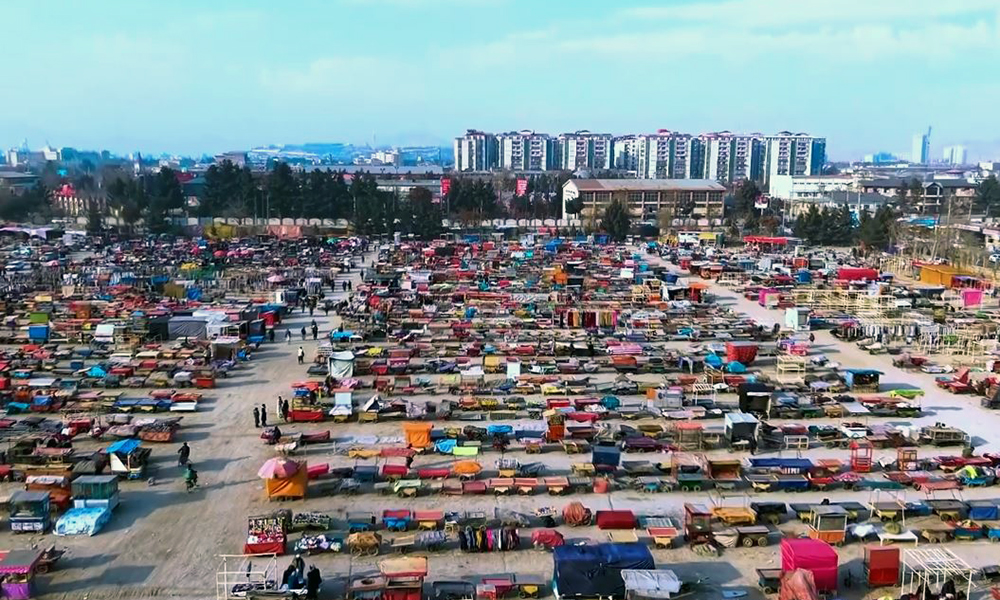
The leadership of the Islamic Emirate of Afghanistan has unveiled a new decree designed to regulate the operations of street vendors in cities across the country. The initiative seeks to create a more organized urban environment while simultaneously supporting small-scale entrepreneurs.
The decree mandates that all municipalities adhere to urban planning standards in managing street vending activities. Municipalities are instructed to designate specific areas for vendors, ensuring they have clearly marked and organized spaces to conduct business. These designated zones will be monitored to ensure compliance with both health and safety standards.
As part of the formalization of the street vending sector, vendors will be required to register and receive identification cards at no cost. The government aims to create a centralized database to track vendors’ personal details, the nature of their businesses, and their exact operating locations. This move is also intended to aid in ongoing monitoring, ensuring vendors comply with regulations and do not sell prohibited or expired goods.
In addition to these registration requirements, the decree stipulates that vendors must adhere to several conditions. These include maintaining cleanliness at their assigned spaces, refraining from selling illegal products, and avoiding the use of loudspeakers to attract customers.
To ensure compliance, the decree includes a system of enforcement. Vendors who violate the rules will first receive a written warning, while repeat offenders risk having their operating rights revoked. Authorities are committed to ensuring the decree’s effectiveness, with ongoing monitoring and corrective actions.
This new regulation represents a significant step in formalizing the street vending sector, supporting small businesses, and bringing a greater sense of order to Afghanistan’s urban areas.





Business
Afghanistan, Belarus discuss expanding industrial and trade cooperation
Particular attention was given to companies producing tractors, industrial machinery, and equipment and vehicles used in the mining sector.
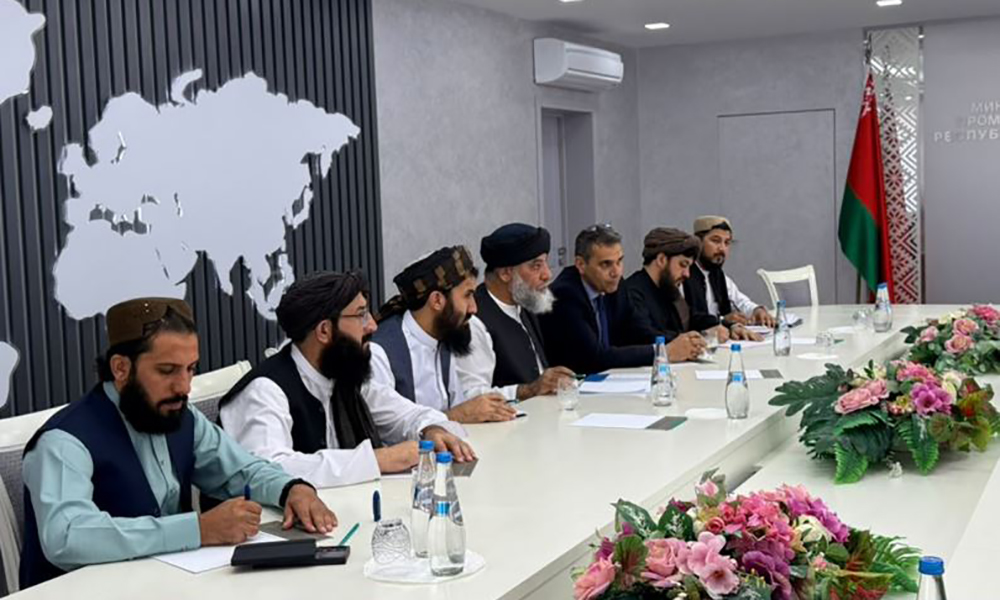
Afghanistan’s Minister of Industry and Commerce, Nooruddin Azizi, met with Belarus’ Minister of Industry during an official visit to the country.
The two sides discussed the establishment of manufacturing plants in Afghanistan, the regular organization of the Afghanistan-Belarus Business Forum, and follow-up on issues raised through the countries’ economic commission.
Belarusian officials expressed appreciation for Afghanistan’s participation in the country’s international industrial exhibition and voiced interest in expanding the presence of Belarusian manufacturing companies in Afghanistan.
Particular attention was given to companies producing tractors, industrial machinery, and equipment and vehicles used in the mining sector.
The second International Industrial Exhibition of Belarus is being held with the participation of around 500 companies from different countries. The exhibition has also attracted visitors from European and Asian countries.
Business
Afghanistan, Tajikistan seek stronger trade and investment ties
The two sides discussed increasing trade exchanges, establishing direct links between traders and investors, and organizing joint economic programs.
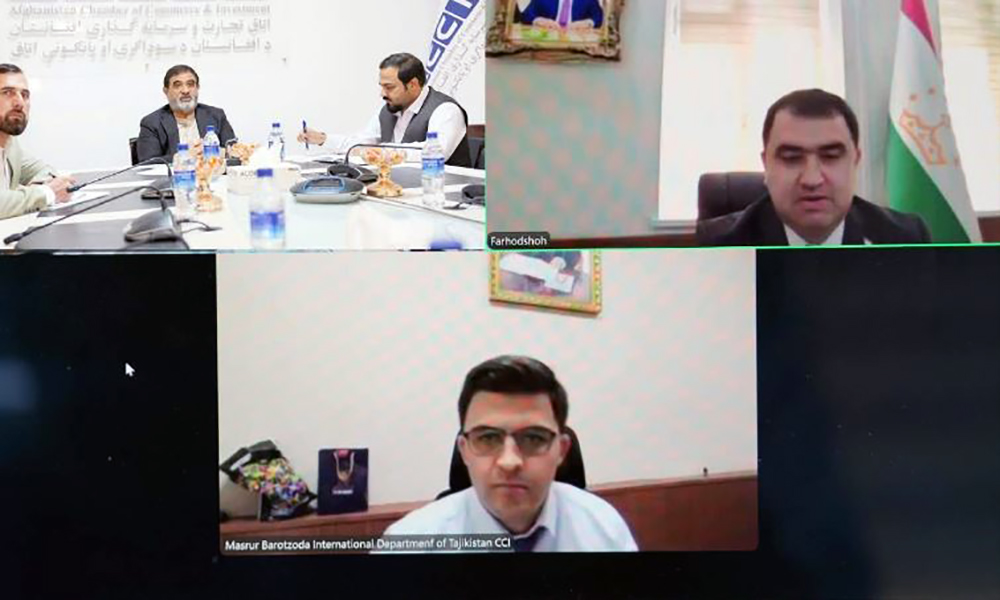
The heads of the chambers of commerce and industry of Afghanistan and Tajikistan have agreed to strengthen bilateral trade, promote investment and expand cooperation between the private sectors of the two countries.
Sayed Karim Hashemi, head of the Afghanistan Chamber of Commerce and Investment (ACCI), held an online meeting with Farhad Shah Rahman Alizoda, head of the Chamber of Commerce and Industry of Tajikistan, to discuss ways to expand economic ties.
The two sides discussed increasing trade exchanges, establishing direct links between traders and investors, and organizing joint economic programs.
Hashemi invited Tajik traders and investors to participate in the fifth Imam Abu Hanifa International Exhibition in Kabul.
Alizoda, meanwhile, invited an Afghan business delegation to attend a major trade and industrial exhibition in Dushanbe.
The two sides also stressed the importance of exchanging business delegations and developing long-term cooperation between the private sectors of Afghanistan and Tajikistan.
Business
Kazakhstan grain shipments to Afghanistan rise over 4-fold
Of the total, 7.2 million tons were transported for export, while 2.1 million tons were supplied to the domestic market.
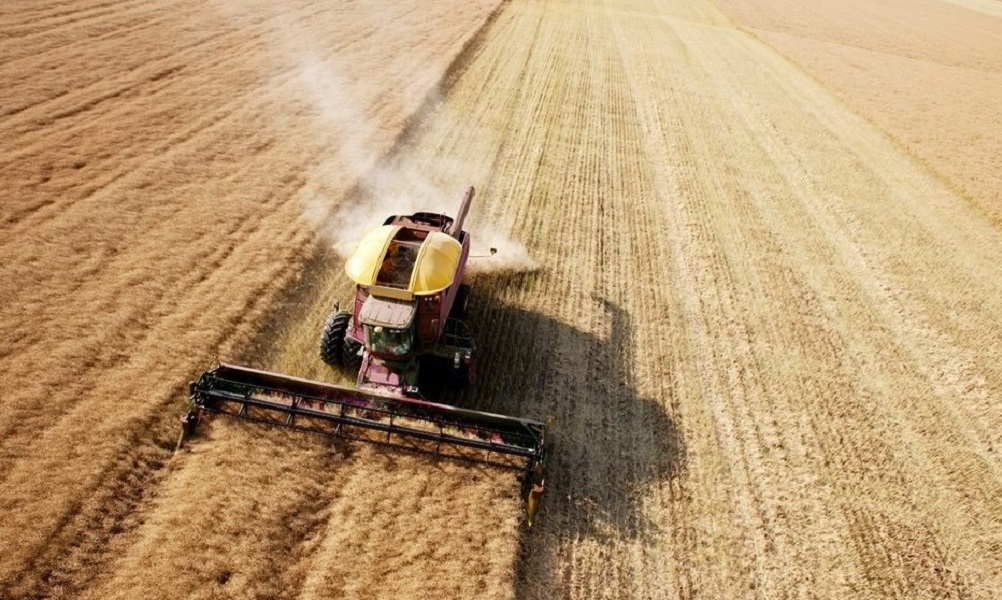
Grain shipments from Kazakhstan to Afghanistan increased 4.4 times in the first eight months of the year, reaching 655,000 tons, according to Kazakhstan’s Transport Vice Minister Zhanibek Taizhanov.
Speaking at a government meeting, Taizhanov said Kazakhstan transported 9.3 million tons of grain by rail during the period, a 13% increase compared with the same period in 2025.
Of the total, 7.2 million tons were transported for export, while 2.1 million tons were supplied to the domestic market.
Taizhanov said grain shipments to Central Asia increased by 37%, while shipments to China rose by 34%. Grain exports through Russian ports also increased by 9%.
Meanwhile, combined fodder exports rose by 38% to 2.6 million tons.
Earlier, Kazakhstan’s Vice Minister of Agriculture Azat Sultanov said the country plans to commission 15 additional vegetable storage facilities by the end of 2026, with a combined capacity of 129,000 tons.


Thirty US states seek access to Afghan assets for 9/11 victims

Yemeni government forces seize strategic strait from Houthis

Ariana Afghan Airlines ends 15-year control of ticketing and operational systems by Pakistani firm

Iran offers cooperation on Herat-Mazar railway, mining and power generation

IEA rejects ICC arrest warrants, says Afghanistan does not recognize court

Saudi energy group signs major Afghanistan deals covering gas exploration and pipeline plans

Khalilzad: Afghanistan ready to attract major investment

Messi returns to Inter Miami after Argentina retirement

Imam Abu Hanifa exhibition to draw exhibitors from more than 20 countries

Maryam Nawaz says Punjab faces greater security threats from neighbouring provinces

Tahawol: Afghanistan-Iran: shared opportunities and challenges discussed

Saar: Pakistan’s hostile policy toward Afghanistan discussed

Tahawol: Doha process seeks new cooperation opportunities

Saar: Moscow forum 8th consultative meeting on Afghanistan

Tahawol: Escalation of internal political crisis in Pakistan discussed
-
 Latest News5 days ago
Four members of one family killed in Helmand in Pakistan airstrike
-
 Sport4 days ago
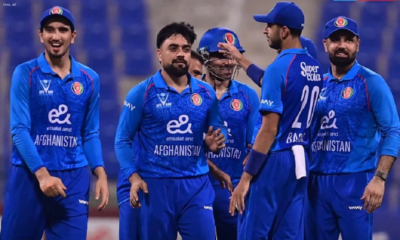
ACB announces Afghanistan squads for Bangladesh, Zimbabwe series
-
 Latest News4 days ago
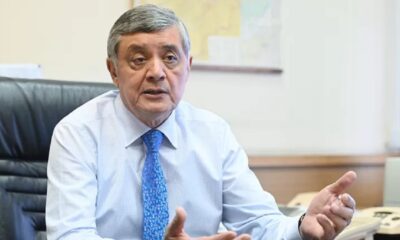
Russia expects to ease Afghanistan-Pakistan tensions at Moscow Format meeting
-

 Sport5 days ago
Rashid Khan, Azmatullah Omarzai maintain top spots in ICC ODI rankings
-

 International Sports4 days ago
Afghanistan to face Pakistan, India and Australia at 2027 Cricket World Cup
-
 Regional4 days ago
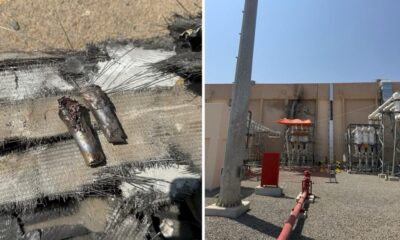
Saudi-led coalition says Houthis attacked power station for Prophet’s Mosque in Medina
-

 Sport21 hours ago
Cricket Bonanza: Afghanistan set for packed international schedule
-
 Regional4 days ago
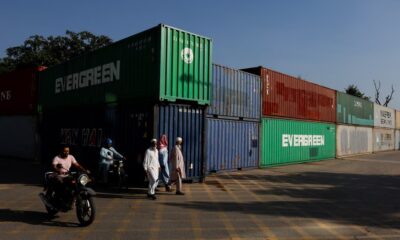
Cargo stacks up as Pakistan seizes containers to block capital routes