
Latest News
Afghan pilot told to rejoin air force or leave US protection

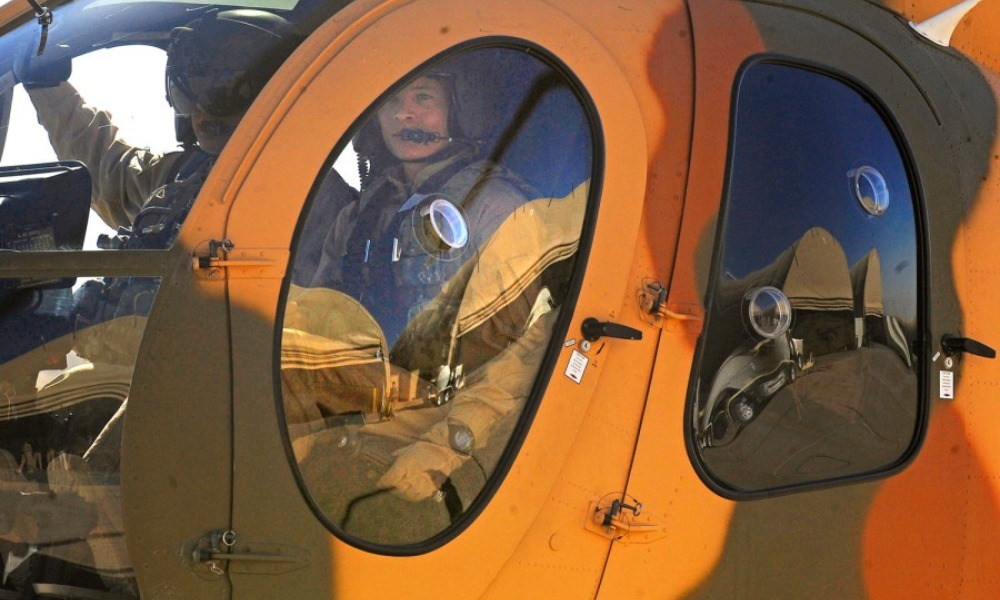
An Afghan major under US protection at an American base fears he could be in danger of being killed by the Taliban after being given an ultimatum following the Pentagon’s reversal on its asylum decision.
Major Mohammed Naiem Asadi, one of Afghanistan’s few elite attack helicopter pilots, his wife and four-year-old daughter had been approved in October to move to the US but this month that decision was overturned.
According to Asadi he has been told he will be forced to leave the US base in Afghanistan on Monday if he does not rejoin the Afghan Air Force, Stars and Stripes reported.
In a letter to US officials, Asadi’s lawyer Kimberly Motley said she was “extremely concerned” the major would be imprisoned and separated from his family if turned over to the Afghan military.
According to Stars and Stripes, the Afghan government has threatened to imprison pilots in the past for attempting to gain asylum in other countries.
For the last month, Asadi and his family have been living under US military protection, but on Sunday afternoon, US and Afghan military officers told Asadi that if he does not rejoin the Afghan Air Force, he will be forced to leave the base, Asadi told Stars and Stripes.
Meanwhile, the Afghan Defense Ministry has said it is committed to protecting him, Asadi said he doubts the Afghan government’s ability and willingness to protect him at a time when the country is witnessing a wave of assassinations by the Taliban.
Asadi meanwhile is said to have killed more Taliban than any other pilot in the Afghan Air Force during thousands of flight hours, Afghan and US military officers told Stars and Stripes.
In the summer, he protected an American pilot who crashed his A-29 Super Tucano attack turboprop in northern Afghanistan, a letter of commendation signed by US Air Force Captain Robert V. Yost said.
Asadi led a flight of two MD-530 attack helicopters that scrambled to protect the crash site in Taliban-contested territory, and Asadi’s efforts were vital to the pilot’s rescue, Yost wrote.
“The incident was just one of countless events where Maj. Asadi’s actions have protected and saved lives,” he wrote.
Asadi applied for asylum in the US under Significant Public Benefit Parole, a temporary status for noncitizens in need of protection. He then passed several background checks, with a US military contractor confirming the authenticity of the Taliban death threats he received, Stars and Stripes reported.
According to Motley, risks to Afghan pilots from the Taliban dramatically increase once it’s known they are applying for a visa to leave the country.
“It is also quite clear that the Afghan government cannot (or will not) protect the Asadi family from the Taliban,” Motley said in her letter. “They simply do not have the capacity or ability.”
Asadi told Stars and Stripes on Sunday he is concerned with what may happen to him and his family should they leave the base.
“It’s very scary for me,” Asadi said. “My wife, she knows too. She is very sad, she didn’t eat lunch or breakfast; we didn’t sleep last night. It’s a very bad situation.”






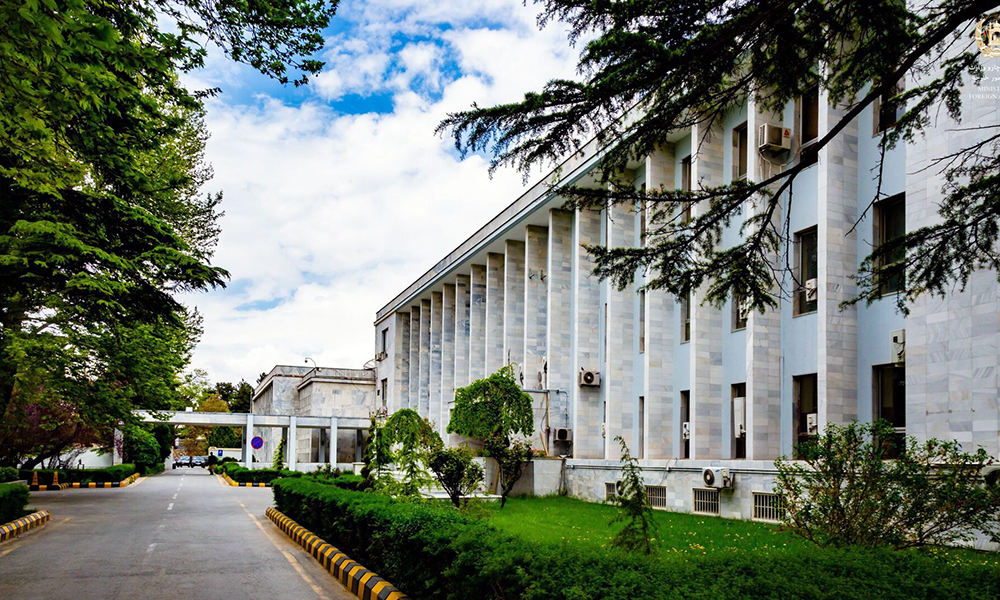
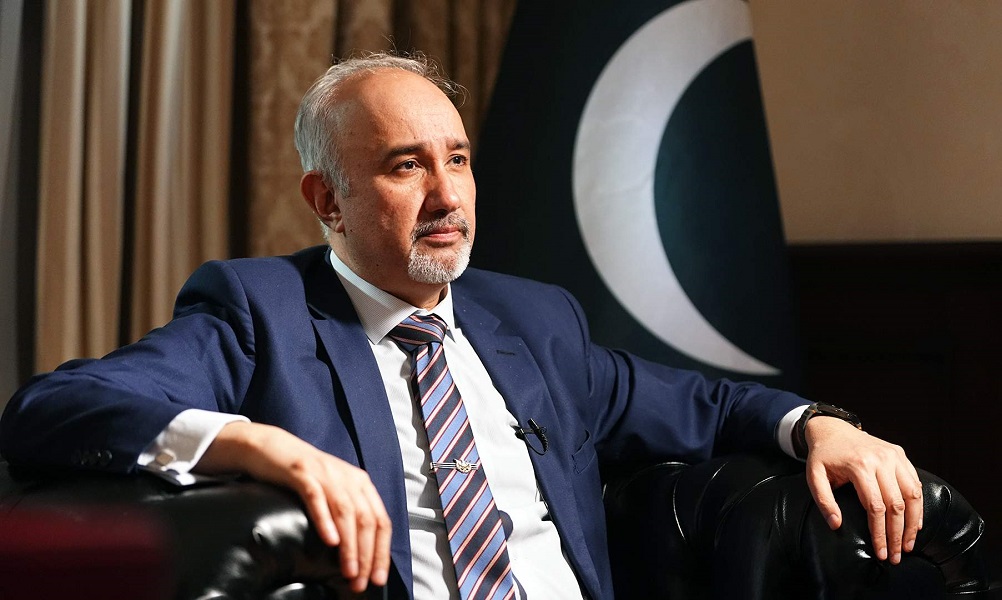
Pakistan’s ambassador to Russia, Faisal Niaz Tirmizi, has confirmed that Islamabad has asked Moscow to mediate in the ongoing conflict with Afghanistan.
In an interview with Russian daily Izvestia, Tirmizi said Pakistan is engaging with Russia and appreciates the “wonderful offer” to help resolve tensions. He noted that proposals from Russia, China, Qatar, Turkey, and Saudi Arabia led to an agreement on a temporary ceasefire.
“We tell all our interlocutors: please tell the Taliban (IEA) not to use this opportunity simply to regroup, recuperate, rearm, and re-attack,” Tirmizi said. “Because such large states as Russia or Pakistan cannot be destabilized by terrorist acts.”
The ambassador emphasized that decades of war in Afghanistan have affected not only Kabul and Islamabad but also neighboring countries, including Iran, Tajikistan, Turkmenistan, Uzbekistan, and even Russia. “Therefore, we must all trade with each other, develop education, art, and culture. Terrorism is the wrong way to go,” he added.
The appeal for mediation comes amid rising cross-Durand Line tensions and violence that have killed hundreds and displaced thousands in recent weeks.
Pakistani officials have repeatedly claimed that militant attacks in the country are organized in Afghanistan.
The IEA however denies the claim saying that Afghanistan is not responsible for Pakistan’s “security failure.”
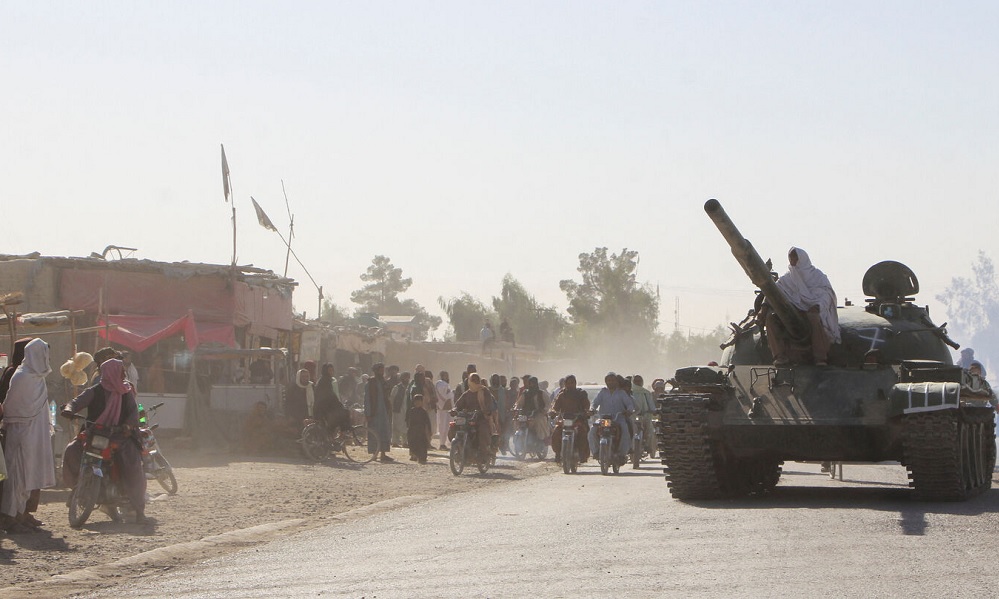
In an opinion article published on Sunday, Financial Times warned that rising tensions between Afghanistan and Pakistan risk spiraling into a wider conflict, and urged the international community to urgently re-engage with the troubled region.
The publication noted that nearly five years after the Islamic Emirate’s return to power, global attention has largely faded, despite growing instability. It highlighted restrictions on women’s rights and the worsening relationship between Kabul and Islamabad, once close allies.
According to the article, Pakistan’s ties with the IEA have sharply deteriorated since 2021. Islamabad accuses Afghan authorities of harboring militant groups responsible for attacks inside Pakistan—an allegation the IEA denies.
Recent weeks have seen a surge in violence, including cross-Durand Line airstrikes and clashes that have reportedly killed over 1,000 people and displaced more than 100,000. One of the deadliest incidents involved an airstrike on a drug rehabilitation center in Kabul, which Afghan officials say killed hundreds.
The newspaper warned that continued escalation could destabilize South and Central Asia and risk turning Afghanistan into a hub for militant activity once again.
It criticized Pakistan’s military approach, saying airstrikes alone cannot end insurgencies, and called for sustained ceasefire efforts following a temporary truce during Eid al-Fitr.
The editorial urged major powers, including the United States and China, to play a more active diplomatic role. It also pointed to China’s strategic interests in the region and suggested Beijing could step forward as a mediator.
Despite past failed attempts at peace, the Financial Times stressed that the risks are too high for the world to remain disengaged.


Iran says coastal attack will lead to full Gulf closure and mine-laying

Afghanistan expresses condolences after deadly helicopter crash in Qatar

IPL 2026: Ishan Kishan named Sunrisers’ interim captain ahead of opening clash

Pakistan seeks Russian mediation to resolve Afghanistan tensions

World must re-engage to prevent all-out Afghanistan-Pakistan war: Financial Times

Pakistani military jet downed in Afghanistan’s Jalalabad, pilot captured alive

Afghan Air Force conducts airstrikes in Islamabad, other cities

Prominent Muslim scholar issues fatwa calling for Afghanistan-Pakistan ceasefire

Afghan air force strikes key Pakistani military installations in retaliatory operation

IEA: Special circle in Pakistan has launched mission to destabilize region

Tahawol: Possibility of US ground forces entering Iran war discussed

Saar: Using US prisoners as political pressure

Tahawol: Pakistan’s efforts to destabilise Afghanistan

Saar: Decline in international assistance to Afghanistan

Tawsia: Assessment of Afghanistan’s economic activities in 1404
-
 Latest News5 days ago
IEA announces temporary pause in defensive operations against Pakistan for Eid
-
 Latest News4 days ago
Pakistani shelling hits Kunar districts despite ‘pause in hostility’ over Eid
-

 Sport3 days ago
Afghanistan national buzkashi falls short in Kokpar World Championship semifinals
-

 Regional4 days ago
Pakistan among top nuclear threats to America, US intelligence chief tells senate
-

 Latest News5 days ago
UNAMA puts death toll from Pakistan’s attack on Kabul’s Omid Hospital at 143
-
 Latest News4 days ago
Peshawar High Court grants bail to 68 detained Afghan nationals, including minors
-

 Sport2 days ago
Ireland to host Afghanistan for ODI series in August
-
 World4 days ago
US weighs troop deployment as Iran war enters new phase