
Afghanistan has the potential to become an electricity exporter: Deputy PM
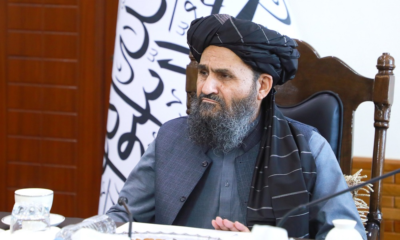
Meanwhile, the head of Da Afghanistan Breshna Sherkat (DABS), Abdul Bari Omar, said that Afghanistan has the capacity for investment of up to $5 billion in the electricity sector and they are trying to provide more facilities to the people.

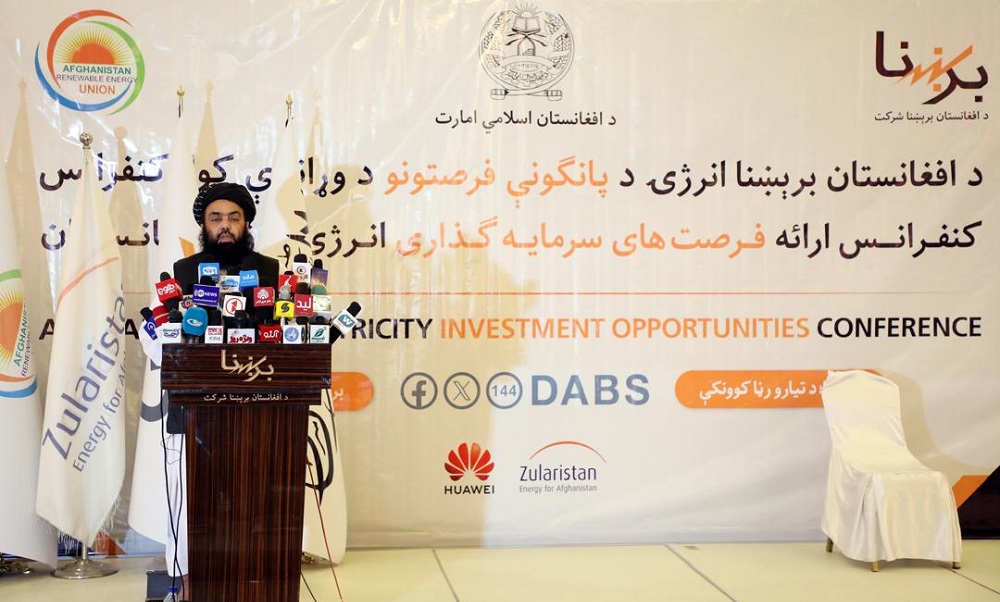
Mawlawi Abdul Kabir, deputy prime minister for political affairs, said on Monday Afghanistan had the potential to become an electricity exporter, but it still imports its power.
He made the remarks at a conference on Afghanistan’s electricity investment opportunities.
“Afghanistan has great potential to generate electricity,” he said. “This conference will introduce opportunities for domestic and foreign investors. I hope this conference will prove to be important for attracting investment in the energy sector. For a war-torn country like Afghanistan, it is important to use its resources to strengthen the economy, produce energy and become self-sufficient. Afghanistan can become an energy producer and exporter in the region by using its resources.”
Meanwhile, the head of Da Afghanistan Breshna Sherkat (DABS), Abdul Bari Omar, said that Afghanistan has the capacity for investment of up to $5 billion in the electricity sector and they are trying to provide more facilities to the people.
He called on the international community not to politicize the issue of electricity and continue its assistance in the fight against climate change.
“There are many problems in the grids, substations, junctions and transmission lines,” he said. “People should know that we did not inherit a system from the previous administration that is sound. The transmission line from Tajikistan and Uzbekistan is very weak, not having enough capacity to transmit the required electricity. Our technical waste of electricity is 13 percent. The Islamic Emirate has reduced technical losses by up to five percent.”
According to Omar, strongmen and politicians of the former government owe 2 billion Afghanis to DABS.
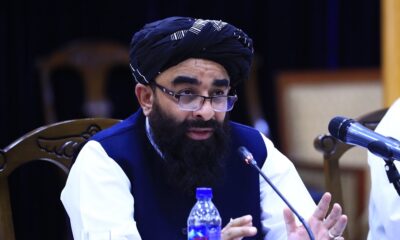
Meanwhile, Acting Minister of Industry and Commerce Nooruddin Azizi said that manufacturing companies are suffering from a shortage of electricity.
“In the near future, we will have 800 companies requesting land in the capital,” Azizi said. “We need 50 to 100 MW of electricity for each company.”
Acting Minister of Information and Culture Khairullah Khairkhah also highlighted the role of the media in reflecting the country’s prosperity and progress.
At the conference, DABS officials said that in addition to repairing the grids, they need to repair the electricity meters, and more than 500,000 meters are still not included in the system.







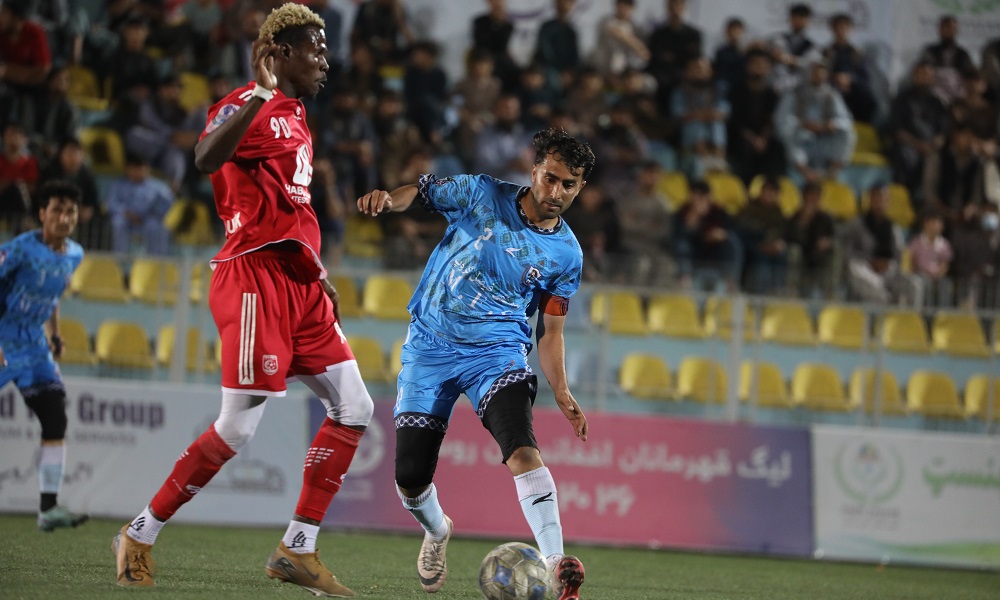
Toofan Herat secured a 2–1 victory over Khurasan Faryab in the Afghanistan Champions League on Thursday, earning three points in the sixth season of the competition.
Enayatullah Kohi was named Man of the Match in Thursday’s game.
The result gives Toofan a second win of the campaign after the Herat side opened the season with a 3–1 victory over Istiqlal Kabul.
Toofan subsequently lost 2–0 to Ariana Khost and 3–1 to Sorkh Poshan Khafi before returning to winning ways against Khurasan.
The sixth season of the Afghanistan Champions League features 10 teams and is being played in a two-stage, home-and-away format, with the competition scheduled to run until November 21.
Ariana Radio and Television Network (ATN) is broadcasting all Afghanistan Champions League matches live and exclusively in Afghanistan. Fans can follow ATN’s social media platforms for schedules, results, updates and highlights.
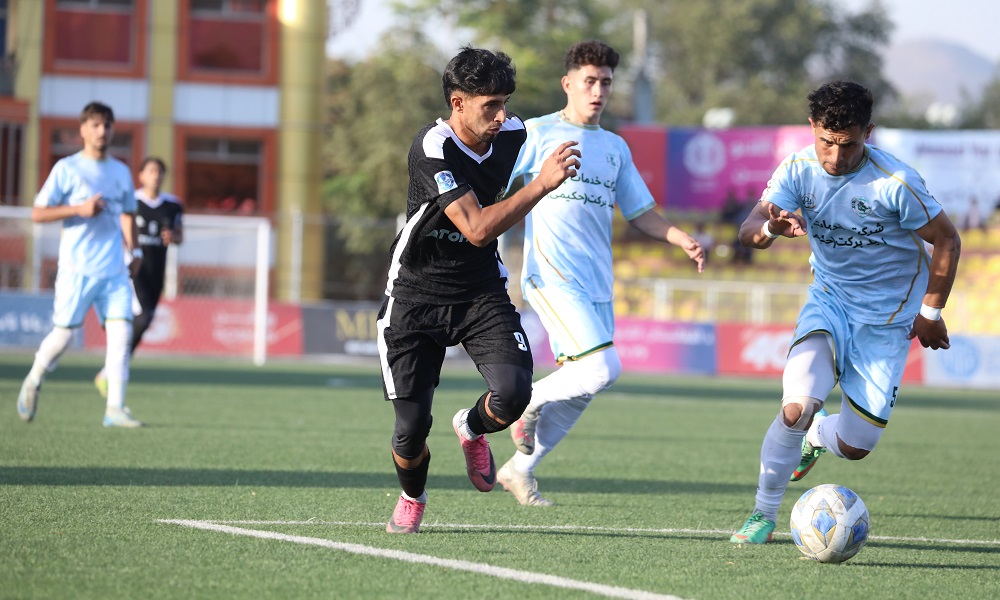
Ariana Khost defeated Sarsabz Yashlar Faryab 2–1 in the 20th match of the sixth season of Afghanistan Champions League Roshan on Thursday in Kabul.
Neither side managed to find the net in the first half despite several attempts, with the opening 45 minutes ending goalless.
In the second half, Sarsabz Yashlar defender Feroz Rahmani accidentally headed the ball into his own net while attempting to clear it in the 74th minute, giving Ariana Khost the lead.
Three minutes later, Waris Shirzai doubled Ariana Khost’s advantage in the 77th minute.
Sarsabz Yashlar pulled one back in the 87th minute when Farid Ahmad Hussainzada scored a spectacular long-range goal, but Ariana Khost held on to secure a 2–1 victory.
Ariana Khost’s Alireza Rahimi was named Player of the Match after an impressive performance.
Ariana Khost will face Sorkh Poshan Khafi on September 28, while Sarsabz Yashlar will take on Arman FC on the same day.
The sixth season of the Roshan Afghanistan Champions League is being broadcast live on Ariana Television.


Toofan Herat beat Khurasan Faryab 2–1 in Afghanistan Champions League

Tahawol: Discussion on fresh Pakistani airstrikes on Afghanistan

Afghanistan Champions League: Ariana Khost beat Sarsabz Yashlar 2–1

Khalilzad warns Pakistan-Afghanistan tensions likely to worsen after fresh airstrikes

Saar: Calls for international support for Afghanistan discussed

Saudi energy group signs major Afghanistan deals covering gas exploration and pipeline plans

ATN secures exclusive rights to broadcast T20I series in India across Afghanistan

Trump floats idea of renaming Atlantic or Pacific Ocean

US hits Egyptian bank branches with Iran sanctions as war marks six months

Nepal flood rescue mission enters critical phase as thousands remain missing
Tahawol: Discussion on fresh Pakistani airstrikes on Afghanistan
Saar: Calls for international support for Afghanistan discussed

Tahawol: Opening of the 81st UN General Assembly Session

Saar: OIC Assessment of Afghanistan’s humanitarian and development situation discussed

Tahawol: Reactions to Pakistan’s attacks on Afghanistan discussed
-
 Sport3 days ago
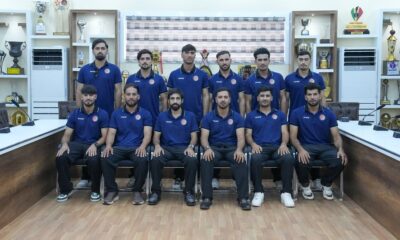
Afghanistan to face Japan and Nepal in Asian Games cricket group stage
-
 Latest News4 days ago
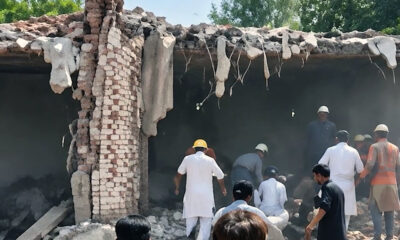
Pakistan says Kohat attackers had roots in Afghanistan
-
 Latest News5 days ago
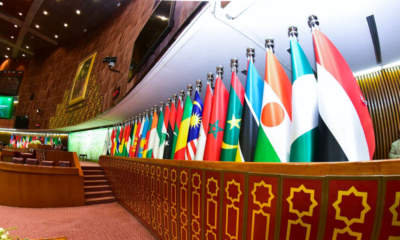
OIC to hold Afghanistan Contact Group meeting on sidelines of UN General Assembly
-
 Regional5 days ago
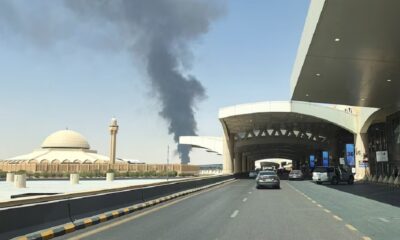
Flames, smoke seen near Riyadh airport; Houthis claim attacks on Saudi capital
-
 Regional4 days ago
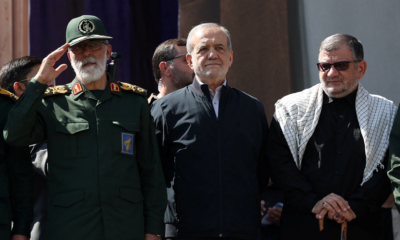
Iran and US trade threats after Houthi attacks escalate regional conflict
-
 Business4 days ago
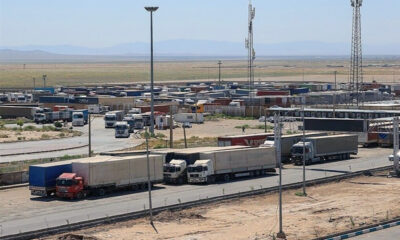
Dogharoun handles 60% of Iran’s exports to Afghanistan
-

 World3 days ago
CNN, MS NOW and Politico sue Trump, challenging White House ban
-
 World5 days ago
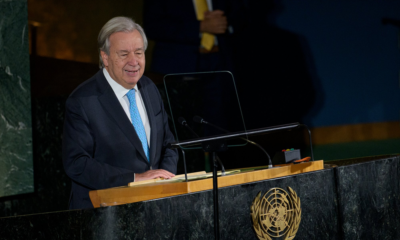
World leaders return to UN amid wars in Middle East and Ukraine