
Latest News
Afghanistan launches 40-megawatt solar power project in Logar to tackle energy shortage
Baradar further reiterated the Islamic Emirate’s commitment to achieving energy independence through renewable sources, including solar, wind, and hydropower.

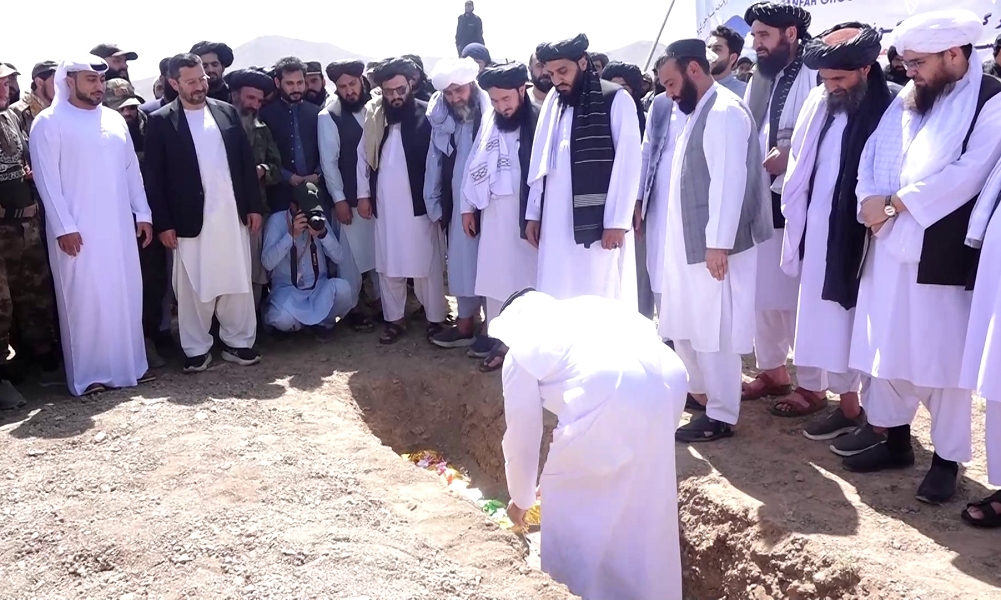
The Islamic Emirate of Afghanistan on Thursday officially launched construction of a 40-megawatt solar power generation project in Mohammad Agha District of Logar Province, marking a major step in the country’s drive toward energy self-sufficiency.
The implementation phase was inaugurated by Mullah Abdul Ghani Baradar Akhund, Deputy Prime Minister for Economic Affairs, who hailed the project as a critical development for Logar’s economy and for Afghanistan’s broader energy infrastructure.
The project, valued at a combined total of $35.6 million, includes the installation of a large-scale solar power plant and the construction of a 126 MVA substation along with extended transmission lines.
Speaking at the inauguration ceremony, Baradar emphasized that electricity remains one of the most essential pillars of national development. “Afghanistan has vast energy generation resources, but due to past neglect, these assets were not utilized properly,” he said. “As a result, we have remained dependent on imported electricity, spending hundreds of millions of dollars annually.”
He noted that the new project will help alleviate the chronic electricity shortage in the region, especially for the Mohammad Agha Industrial Park, while also creating new employment opportunities and stimulating industrial growth. The plant, once completed, is expected to supply electricity to approximately 40,000 households.
Baradar further reiterated the Islamic Emirate’s commitment to achieving energy independence through renewable sources, including solar, wind, and hydropower. He stressed the importance of effective water resource management and the need for strategic planning to harness
Afghanistan’s renewable energy potential. The Deputy Prime Minister also called on contractors to uphold high standards of quality and to ensure that construction is completed on schedule.
The Logar solar power initiative is one of several energy projects launched by the current administration to improve national electricity coverage, particularly in underserved rural areas.
The government views investment in renewable energy as both a cost-saving measure and a means of stabilizing the country’s industrial and agricultural sectors.
The project’s launch comes amid ongoing progress in Afghanistan’s private energy sector, most notably by Bayat Power, the country’s largest private energy company and a key force in transforming the national energy landscape.
Bayat Power is best known for launching Bayat Power-1, Afghanistan’s first gas-fired power plant, located in Sheberghan, Jawzjan province.
Commissioned in 2019, the facility uses clean-burning natural gas from Afghanistan’s own reserves and has since then, produced over 1 billion kilowatt-hours of electricity, powering homes, hospitals, schools, mosques and businesses across the country.
In addition to power generation, Bayat Power is focused on energy infrastructure development, workforce training, and technology transfer. The company is committed to expanding into solar and hybrid energy, with plans underway to deploy new renewable energy projects aimed at stabilizing the grid and serving high-demand industrial zones.
By investing in local talent and technology, Bayat Power has positioned itself as a trusted partner in Afghanistan’s broader energy strategy, which aims to reduce imports, cut costs, and build resilience through diversified and domestic energy sources.
Together, the public and private sectors are beginning to reshape Afghanistan’s energy future—creating a foundation for sustainable development, industrial growth, and regional cooperation through projects like Bayat Power’s expanding network and the Logar solar plant.





Latest News
Iran says nearly 60,000 Afghan students attend its universities, urges more refugee aid
Iran has hosted millions of Afghan refugees and migrants, with access to education, healthcare and other essential services remaining key concerns for Afghan communities.
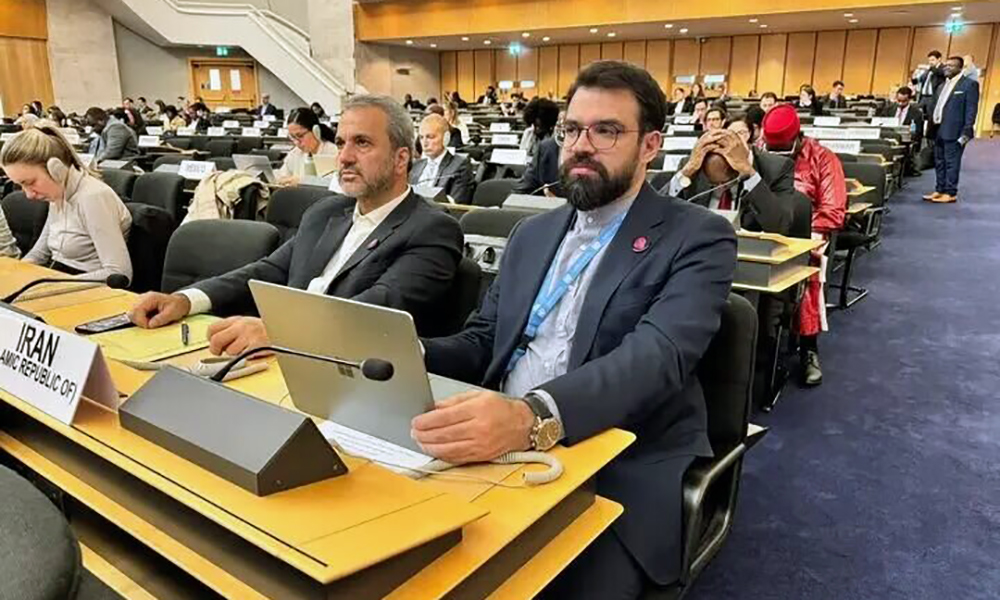
Nearly 60,000 Afghan students are enrolled at Iranian universities and scientific institutions, an Iranian official said, calling for increased international assistance to countries hosting refugees.
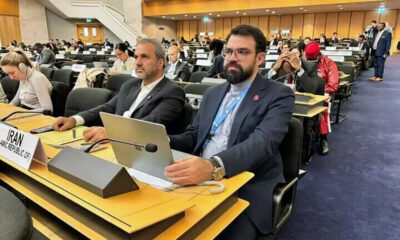
Nader Yar-Ahmadi, head of Iran’s Bureau for Aliens and Foreign Immigrants Affairs, gave the figures during the 77th annual session of the UN refugee agency’s Executive Committee in Geneva.
He said 59,658 Afghan students were studying at Iranian institutions, while many others had graduated. Yar-Ahmadi added that Iran continued providing education and healthcare to refugees despite international sanctions and economic pressures.
Iran Calls for More Funding
Yar-Ahmadi said international support for refugee-hosting countries remained inadequate and urged the global community to share responsibility more fairly.
He said annual funding requirements for UNHCR operations in Iran had been estimated at around $140 million in recent years, but less than 10% of the required amount was funded in 2025.
UN High Commissioner for Refugees Barham Salih thanked Iran for hosting refugees over several decades.
Iran has hosted millions of Afghan refugees and migrants, with access to education, healthcare and other essential services remaining key concerns for Afghan communities.
The remarks renew calls for greater international burden-sharing as countries hosting displaced populations face mounting economic and social pressures.
Latest News
Uzbekistan gains ground in Afghanistan’s flour market as Kazakhstan loses exports
Russian flour exporters are also facing increasing challenges in maintaining their position in Afghanistan as competition across regional markets intensifies.
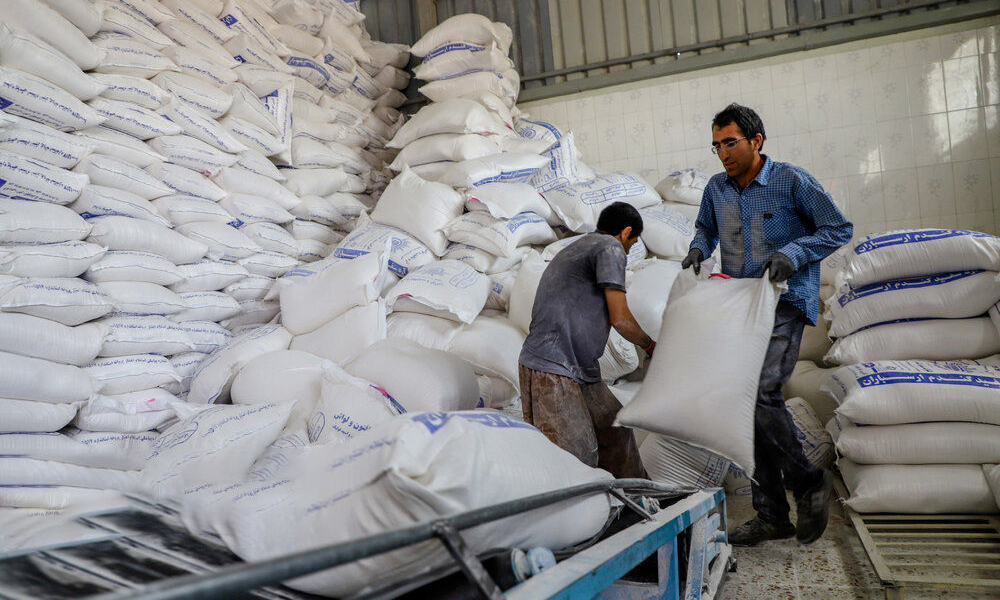
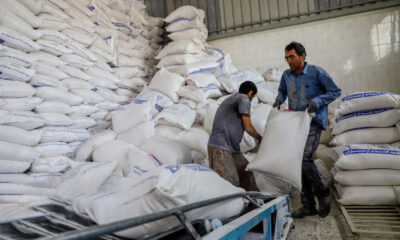
Uzbekistan is strengthening its position in Afghanistan’s wheat flour market, intensifying competition for traditional suppliers Kazakhstan and Russia, according to a representative of Kazakhstan’s grain processing industry.
Yevgeny Gan, chairman of the board of founders of Kazakhstan’s Union of Grain Processors, said Uzbekistan exported approximately 1.6 million tonnes of flour worth $441.7 million in 2025. Afghanistan accounted for 99.9% of these shipments, highlighting the country’s importance as a destination for Uzbek flour.
Kazakhstan has been among the biggest losers from the shift. Gan said Kazakh flour exports to Afghanistan fell by around 200,000 tonnes in 2025 compared with the previous year, as Uzbek producers strengthened their competitive position.
Lower transportation costs and the absence of transit tariffs along relevant trade routes have helped Uzbek flour producers offer more competitive prices in the Afghan market, Gan said.
The changing trade pattern has created an unusual dynamic in the regional grain industry. Uzbekistan relies heavily on wheat supplied by Kazakhstan, processes the grain in its own mills and then exports the finished flour to Afghanistan.
This means Kazakhstan continues to supply a key raw material to its neighbour while its own flour processors face growing competition from Uzbek producers in one of their important export markets.
Russian flour exporters are also facing increasing challenges in maintaining their position in Afghanistan as competition across regional markets intensifies.
According to the report, Russian suppliers are looking towards alternative destinations, including China, to offset mounting competitive pressure.
The developments highlight how transport costs, domestic processing capacity and access to efficient trade routes are reshaping agricultural trade across Central Asia. Countries able to process grain and deliver flour at competitive prices are gaining an advantage in regional markets.
For Afghanistan, the figures underline the country’s strong reliance on regional suppliers for wheat flour and the growing role of Uzbekistan in meeting that demand.
However, the reported export figures do not establish whether the shift in suppliers has affected flour prices in Afghanistan or reduced costs for consumers.
Latest News
Afghanistan, Saudi Arabia discuss solar and wind energy cooperation
The discussions covered potential energy projects, technical expertise sharing and joint initiatives to develop renewable energy resources.
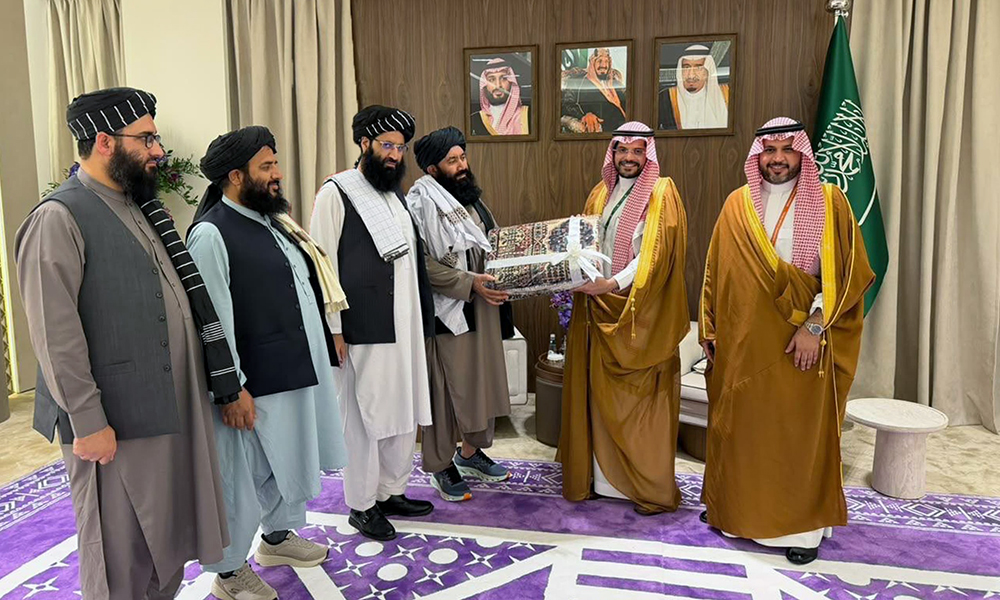
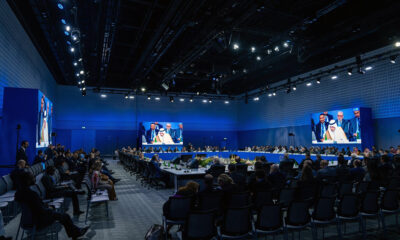
Afghanistan and Saudi Arabia have discussed expanding cooperation in renewable energy, with a focus on developing solar and wind power projects, Afghanistan’s Ministry of Water and Energy said.
The ministry said Water and Energy Minister Mohammad Younus Akhundzada, accompanied by a delegation, met Saudi Deputy Minister of Energy Mohammad Ibrahim during an official visit to the Kingdom.
The discussions covered potential energy projects, technical expertise sharing and joint initiatives to develop renewable energy resources.
Akhundzada invited the Saudi deputy minister and technical officials to visit Afghanistan to assess opportunities for cooperation. Ibrahim welcomed the invitation and said a technical team would visit Afghanistan in the near future, according to the ministry.
The planned visit is expected to focus on identifying investment opportunities in Afghanistan’s energy sector and exploring practical ways to implement joint projects.
The discussions come as Afghanistan seeks to expand its domestic electricity generation capacity, attract foreign investment and develop renewable energy resources to meet growing demand for power.


Iran says nearly 60,000 Afghan students attend its universities, urges more refugee aid

School roof collapse kills teacher, 21 children in NW Pakistan

Uzbekistan gains ground in Afghanistan’s flour market as Kazakhstan loses exports

IsDB urges MENAP countries to boost economic resilience and private investment

Afghanistan, Saudi Arabia discuss solar and wind energy cooperation

Cricket Bonanza: Afghanistan set for packed international schedule

UN warns of mounting humanitarian and human rights pressures in Afghanistan

Afghanistan says 28 killed, 32 captured in Nuristan operation

CNN, MS NOW and Politico sue Trump, challenging White House ban

Silk Road highway in Wakhan corridor now reaches the China border

Tahawol: Kyrgyzstan’s rejection of Afghan refugees discussed

Saar: Central Asia’s trade alternative to Pakistan discussed

Tahawol: Warnings over worsening insecurity in Pakistan discussed

Saar: Concerns over potential return of US military bases to Afghanistan discussed

Tahawol: Kabul’s criticism of Islamabad’s policy toward Afghanistan
-

 Regional4 days ago
Houthis warn airlines to avoid Saudi airports after deadly Riyadh attack
-

 World3 days ago
One dead in new attack on Saudi airport, a day after Houthi strike kills 13
-

 Sport4 days ago
Afghanistan Champions League second half to kick off on October 16
-

 World4 days ago
14 killed in two separate mass shootings across the United States
-
 Regional3 days ago
Pakistan deploys military to Peshawar after emergency rule declared
-
 Business4 days ago
Afghanistan signs nearly $400 million in regional trade and investment deals
-

 Health5 days ago
WHO calls for greater mental health support in Afghanistan
-

 Sport4 days ago
Bangladesh take 329-run lead against Afghanistan in one-off Test