
Latest News
Afghanistan, Mexico designated as major drug hubs

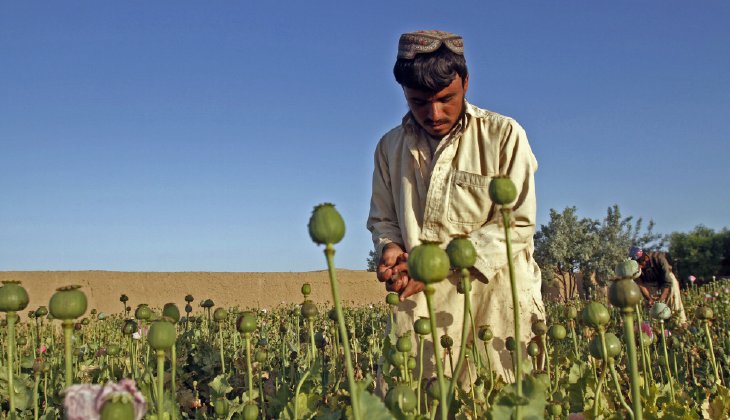

President Obama on Monday designated 22 countries, including Afghanistan, Burma and Mexico, as “major drug transit and/or major illicit drug producing countries.”
The White House was careful to note that countries working to combat the drug trade can still wind up on the annual list because of a “combination of geographic, commercial, and economic factors that allow drugs to transit or be produced.”
Bolivia, Burma, which is now called Myanmar, and Venezuela were singled out as failing “demonstrably during the previous 12 months to adhere to their obligations under international counter-narcotics agreements,” according to the presidential determination sent to Secretary of State John Kerry.
Obama also declared that helping Burma and Venezuela fight drug producing and trafficking is “vital to the national interests of the United States.”
“[I]llegal poppy cultivation in Afghanistan is among the most difficult international drug-control problems,” Obama stated, adding that it has been the world’s largest poppy producer for 15 of the last 16 years.
Burma, which the Obama administration recently re-established ties with and is allowing U.S. businesses to invest in, and Laos are the next two biggest opium producers.
“[C]ountering illegal drug cultivation in Burma and Laos will require strengthening of state institutions and sustainable economic development,” Obama stated.
Obama praised Colombia, Haiti and Peru for their efforts to stamp out illegal drug production and trafficking.
“While Peru remains the top cocaine producer in the world, the Peruvian government has a comprehensive five-year counter-narcotics strategy to aggressively eradicate illicit coca, implement alternative development programs, interdict illicit narcotics and reduce domestic drug abuse,” Obama stated.
Although not on the list officially, Obama said China’s production of certain chemicals that can be used in synthetic drugs is of concern.
“The international community is also taking steps to focus attention on illegal drug activity in China, especially precursor chemicals produced in China that are diverted from legitimate commerce to criminal elements for the production of illicit plant-based and synthetic drugs,” he stated.
The following 22 countries were designated as major drug producers or gateways for fiscal 2016, a list that is unchanged from last year: Afghanistan, The Bahamas, Belize, Bolivia, Burma, Colombia, Costa Rica, Dominican Republic, Ecuador, El Salvador, Guatemala, Haiti, Honduras, India, Jamaica, Laos, Mexico, Nicaragua, Pakistan, Panama, Peru and Venezuela.
Obama noted that next April, the United Nations is convening a special session focusing on combating drug production and trafficking globally.
Source: Washington examiner

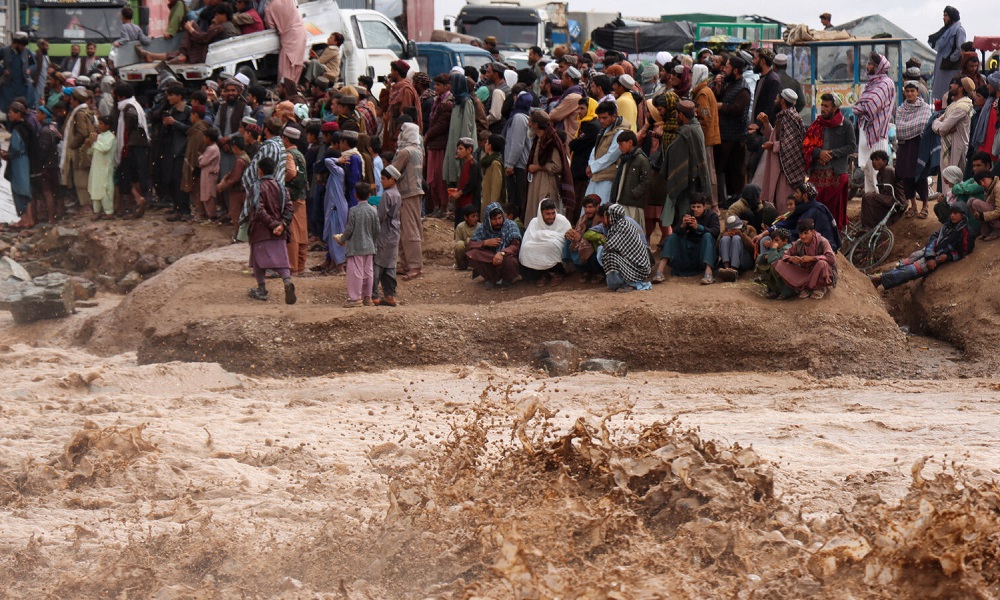
The National Disaster Management Authority (NDMA) of Afghanistan, in cooperation with international partners, has stepped up emergency response efforts following recent heavy rains, floods and other natural disasters that have caused widespread loss of life, injury and property damage across the country.
In Kandahar province, the NDMA, under a memorandum of understanding with Save the Children, distributed food and non‑food assistance to 109 families whose homes were damaged by recent floods and heavy rain.
With financial and technical support from IOM, WFP, CHA, UNHCR, UNFPA and Save the Children, aid packages were provided following detailed surveys. Items delivered included mattresses, food packages, health and hygiene kits and tents.
The Kandahar NDMA stated that supporting disaster‑affected families remains a core responsibility and expressed gratitude for ongoing humanitarian cooperation.
Afghanistan has been hit by intense rainfall and extreme weather over the past week, triggering flash floods, landslides and damage in multiple provinces. According to the NDMA, more than 110 people have died, at least 160 were injured, and seven others were reported missing due to these conditions over the past 11 days.
The flooding has caused extensive destruction, including the complete loss of nearly 1,000 homes, partial damage to over 4,000 houses, and flooding of more than 15,000 acres of farmland.
Roads, irrigation systems and critical infrastructure have also been damaged, disrupting travel and access to essential services.
In Nangarhar province, heavy rains caused the collapse of mud‑brick house roofs, killing at least five people and injuring others, underscoring the vulnerability of rural housing in Afghanistan’s remote areas.
Nationwide impact and weather risks
The NDMA released video updates explaining casualty figures and showing the scale of damage from recent natural disasters nationwide, including impacts from extreme weather over the past 24 hours. The authority continues to monitor conditions and coordinate response efforts.
Meteorological and agriculture agencies have noted that ongoing rainfall could benefit spring crops but also heightens the risk of further flooding in vulnerable regions. The FAO has warned that while increased moisture supports agriculture, heavy precipitation raises flood risks, particularly in urban and rural flood‑prone areas.
Other Natural Disasters
In addition to flooding, a 5.8‑magnitude earthquake struck the Hindu Kush region on April 3, killing at least 8–12 people and injuring several more. Homes were damaged in multiple provinces, demonstrating Afghanistan’s exposure to seismic hazards.
The NDMA continues to issue warnings and advisories to residents across several provinces to stay away from rivers and flood‑prone zones as unstable weather persists. Emergency teams, together with national and international partners, are conducting ongoing assessments to guide further relief efforts and damage mitigation.
Latest News
Former Australian soldier to remain in custody over Afghan war crimes charges
Roberts-Smith was denied bail by police and taken to Silverwater Correctional Complex in western Sydney, where he spent the night.
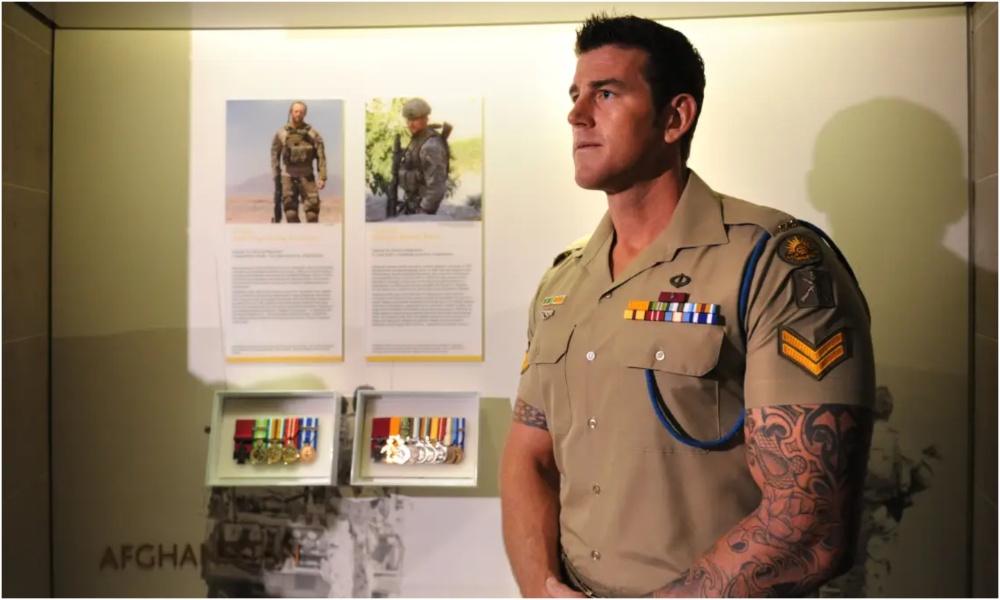
Ben Roberts-Smith, Australia’s most decorated living soldier, will remain in custody following his arrest on multiple alleged war crimes in Afghanistan, local media reported Wednesday.
The 47-year-old former member of the elite Special Air Services Regiment was arrested on Tuesday and charged with five counts of war crimes, relating to the deaths of five civilians between 2009 and 2012. Each charge carries a maximum penalty of life imprisonment.
Roberts-Smith was denied bail by police and taken to Silverwater Correctional Complex in western Sydney, where he spent the night. He did not participate via video link in a bail hearing on Wednesday morning.
His lawyer, Jordan Portokalli, told the court he would not be seeking bail and requested an in-person hearing later in the day. A formal bail review hearing has been scheduled for April 17 in a Sydney courthouse.
Roberts-Smith, a six-tour veteran of Afghanistan from 2006 to 2012, was celebrated as a national hero and awarded several top military honours, including the Victoria Cross, the highest military decoration for members of the armed forces in Britain and the Commonwealth.
The Australian Federal Police allege that the victims were unarmed civilians, detained and under Australian control at the time of their deaths, and were either shot by Roberts-Smith or by his subordinates acting under his orders and presence.
These charges follow a joint investigation launched in 2021 by the AFP and the Office of the Special Investigator, established to examine alleged criminal conduct by Australian defence personnel.
Roberts-Smith has consistently denied any wrongdoing.
Allegations first surfaced in 2018 through a series of articles by Nine Entertainment newspapers. He later contested the claims in what became Australia’s most expensive defamation trial, in which he was found, on the balance of probabilities, to have been involved in the killing of four Afghan civilians.
Latest News
Hundreds displaced as Afghanistan–Pakistan clashes deepen crisis
A new report, covering the period from mid-March to early April, highlights the severe impact of ongoing shelling, airstrikes, and armed clashes along the disputed Durand Line.
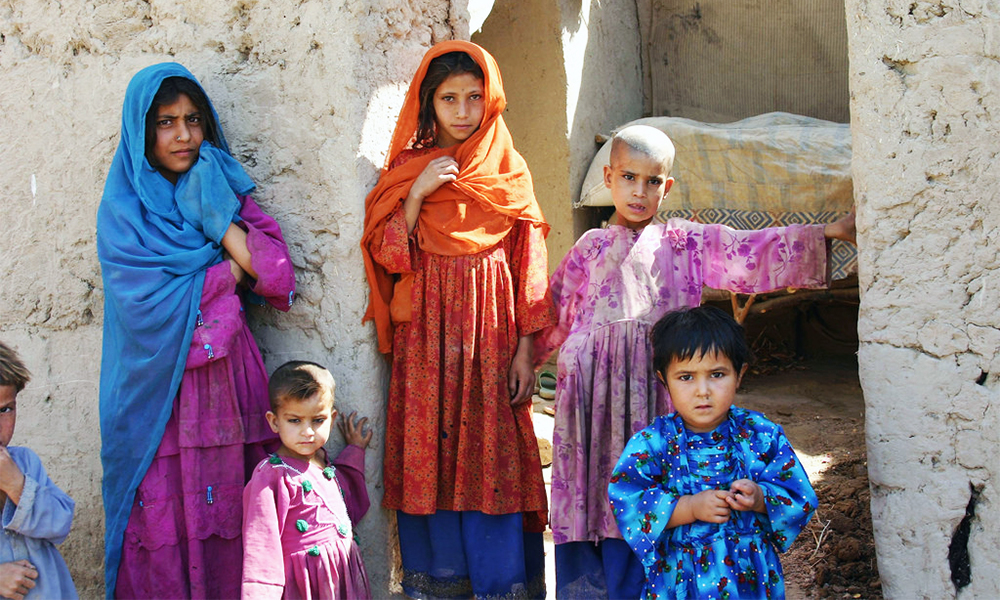
A new report by the United Nations Office for the Coordination of Humanitarian Affairs (UNOCHA) warns that escalating fighting between Pakistan and Afghanistan has triggered a growing humanitarian crisis, with tens of thousands displaced and critical infrastructure damaged.
The situation report, covering the period from mid-March to early April, highlights the severe impact of ongoing shelling, airstrikes, and armed clashes along the disputed Durand Line.
Civilian casualties have reached several hundred, including children and at least one humanitarian worker.
Mass displacement and infrastructure damage
According to the report, more than 94,000 people have been displaced across eastern provinces, including Khost Province, Kunar Province, Nangarhar Province, Paktia Province, and Paktika Province. Assessments are ongoing in other affected areas such as Nuristan Province.
The violence has also taken a heavy toll on public infrastructure. At least 25 health facilities and 41 schools have been damaged, closed, or forced to suspend operations, disrupting access to healthcare, nutrition services, and education.
In one of the most significant incidents, a Pakistani airstrike on March 17 destroyed the Omid Addiction Treatment Hospital in Kabul. Additional damage has been reported to a market in Paktika, a fuel depot in Kandahar, and several religious sites in Kunar and Nuristan. At least 345 homes have been destroyed or severely damaged.
Isolated communities cut off from aid
The report noted that humanitarian access remains a major concern, particularly in remote districts of Nuristan. Nearly 100,000 people in Bargematal and Kamdesh districts have been cut off from assistance since late February due to ongoing hostilities and dangerous access routes.
The main road connecting these areas has become unusable amid reports of cross-Durand Line firing by Pakistan, leaving residents without access to markets or medical services. Severe shortages of food and essential supplies have been reported, while local health facilities are facing critical stock shortages.
Efforts to establish an alternative route through the Poprak Pass are underway, but officials say it is unlikely to become operational in the near term.
Tensions and explosive hazards
The Torkham crossing briefly reopened on March 26, allowing a small number of Afghans to return before closing again hours later. The same day, an unexploded ordnance incident injured three children, underscoring the growing danger posed by explosive remnants of war.
Mine action teams have faced increasing challenges due to insecurity and funding shortages. The number of active teams has dropped significantly over the past two years, limiting the ability to clear hazardous areas despite Afghanistan having one of the highest rates of explosive ordnance casualties globally.
Humanitarian response under strain
Despite the challenges, aid agencies continue to provide assistance. By the end of March, thousands of families had received emergency food supplies, shelter support, medical aid, and cash assistance. Education programs have also resumed in some areas, reaching several thousand students.
However, humanitarian officials warn that needs continue to outpace available resources. Funding gaps and access constraints are hindering efforts to deliver life-saving assistance to those most affected.
Ongoing risks
Although a temporary ceasefire was observed during the Eid period, hostilities have continued before and after the holiday, particularly in eastern and southeastern regions.
Humanitarian agencies caution that without sustained de-escalation and improved access, the crisis could worsen further, leaving vulnerable communities increasingly exposed to displacement, food insecurity, and limited access to basic services.


Snooker fever grows as Kabul prepares for Ariana Championship

Aid distributed to flood-affected families as severe weather causes widespread damage

Pakistan PM holds 45-minute call with Iranian President

Former Australian soldier to remain in custody over Afghan war crimes charges

Hundreds displaced as Afghanistan–Pakistan clashes deepen crisis

IEA Supreme Leader issues Eid-ul-Fitr message urging unity and support for Islamic system

14 Pakistani soldiers killed after military post falls along Durand line: MoD

IEA supreme leader orders replacement of foreign terminology in official documents

Afghan airstrikes target Pakistani military sites in retaliation for air attacks

Turkmenistan, Afghanistan discuss steps to speed up land acquisition for TAPI pipeline

Tahawol: Ongoing negotiations between Kabul-Islamabad discussed

Saar: Afghanistan in spotlight of SCO discussed

Tahawol: Continuation of Middle East crisis discussed

Saar: Ongoing Kabul-Islamabad talks in China discussed

Tawsia: This week’s key economic developments in Afghanistan discussed
-
 Latest News3 days ago
IEA supreme leader orders replacement of foreign terminology in official documents
-
 Latest News3 days ago
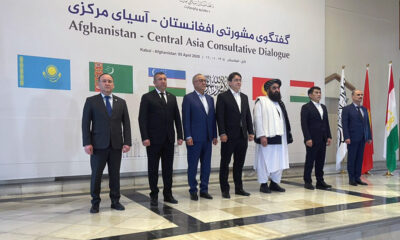
Afghanistan hosts inaugural Afghanistan–Central Asia Consultative Dialogue to strengthen regional cooperation
-

 Business4 days ago
Kazakhstan eyes rare metals mining projects in Afghanistan and Rwanda
-
 Latest News4 days ago
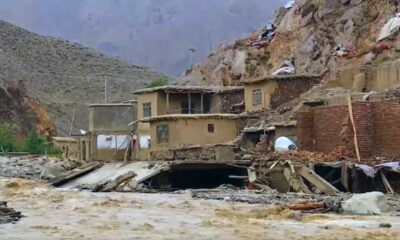
Severe rainfall and natural disasters cause heavy casualties across Afghanistan
-
 Latest News4 days ago
Afghan citizens reported among casualties in US, Israeli attacks, Iran says
-
 Latest News4 days ago
Kabul to host ‘Afghanistan–Central Asia Consultative Dialogue’ tomorrow
-
 Latest News3 days ago
IEA accuses Pakistan of war crimes amid heavy civilian losses
-
 Saar4 days ago
Saar: Ongoing Kabul-Islamabad talks in China discussed