
Latest News
Afghanistan ready to import up to 1 million tons of corn from Kazakhstan annually
Officials highlighted that with Kazakhstan’s strong grain harvest this year, there is significant potential to increase exports to the Afghan market.

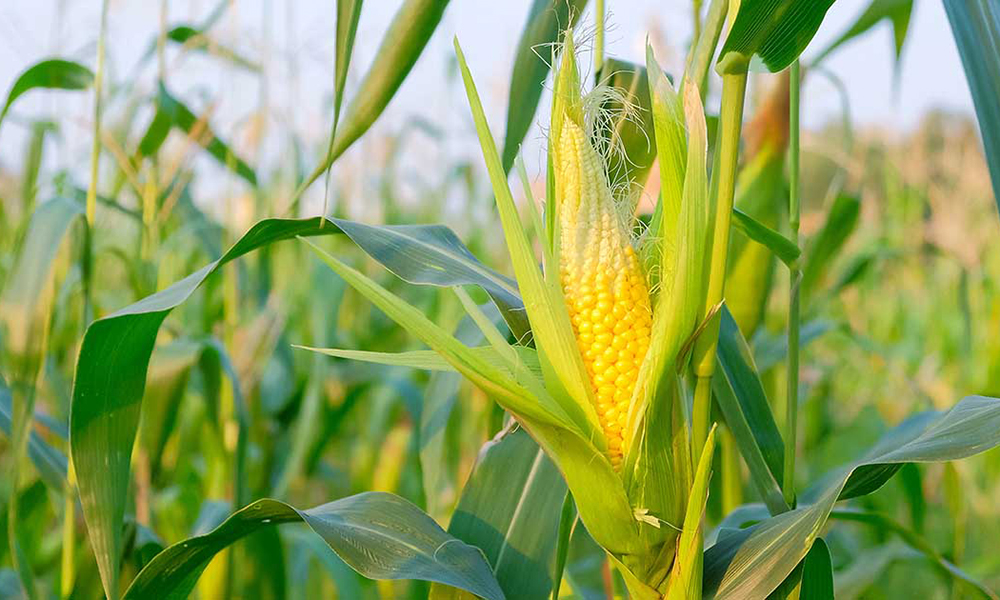
Kazakhstan is preparing to expand grain exports to Afghanistan and begin large-scale corn shipments, according to Kazakh media.
The announcement followed the Kazakh-Afghan Business Forum held in Shymkent, where Kazakhstan’s Deputy Prime Minister Serik Zhumanarin met with Afghanistan’s Minister of Industry and Commerce, Nooruddin Azizi.
The meeting, attended by representatives from government, finance, and business sectors, focused on strengthening trade and economic cooperation—particularly in agriculture and food security. Both sides emphasized expanding Kazakhstan’s grain and flour exports to Afghanistan and developing new avenues for agricultural trade.
Asilkhan Dzhuwashev, Chairman of JSC NC Prodcorporation, noted that earlier negotiations, held in September with support from the Kazakhstan Trade House in Herat, resulted in trade agreements worth more than $100 million. Under these deals, Kazakh exporters have already shipped 50,000 tons of grain to Afghanistan.
Officials highlighted that with Kazakhstan’s strong grain harvest this year, there is significant potential to increase exports to the Afghan market. The Beyneu Grain Terminal in the Mangistau region, which dispatched its first pilot shipments earlier in 2025, is expected to become a key hub for grain and corn exports to Afghanistan in 2026.
The Afghan side, represented by the Islamic Emirate’s Minister of Industry and Commerce, expressed readiness to purchase up to one million tons of corn annually, in addition to existing wheat imports. Afghanistan currently buys between 1.5 and 2 million tons of grain and flour from Kazakhstan each year.
Most exports are transported through Uzbekistan, but both governments are exploring alternative routes via Turkmenistan to ensure greater supply stability. Kazakhstan also plans to support exporters through government-backed programs that offset transportation costs, further strengthening its agribusiness presence in Afghanistan.
The deepening agricultural partnership underscores growing trade ties between Kazakhstan and Afghanistan, with both sides viewing the grain and corn trade as a cornerstone of future economic cooperation.






Latest News
Five years out of school: Amnesty raises alarm over Afghan girls’ education
Five years on, millions of Afghan girls remain out of secondary school and unable to return to their classrooms.

Amnesty International says five years have passed since millions of girls in Afghanistan were deprived of secondary education, warning that the continued restrictions are affecting the future and aspirations of an entire generation.
The organization’s South Asia regional office said Thursday, September 17, on X that five years without access to education represent five years of injustice and lost opportunities for Afghan girls.
Despite the restrictions, Amnesty said girls across Afghanistan continue to seek ways to pursue their education, including through online learning, protests and, for some, migrating abroad to continue their studies.
Amnesty International has called on the international community to stand with Afghan women and girls and urge the Islamic Emirate to reopen girls’ secondary schools as soon as possible.
Five years on, millions of Afghan girls remain out of secondary school and unable to return to their classrooms.
The Islamic Emirate, however, has described girls’ education above the sixth grade as an internal matter and said efforts are underway to address the issue.
Latest News
Afghanistan condemns alleged drone attack on Mecca
Balkhi also warned that any threat to the holy sites could deeply anger Muslims and contribute to further instability in the region.
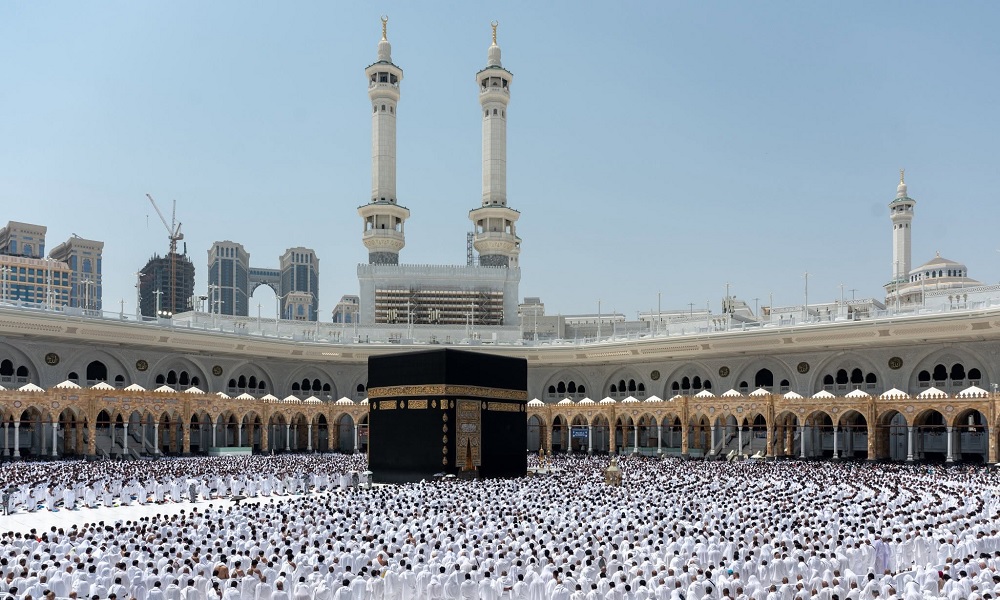
Afghanistan’s Ministry of Foreign Affairs has strongly condemned an alleged drone attack on Mecca, calling any threat to the Two Holy Cities an “unforgivable crime.”
“Any action against the Two Holy Cities that threatens the security and sanctity of these sacred sites is an unforgivable crime,” Abdul Qahar Balkhi, spokesperson for the ministry, said.
He stressed that the Two Holy Cities are sacred and highly respected sites shared by the Muslim world, and that their security and sanctity must be protected from conflicts, violence and military actions.
Balkhi also warned that any threat to the holy sites could deeply anger Muslims and contribute to further instability in the region.
Saudi Arabia’s air defences intercepted and destroyed a Houthi drone south of Mecca on Tuesday before it entered prohibited airspace over the holy city, said a spokesman for the Saudi-led military coalition fighting Yemen’s Iran-aligned Houthis.
A Houthi military source denied the group posed any threat to Mecca or other holy sites, in comments carried by the Houthi-run SABA news agency on Tuesday.
Latest News
Quetta commissioner calls for stronger coordination on Afghan refugee repatriation
According to the briefing, approximately 23,000 Afghan refugees remain in Quetta, with relevant departments continuing efforts to facilitate their repatriation.
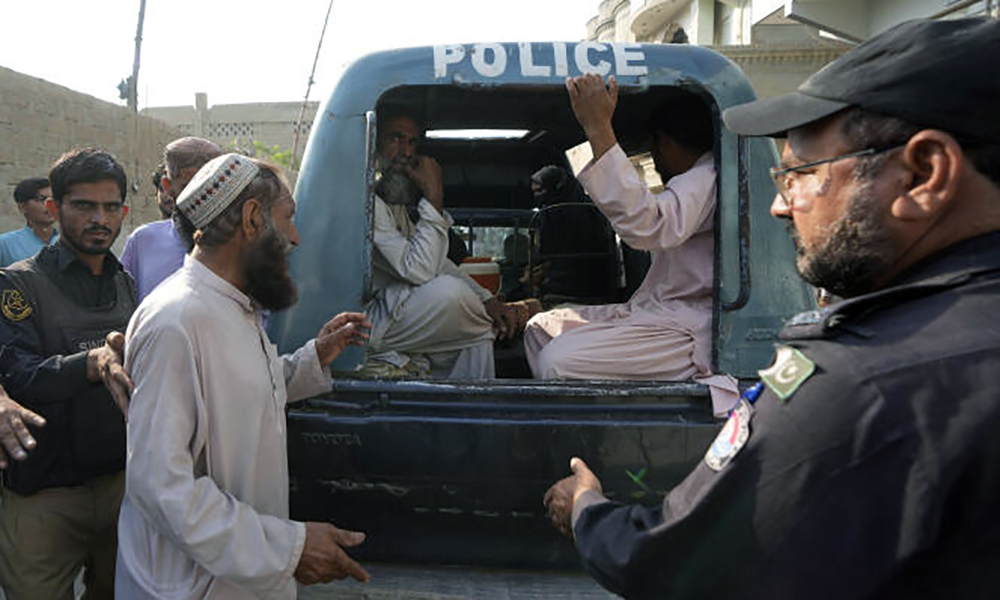
Quetta Commissioner Zeeshan Lashari has directed relevant departments to strengthen coordination to ensure the effective repatriation of Afghan refugees from Balochistan to Afghanistan.
A meeting chaired by Lashari reviewed administrative arrangements and measures related to the return of Afghan refugees.
Officials told the meeting that around 800,000 Afghan refugees in Balochistan have already been repatriated to Afghanistan, while more than 350,000 others have returned voluntarily.
According to the briefing, approximately 23,000 Afghan refugees remain in Quetta, with relevant departments continuing efforts to facilitate their repatriation.
The meeting also discussed the issue of Afghan refugees who return to Afghanistan but later attempt to re-enter Pakistan. Officials agreed to seek guidance from the Home Department on how such cases should be handled.
Lashari directed authorities to improve coordination among relevant institutions and ensure that the repatriation process is carried out effectively.
He also instructed officials to take action in accordance with applicable laws and government policy against those who attempt to re-enter Pakistan after returning to Afghanistan.


Tahawol: Reasons behind Qatari, Turkish security officials’ Kabul visit discussed

Saar: Outcome of UN Security Council meeting on Afghanistan discussed

Five years out of school: Amnesty raises alarm over Afghan girls’ education

Afghanistan condemns alleged drone attack on Mecca

Quetta commissioner calls for stronger coordination on Afghan refugee repatriation

Four mediators struggle to secure lasting Pakistan-Afghanistan ceasefire

Afghanistan’s trade diversification challenges Pakistan

Syria and Saudi Arabia condemn Kabul bombing, express solidarity with Afghanistan

Saudi energy group signs major Afghanistan deals covering gas exploration and pipeline plans

ATN secures exclusive rights to broadcast T20I series in India across Afghanistan
Tahawol: Reasons behind Qatari, Turkish security officials’ Kabul visit discussed
Saar: Outcome of UN Security Council meeting on Afghanistan discussed

Tahawol: Afghanistan’s readiness for US relations discussed

Saar: UN Security Council meeting on Afghanistan discussed

Tahawol: Afghanistan at the center of UN discussions
-

 Sport4 days ago
Zadran calls on Afghan fans to rally behind team against India
-
 Latest News4 days ago
Khalilzad warns US risks losing influence in Afghanistan to China and Russia
-
 Business4 days ago
EU and FAO launch €5m programme to strengthen Afghanistan’s agrifood sector
-
 World5 days ago
Houthi advance in Yemen puts U.S. in a new bind
-

 Regional4 days ago
Iran and UAE back joint BRICS statement urging restraint in war
-

 Sport4 days ago
India beat Afghanistan by seven wickets in first T20I
-
 Latest News3 days ago
Helmand governor, UNAMA discuss province’s key challenges
-
 Latest News3 days ago
Muttaqi defends Afghanistan’s policies, calls for stronger international ties