
Latest News
Afghans call to boycott Pakistan’s products



A number of Afghan residents called to boycott Pakistani products by starting campaign on social media.
They said that they are ready to endured hunger but would not use Pakistani products anymore; a country which send terror and violence to Afghanistan.
After President Ghani’s press conference on Monday calling on Pakistan to end its undeclared war with Afghanistan, Afghan people take a decision to not use any of Pakistani products.
“No people have suffered more from Pakistani misadventures than the Afghans,” Muhammad Rafiq, Kabul inhabitant said.
Meanwhile, the Chamber of Commerce and Industry considered people’s demand applicable, emphasizing they have also found alternative ways against it.
The chamber of commerce noted that Pakistan has always falsely acted against Afghanistan in commercial deals and if Pakistani products boycott, there will be no loss for Afghanistan.
The two countries must overcome years of mutual hostility, however. Many Afghans accuse Islamabad of effectively controlling the Taliban insurgency against their government and supporting the terrorist groups.
Pakistan is one of the largest trading partners of Afghanistan as it exports goods and services worth approximately $3 billion annually and is also the main conduit of imports from elsewhere through the Karachi port.

International Sports
IPL 2026: Gujarat Titans edge Delhi Capitals in last-ball thriller
The result adds important points for Gujarat as the competition intensifies, while Delhi will look to bounce back after falling just short in one of the closest matches of the season so far.

The Indian Premier League (IPL) delivered another dramatic contest on Wednesday, April 8, as Gujarat Titans narrowly defeated Delhi Capitals in a high-scoring encounter in Delhi.
In a match that went down to the final ball, Gujarat held their nerve to secure a thrilling one-run victory. The game featured standout batting performances, including a commanding innings from Delhi’s top order, while Gujarat’s bowlers, led by Rashid Khan, produced crucial breakthroughs at key moments to seal the win.
The result adds important points for Gujarat as the competition intensifies, while Delhi will look to bounce back after falling just short in one of the closest matches of the season so far.
Attention now turns to Thursday’s clash between Kolkata Knight Riders and Lucknow Super Giants.
Kolkata will be aiming to build momentum with a strong all-round performance, while Lucknow will look to capitalise on their balanced squad and secure a key win in the early stages of the tournament. With both teams boasting explosive batting line-ups and quality bowling attacks, fans can expect another competitive and entertaining contest.
Broadcast Information
Cricket fans in Afghanistan can watch all the action live, as Ariana Radio and Television Network (ATN) holds exclusive rights to broadcast the IPL matches.
Games are being aired nationwide on Ariana Television, bringing the excitement of the tournament directly to viewers at home.
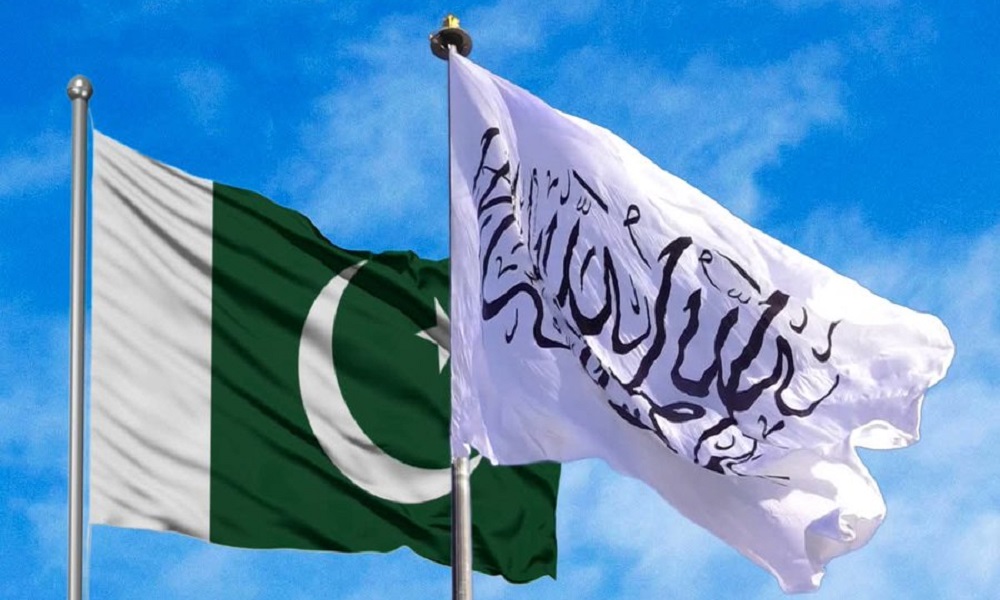
Officials from Afghanistan and Pakistan have concluded a new round of talks in China, with both sides describing the discussions as constructive and agreeing to work toward a comprehensive resolution of their disputes.
The talks were held in the city of Urumqi under the mediation of China, which has increasingly taken on a diplomatic role in facilitating dialogue between the two neighbours.
Abdul Qahar Balkhi, spokesperson for the Islamic Emirate’s Ministry of Foreign Affairs, said the talks covered a wide range of issues, including bilateral relations, security concerns, and broader regional stability.
According to Balkhi, the discussions were held in a “constructive atmosphere,” with both sides engaging in comprehensive exchanges. He added that Afghan officials expressed appreciation for China’s hospitality and efforts in hosting the talks, and voiced hope that the process would lead to stronger confidence-building, improved mutual understanding, and more effective cooperation.
In a separate statement, China’s Foreign Ministry confirmed that both Afghanistan and Pakistan had agreed to seek a “comprehensive solution” to their ongoing disputes. It said the talks were conducted in a “constructive, practical and sincere” environment, with in-depth discussions on key areas of concern.
The statement further noted that both sides committed to avoiding actions that could escalate tensions or worsen the situation, instead emphasizing dialogue and mutual understanding as the primary path forward.
China highlighted its role as an active mediator, noting its close relations with both countries and its continued commitment to supporting stability in the region. Beijing said it would maintain its efforts to promote confidence-building measures and encourage continued engagement between Kabul and Islamabad.
The talks come amid ongoing tensions between Afghanistan and Pakistan, with security issues and cross-Durand Line attacks remaining key challenges. Observers say China’s involvement reflects its growing interest in regional stability and its willingness to play a more prominent diplomatic role in South and Central Asia.
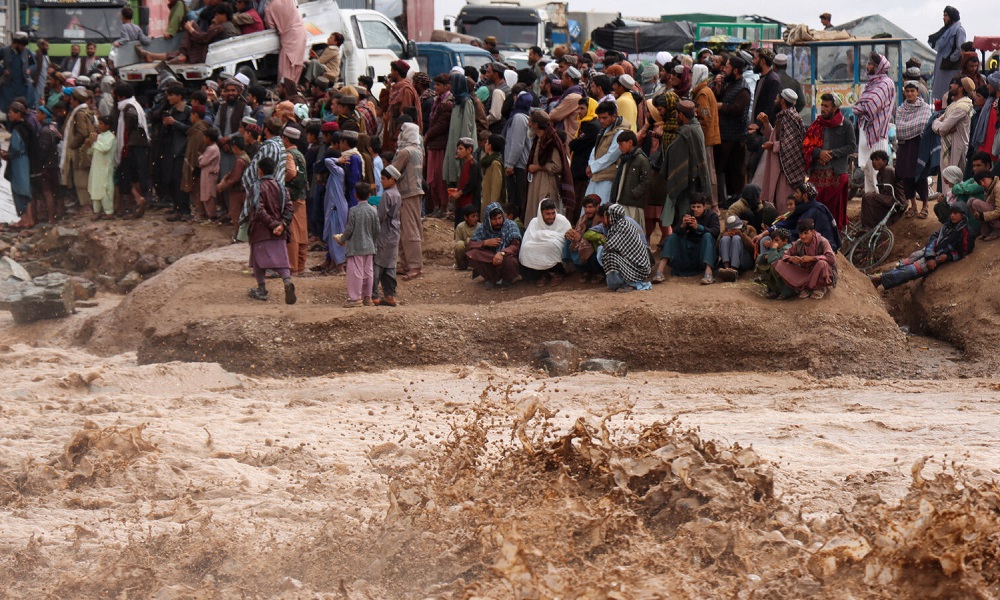
The National Disaster Management Authority (NDMA) of Afghanistan, in cooperation with international partners, has stepped up emergency response efforts following recent heavy rains, floods and other natural disasters that have caused widespread loss of life, injury and property damage across the country.
In Kandahar province, the NDMA, under a memorandum of understanding with Save the Children, distributed food and non‑food assistance to 109 families whose homes were damaged by recent floods and heavy rain.
With financial and technical support from IOM, WFP, CHA, UNHCR, UNFPA and Save the Children, aid packages were provided following detailed surveys. Items delivered included mattresses, food packages, health and hygiene kits and tents.
The Kandahar NDMA stated that supporting disaster‑affected families remains a core responsibility and expressed gratitude for ongoing humanitarian cooperation.
Afghanistan has been hit by intense rainfall and extreme weather over the past week, triggering flash floods, landslides and damage in multiple provinces. According to the NDMA, more than 110 people have died, at least 160 were injured, and seven others were reported missing due to these conditions over the past 11 days.
The flooding has caused extensive destruction, including the complete loss of nearly 1,000 homes, partial damage to over 4,000 houses, and flooding of more than 15,000 acres of farmland.
Roads, irrigation systems and critical infrastructure have also been damaged, disrupting travel and access to essential services.
In Nangarhar province, heavy rains caused the collapse of mud‑brick house roofs, killing at least five people and injuring others, underscoring the vulnerability of rural housing in Afghanistan’s remote areas.
Nationwide impact and weather risks
The NDMA released video updates explaining casualty figures and showing the scale of damage from recent natural disasters nationwide, including impacts from extreme weather over the past 24 hours. The authority continues to monitor conditions and coordinate response efforts.
Meteorological and agriculture agencies have noted that ongoing rainfall could benefit spring crops but also heightens the risk of further flooding in vulnerable regions. The FAO has warned that while increased moisture supports agriculture, heavy precipitation raises flood risks, particularly in urban and rural flood‑prone areas.
Other Natural Disasters
In addition to flooding, a 5.8‑magnitude earthquake struck the Hindu Kush region on April 3, killing at least 8–12 people and injuring several more. Homes were damaged in multiple provinces, demonstrating Afghanistan’s exposure to seismic hazards.
The NDMA continues to issue warnings and advisories to residents across several provinces to stay away from rivers and flood‑prone zones as unstable weather persists. Emergency teams, together with national and international partners, are conducting ongoing assessments to guide further relief efforts and damage mitigation.


IPL 2026: Gujarat Titans edge Delhi Capitals in last-ball thriller

Israel prepares for long conflict despite US–Iran ceasefire efforts

Tahawol: Two‑week truce agreement between Iran-US reviewed

Afghanistan, Pakistan hold ‘constructive’ China-mediated talks

Saar: US–Iran two-week ceasefire agreement discussed

IEA Supreme Leader issues Eid-ul-Fitr message urging unity and support for Islamic system

14 Pakistani soldiers killed after military post falls along Durand line: MoD

IEA supreme leader orders replacement of foreign terminology in official documents

Afghan airstrikes target Pakistani military sites in retaliation for air attacks

Turkmenistan, Afghanistan discuss steps to speed up land acquisition for TAPI pipeline
Tahawol: Two‑week truce agreement between Iran-US reviewed
Saar: US–Iran two-week ceasefire agreement discussed

Tahawol: Ongoing negotiations between Kabul-Islamabad discussed

Saar: Afghanistan in spotlight of SCO discussed

Tahawol: Continuation of Middle East crisis discussed
-
 Latest News4 days ago
IEA supreme leader orders replacement of foreign terminology in official documents
-
 Latest News4 days ago
Afghanistan hosts inaugural Afghanistan–Central Asia Consultative Dialogue to strengthen regional cooperation
-

 Business5 days ago
Kazakhstan eyes rare metals mining projects in Afghanistan and Rwanda
-
 Latest News5 days ago
Severe rainfall and natural disasters cause heavy casualties across Afghanistan
-
 Latest News5 days ago
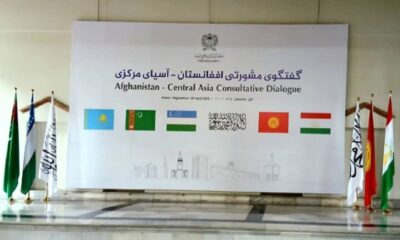
Kabul to host ‘Afghanistan–Central Asia Consultative Dialogue’ tomorrow
-
 Latest News4 days ago
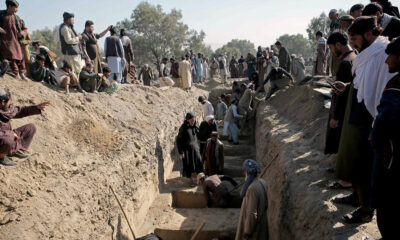
IEA accuses Pakistan of war crimes amid heavy civilian losses
-

 World4 days ago
US rescues 2nd F-15 pilot hit above Iran: Trump
-

 Saar5 days ago
Saar: Ongoing Kabul-Islamabad talks in China discussed