
Latest News
Bayat Power showcases clean energy achievements and vision at Kabul’s Green Growth Forum
Business and development leaders convene in Kabul to advance financing and partnerships for a greener future

In a landmark effort to boost Afghanistan’s renewable energy sector and accelerate economic recovery, Kabul this week hosted the “Partnerships for Green Growth: Business-to-Business Convening on Renewable Energy Investments.”
Held on Wednesday and Thursday, June 25 and 26, the high-level event brought together national and international stakeholders under the theme “Accelerating Investments Through Partnerships and Facilitating Access to Finance.”
Amidst a fragile but gradually recovering economy, Afghanistan continues to face a stark energy deficit that hampers industrial growth, limits delivery of essential public services, and impacts the quality of life for millions. Despite vast solar, wind, and hydro resources, only a fraction of the country’s renewable energy potential has been harnessed.
According to UNDP, this persistent energy gap is a major development challenge. “Closing this gap requires urgent and inclusive investment, with a strong focus on scaling up renewable energy solutions that are resilient, decentralized, and adapted to Afghanistan’s diverse geography,” the agency stated.
“Attracting investment in the renewable energy sector is not only necessary, but also strategically advantageous,” UNDP added.
“The Afghan energy market holds considerable potential, particularly in regions where off-grid and mini-grid systems can rapidly transform local economies” – UNDP
The agency emphasized that unlocking this potential requires proactive dialogue and collaboration among development partners, the private sector, and local stakeholders, along with showcasing bankable opportunities and de-risking tools.
This week’s forum served as a strategic platform to address these issues by connecting investors, development partners, and policymakers to explore new financing models and partnerships.
Organized in collaboration with the United Nations Development Programme (UNDP), the Afghanistan Chamber of Commerce and Industries (ACCI), and the Afghanistan International Bank (AIB), the conference spotlighted the Green Economy Financing Facility (GEFF)—an initiative designed to mobilize sustainable investments using Shariah-compliant financial tools and blended finance models.
Bayat Power Highlights Local Capacity and Innovation
A key voice at the event was Bayat Power, Afghanistan’s first private company in over 40 years to establish and operate a domestic gas-fired power plant.
In his address to delegates, Lutfullah Stanikzai, Business Development Director of Bayat Power, reaffirmed the company’s long-term commitment to energy independence.
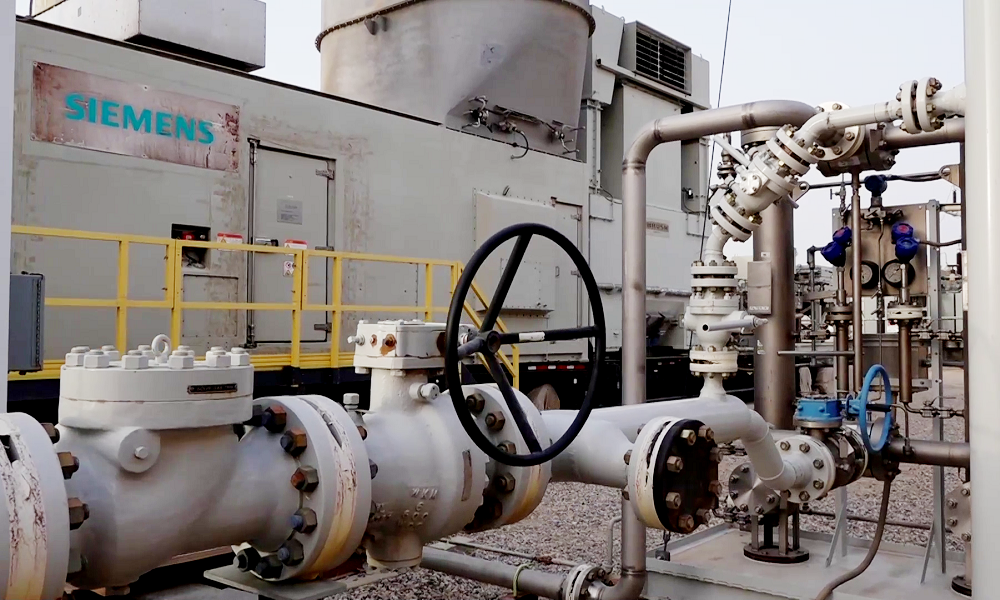
Founded in 2013 under the Bayat Group, the company launched Bayat Power-1 in 2019 as a public-private partnership with DABS, the Ministry of Energy and Water, Afghan Gas State-owned Company, Siemens Energy, and others. Since then, the plant has produced over 1 billion kilowatt-hours of electricity, powering homes, hospitals, schools, mosques and businesses across the country.
Stanikzai emphasized the company’s use of cutting-edge technologies—including Siemens’ SGT-A45 mobile gas turbines, among the most efficient in the world—and its deployment of over 1,000 smart meters in Kabul as part of a pilot project to improve grid efficiency.
“Our efforts have not only powered essential public services but also generated thousands of direct and indirect jobs, contributing to economic stability and workforce development,” Stanikzai said. He added that Bayat Power’s tax contributions and gas purchases support national revenue generation.
“Afghanistan deserves cutting-edge solutions, not outdated technology,” he stressed. “We are committed to deploying modern systems that offer both performance and environmental sustainability.”
Looking ahead, Bayat Power is expanding into solar, wind, and thermal energy projects and seeking to engage international partners for technical collaboration and investment.
“Our long-term vision aligns with Afghanistan’s goal of a resilient and self-reliant energy future,” Stanikzai concluded.
Bayat Power’s presentation stood out as a compelling example of what can be achieved through innovation, private-public collaboration, and a deep commitment to national development.


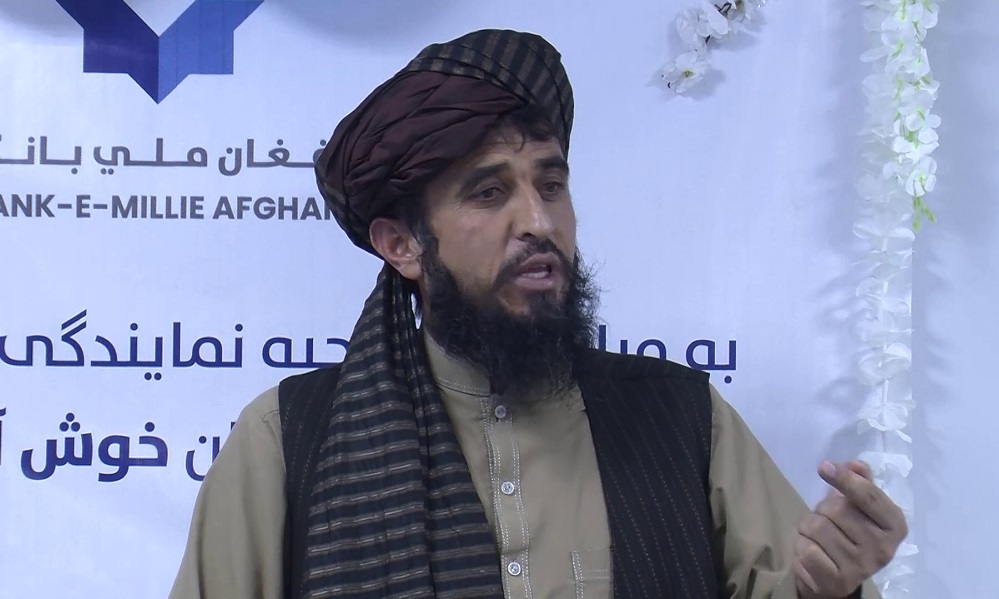
Local officials in Afghanistan’s northeastern Badakhshan province have called on traders to help prevent drug trafficking and invest their capital in legal and productive sectors.
Jamaluddin Haqjo, deputy governor of Badakhshan, made the remarks during the opening of the first branch of the Bank-e-Millie Afghan in Fayzabad, the provincial capital.
Haqjo said thousands of people across Afghanistan are currently addicted to drugs and urged traders not to invest in drug trafficking.
Meanwhile, other local officials attending the ceremony called on people to contribute to the country’s economic development rather than oppose the government.
They said expanding economic activities could help reduce poverty and other challenges affecting thousands of families.
Officials also urged banks and traders to conduct their activities in accordance with Islamic principles.
The newly opened Bank-e-Millie Afghan branch is expected to provide banking services to residents of Badakhshan. Bank officials said government employees receiving their salaries through the bank would also be eligible for loan services in accordance with the bank’s policies.
Residents welcomed the opening of the branch, saying it would make banking services more accessible. They also called for banks to establish branches in remote districts of Badakhshan.
Officials urged traders and government institutions to support the bank by investing and using its services.
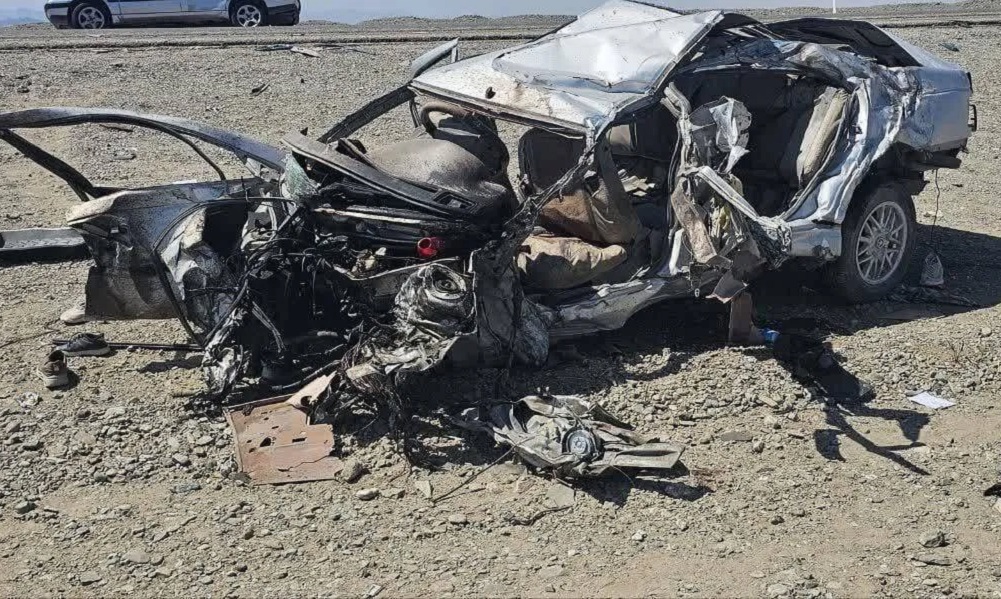
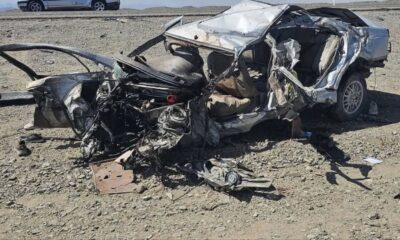
Seven Afghan migrants have been killed after a vehicle carrying Afghan migrants collided with a fuel-carrying vehicle in Iran’s Sistan and Baluchestan province.
According to the human rights organization HalVash, the accident occurred on Friday in the Sarbaz area of Sistan and Baluchestan.
Siyavash Mohbi, the head of Iran’s traffic police in Sistan and Baluchestan, said the Afghan nationals had entered Iran illegally.
He added that nine other people were injured in the incident.
Mohbi attributed the accident to the negligence of the driver of the vehicle carrying the migrants.


Badakhshan official calls on traders to help prevent drug trafficking

World leaders return to UN amid wars in Middle East and Ukraine

Asian Games open in Japan as Afghanistan sends 34 athletes

Seven Afghan migrants killed in traffic accident in Iran’s Sistan and Baluchestan

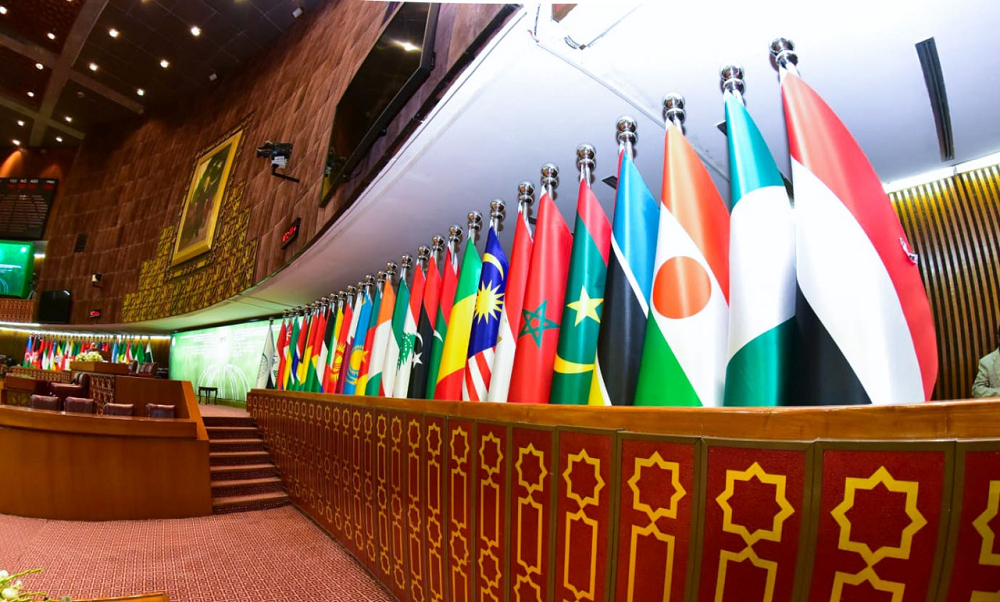
OIC to hold Afghanistan Contact Group meeting on sidelines of UN General Assembly

Four mediators struggle to secure lasting Pakistan-Afghanistan ceasefire

Syria and Saudi Arabia condemn Kabul bombing, express solidarity with Afghanistan

Afghanistan’s trade diversification challenges Pakistan

Saudi energy group signs major Afghanistan deals covering gas exploration and pipeline plans

ATN secures exclusive rights to broadcast T20I series in India across Afghanistan

Tahawol: Kabul’s warning over any threat from Pakistan discussed

Debate on Afghanistan and New Investment Opportunities

Tahawol: Reasons behind Qatari, Turkish security officials’ Kabul visit discussed

Saar: Outcome of UN Security Council meeting on Afghanistan discussed

Tahawol: Afghanistan’s readiness for US relations discussed
-
 Latest News4 days ago
UN warns of mounting humanitarian and human rights pressures in Afghanistan
-

 Regional4 days ago
Saudi Arabia calls alleged Mecca attack a ‘red line’ as Houthis deny involvement
-
 Latest News4 days ago
Five Years On: IEA touts economic growth despite international isolation
-

 Sport4 days ago
India take 2-0 lead in 3-match series against Afghanistan
-

 Sport5 days ago
Nabi reaches 2,500 T20I runs
-

 Latest News3 days ago
Five years out of school: Amnesty raises alarm over Afghan girls’ education
-
 Latest News3 days ago
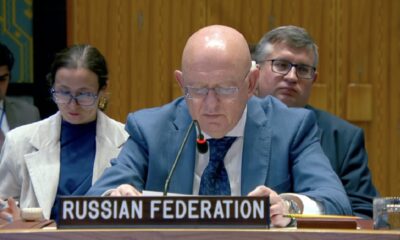
Russia urges dialogue and economic support for Afghanistan, warns against excessive pressure
-

 Sport4 days ago
ACL: Ariana Khost win, Aino Mina and Khurasan Faryab draw