
Latest News
Colonial Pipeline paid hackers nearly $5 million in ransom: Bloomberg News

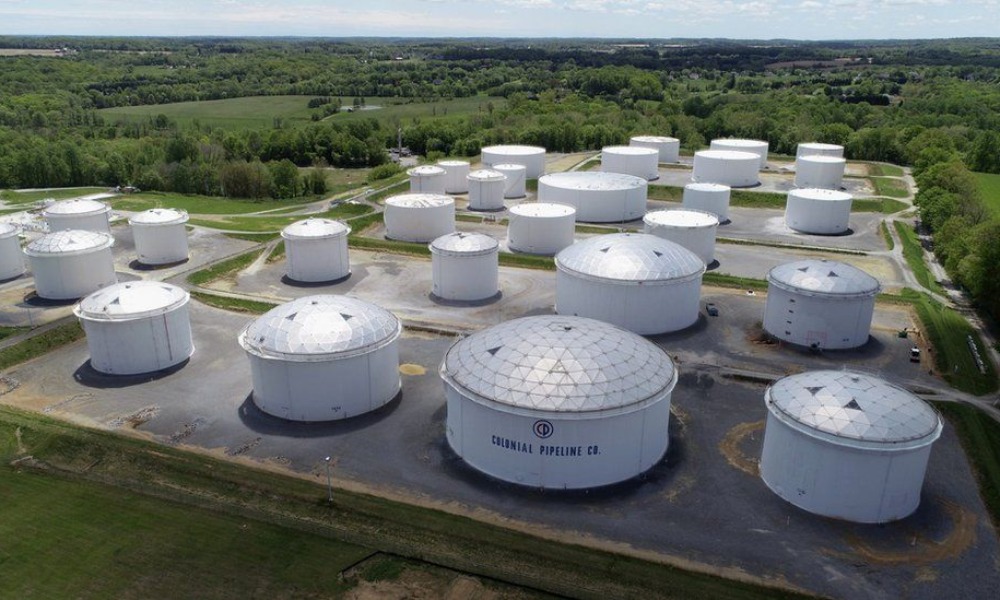
Colonial Pipeline paid nearly $5 million to Eastern European hackers on Friday after a crippling cyberattack that shut the largest fuel pipeline network in the United States, Bloomberg News reported, citing two people familiar with the transaction.
The company paid the ransom in untraceable cryptocurrency within hours after the attack, according to the report.
Colonial Pipeline declined to comment.
Whether targets of such attacks should pay to regain control of their systems is a matter of fierce debate. Critics contend that paying ransom encourages attacks.
U.S. House of Representative Speaker Nancy Pelosi said on Thursday ransom should not be paid by companies that are the victims of cyber attacks.
The hackers provided Colonial Pipeline with a decrypting tool to restore its disabled computer network after they received the payment, but the company used its own backups to help restore the system since the tool was slow, Bloomberg News reported.
After a six-day outage, the top U.S. fuel pipeline, which carries 100 million gallons per day of gasoline, diesel and jet fuel, moved some of the first millions of gallons of motor fuels on Thursday.
The shutdown caused gasoline shortages and emergency declarations from Virginia to Florida, led two refineries to curb production and had airlines reshuffling some refueling operations.
The FBI earlier this week accused a shadowy criminal gang called DarkSide for the ransomware attack. The group has not directly taken credit, but on Wednesday it claimed to have breached systems at three other companies.
A terse news release posted to DarkSide’s website did not directly mention Colonial Pipeline but, under the heading “About the latest news,” it noted that “our goal is to make money, and not creating problems for society”.
The White House declined to weigh in on Monday whether companies that are hacked such as Colonial Pipeline should pay ransom to their attackers, but a national security official said it may offer some advice in the future.





Latest News
Moscow to host regional security talks on Afghanistan and Central Asia
Meanwhile, the CSTO Collective Security Council is scheduled to meet in Moscow on November 10 and 11.
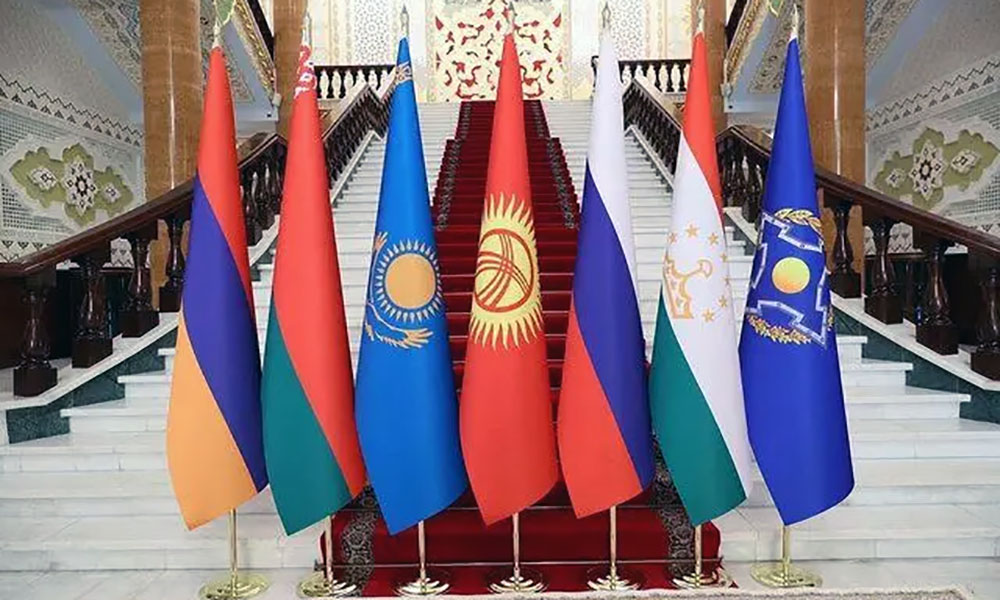
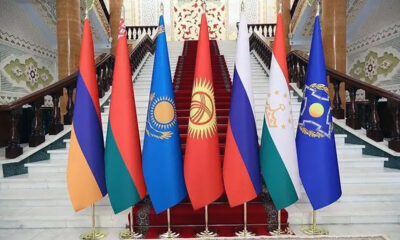
Moscow will host a regional security meeting focused on Afghanistan and Central Asia on October 15 and 16, the Collective Security Treaty Organization (CSTO) has announced.
The meeting will bring together representatives of the CSTO, the Commonwealth of Independent States (CIS) and the Shanghai Cooperation Organization (SCO).
According to the CSTO, participants will discuss security developments in Central Asia and Afghanistan, with a focus on regional stability and emerging security challenges.
Meanwhile, the CSTO Collective Security Council is scheduled to meet in Moscow on November 10 and 11.
The council will discuss measures to strengthen the collective security system and expand security cooperation among member states.
Officials are expected to consider and adopt measures aimed at improving coordination and enhancing regional security cooperation.
Latest News
France holds talks with IEA on deporting Afghan nationals: diplomatic source
The diplomatic source stressed that the talks did not represent a change in France’s broader position on Afghanistan.
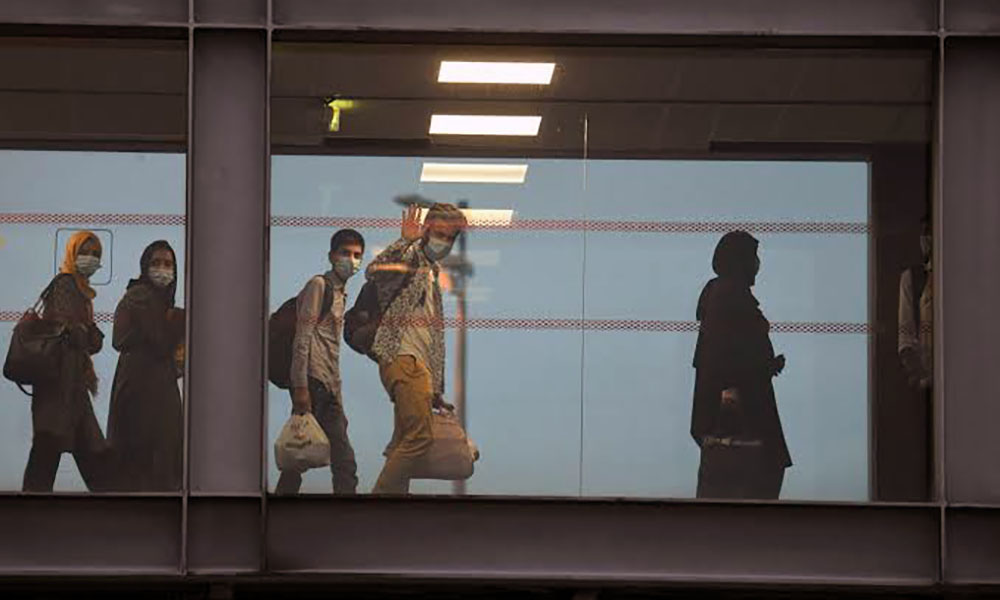
France has begun talks with the Islamic Emirate of Afghanistan (IEA) to facilitate the deportation of Afghan nationals from France, a diplomatic source told AFP on Wednesday.
The discussions mark a significant development as Paris has maintained no diplomatic relations with the IEA since it returned to power in August 2021. France’s embassy in Kabul also remains closed.
The diplomatic source said France, like a number of other European countries, has initiated a “technical dialogue” with the IEA to facilitate the direct removal of Afghan nationals living in France without legal status who are considered a threat to public order.
France is among about 20 European Union countries, including Germany, Belgium and Sweden, seeking to accelerate the return of Afghan nationals, particularly those convicted of crimes.
The source did not provide an estimate of the number of people who could be deported. However, another source familiar with the matter told AFP that the number could be “hundreds.”
France’s Foreign Ministry did not respond to questions about whether IEA representatives could travel to France as part of efforts to speed up deportation procedures.
The diplomatic source stressed that the talks did not represent a change in France’s broader position on Afghanistan.
“This technical dialogue does not call our position on Afghanistan into question,” the source said, adding that France would continue to support the Afghan population, particularly Afghan women.
The IEA, which is not formally recognised by the European Union, has sought greater international engagement and recognition since returning to power.
A June meeting between IEA officials and EU lawmakers drew criticism from human rights organisations and left-wing groups in the European Parliament.
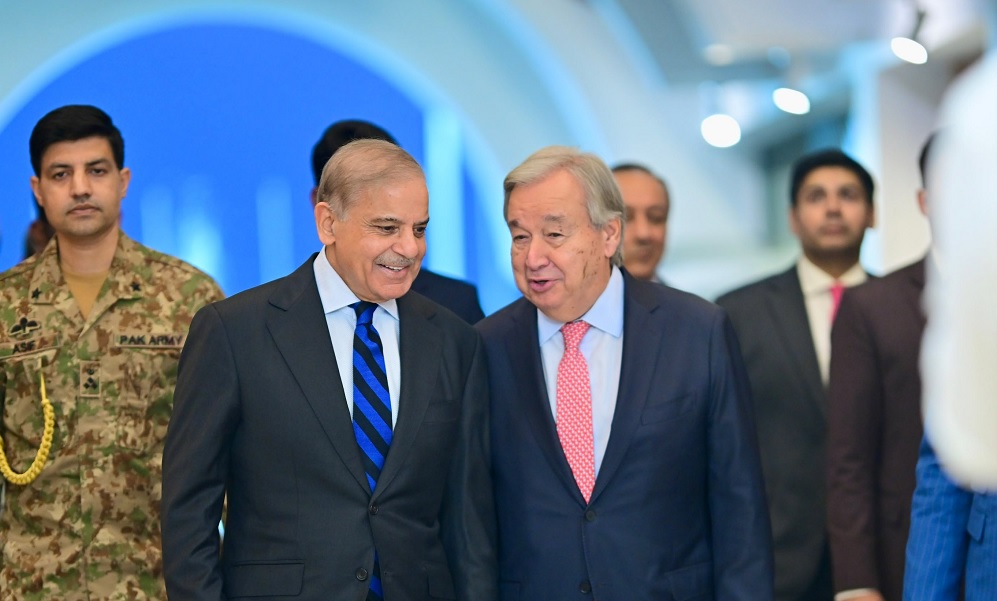
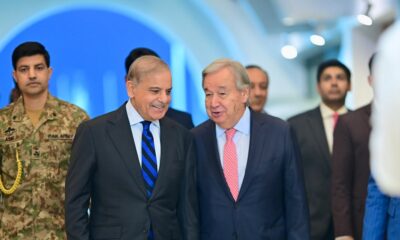
Pakistan Prime Minister Shehbaz Sharif has stressed that a peaceful and stable Afghanistan is in Pakistan’s interest, while calling for “concrete and verifiable” action against terrorist groups that Islamabad alleges are operating from Afghan territory.
Pakistan’s Prime Minister’s Office said Sharif made the remarks on Wednesday during a meeting with UN Secretary-General António Guterres in Islamabad.
The Pakistani prime minister expressed serious concern over what he described as “terrorism originating from Afghanistan.”
He said Pakistan wants a peaceful and stable Afghanistan, but stressed the need for concrete action against groups that Islamabad accuses of carrying out attacks from Afghan territory.
Separately, Guterres met with Pakistan army chief, Syed Asim Munir who also raised terrorism concerns.
The meetings come amid heightened tensions between Pakistan and Afghanistan, with Islamabad repeatedly accusing armed groups of using Afghan territory to launch attacks against Pakistan. Officials of the Islamic Emirate have repeatedly rejected the allegations and said Afghanistan’s territory will not be used against other countries.


Syria weighs military aid for Saudi Arabia amid Yemen war: Reuters

Moscow to host regional security talks on Afghanistan and Central Asia

France holds talks with IEA on deporting Afghan nationals: diplomatic source

Pakistan PM, army chief raise security concerns in meetings with UN chief

Denmark says Russia has conducted sabotage attacks against its defense firms

UAE firm eyes investment in Salang’s second tunnel and pharmaceutical factories

US Treasury ratchets up pressure on Iran with sweeping new aviation sanctions

EU and FAO launch €5m programme to strengthen Afghanistan’s agrifood sector

Omar Zawak, Toofan Herat secure victories in Afghanistan Champions League

Crystal Palace cruise into EFL Cup fourth round

Tahawol: Consequences of US war in Afghanistan reviewed

Saar: Expulsion of Afghan refugees from Pakistan discussed

Tahawol: Discussion on outcome of Moscow Format meeting

Saar: Expansion of relations between Kabul and Moscow discussed

Tahawol: Afghanistan-Iran: shared opportunities and challenges discussed
-

 Sport3 days ago
Cricket Bonanza: Afghanistan set for packed international schedule
-
 Regional4 days ago
India, Pakistan summon top diplomats over border incident
-
 Latest News4 days ago
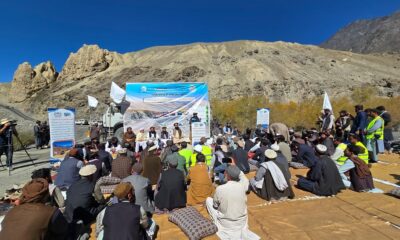
Afghanistan inaugurates 121 km Wakhan road to China border
-

 Sport5 days ago
Rashid Khan plans to build cricket academy and stadium in Nangarhar
-

 Sport4 days ago
ACL: Sorkh Poshan extend perfect run with 1-0 win over Khurasan
-

 Sport3 days ago
Afghanistan U19 to face Bangladesh, Oman in Youth ODIs
-

 Sport4 days ago
ACL: Toofan Herat crush Sarsabz Yashlar 3-0
-

 Latest News5 days ago
Iran’s Qaani: We must strengthen the belt of defense and dignity from Afghanistan to Yemen