
Latest News
Dozens killed in widespread insurgent attacks over past few days

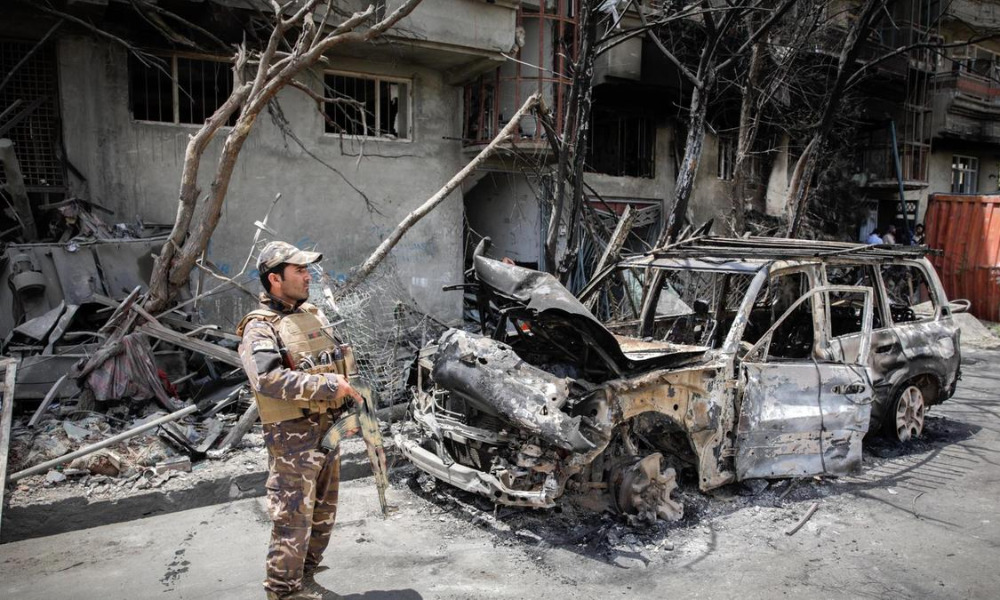
At least 20 people, including two district police chiefs, have been killed in Taliban attacks over the past few days – along with Monday’s killing of 13 Afghan security force members in Kunduz, reports indicate.
The uptick in attacks by the Taliban comes amid ongoing calls for a reduction in violence and the urgent need for peace talks.
Afghan leaders, including President Ashraf Ghani, have frequently called on the Taliban to reduce violence and agree to a ceasefire.
However, although the Taliban has refrained from launching attacks on US forces since the landmark Doha agreement in February, the group has continued its campaign of violence against Afghan security forces.
Despite a discussion on Friday between Ghani and Chairman of the High Council for National Reconciliation Abdullah Abdullah with US National Security Adviser Robert O’Brien, where he also called for urgent peace talks between the Afghan government and the Taliban, attacks by the Taliban have continued unabated.
Reports indicate that early Monday about 13 Afghan security forces members were killed in two Taliban attacks in the northern province of Kunduz. The Taliban reportedly also sustained casualties.
A Taliban spokesman, Zabihullah Mujahid, said on Twitter Monday that numerous security force members had been killed and wounded but he made no mention of Taliban casualties.
In another attack, on Sunday, three Taliban militants were killed while an Afghan Local Police (ALP) member and a civilian were wounded during a clash at a checkpoint.
Also on Sunday, two insurgents were killed and a police officer was wounded after the Taliban attacked a checkpoint in southern Helmand province.
On Saturday night, four Afghan police officers, including a district police chief, were killed in an IED explosion in eastern Paktika province.
In a similar attack, also on Saturday, in southern Zabul province, another police chief and a police officer were killed. Six other police officers were wounded.
The same night, three pro-government militiamen and three Taliban insurgents were killed in clashes at a checkpoint in Ghazni province.
Also on Saturday night, three civilians were killed and at least eight others wounded in a Taliban rocket attack in Kapisa province.
But in a statement issued on Sunday by the Taliban, the group stated the Afghan government had failed to uphold its end of the agreement and release all prisoners as agreed earlier this year.
Kabul, however, states it has already freed over 4,000 prisoners but that the remaining 600 are “too dangerous” to release.
The Taliban said in the statement: “The completion of the prisoner exchange process is one of the most fundamental issues of this [negotiation] process on top of which an end must also be put to violations which have seen an uptick in recent days.”
Meanwhile acting US ambassador to Kabul Ross Wilson said in a tweet on Sunday: “The Afghan people have made clear their impatience. Start intra-Afghan negotiations now so that discussions on a permanent and comprehensive ceasefire can begin.”





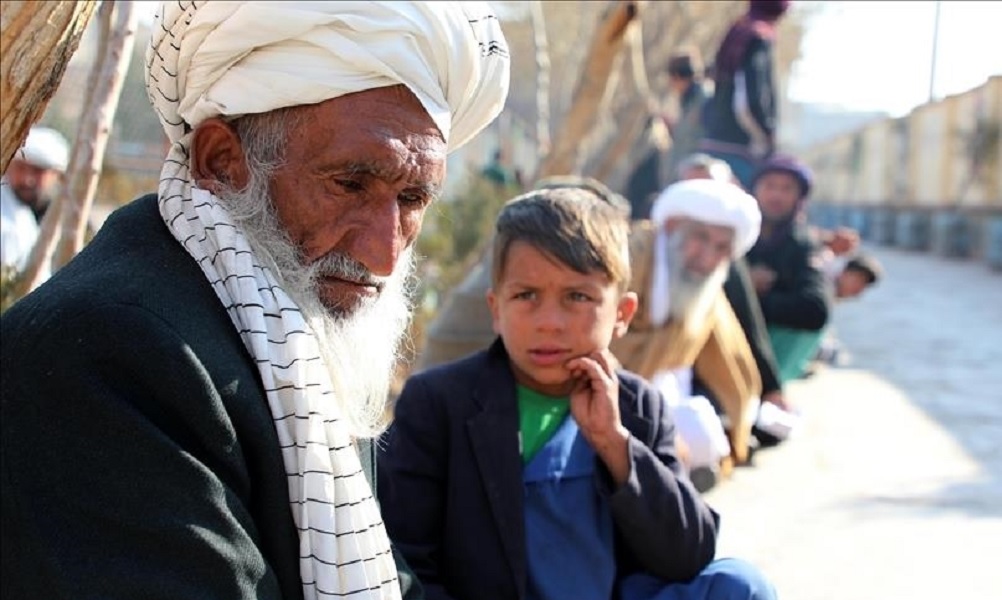
Afghanistan has once again been ranked the least happy country in the world, according to the latest edition of the World Happiness Report.
The report, which measures people’s overall life satisfaction across 147 countries, placed Afghanistan at the bottom of the global ranking for another year, with a score 1.4 out of 10. Researchers assess factors such as income levels, social support, freedom to make life choices, perceptions of corruption, and overall quality of life.
For the ninth consecutive year, Finland ranked as the world’s happiest country, with a score of 7.7. Iceland and Denmark followed it, as Nordic nations continued to dominate the top of the index.
A notable development came from Costa Rica, which climbed to fourth place — the highest ranking ever recorded for a Latin American country.
Other countries with low rankings included Sierra Leone, Malawi, Zimbabwe and Botswana.
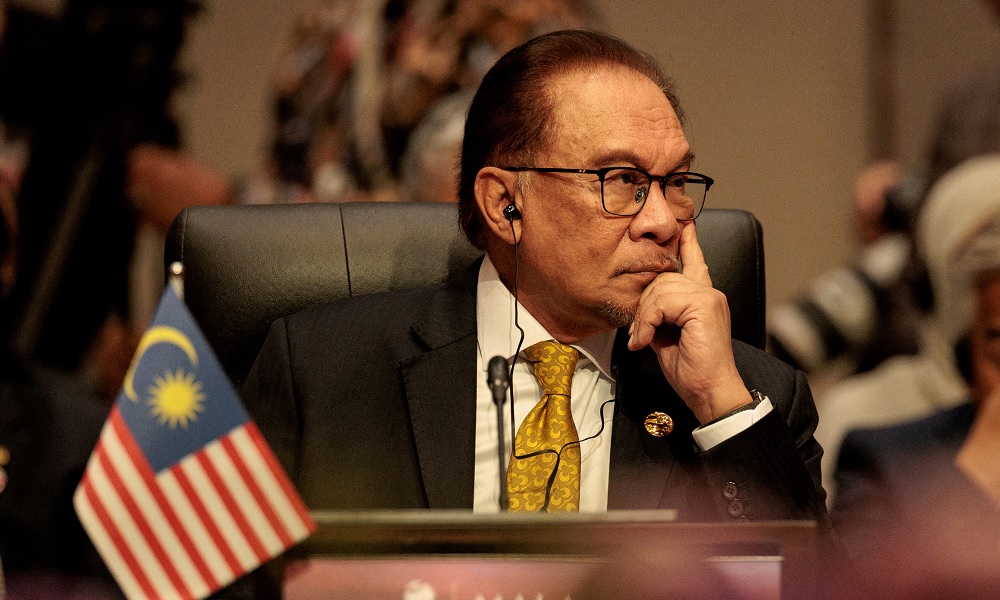
Malaysian Prime Minister Anwar Ibrahim has welcomed the temporary ceasefire between Pakistan and Afghanistan announced in connection with the Eid-ul-Fitr celebrations, calling for continued efforts to reduce tensions and achieve lasting peace.
Anwar shared the message during a telephone conversation with his Pakistani counterpart, Shehbaz Sharif. In a Facebook post, Anwar emphasized the importance of dialogue and de-escalation, while also expressing concern over rising tensions in the Middle East, particularly involving Iran, and urging all parties to prioritize peaceful solutions.
Pakistan said it had temporarily suspended military operations in Afghanistan at the request of Saudi Arabia, Qatar, and Turkey. Afghan authorities likewise announced a halt to operations during Eid, citing goodwill and similar requests from regional partners.
The ceasefire follows weeks of heightened tensions between Afghanistan and Pakistan, including Durand Line clashes and airstrikes.
Separately, Turkey President Recep Tayyip Erdogan in a phone call discussed regional developments with Pakistani Prime Minister Shehbaz Sharif, reaffirming Turkey’s commitment to peace and stability and stressing continued cooperation for long-term security.


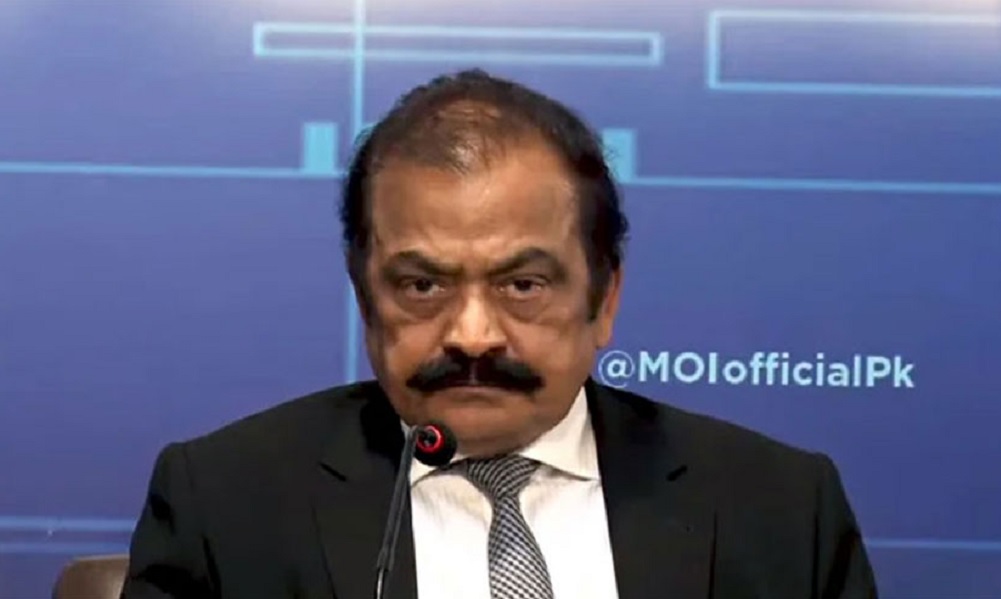
Pakistan PM’s adviser: No intention to impose war on Afghanistan

Trump says US considering ‘winding down’ Iran war

Afghanistan again ranked last in global happiness index

Ireland to host Afghanistan for ODI series in August

Malaysian PM welcomes temporary Afghanistan–Pakistan truce, urges lasting peace

Pakistani military jet downed in Afghanistan’s Jalalabad, pilot captured alive

Afghan Air Force conducts airstrikes in Islamabad, other cities

Prominent Muslim scholar issues fatwa calling for Afghanistan-Pakistan ceasefire

Afghan air force strikes key Pakistani military installations in retaliatory operation

IEA: Special circle in Pakistan has launched mission to destabilize region

Tawsia: Assessment of Afghanistan’s economic activities in 1404

Tahawol: Temporary ceasefire draws broad support

Saar: Emphasis on resolving conflicts through diplomacy

Tahawol: Global reactions to Pakistan’s recent attacks discussed

Saar: Consequences of Pakistani airstrikes on Afghans discussed
-
 Latest News4 days ago
Pakistan opposes normal Afghanistan–India relations: Shaheen
-
 Latest News3 days ago
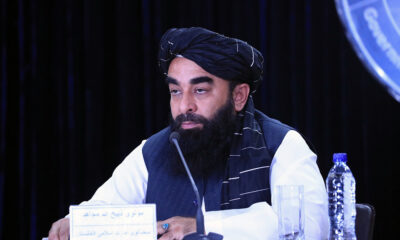
IEA announces temporary pause in defensive operations against Pakistan for Eid
-
 Sport4 days ago
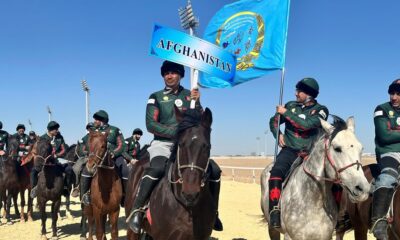
Afghanistan national buzkashi team defeats Hungary 14–0
-
 Latest News5 days ago
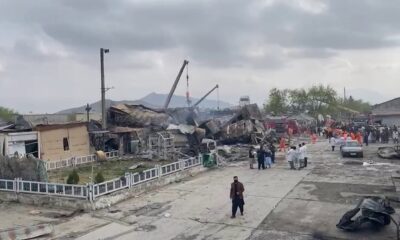
Afghanistan warns Pakistan of ‘teeth-breaking’ response after deadly Kabul bombing
-
 Latest News4 days ago
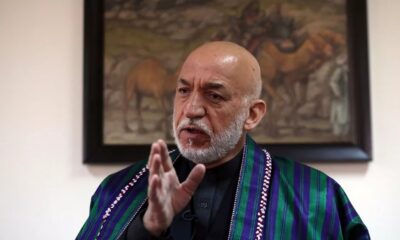
Karzai accuses Pakistan of seeking to destabilise Afghanistan after Kabul strike
-
 Latest News3 days ago
Pakistani shelling hits Kunar districts despite ‘pause in hostility’ over Eid
-
 Latest News4 days ago
WHO Chief urges Kabul and Islamabad to prioritize peace
-
 Regional5 days ago
Israel’s Katz says Iran’s security chief killed, Tehran strikes Gulf neighbours