
Latest News
Gandapur says no Afghan refugee will be ‘forcefully’ expelled from Khyber Pakhtunkhwa

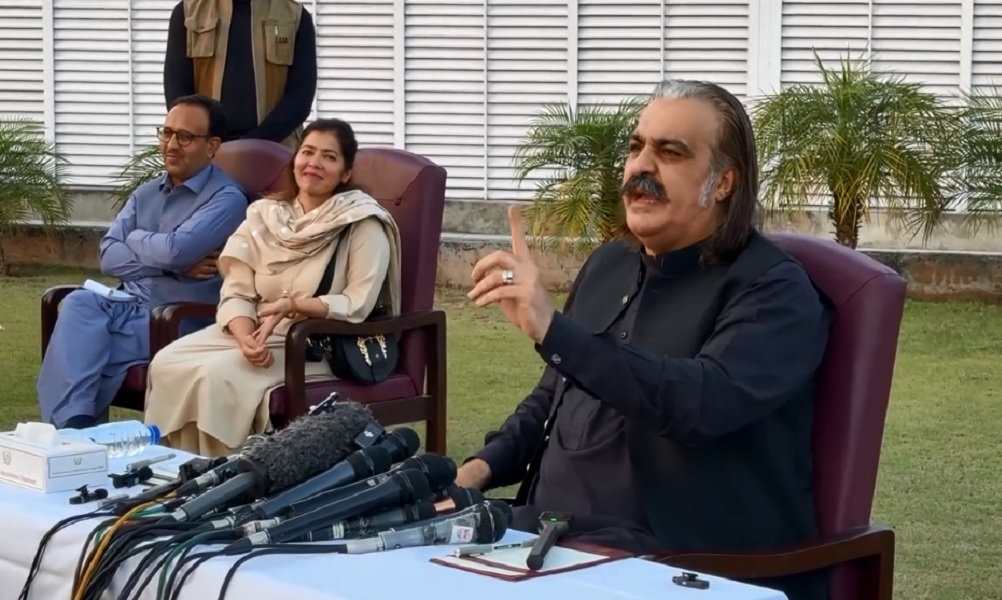
Amid rising tensions over Pakistan’s repatriation plans for illegal Afghan nationals, Khyber Pakhtunkhwa Chief Minister Ali Amin Gandapour said on Friday that no refugees will be forcibly deported from the province.
“We will not allow any Afghan refugee to be expelled by force from Khyber Pakhtunkhwa. We stand firmly against such inhumane deportations,” Gandapur said at a press conference.
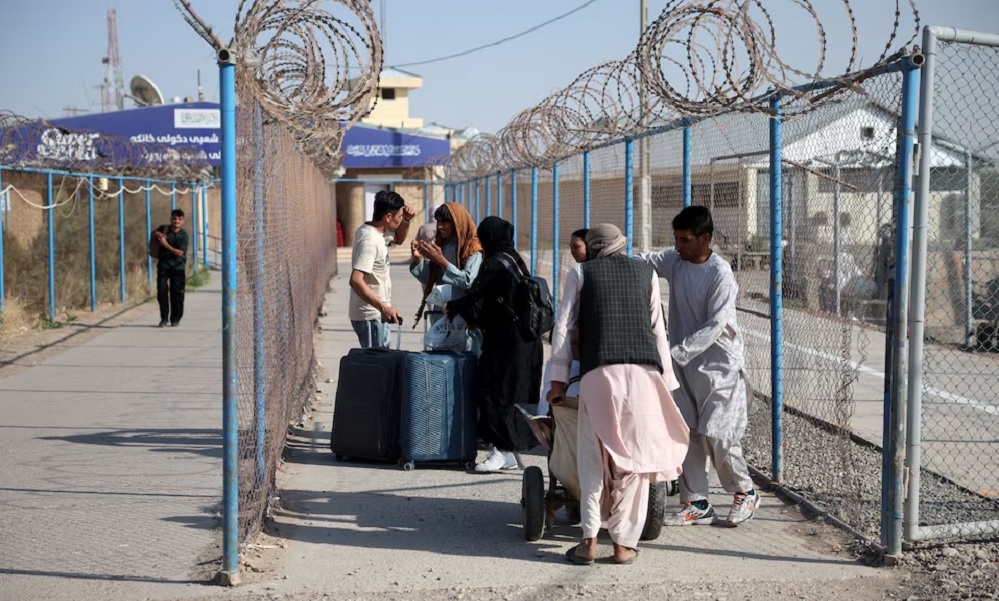
The remarks came as the Pakistani government ramps up efforts to repatriate undocumented Afghan refugees and Afghan Citizen Card (ACC) holders, following the expiration of the voluntary return deadline on March 31, 2025.
“The past situation, where Afghan refugees, including women and children, were stranded at the border, tarnished Pakistan’s image,” Gandapur said, reaffirming the provincial government’s commitment to a dignified repatriation process.
“We are setting up camps for voluntary repatriation, and anyone wishing to return will be helped. However, we will not forcibly expel any Afghan refugee,” he stated.
Afghans holding Afghan Citizen Cards (ACC) — issued by Pakistan authorities and held by 800,000 people, according to the United Nations — face deportation to Afghanistan after the deadline.
More than 1.3 million Afghans who hold Proof of Registration (PoR) cards from the UN refugee agency, UNHCR, are also to be moved outside the capital Islamabad and neighbouring city Rawalpindi.




Latest News
Afghanistan and Iran agree to expand trade cooperation and upgrade border infrastructure
Araghchi praised Afghanistan’s efforts to combat narcotics and commended the Islamic Emirate’s role in promoting economic stability in the country.
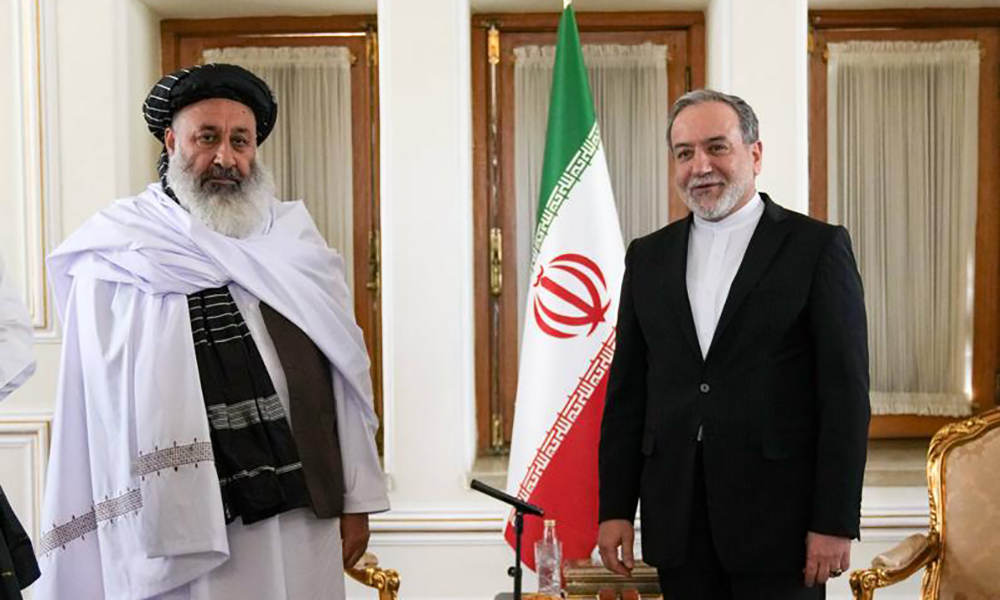
Afghanistan and Iran have agreed to strengthen economic cooperation, expand border infrastructure and improve customs operations during a meeting between their senior officials in Tehran.
According to a statement by Afghanistan’s Ministry of Finance, Minister of Finance Mohammad Nasir Akhund and his accompanying delegation met with Iranian Foreign Minister Seyed Abbas Araghchi at the Iranian Ministry of Foreign Affairs during an official visit to Iran.
The discussions focused on organizing the next meeting of the two countries’ Joint Economic Cooperation Commission, expanding border infrastructure at the Abu Nasr Farahi customs crossing and accelerating its reconstruction process.
Both sides also discussed operating customs facilities around the clock and speeding up efforts to increase the capacity of the Dogharoon, Mahirud and Milak border crossings.
According to the ministry, Araghchi praised Afghanistan’s efforts to combat narcotics and commended the Islamic Emirate’s role in promoting economic stability in the country.
The Iranian foreign minister also assured Afghanistan of Tehran’s full cooperation in economic and political affairs.
The meeting comes as Afghanistan and Iran seek to strengthen cross-border trade, improve transit facilities and expand bilateral economic relations.
Latest News
Afghanistan’s absence from ECO foreign ministers’ meeting raises questions
Afghanistan’s absence comes despite its ECO membership and its strategic geographical position as a major transit corridor linking Central Asia with South Asia and the Middle East.
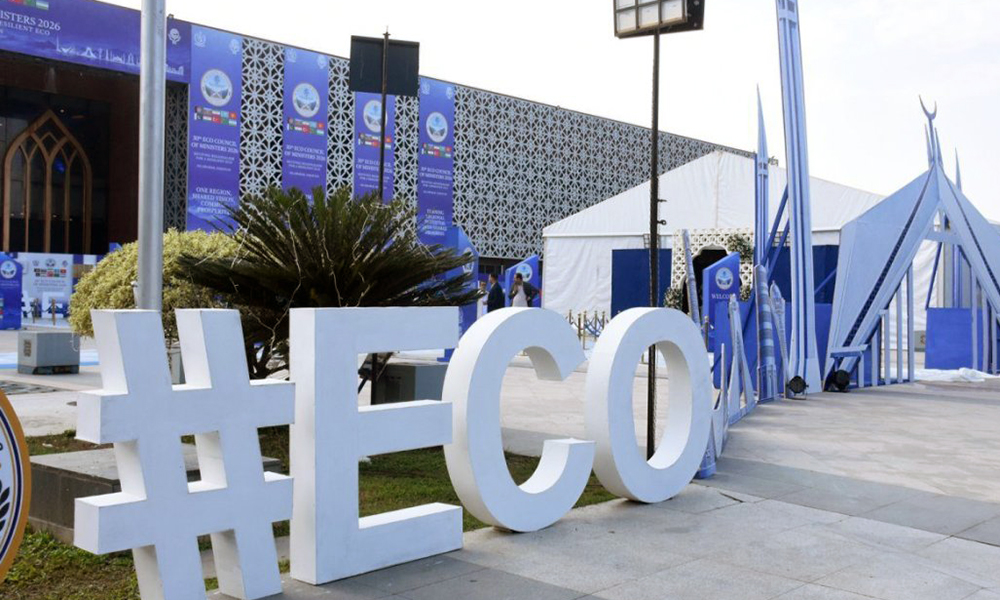
The two-day meeting of foreign ministers of the Economic Cooperation Organization (ECO) began in Islamabad, Pakistan, on Sunday, without the participation of a delegation from the Islamic Emirate of Afghanistan.
Representatives from the organization’s 10 member states are discussing ways to expand economic cooperation, boost regional trade and strengthen connectivity. Pakistan, which currently holds the organization’s rotating chairmanship, has identified stronger trade and transit relations among member states as a key priority.
Afghanistan’s absence comes despite its ECO membership and its strategic geographical position as a major transit corridor linking Central Asia with South Asia and the Middle East.
Central Asian countries can use Afghanistan’s territory to access Pakistani and Iranian ports, as well as wider regional markets, making the country an important part of regional trade and connectivity initiatives.
Economic analysts say political differences should not prevent member states from pursuing economic cooperation. They warn that excluding or sidelining Afghanistan from such regional meetings could undermine ECO’s economic and transit objectives.
ECO was established in 1985 by Iran, Türkiye and Pakistan. In 1992, the organization expanded with the admission of Afghanistan and six other countries, bringing its membership to 10 states.
The combined gross domestic product of ECO member countries is estimated at around $3 trillion.
Experts say that without Afghanistan’s active participation, regional connectivity projects may struggle to achieve their full economic and transit potential.
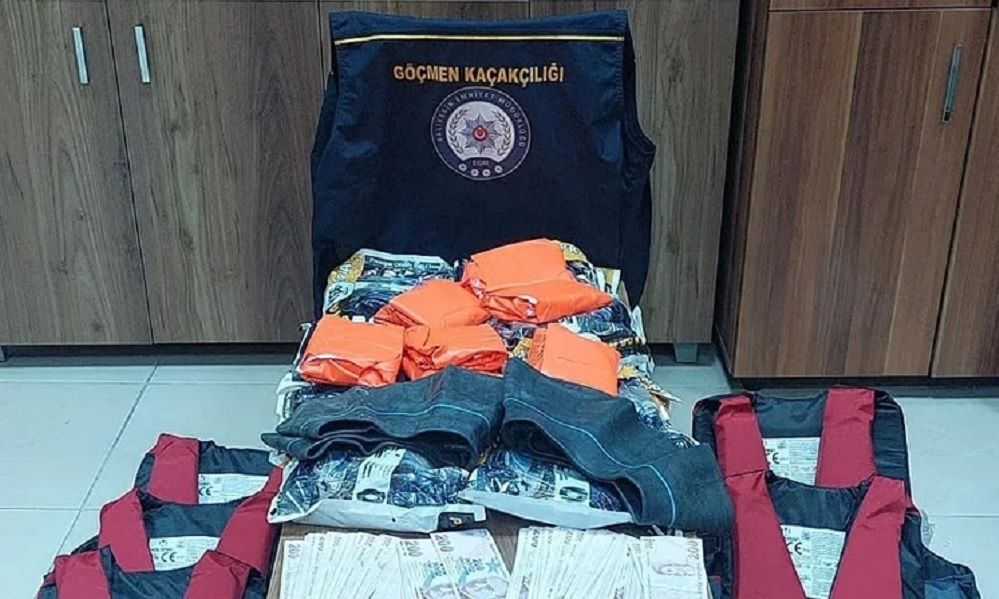
Turkish police have detained 35 Afghan migrants attempting to cross into Greece by sea in the northwestern province of Balikesir, while four suspects accused of migrant smuggling were also apprehended.
Police seized 12 life jackets, lifebuoys and three pumps during the operation.
Following police procedures, three of the four suspects were remanded in custody by a court, while the fourth was released under judicial supervision.
The 35 Afghan migrants were transferred to an Irregular Migrant Pre-Reception and Referral Center.

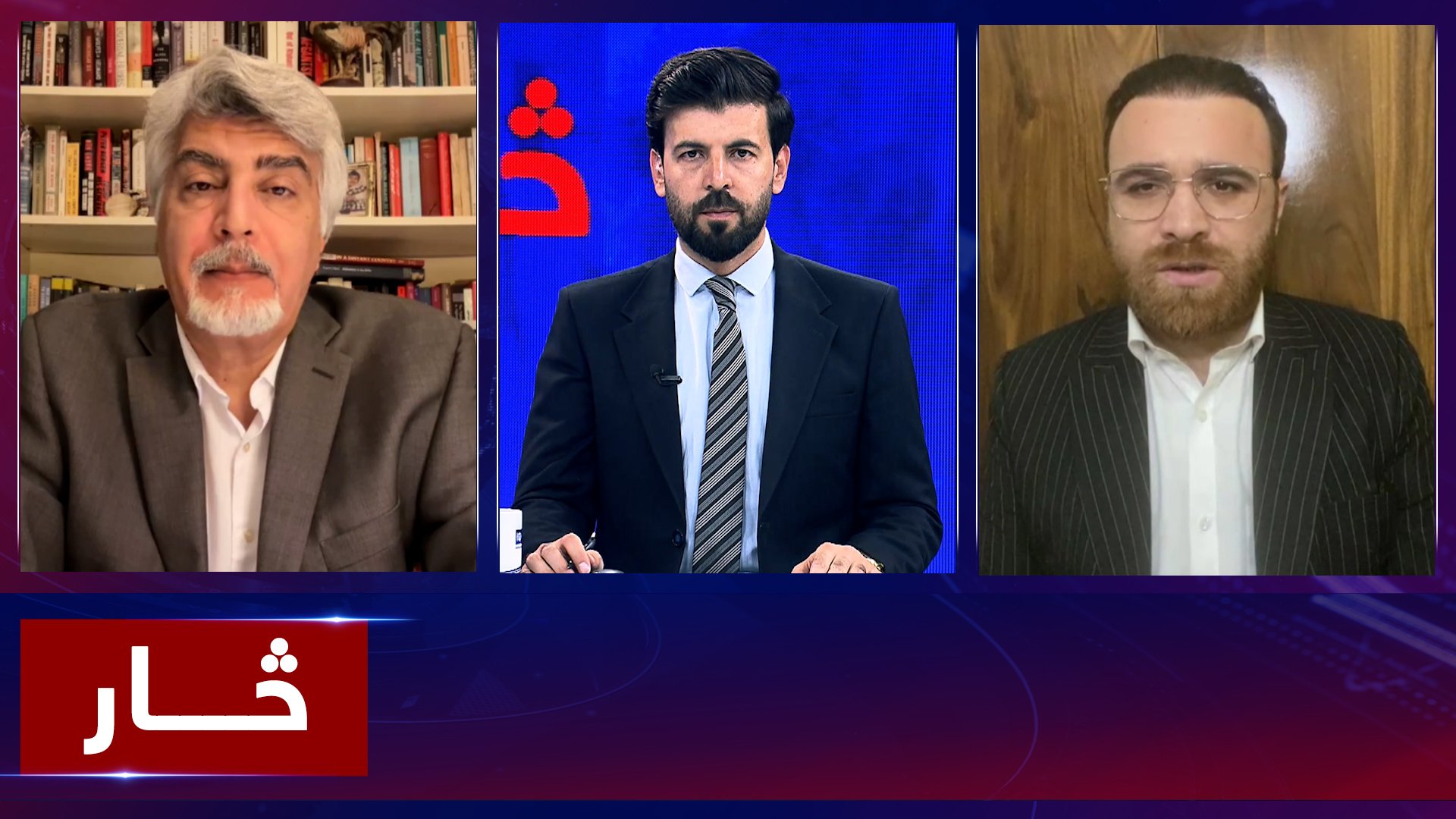
Saar: Iran–US tensions: an uncertain future
Afghanistan and Iran agree to expand trade cooperation and upgrade border infrastructure
Afghanistan’s absence from ECO foreign ministers’ meeting raises questions

ILT20 teams required to field at least two UAE and Afghanistan players in Season 5
Turkey detains 35 Afghan migrants attempting to reach Greece

Afghanistan finish runners-up after 6-0 defeat to Brazil in futsal final

Trump says US may strike Iran’s ‘Pickaxe Mountain’ nuclear facility

Rubio heads to Central Asia while other US officials hit foreign policy hot spots

Violent protests spread across Europe as Albanian PM blames ‘foreign hand’

Governments take websites offline as critical cyber flaws trigger global alert
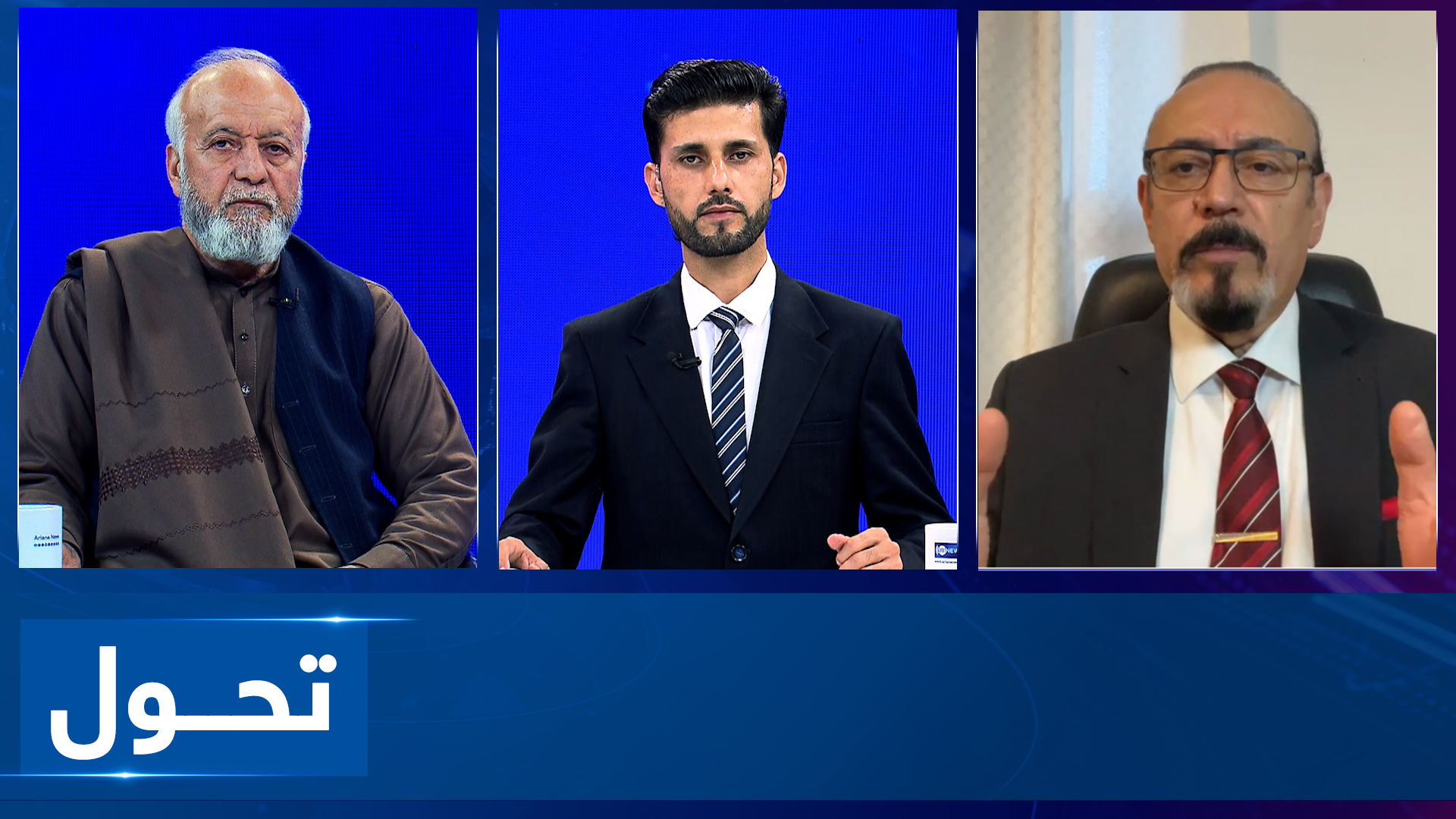
Tahawol: Concerns grow over worsening regional humanitarian crises discussed
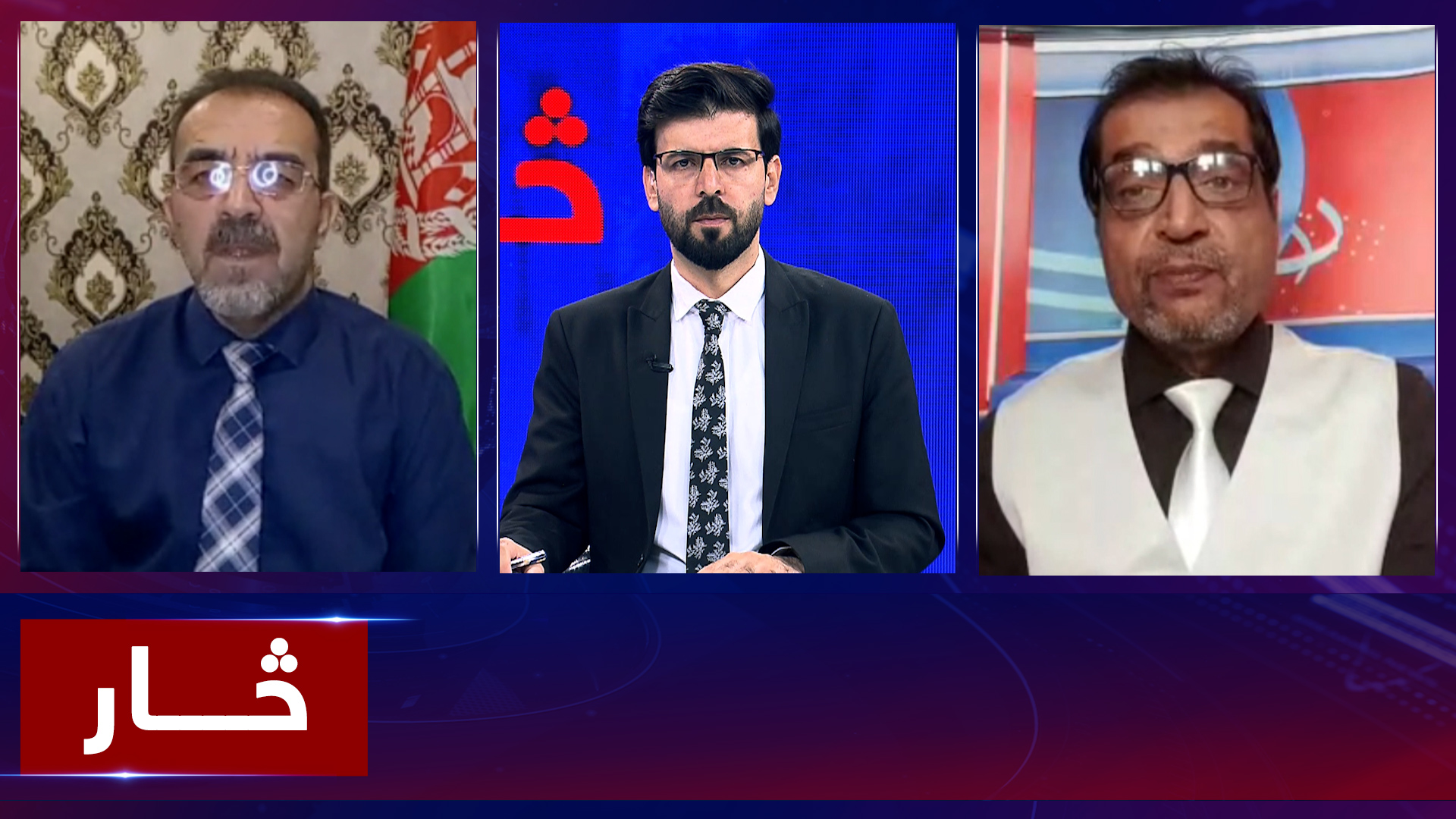
Saar: Forced deportation of Afghan refugees from Iran and Pakistan discussed

Tahawol: Russia’s special attention to situation in Afghanistan discussed
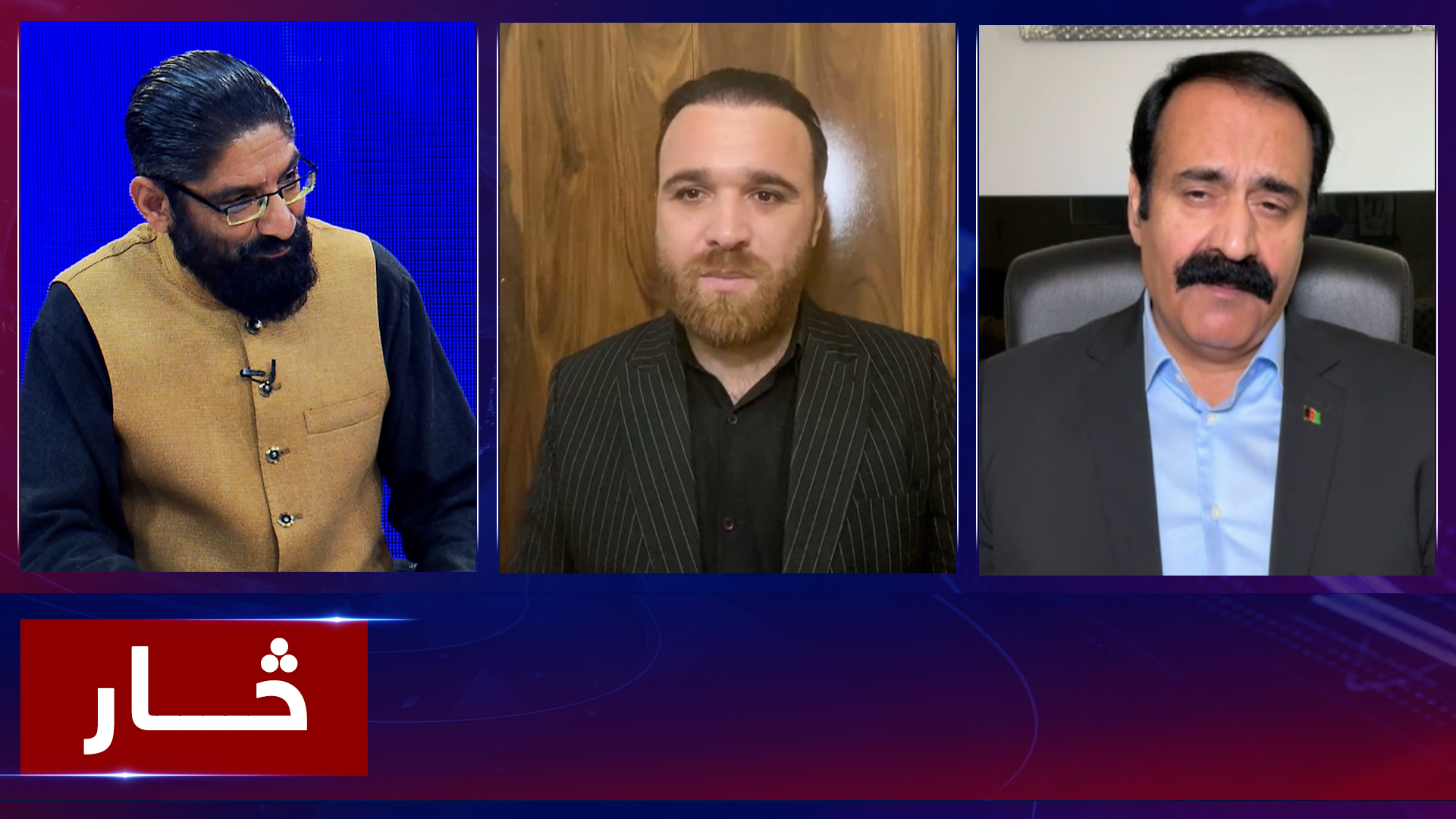
Saar: Discussion on US’s humiliating defeat in Afghanistan
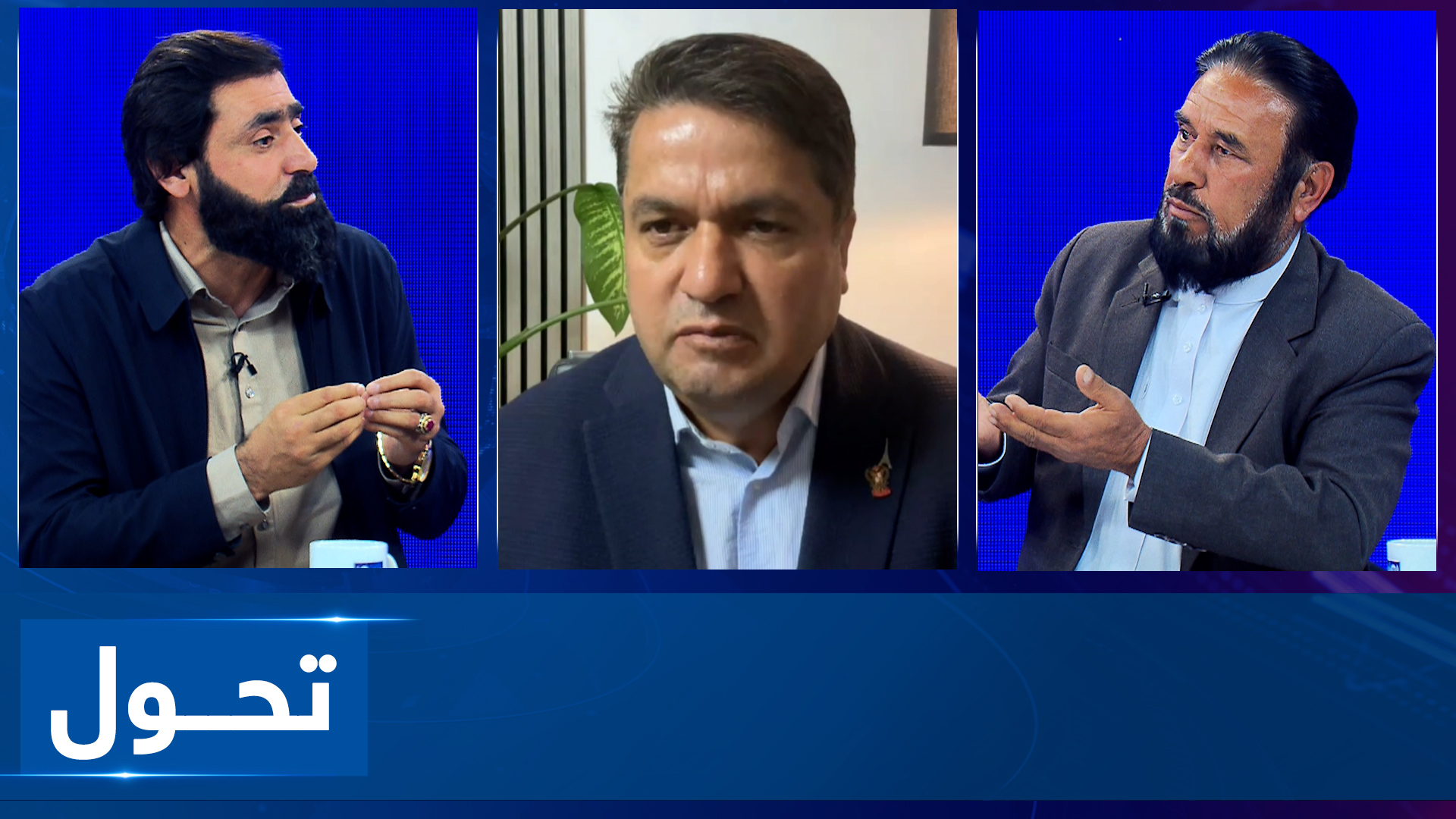
Tahawol: High-level Russian delegation’s visit to Kabul discussed
-
 Latest News4 days ago
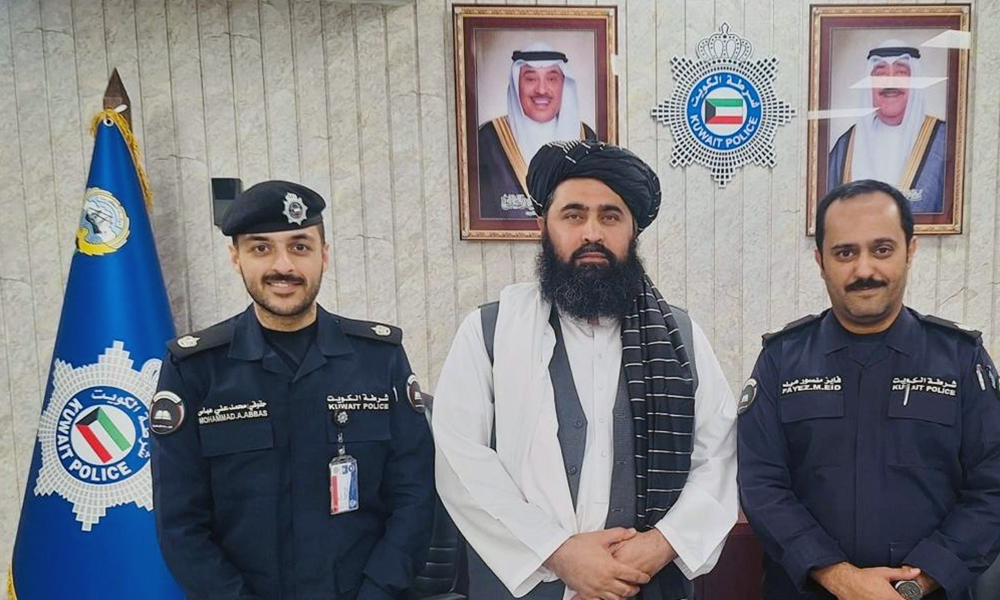
Afghan embassy in Kuwait discusses situation of Afghan prisoners with Kuwaiti officials
-
 Business4 days ago
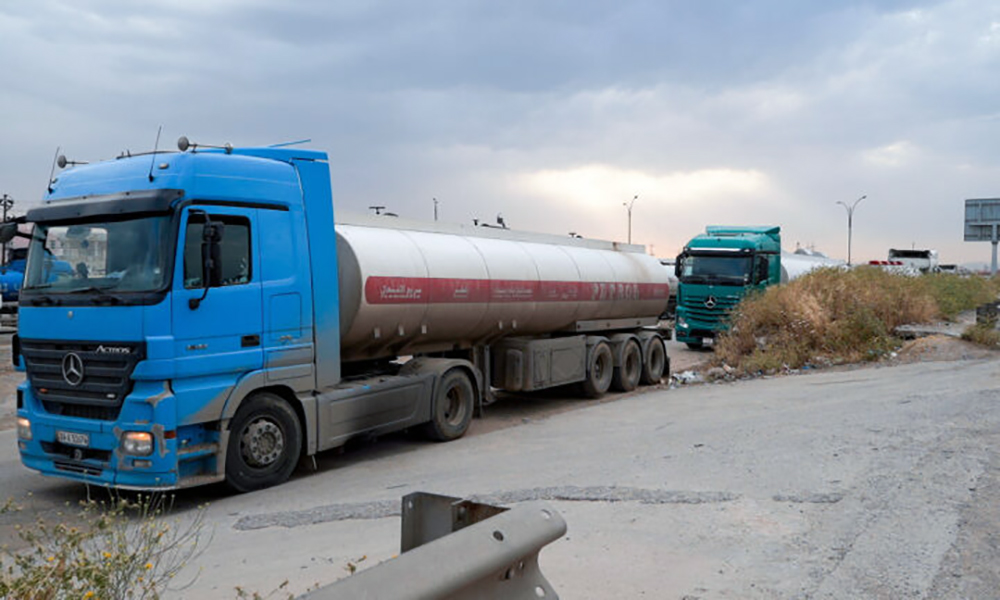
Iraqi intelligence report alleges oil smuggling network supplying Afghanistan and Turkey through Iran
-
 Tahawol5 days ago
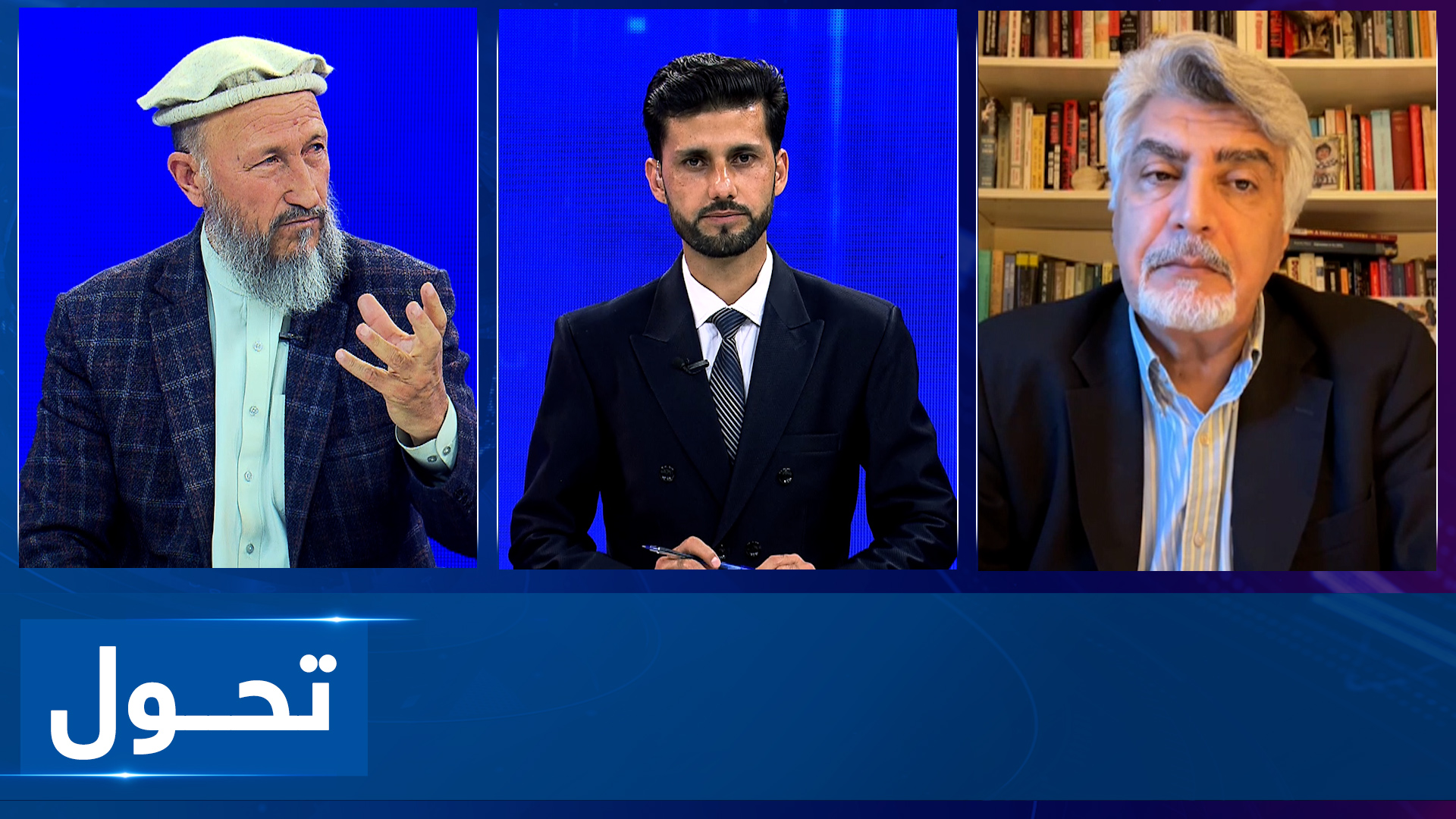
Tahawol: Efforts to halt deportation of Afghan refugees from US discussed
-

 Latest News4 days ago
Russian deputy prime minister to visit Kabul with high-level economic delegation
-
 Latest News3 days ago
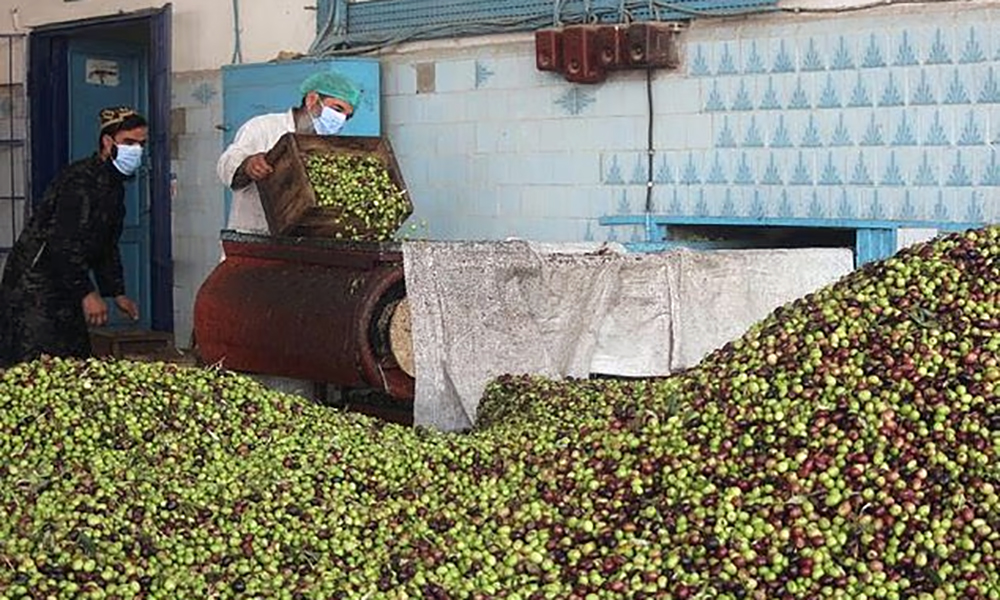
Olive farming offers new hope to Afghan farmers amid growing climate challenges
-
 Latest News4 days ago
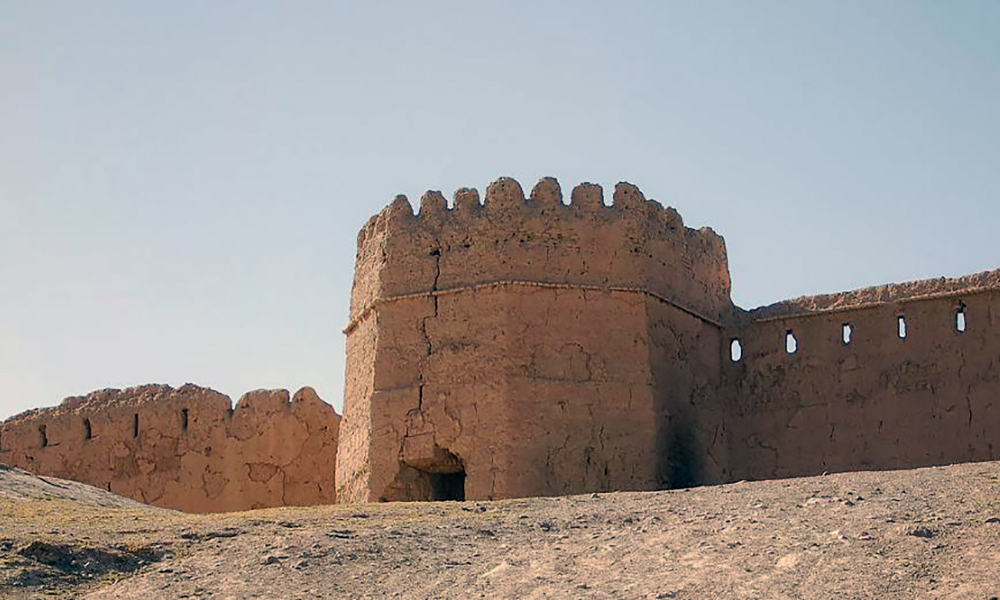
Ancient treasures unearthed at Kabul’s historic Bala Hissar
-
 Sport4 days ago
Historic first for Rahmat Shah after ICC rankings update
-
 Latest News4 days ago
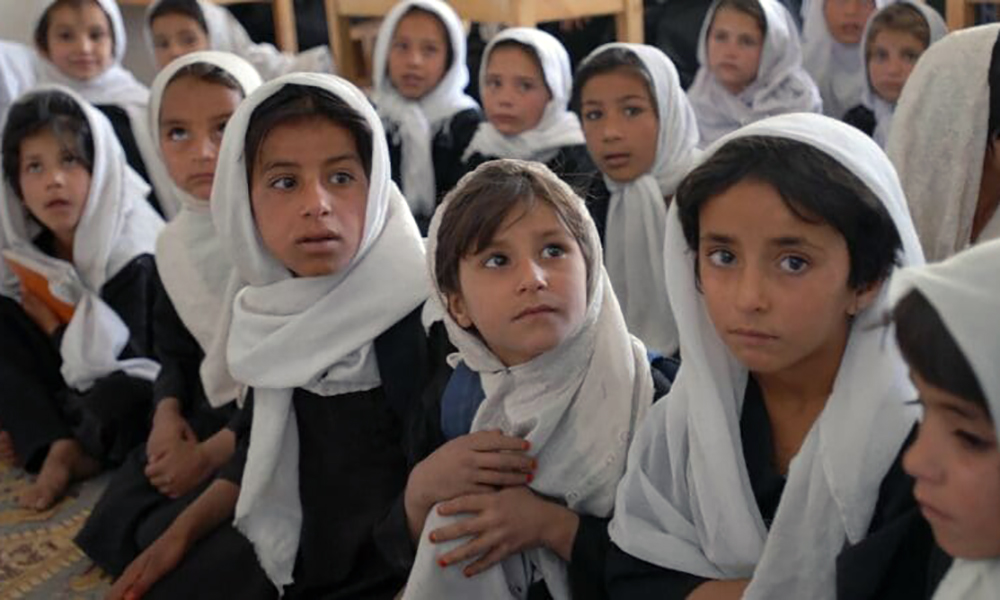
UNESCO warns Afghanistan risks losing an entire generation of professionals as girls’ education ban continues