
Latest News
Ghani tells summit Afghanistan extremely vulnerable to climate change

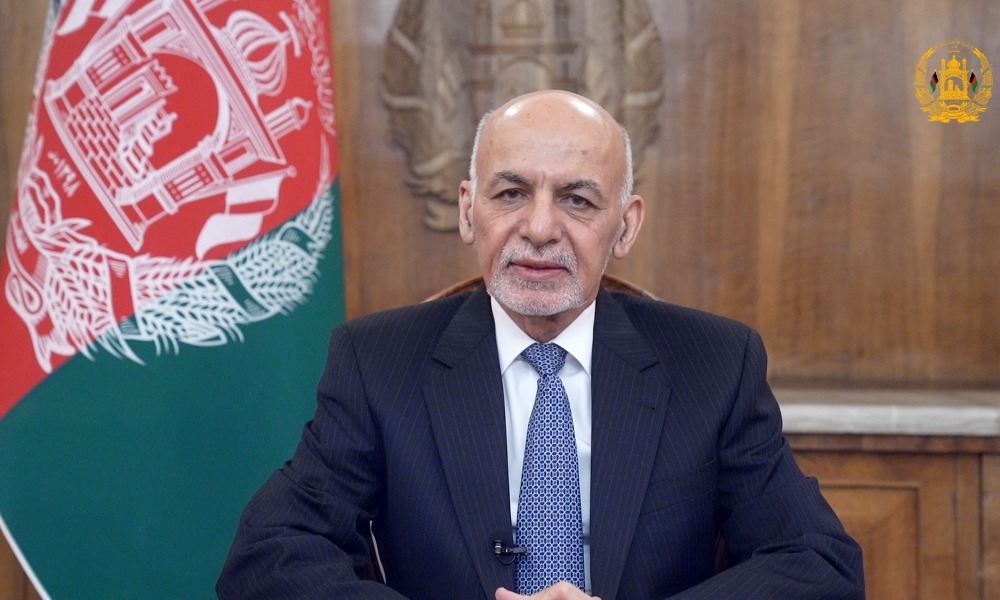
President Ashraf Ghani said this week that Afghanistan has tremendous potential to produce clean energy and develop an eco-friendly green industry.
Addressing the virtual 2020 Climate Ambition Summit Ghani said: “We have some of the most abundant supplies of sun, water, and wind [in Afghanistan].”
Ghani noted that if all energy sources are harnessed, “this could collectively produce 300,000 megawatts of power.”
He stated that the government is building hydropower stations across the country and scoping the potential for wind and solar farms.
“We recently signed an agreement with Siemens Energy that positions us to become the regional hub for reliable, sustainable and affordable energy,” he noted.
“We have the potential to serve as a platform for environmental cooperation and coordination across the region,” Ghani pointed out.
He also stated that Afghanistan is one of the most vulnerable countries in the world where climate change is concerned.
“For one, the cycle of drought has drastically shortened, from a 33-year cycle to now a five-year cycle. Our seasonal rainfall now comes in spring instead of winter, and with it, lethal floods and destructive erosion,” Ghani said.
He added that the southeastern part of the country is now believed to have gotten 1.5 degrees warmer in the last 40 years and deforestation has been rampant due to the last four decades of conflict.
The Climate Action Summit was held over two days this week and 70 Heads of State, along with regional and city leaders, and heads of major businesses, delivered a raft of new measures, policies, and plans, aimed at making a big dent in greenhouse gas emissions, and ensuring that the warming of the planet is limited to 1.5C.
The number of countries coming forward with strengthened national climate plans (NDCs) grew significantly today, with commitments covering some of the world’s biggest emitters on display.
At least 24 countries announced new commitments, strategies, or plans to reach carbon neutrality, and a number of states set out how they are going even further, with ambitious dates to reach net-zero: Finland by 2035, Austria by 2040, and Sweden by 2045.
Pakistan announced that it’s scrapping plans for new coal power plants, India will soon more than double its renewable energy target, and China committed to increasing the share of non-fossil fuel in primary energy consumption to around 25 percent by 2030.
The US was not however represented, as Donald Trump’s administration shunned the meeting, but president-elect Joe Biden issued a statement promising to hold a major event on the climate in his first 100 days in office.


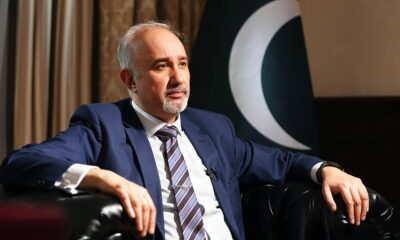

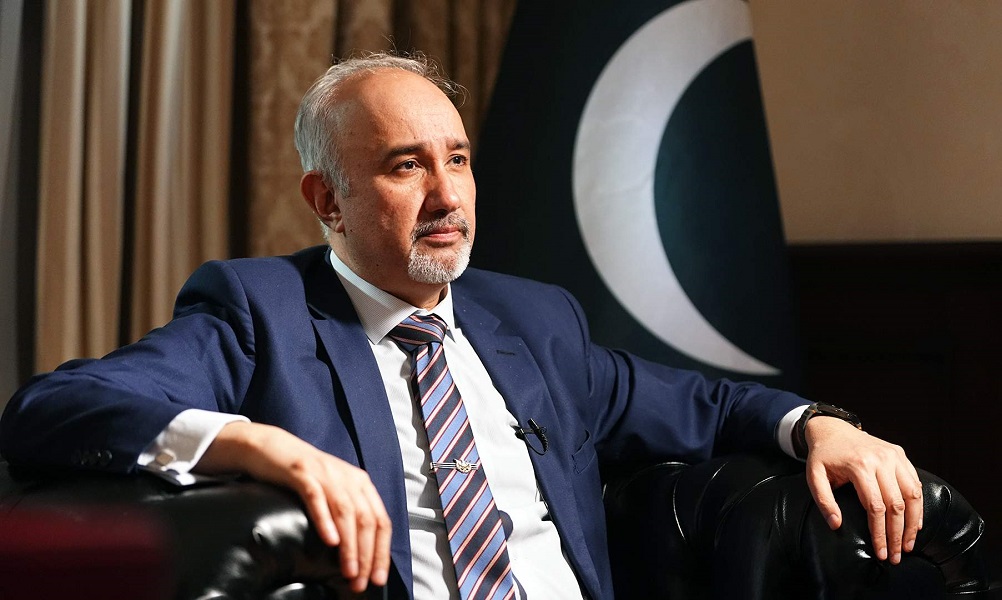
Pakistan’s ambassador to Russia, Faisal Niaz Tirmizi, has confirmed that Islamabad has asked Moscow to mediate in the ongoing conflict with Afghanistan.
In an interview with Russian daily Izvestia, Tirmizi said Pakistan is engaging with Russia and appreciates the “wonderful offer” to help resolve tensions. He noted that proposals from Russia, China, Qatar, Turkey, and Saudi Arabia led to an agreement on a temporary ceasefire.
“We tell all our interlocutors: please tell the Taliban (IEA) not to use this opportunity simply to regroup, recuperate, rearm, and re-attack,” Tirmizi said. “Because such large states as Russia or Pakistan cannot be destabilized by terrorist acts.”
The ambassador emphasized that decades of war in Afghanistan have affected not only Kabul and Islamabad but also neighboring countries, including Iran, Tajikistan, Turkmenistan, Uzbekistan, and even Russia. “Therefore, we must all trade with each other, develop education, art, and culture. Terrorism is the wrong way to go,” he added.
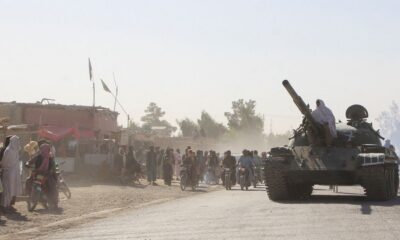
The appeal for mediation comes amid rising cross-Durand Line tensions and violence that have killed hundreds and displaced thousands in recent weeks.
Pakistani officials have repeatedly claimed that militant attacks in the country are organized in Afghanistan.
The IEA however denies the claim saying that Afghanistan is not responsible for Pakistan’s “security failure.”
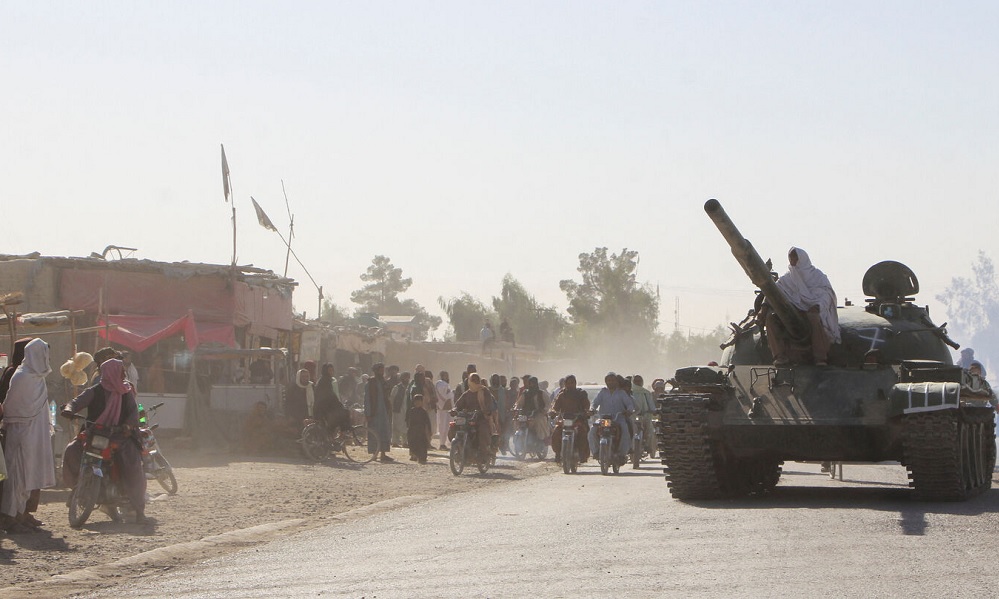
In an opinion article published on Sunday, Financial Times warned that rising tensions between Afghanistan and Pakistan risk spiraling into a wider conflict, and urged the international community to urgently re-engage with the troubled region.
The publication noted that nearly five years after the Islamic Emirate’s return to power, global attention has largely faded, despite growing instability. It highlighted restrictions on women’s rights and the worsening relationship between Kabul and Islamabad, once close allies.
According to the article, Pakistan’s ties with the IEA have sharply deteriorated since 2021. Islamabad accuses Afghan authorities of harboring militant groups responsible for attacks inside Pakistan—an allegation the IEA denies.
Recent weeks have seen a surge in violence, including cross-Durand Line airstrikes and clashes that have reportedly killed over 1,000 people and displaced more than 100,000. One of the deadliest incidents involved an airstrike on a drug rehabilitation center in Kabul, which Afghan officials say killed hundreds.
The newspaper warned that continued escalation could destabilize South and Central Asia and risk turning Afghanistan into a hub for militant activity once again.
It criticized Pakistan’s military approach, saying airstrikes alone cannot end insurgencies, and called for sustained ceasefire efforts following a temporary truce during Eid al-Fitr.
The editorial urged major powers, including the United States and China, to play a more active diplomatic role. It also pointed to China’s strategic interests in the region and suggested Beijing could step forward as a mediator.
Despite past failed attempts at peace, the Financial Times stressed that the risks are too high for the world to remain disengaged.


Iran says coastal attack will lead to full Gulf closure and mine-laying

Afghanistan expresses condolences after deadly helicopter crash in Qatar

IPL 2026: Ishan Kishan named Sunrisers’ interim captain ahead of opening clash

Pakistan seeks Russian mediation to resolve Afghanistan tensions

World must re-engage to prevent all-out Afghanistan-Pakistan war: Financial Times

Pakistani military jet downed in Afghanistan’s Jalalabad, pilot captured alive

Afghan Air Force conducts airstrikes in Islamabad, other cities

Prominent Muslim scholar issues fatwa calling for Afghanistan-Pakistan ceasefire

Afghan air force strikes key Pakistani military installations in retaliatory operation

IEA: Special circle in Pakistan has launched mission to destabilize region

Tahawol: Possibility of US ground forces entering Iran war discussed

Saar: Using US prisoners as political pressure

Tahawol: Pakistan’s efforts to destabilise Afghanistan

Saar: Decline in international assistance to Afghanistan

Tawsia: Assessment of Afghanistan’s economic activities in 1404
-
 Latest News5 days ago
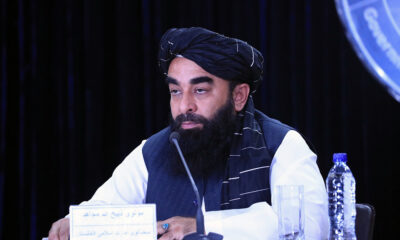
IEA announces temporary pause in defensive operations against Pakistan for Eid
-

 Latest News4 days ago
Pakistani shelling hits Kunar districts despite ‘pause in hostility’ over Eid
-

 Sport3 days ago
Afghanistan national buzkashi falls short in Kokpar World Championship semifinals
-

 Regional4 days ago
Pakistan among top nuclear threats to America, US intelligence chief tells senate
-

 Latest News5 days ago
UNAMA puts death toll from Pakistan’s attack on Kabul’s Omid Hospital at 143
-
 Latest News4 days ago
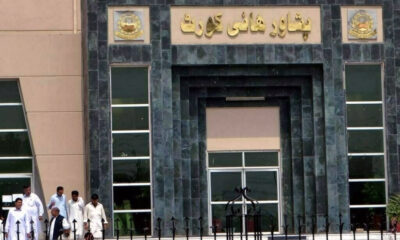
Peshawar High Court grants bail to 68 detained Afghan nationals, including minors
-

 Sport2 days ago
Ireland to host Afghanistan for ODI series in August
-

 World4 days ago
US weighs troop deployment as Iran war enters new phase