
Latest News
Hekmatyar claims political parties already in talks with Taliban

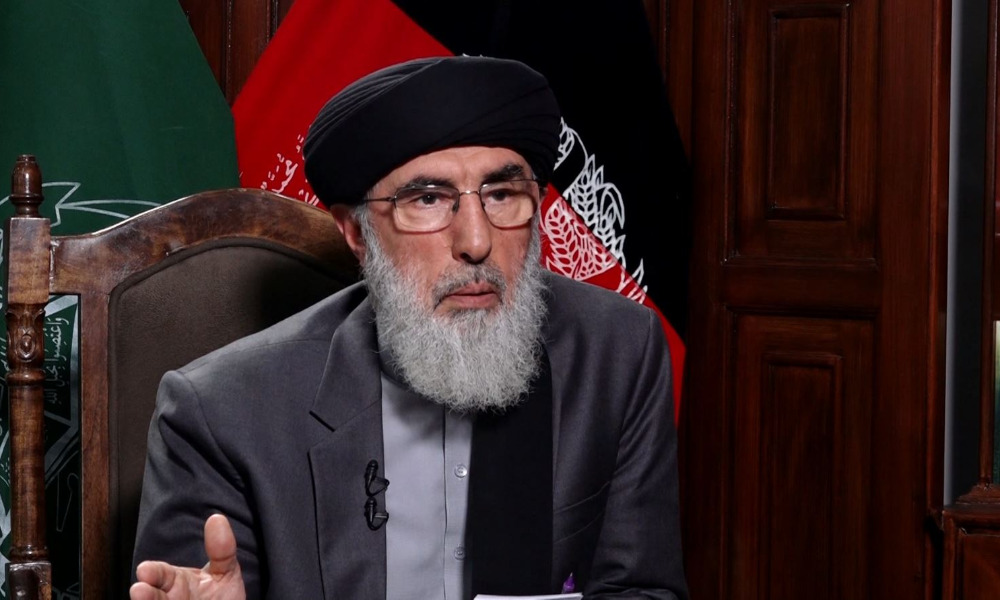
Gulbuddin Hekmatyar, the leader of Hizb-e-Islami, says that Afghan political parties have already started negotiations with the Taliban, and that initial agreements have been made.
In an interview with Ariana News, Hekmatyar stated that government’s negotiating team is not “comprehensive” and government is consulting with Afghan political parties on issues around the process.
He said that there is no consensus between government and the political parties on the Afghan peace process.
“Government does not have a political consensus, they have not reached an agreement with the leading political parties; therefore, it made the parties start direct talks with the Taliban and the Taliban is also ready to sit with the parties around the negotiating table,” Hekmatyar said.
“An initial agreement has been reached even on the location of the negotiations. The Taliban also knows that the system is not honest and they are wasting time,” he said.
Meanwhile, Hekmatyar believes that government is following a hostile policy, and urged government to change its approach to the Taliban.
The Hizb-e-Islami leader said: “I think reaching peace with the current system is impossible. If anyone wants the system and the security forces to be sustainable, and not to face Dr. Najibullah’s fate: they must enter into peace negotiations honestly.”
Najibullah was the president of Afghanistan from 1987 until his resignation in April 1992, shortly after which the mujahideen took over Kabul. After a failed attempt to flee to India, Najibullah remained in Kabul living in the United Nations headquarters until his death at the hands of the Taliban after their capture of the city.
Hekmatyar also stated that government “should not look for an alternative ally to pursue the Afghan war.”
In addition, Hekmatyar claimed that the Afghan government has no authority to make the decision in terms of the peace process, saying that the “US is a decision-maker in the process.”
The Afghan government has not yet commented on Hekmatyar’s remarks.
Opposition grows over Ghani’s decree
Hekmatyar’s statement is another hurdle in the way of intra-Afghan negotiations after a number of prominent figures baulked at President Ashraf Ghani’s decree Sunday appointing more than 40 members of the High Council for National Reconciliation.
First to reject his appointment was former president Hamid Karzai, who was then followed by former foreign minister Salahuddin Rabbani and Hekmatyar.
Abdullah Abdullah, the Chairman of the High Council for National Reconciliation meanwhile issued a statement Monday opposing Ghani’s decree.
He said the president does not have the authority to appoint people to the body tasked with leading peace talks with the Taliban.
Abdullah said in the statement that “consultations about the formation of the council continue with political and civil society leaders and it will conclude soon.”

Latest News
ANP leader calls for reopening of Afghanistan-Pakistan trade routes
Khan said residents of frontier communities had the right to trade and travel, urging Pakistani authorities to take practical measures to restore cross-frontier movement.
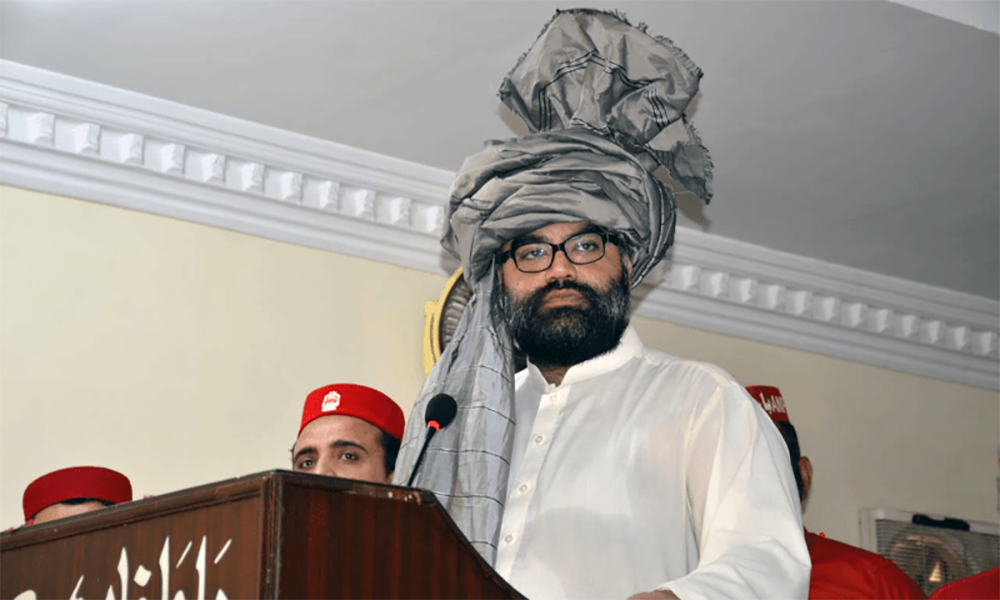
Aimal Wali Khan, a senior leader of Pakistan’s Awami National Party (ANP), has called for the immediate reopening of trade and travel crossings between Afghanistan and Pakistan, warning that their continued closure is causing serious economic hardship for communities on both sides of the Durand Line.
Speaking at a party-organized public gathering in Chaman, Balochistan, Khan said the closure of crossings had severely affected traders and the livelihoods of residents in frontier regions.
He called for the reopening of routes connecting Pashtun areas, including Chaman, Bajaur, Mohmand, Waziristan and Chitral, stressing that people’s economic opportunities should not be held hostage to political disputes.
Khan said residents of frontier communities had the right to trade and travel, urging Pakistani authorities to take practical measures to restore cross-frontier movement.
He warned that prolonged closures were deepening economic difficulties for local populations and called for a resolution that takes into account the interests and livelihoods of communities on both sides of the Durand Line.
Latest News
SNEAKO claims US authorities questioned him for eight hours after Afghanistan visit
During his stay in Kabul, the streamer met several Islamic Emirate officials, including Anas Haqqani.
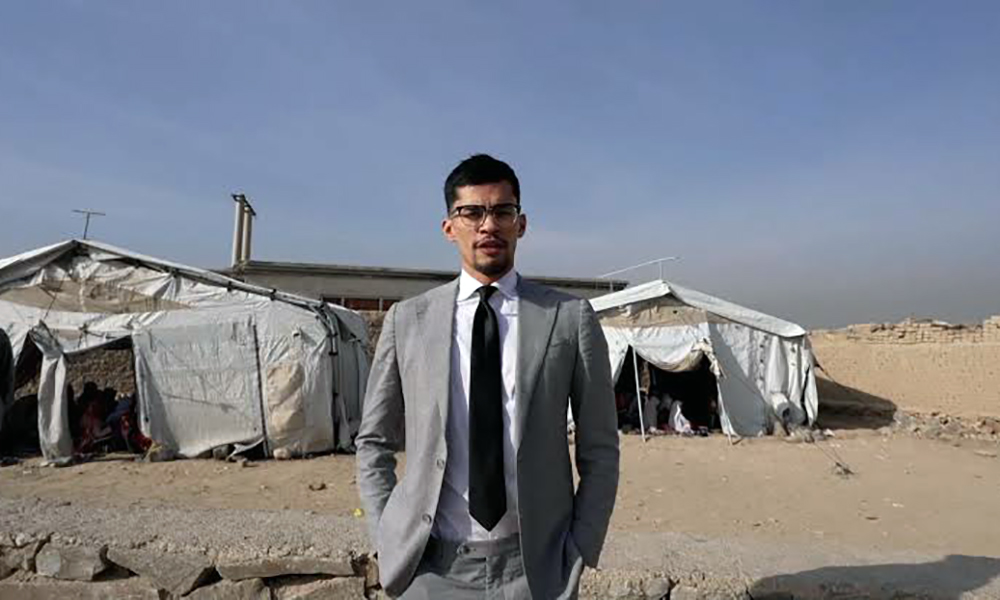
American YouTuber and online streamer SNEAKO says he was questioned by US authorities for eight hours after returning from a three-day visit to Afghanistan, during which he met several officials of the Islamic Emirate.
SNEAKO claimed that authorities also seized his electronic devices and that he had been without access to his mobile phone for 48 hours. He said the Federal Bureau of Investigation (FBI) was reviewing the device.
During his stay in Kabul, the streamer met several Islamic Emirate officials, including Anas Haqqani.
The reported questioning followed calls by a US figure for a federal investigation into SNEAKO’s livestreams from Afghanistan, raising questions about his meetings and interactions with Islamic Emirate officials.
SNEAKO has not provided further details about the questioning or the status of any investigation. US authorities have not publicly confirmed the reported interrogation or the seizure of his devices.
Latest News
UNHCR: 6.6 million Afghans have returned from Iran and Pakistan in three years
Zia Hayat, UNHCR spokesperson in Afghanistan, said the scale of returns represented an increase of approximately 15 to 20 percent in the country’s population.
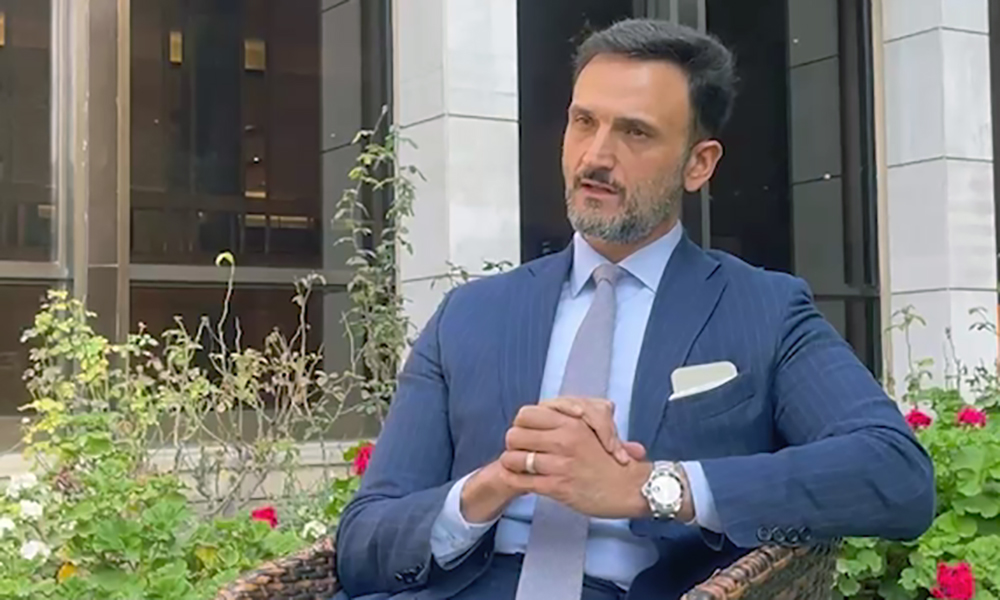
The United Nations High Commissioner for Refugees (UNHCR) says an estimated 6.6 million Afghans have returned from Iran and Pakistan over the past three years, placing significant pressure on Afghanistan’s already limited infrastructure and resources.
Zia Hayat, UNHCR spokesperson in Afghanistan, said the scale of returns represented an increase of approximately 15 to 20 percent in the country’s population.
Speaking in an interview, Hayat described the figures as “really significant and quite stark”, saying the number of returnees was comparable to the entire population of countries such as Denmark or Singapore.
“This is really significant because it’s happening in a country that perhaps doesn’t have the infrastructural capacity to handle such a massive number,” he said.
Hayat said an estimated 1.4 million Afghans had returned to the country so far this year, primarily from Iran and Pakistan.
He added that daily return figures fluctuate considerably, ranging from hundreds to thousands of people.
Hayat said UN agencies were coordinating their response to ensure returning Afghans receive assistance at border crossings and support after travelling to urban centres.
He said the assistance includes programmes aimed at helping returnees reintegrate into communities and rebuild their lives in Afghanistan.
The continued influx of returnees has increased demand for essential services, housing, employment and other resources, highlighting the challenges facing Afghanistan as it seeks to accommodate millions of people returning from neighbouring countries.

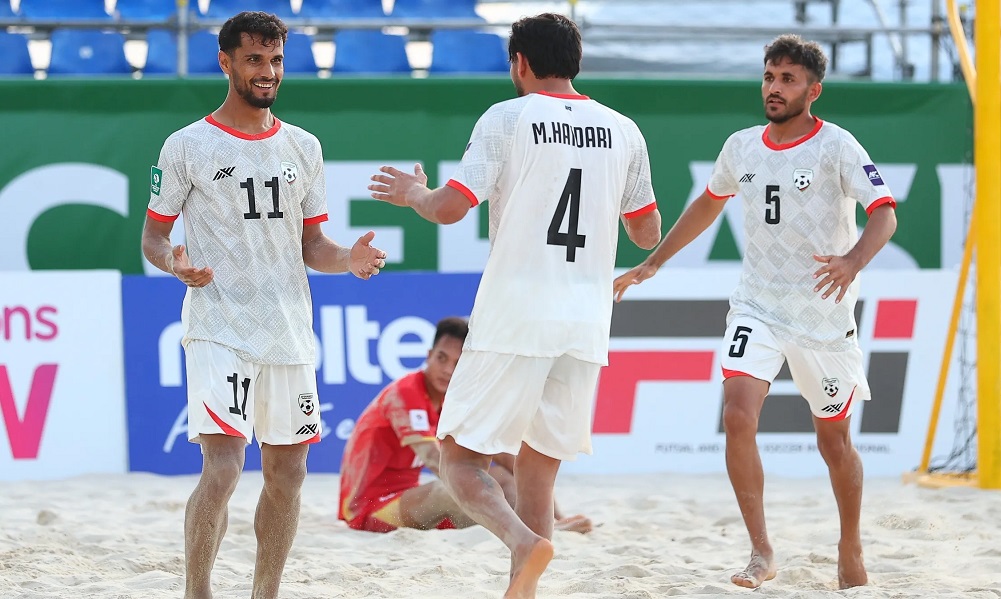
Afghanistan beat Vietnam 5-2 at Beach Soccer Asian Cup
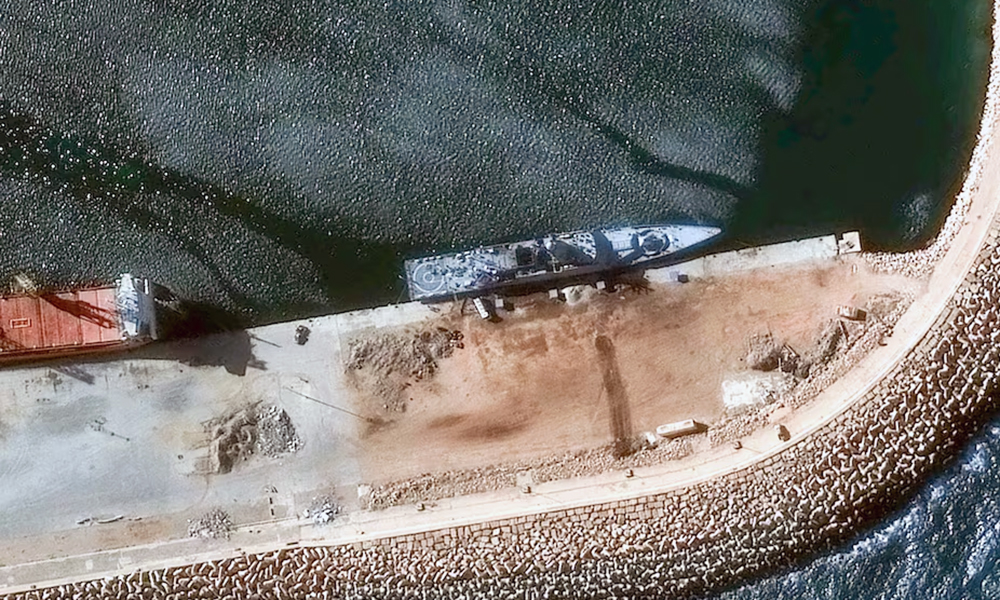
Ukraine sinks Russian warship in Libya as conflict spreads beyond Europe
ANP leader calls for reopening of Afghanistan-Pakistan trade routes
SNEAKO claims US authorities questioned him for eight hours after Afghanistan visit
UNHCR: 6.6 million Afghans have returned from Iran and Pakistan in three years

US sanctions and blockade measures disrupt Iran’s trade with Afghanistan and regional neighbors
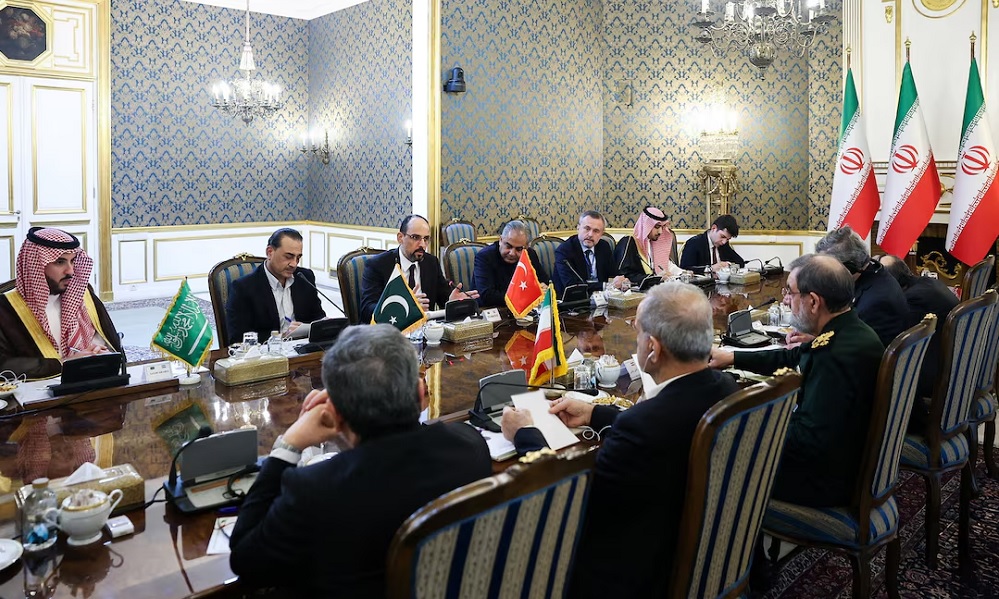
Saudi defence pact countries push for peace in Tehran as Houthis launch more attacks

England forward Kane crowned Ballon d’Or winner

Afghanistan to launch nationwide polio vaccination campaign

WFP report notes high food and fuel costs continue to pressure Afghan households

Saar: Pakistan FM’s remarks on Afghanistan
Tahawol: World Television Day discussed
Saar: Efforts to resolve Afghanistan-Pakistan tensions in Moscow reviewed
Tawsia: Afghanistan’s key economic highlights of the week discussed
Tahawol: Kazakhstan’s call for practical international engagement with Afghanistan
-
 Sport5 days ago
ATN to broadcast AFC Awards honoring Asia’s football stars
-
 Latest News4 days ago
Two Afghan nationals convicted over sexual assault of 14-year-old girl on UK train
-
 Sport4 days ago
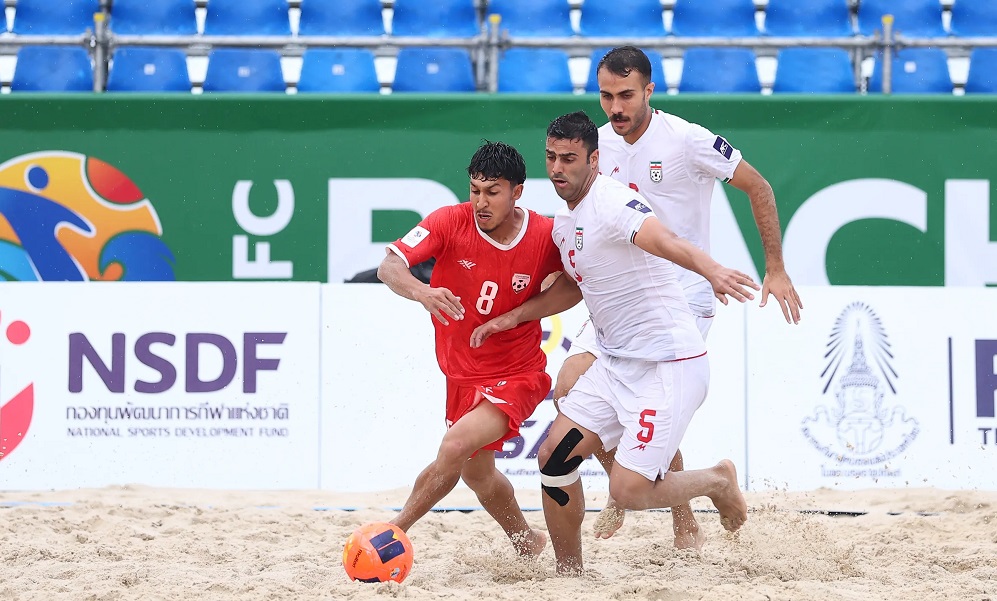
Afghanistan suffer 9-2 defeat to Iran in Beach Soccer Asian Cup opener
-
 Business4 days ago
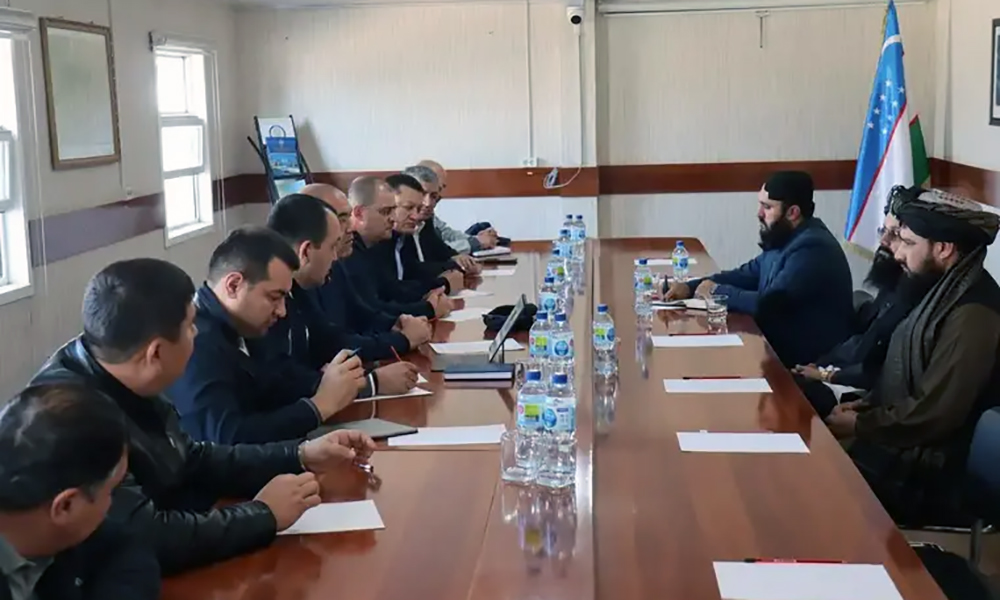
Afghanistan and Uzbekistan agree to expand railway cooperation and boost freight traffic
-
 Science & Technology4 days ago
North Korea shows off AI chatbot at IT exhibition
-
 Latest News4 days ago
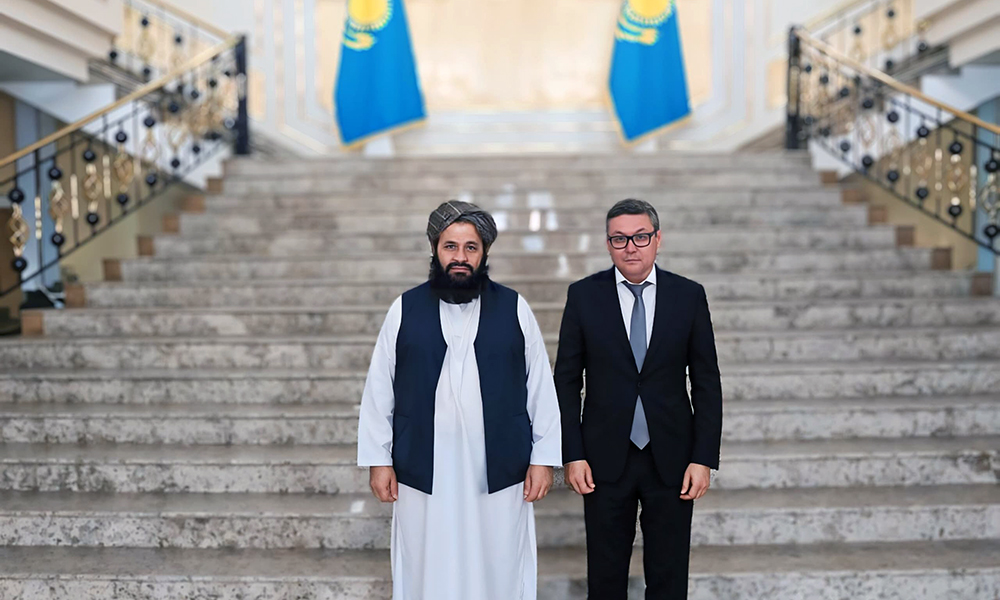
Kazakhstan steps up efforts to support Afghanistan’s stability and economic recovery
-
 Latest News2 days ago
US judge questions Trump administration’s policies targeting refugees
-
 Latest News4 days ago
Sweden rejects asylum request of former Afghan ambassador, plans deportation to US: Le Monde