
Latest News
High Council claims all obstacles in way of peace talks ‘have been removed’

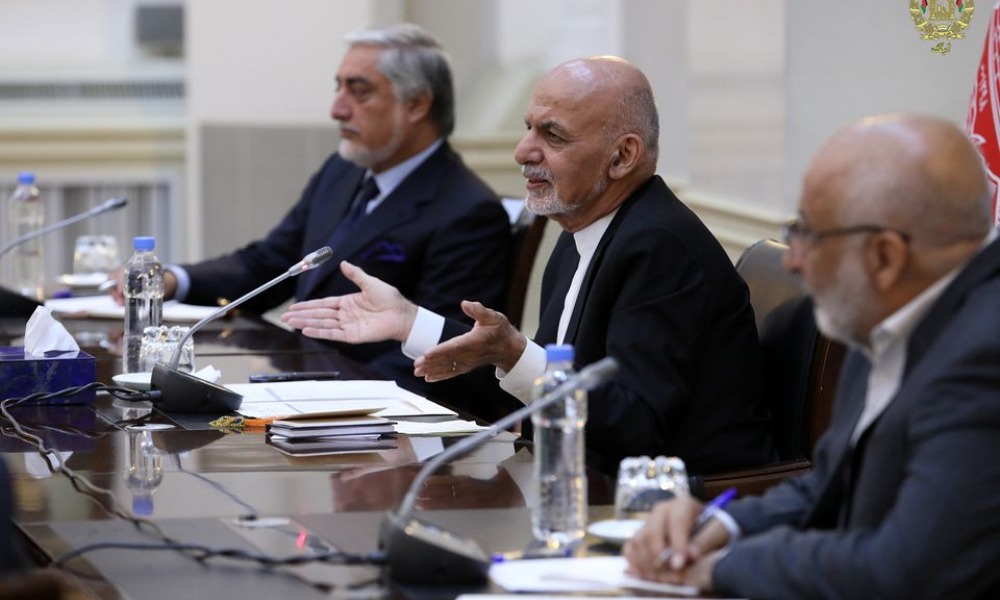
Faraidoon Khawzon, a spokesman for the High Council for National Reconciliation (HCNR), said on Wednesday that as soon as the prisoner release process has been completed a team will travel to Doha, Qatar, to start intra-Afghan negotiations.
According to Khawzon: “All obstacles ahead of the intra-Afghan talks have been removed. The prisoner swap process will be completed soon. After the completion of the process, the talks will start.”
Other HCNR officials meanwhile said that if the remaining 120 prisoners are released on Wednesday a negotiating team could leave for Doha on Thursday.
This latest development comes a day after the Afghan government released 200 of the 320 hardcore Taliban prisoners, which has been a stumbling block in the way of peace talks.
In addition, President Ashraf Ghani met with the peace talks team in Kabul on Wednesday morning.
HCNR Chairman Abdullah Abdullah, and Head of Negotiating Team Masoom Stanekzai were also in attendance.
Ghani told the team: “I am pleased that the Government of the Islamic Republic of Afghanistan has reached this critical stage of peace as a result of its continuous efforts and you, as a united and cohesive team, on behalf of the people and government of Afghanistan, are beginning peace talks with the Taliban.”
Ghani assured them that they had the full support of government and the people of Afghanistan and said the team’s “strength in diversity, unity and coordination,” was testimony to the strength of the country’s democracy and diversity.
“Our national charter, which is the constitution, sets the boundaries for all of us,” he added.
“Our ulema, women and youth each have their own national and political weight in the composition of the peace negotiating team and they will represent each and every section of our society well, because it is an absolute civic and national team,” he said.
Ghani also thanked Abdullah for having successfully led the recent Peace Consultative Loya Jirga.
“In the presence of national, regional and international consensus, our goal is a prosperous, free, united, independent and peaceful Afghanistan,” he said.
“The main goal of our delegation is to end the violence, because the people want lasting peace and the preservation of the values of the new society,” he added.
Ghani stressed that government had fulfilled all its commitments in the peace process that the international community had hoped for and that the release of Taliban prisoners was a clear demonstration of the government’s commitment to peace.
Abdullah meanwhile said: “You have the strong support of the Government and people of Afghanistan and will continue to work for national sovereignty, national values and national interests during the negotiations.”
He also pointed out that the team’s composition represented the diversity of the people of Afghanistan.
Abdullah said the Afghan government has shown its commitment to the peace process, because the release of Taliban prisoners had not been an easy decision to make.
“You have a difficult task and we are all united to achieve a dignified and lasting peace,” he told the negotiating team.
However, he made it clear that government is strongly committed to peace and that the Taliban must also show its commitment in this regard.
In conclusion, Ghani said the people of Afghanistan hoped an agreement would bring a reduction in violence and a permanent ceasefire so that lasting and dignified peace can be achieved as soon as possible.



Latest News
Qatar, UK discuss Afghanistan and diplomatic efforts to ease regional tensions
They also exchanged views on the latest developments in the Palestinian territories, Lebanon, Syria and Afghanistan.

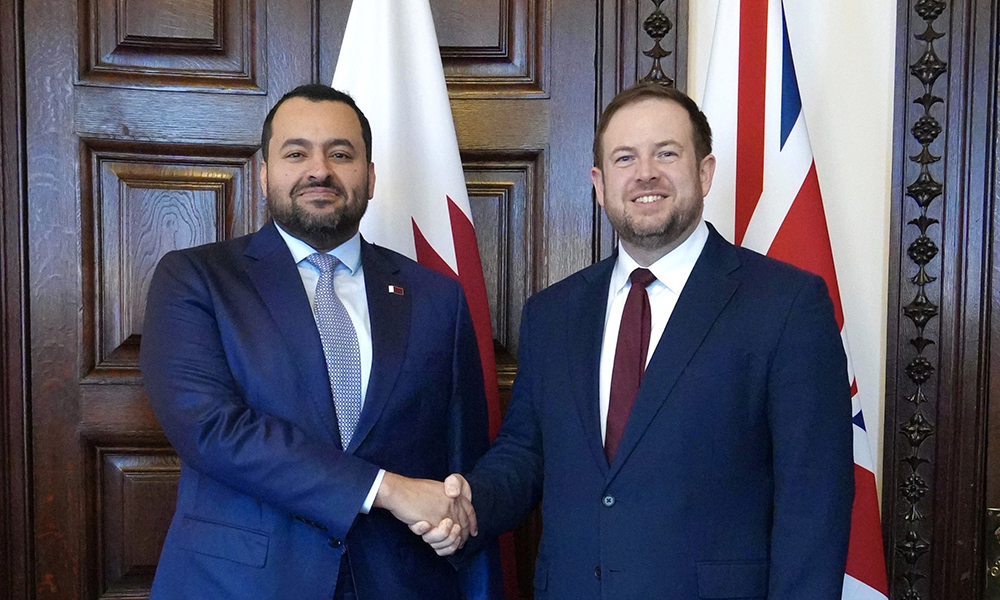
Qatar and the United Kingdom have discussed developments in Afghanistan and the wider region, with both sides emphasizing diplomatic efforts and coordination to reduce tensions and strengthen regional stability.
According to Qatar’s Ministry of Foreign Affairs, Minister of State Dr. Mohammed bin Abdulaziz bin Saleh Al Khulaifi met with UK Minister of State for the Middle East and North Africa Stephen Doughty in London on Tuesday, November 17.
During the meeting, the two officials discussed bilateral relations and ways to strengthen cooperation, including activating a memorandum of understanding signed between the two countries on mediation and working together to resolve conflicts peacefully.
They also exchanged views on the latest developments in the Palestinian territories, Lebanon, Syria and Afghanistan, focusing on diplomatic initiatives and joint coordination to de-escalate tensions and enhance regional security and stability.
Al Khulaifi reaffirmed Qatar’s support for diplomatic efforts aimed at ensuring freedom of maritime navigation and paving the way for a comprehensive agreement that would bring lasting peace to the region, the ministry said.
Latest News
Afghanistan’s economy grows despite rising food insecurity and water crisis: World Bank
Despite an improved harvest, an estimated 15.9 million people faced acute food insecurity during September and October 2026, according to the Integrated Food Security Phase Classification (IPC).
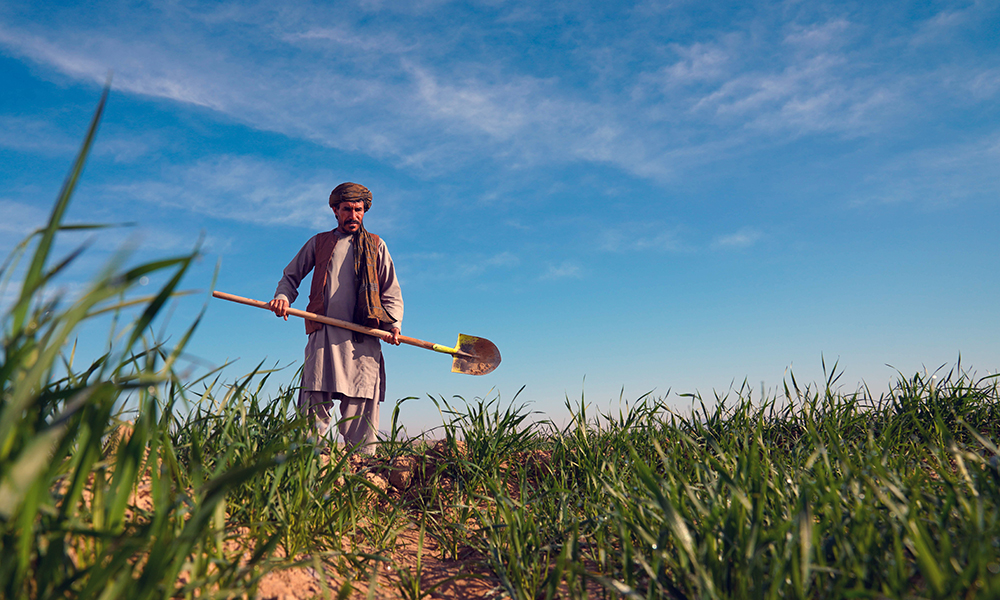
Afghanistan’s economy is projected to expand by three percent in 2026, supported largely by a strong agricultural harvest. However, declining household incomes, rising food prices and worsening water shortages continue to threaten livelihoods, according to the World Bank’s latest economic assessment.
In its Fall 2026 Afghanistan Development Update, released on November 18, the World Bank said economic output per capita is expected to fall by 3.3 percent for the third consecutive year, as population growth is forecast to reach 6.6 percent.
The report highlighted growing pressure on household finances, with fewer employment opportunities and higher food costs reducing purchasing power. In September, casual labourers recorded 14 percent fewer working days than a year earlier, while their weekly earnings could purchase 27 percent less wheat flour.
Despite an improved harvest, an estimated 15.9 million people faced acute food insecurity during September and October 2026, according to the Integrated Food Security Phase Classification (IPC).
The World Bank also reported a 10.2 percent increase in domestic revenue during the first half of 2026, driven by higher tax and non-tax collections despite declining customs duties. However, public investment remains limited, with capital expenditure projected at just 1.3 percent of gross domestic product.
Trade disruptions are adding to the economic challenges. The closure of border crossings with Pakistan has forced around 97 percent of Afghanistan’s imports to be routed through Central Asia and Iran. Exports also fell by 15.1 percent between April and September compared with the same period last year.
The report raised particular concern over Afghanistan’s worsening water crisis, estimating that the country has lost approximately 4.9 billion cubic metres of freshwater reserves annually since 2003.
In Kabul, groundwater extraction is occurring at nearly four times the rate of natural replenishment, placing increasing pressure on already limited water resources.
The crisis also threatens rural livelihoods, with agriculture accounting for 46 percent of employment and approximately 95 percent of the country’s water withdrawals.
Looking ahead, the World Bank forecasts economic growth of 3.3 percent in 2027 and 3.5 percent in 2028. However, despite the projected recovery, output per capita in 2028 is expected to remain around 7 percent below its 2024 level.
The report warned that several risks could undermine the outlook, including a poor harvest, further disruption to trade routes, another large influx of returning Afghans and deeper reductions in international assistance.
It also called for more reliable trade corridors, expanded employment opportunities in provinces receiving large numbers of returnees, and the restoration of access to education and employment for women and girls.
Addressing the water crisis, the World Bank emphasized the need to restore essential water and sanitation services, repair irrigation infrastructure and strengthen the protection of watersheds and groundwater reserves.
Latest News
Afghanistan and Azerbaijan discuss expanding regional transport and trade cooperation
The Afghan delegation is also expected to visit several Azerbaijani territories, including Shusha, Aghdam, Khojaly and Fuzuli.
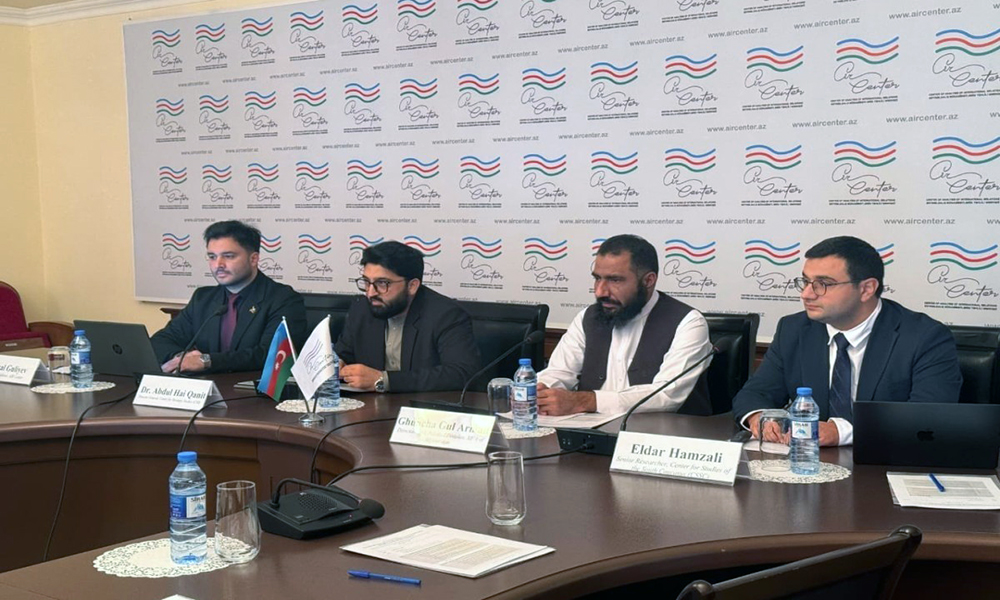
Afghanistan and Azerbaijan are exploring ways to strengthen economic ties, improve regional connectivity and expand cooperation on major transport routes, including the Lapis Lazuli Corridor.
The discussions took place during a joint roundtable in Baku titled “Strategic Convergence of Trans-Eurasian Transit and Trade Routes: Connectivity and Sustainable Development,” organized by Azerbaijan’s Center of Analysis of International Relations (AIR Center) and Afghanistan’s Center for Strategic Studies (CSS), APA reported.
AIR Center Chairman Farid Shafiyev highlighted the longstanding historical ties between the two countries and called for stronger economic cooperation, improved regional transport links and expanded educational opportunities.
Shafiyev reaffirmed Azerbaijan’s support for Afghanistan’s sovereignty and independent decision-making, saying Baku was ready to contribute to the country’s development through education and scholarship programmes. He also expressed hope that closer ties between the two research institutions would encourage regional dialogue and joint initiatives.
Abdul Hai Qanit, Director General of Afghanistan’s Center for Strategic Studies, described Azerbaijan as an important regional partner and called for deeper political dialogue, increased trade and investment, and greater cooperation on transport infrastructure.
Qanit particularly emphasized the importance of developing the Lapis Lazuli Corridor to improve Afghanistan’s access to regional and international markets. He also said establishing an Azerbaijani embassy in Kabul would be an important step towards strengthening diplomatic relations.
The first panel examined opportunities to connect the Middle Corridor with the Lapis Lazuli Corridor, focusing on transport infrastructure, streamlined customs procedures and Azerbaijan’s potential as a regional transit hub. Discussions also covered the TRIPP project and broader regional cooperation.
The second panel focused on post-conflict reconstruction and sustainable development, examining Afghanistan’s development challenges since 2021, reconstruction efforts in Karabakh, digital transformation and opportunities for regional economic integration.
The Afghan delegation is also expected to visit several Azerbaijani territories, including Shusha, Aghdam, Khojaly and Fuzuli.

Qatar, UK discuss Afghanistan and diplomatic efforts to ease regional tensions

Afghanistan’s economy grows despite rising food insecurity and water crisis: World Bank
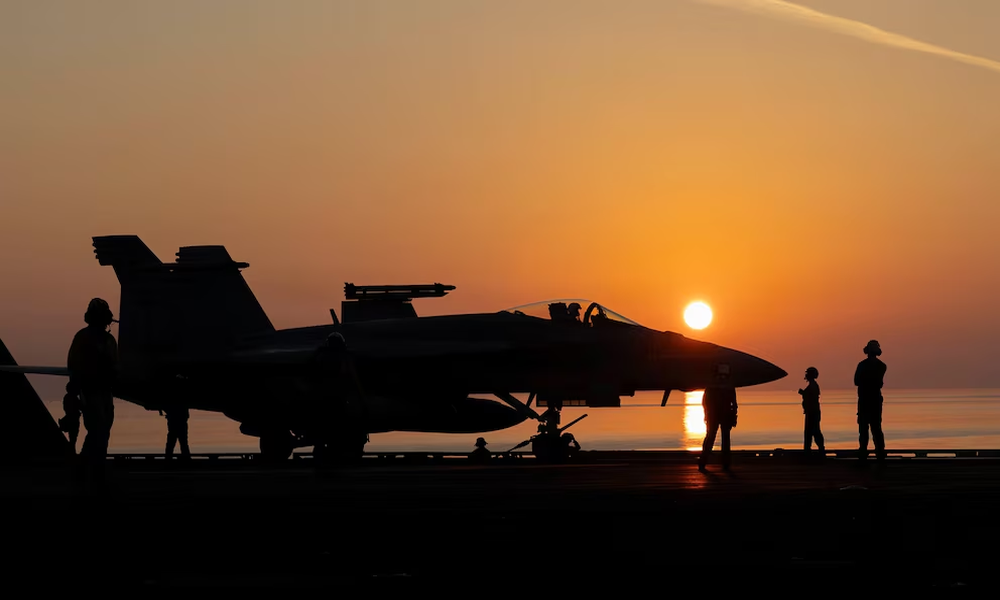
US strikes Iranian military site as Gulf states report fresh attacks
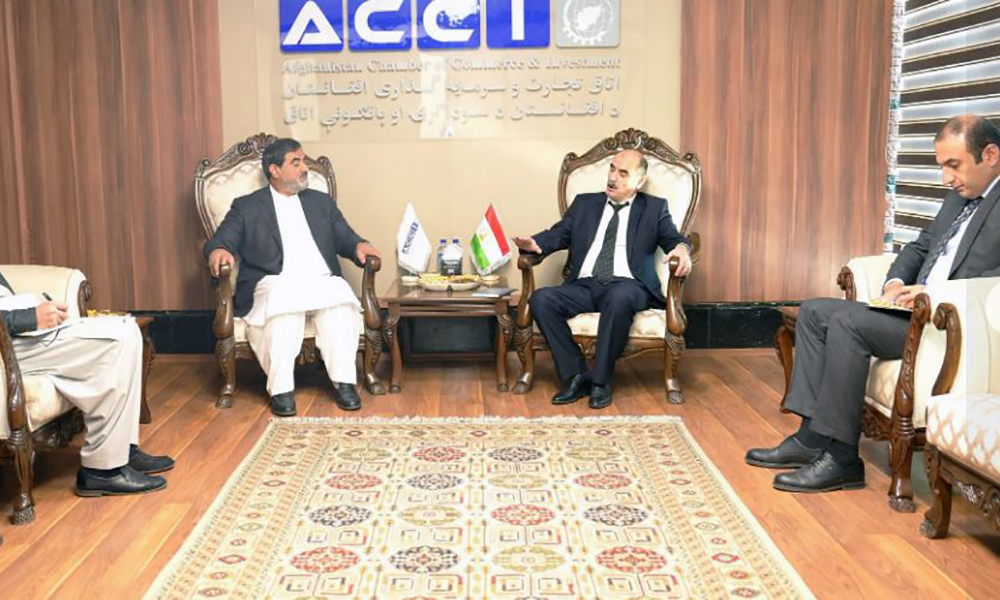
Tajikistan seeks to establish joint market along border with Afghanistan
Afghanistan and Azerbaijan discuss expanding regional transport and trade cooperation

Governments take websites offline as critical cyber flaws trigger global alert

Afghanistan’s new Wakhan road to China faces major hurdles

Iran calls for extending Herat railway to Uzbekistan border
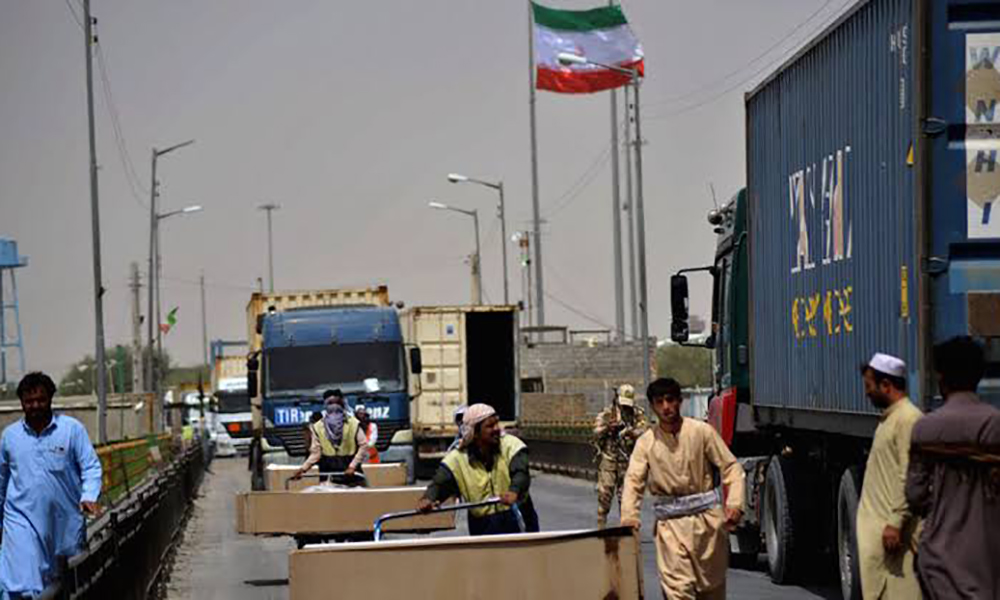
US sanctions and blockade measures disrupt Iran’s trade with Afghanistan and regional neighbors

Pakistan exporters suffer billions in losses as Afghanistan trade halt continues
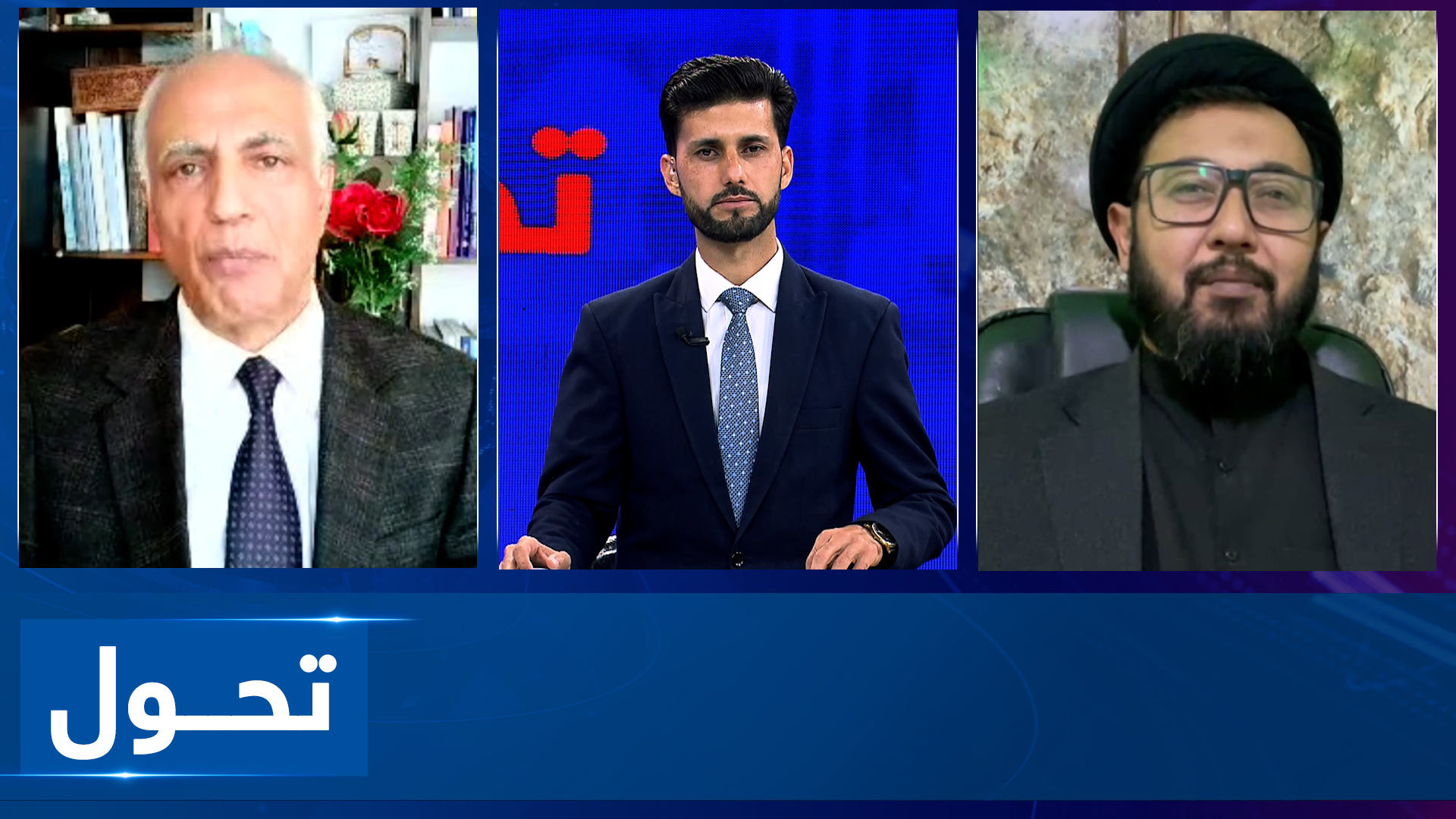
Tahawol: 80th anniversary of Afghanistan’s UN membership discussed
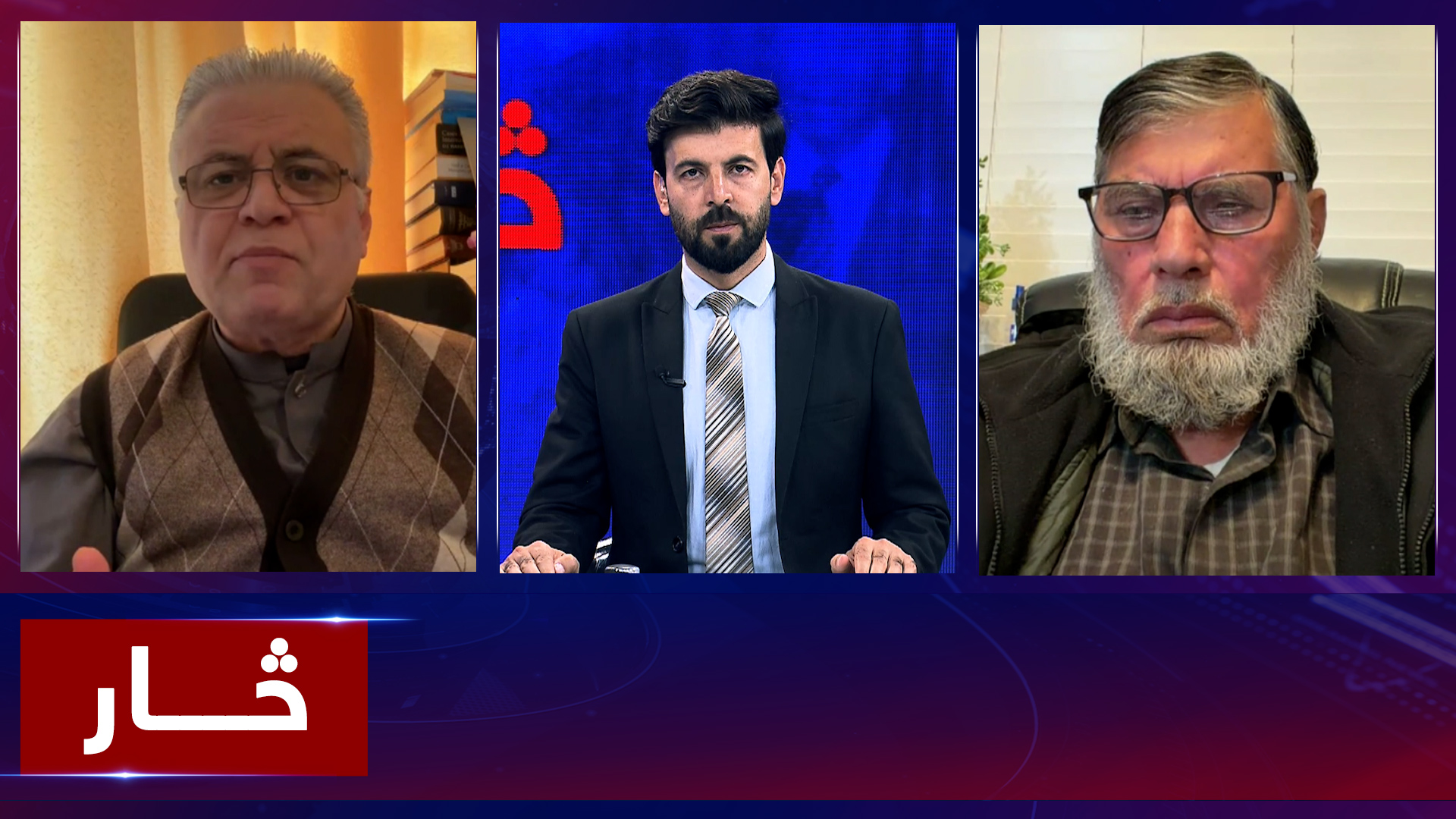
Saar: Europe’s shift toward engagement with the IEA discussed
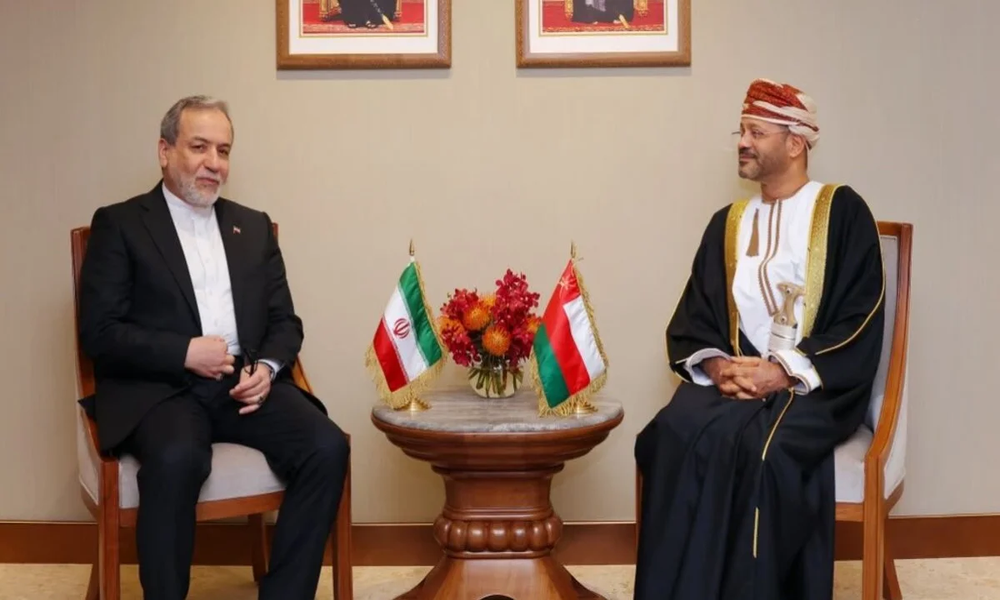
Oman and Iran discuss restoring shipping through Strait of Hormuz
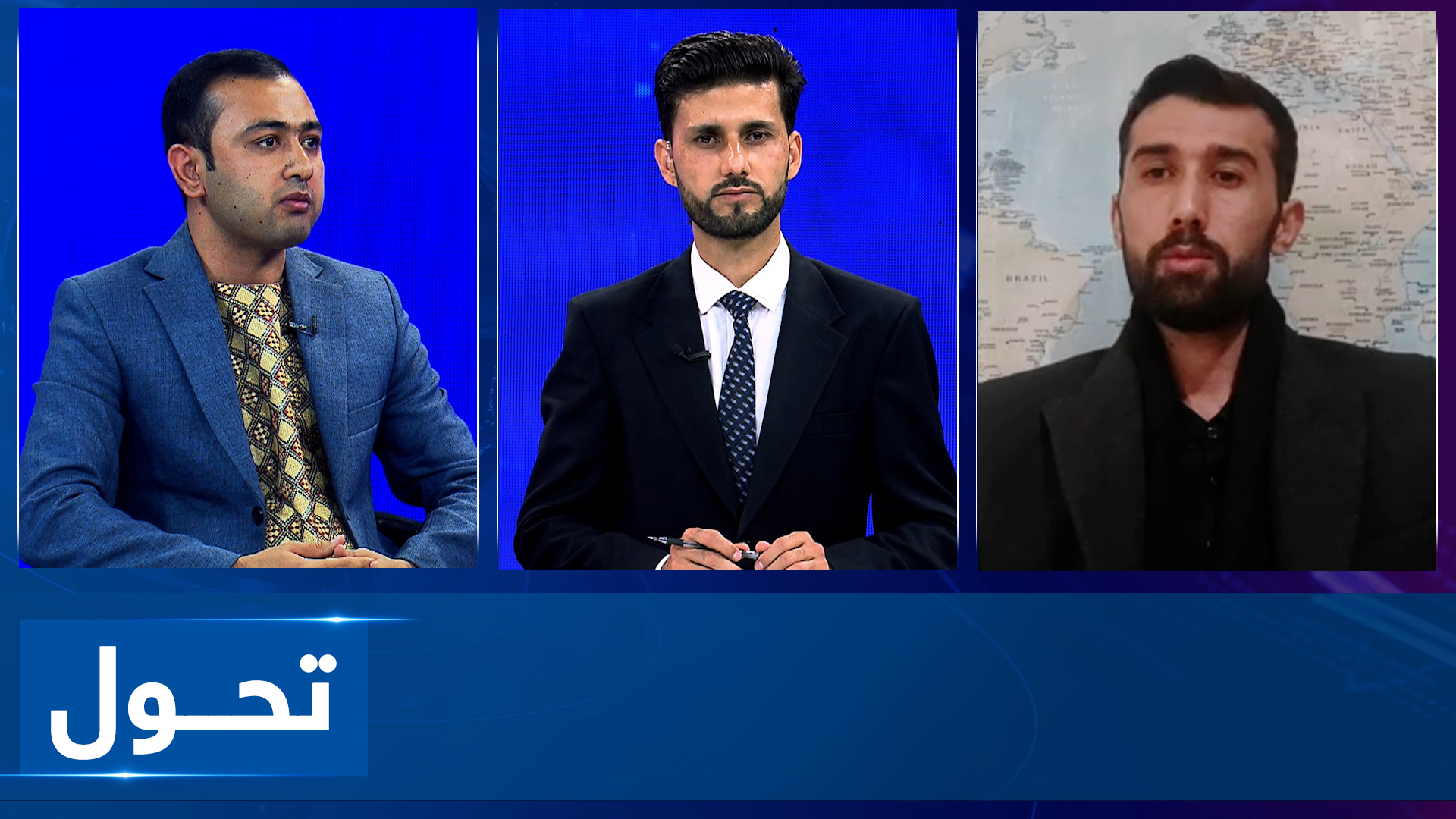
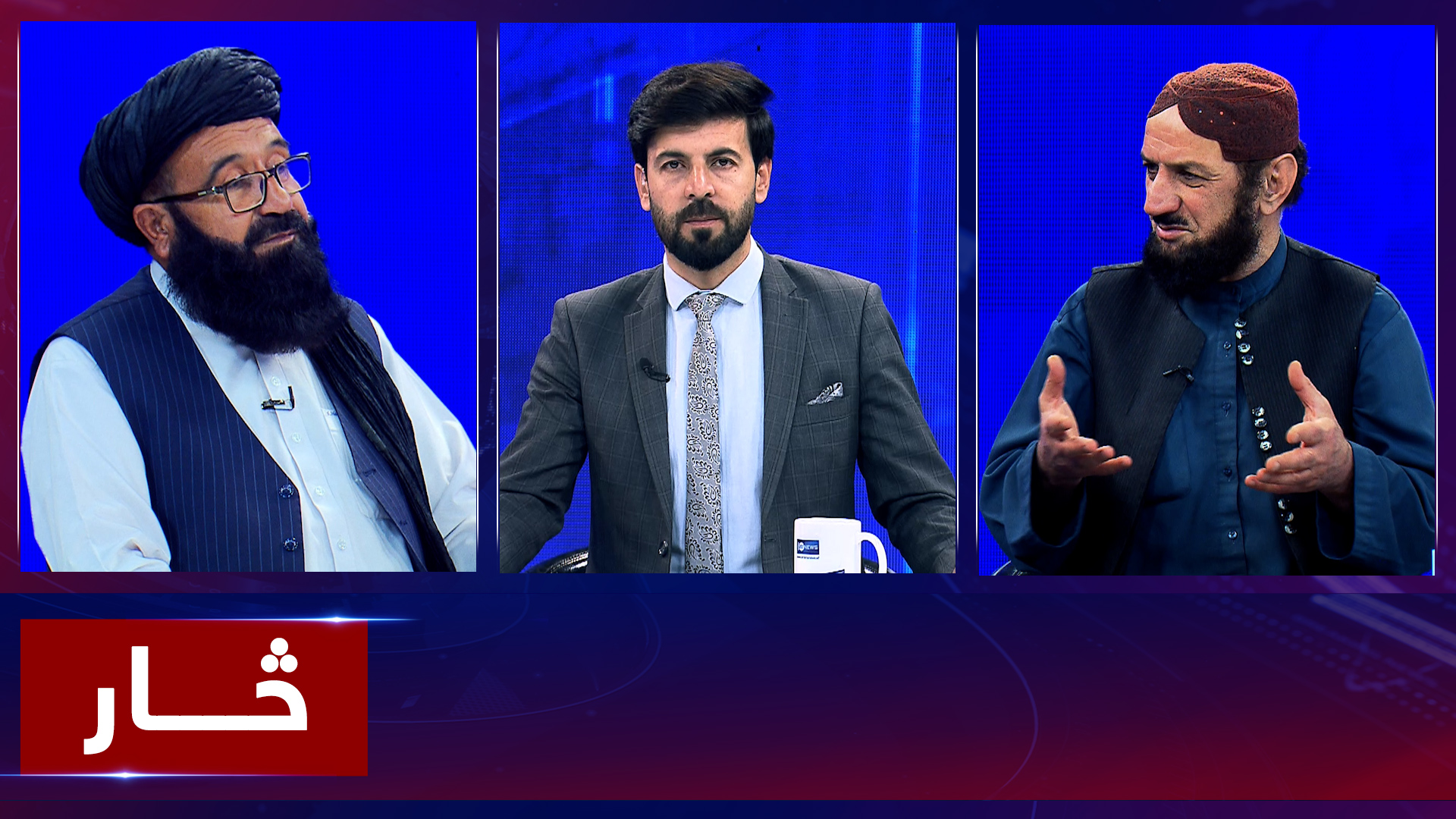
Tahawol: Afghanistan absent from ECO meeting
Saar: ECO meeting kicks off in Islamabad
-
 Latest News4 days ago
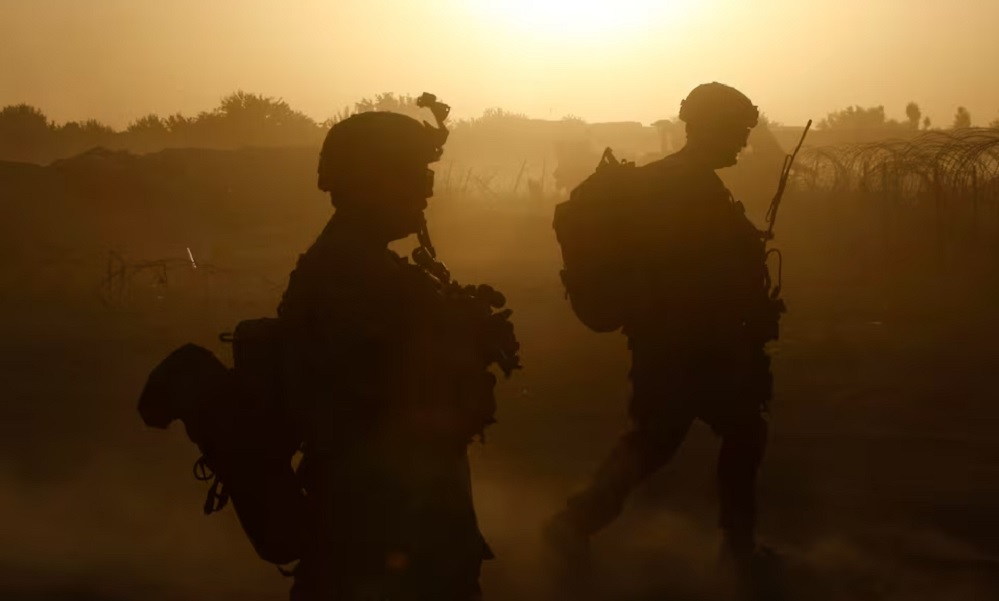
ICC halts probe into alleged crimes by US troops in Afghanistan
-
 Sport5 days ago
Debutant Naseer Khan strikes four as Afghanistan fight back against Zimbabwe in second Test
-
 Sport3 days ago
ILT20 teams required to field at least two UAE and Afghanistan players in Season 5
-

 Latest News5 days ago
Russia calls UN report on Afghan opium ‘political propaganda’
-
 World4 days ago
US to resume flights after air traffic network failure sparks chaos
-
 Sport3 days ago
Arman FC cruise to 5-0 victory over Istiqlal Kabul in ACL match
-
 Sport4 days ago
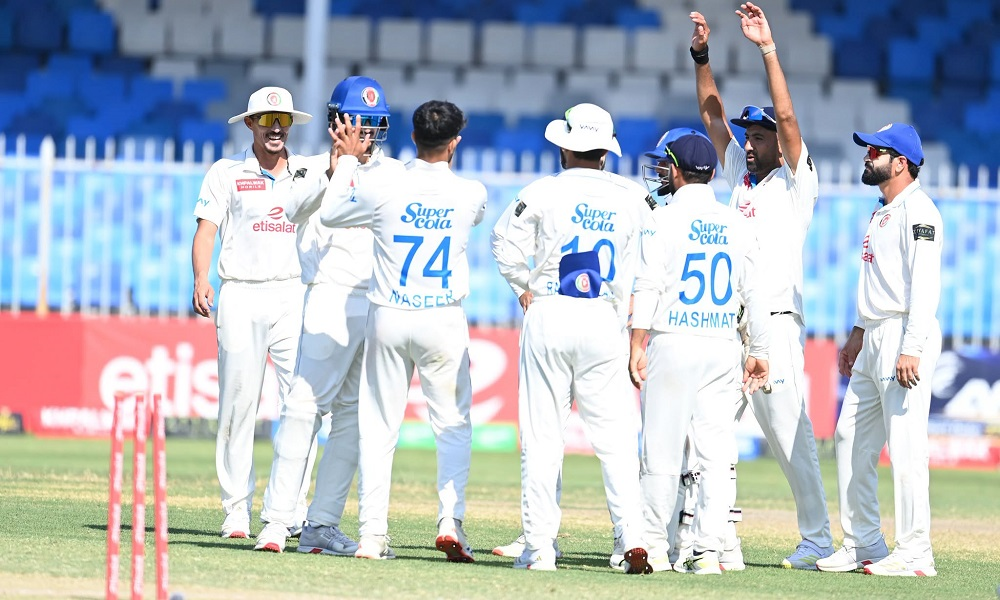
Afghanistan trail Zimbabwe by 180 runs at stumps on day two of second Test
-
 Climate Change5 days ago
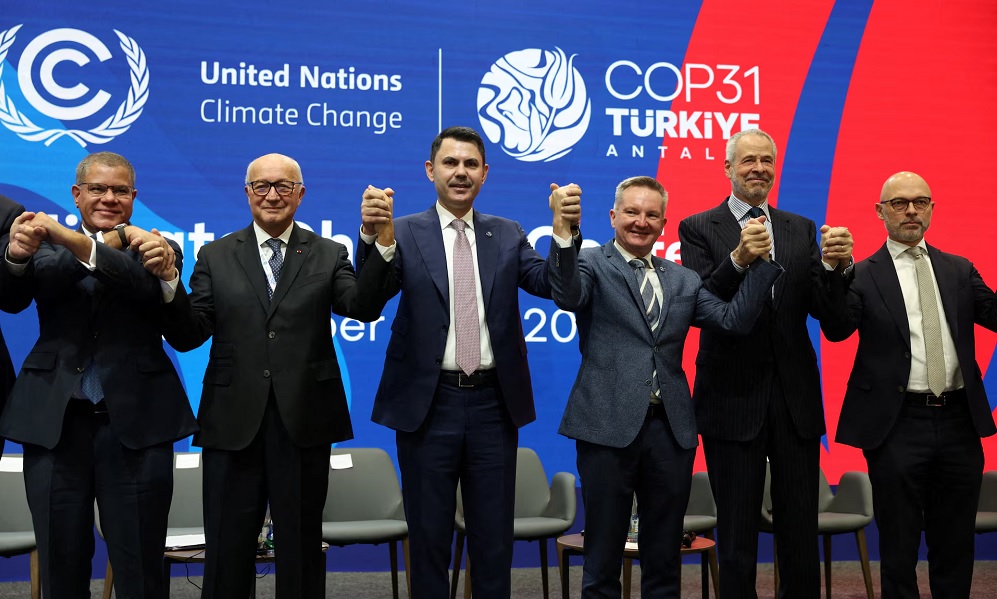
Urgent climate finance pleas at COP31 face a non-urgent response