
Latest News
IEA responds to UN report, says Afghanistan should not be viewed as an ‘ungoverned space’

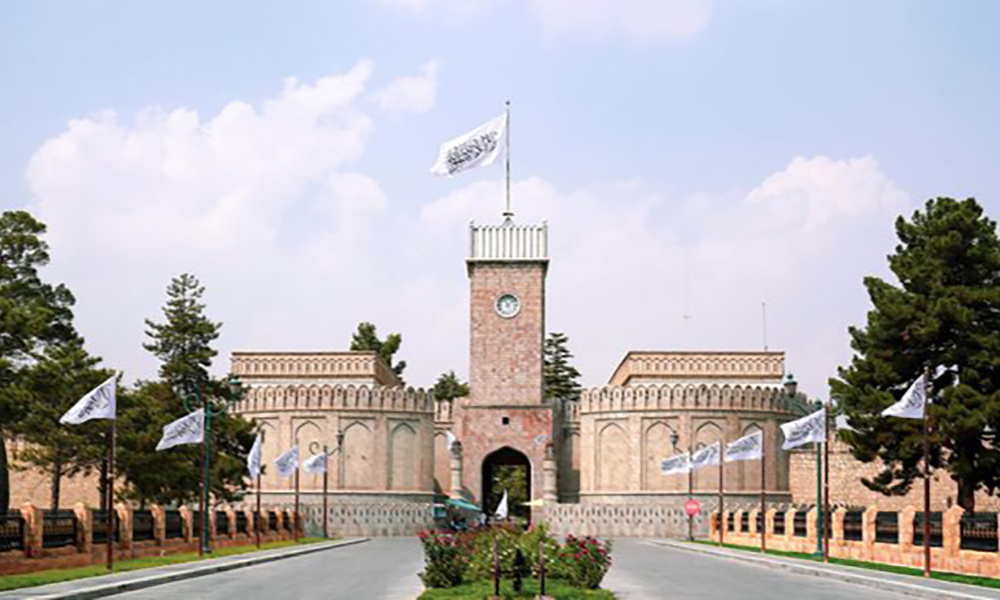
The Islamic Emirate said Tuesday that Afghanistan should not be viewed as a political vacuum nor as an “ungoverned space” by the international community as the country has a “strong central government that is perfectly capable of managing its internal affairs”.
This was stated in a document, titled Islamic Emirate of Afghanistan’s view on assessment by UN Special Coordinator. The document seen by Ariana News, was in response to the UN Special Coordinator Feridun Sinirlioglu’s report to the UN last week.
Sinirlioglu gave three recommendations regarding Afghanistan – continuing UN-convened special envoys’ meetings; appointing a UN special envoy to address Afghanistan’s issues and draw up a roadmap for the country’s future; and forming an international contact group.
In response to this report, the Islamic Emirate of Afghanistan said in the document that the “establishment of parallel mechanisms by the United Nations such as a Special Envoy are unacceptable.”
The IEA said the country possesses a strong government capable of discharging the country’s national and international obligations. “This government is obligated to take into consideration the religious values and national interests of the country during all engagements, and will not allow anyone to interfere in our internal affairs,” read the document.
The IEA said however that the UN Secretary General, Antonio Guterres, and the UN Security Council’s continued interest in engagement with Afghanistan and any attempts at improving dialogue and engagement “are most welcome”.
In response the claims by the UN special envoy on women’s rights abuses, the IEA said: “The end of armed conflict, implementation of a general amnesty, and decrees by our leader protecting the fundamental rights of women, including the right to inheritance, consensual marriage, and free and unfettered access to justice have enabled Afghan women to secure some of their most basic rights and seek enforcement through government institutions.”
The IEA stated that hundreds of thousands of women continue to work in the public sector, specifically in education, health, security and other ministries. “Approximately 23.4% of all civil servants are women,” the document read.
The IEA also stated that a major initiative to promote women entrepreneurs has been launched; that it has rounded up thousands of street beggars – majority of which were women. These women now receive a regular stipend.
According to the document, the IEA’s strong central government, which extends to all corners of the country, has unified Afghanistan politically and socially.
“In a short period of time, the government has established a large and well-trained security force that has effectively provided security and combated Daesh,” read the document.
Following decades of conflict, the newfound security in the country has enabled the neighboring and regional states to “expand economic ties with the Islamic Emirate of Afghanistan, and Afghanistan is beginning to be utilized as an indispensable node in regional connectivity,” read the document adding that a complete ban on the cultivation, use and dealing of drugs has been effective.
The IEA however blasted the international community for its “malicious and illegal sanctions. Noting other achievements made, the IEA stated “the government’s sound economic policies have helped Afghanistan stave off economic pressures. Inflation today is virtually in the negative and the country’s currency is outperforming most world currencies.”
On the issue of an inclusive government, the IEA said: “The Afghan government will continue to strive to broaden the makeup of governance to the greatest extent possible.
“Any attempts to bring back failed figures from the past or form a shares-based government is in stark conflict with the historical sacrifices of Afghans in pursuit of their independence. It is also worth noting that along with a range of other issues, the definition of inclusiveness varies
profoundly between Afghans and some foreigners.
“One reason for approval of the Emirate among the Afghans is that it freed them from the clutches of the former corrupt and oppressive rulers, and
eliminated warlordism from the country,” the document read.
On Sinirlioglu’s recommendations, the IEA stated it “welcomes recommendations of the assessment that supports the strengthening of national economy of Afghanistan, opens the pathway to the recognition of the current government and encourages regional connectivity and transit via Afghanistan.”
The IEA went on to state that Afghanistan currently has a strong central government that represents the unique diversity of Afghans and that the country should not be viewed as a conflict zone. They once again reiterated that the Islamic Emirate will not allow anyone to interfere in the country’s internal affairs.
However, the IEA stated that it hopes precedence is given to issues “of greater importance such as resolving sanctions, asset freezes and banking restrictions, and nurturing engagement based on mutual respect and interests is given precedence over attempts to revive problems and disputes that have already been settled.”
The IEA also stated it reiterates “that efforts of grudge-motivated pressures should not be exerted on the government of Afghanistan which may prove detrimental to the current balanced policy of the Islamic Emirate.”




Hamdullah Fitrat, Deputy Spokesperson for the Islamic Emirate of Afghanistan, has strongly rejected the repeated allegations by Pakistani officials that Afghanistan is involved in insecurity in Pakistan, saying that creating or supporting insecurity in Pakistan is not in Afghanistan’s interests.
In a statement published on his account, Fitrat said that whenever Pakistani officials are unable to ensure security in their own country, they blame Afghanistan for incidents in an attempt to mislead public opinion.
According to Fitrat, Afghanistan neither has the necessary means to create insecurity in other countries nor would it benefit from such actions, as insecurity in Pakistan also harms Afghanistan economically, socially and in humanitarian terms.
The deputy spokesperson added that instead of focusing on their own security responsibilities, Pakistani officials wrongly blame Afghanistan and spend resources on plans aimed at destabilizing the country.
Fitrat described this approach as a way of evading core responsibilities, destabilizing the region and wasting economic resources. He further said that this misguided stance has distracted Pakistan’s security forces from their primary duties.
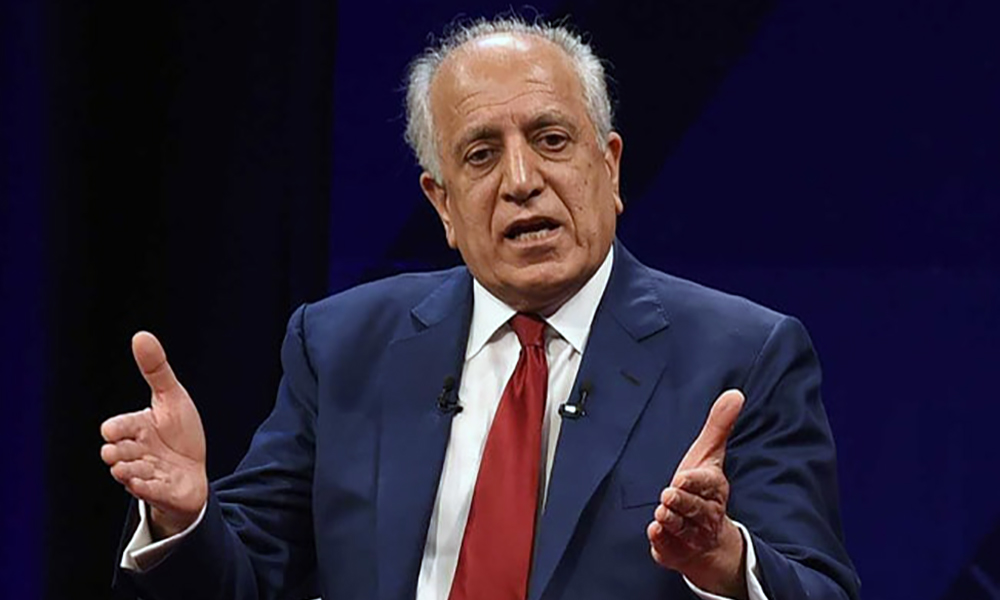
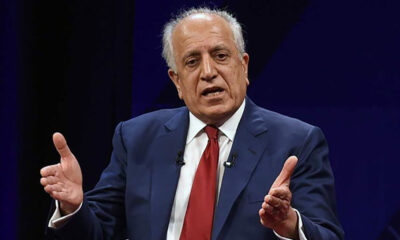
Zalmay Khalilzad, the former U.S. special representative for Afghanistan, has warned that relations between Afghanistan and Pakistan could deteriorate further amid reports of alleged Pakistani recruitment and arming of Afghans.
In a statement, Khalilzad said there had been numerous reports alleging that Pakistan was arming Afghans to fight the Taliban in Afghanistan. He added that new reports suggested the Pakistani military was recruiting Afghans to fight anti-Pakistan insurgents.
He cautioned that, given the current situation, ties between Kabul and Islamabad were likely to worsen significantly.
Khalilzad’s remarks come amid ongoing tensions between the two neighboring countries.
Latest News
UNICEF urges continued efforts for polio-free Afghanistan
According to the World Health Organization, 42 cases of wild poliovirus type 1 have been recorded in Afghanistan this year.
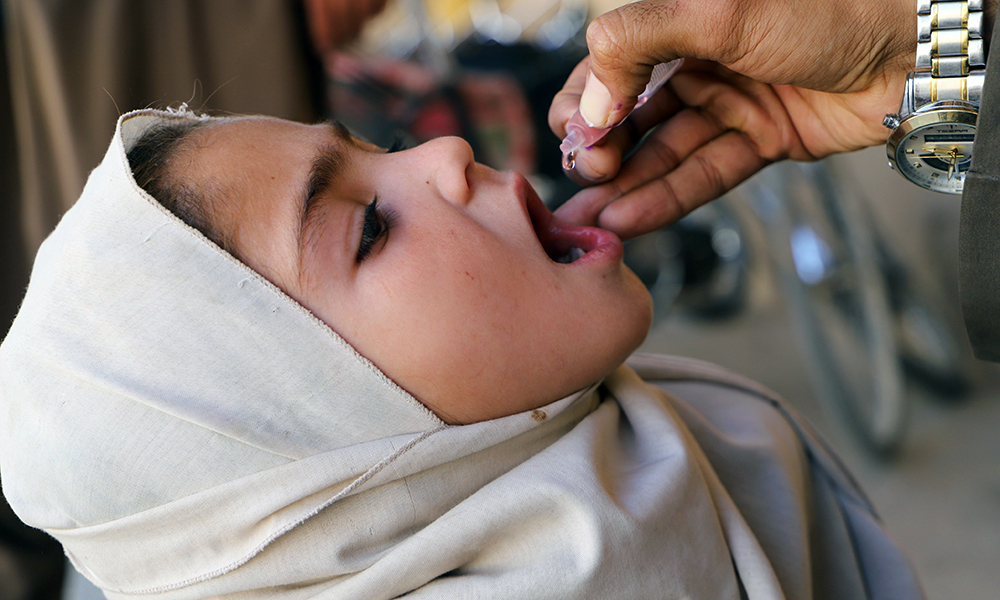
UNICEF Afghanistan has highlighted the importance of continued national efforts to eradicate polio and vaccinate every child, as the country marks World Polio Day on October 24.
In a message posted on X, UNICEF Afghanistan said the day provides an opportunity to highlight national efforts towards a polio-free Afghanistan and honour frontline workers who work tirelessly to end the disease and ensure every child is vaccinated.
Meanwhile, Afghanistan’s Polio-Free initiative warned on Thursday, October 22, that the presence of the poliovirus in any area could threaten the health of children across the country. The initiative urged the public to cooperate with vaccination campaigns and ensure that no child is left without the vaccine.
The warning comes as polio remains a public health concern in Afghanistan, with the United Nations reporting multiple cases of the disease. According to the World Health Organization, 42 cases of wild poliovirus type 1 have been recorded in Afghanistan this year, while six cases have been reported in neighbouring Pakistan.

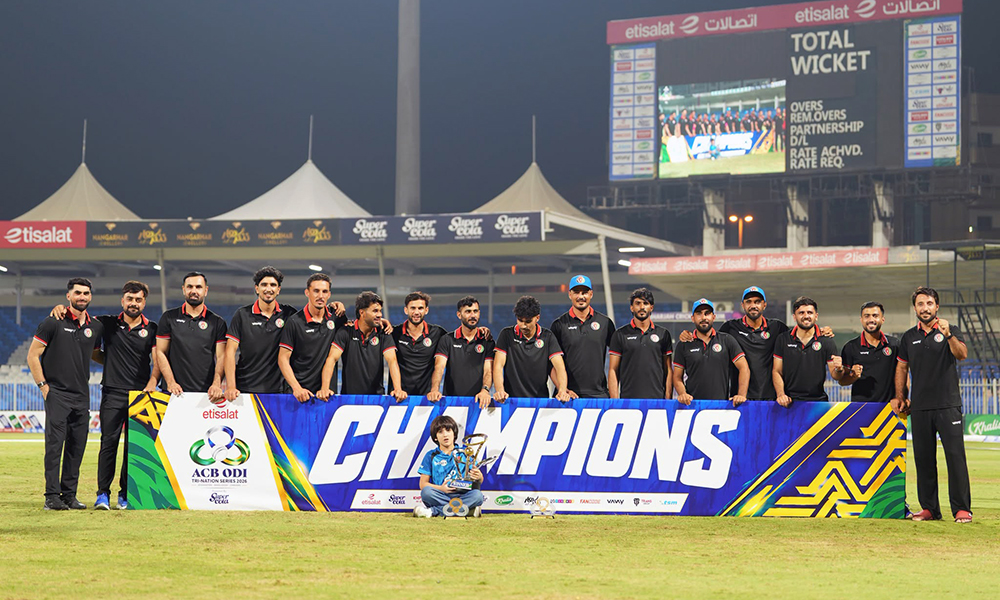
Afghanistan defeat Zimbabwe to win Tri-Series ahead of 2027 Cricket World Cup
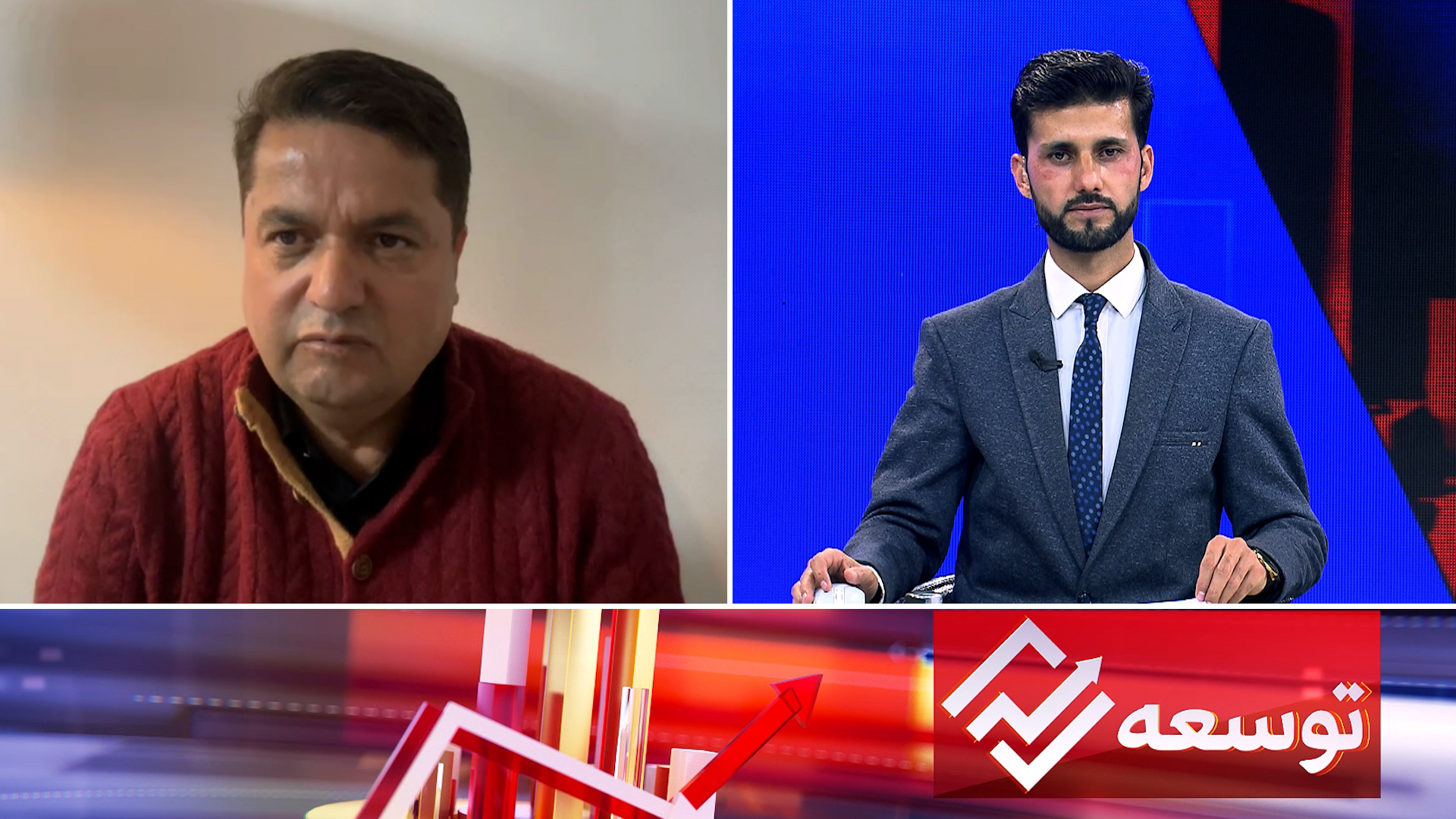
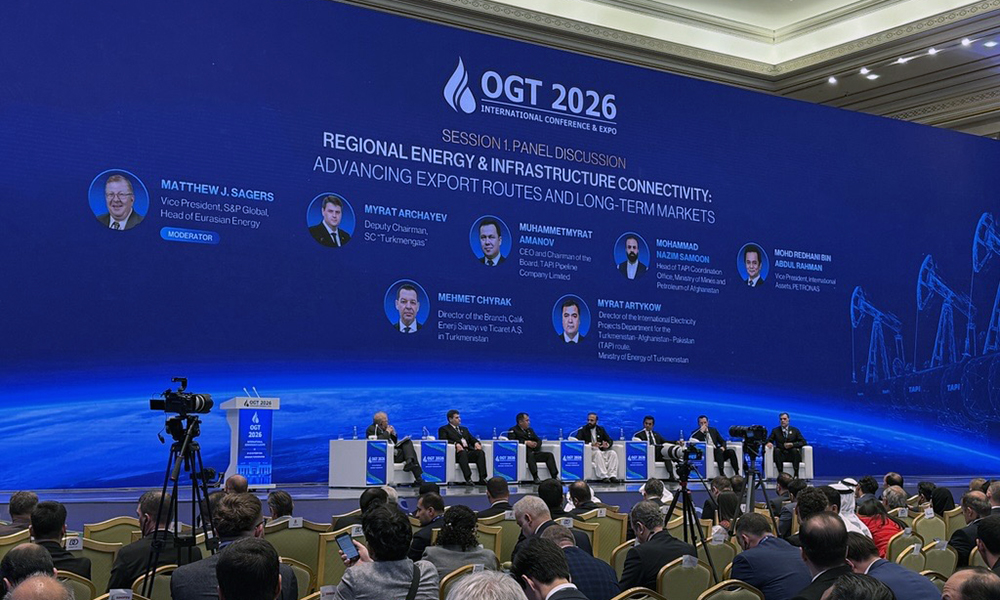
Tawsia: New opportunities in Afghanistan’s energy, trade and agriculture sectors discussed

IEA rejects Pakistan’s allegations linking Afghanistan to insecurity

Exclusive interview with Ali Bilal, runner-up in Mr. Olympia Men’s Physique category

Khalilzad warns of worsening relations between Afghanistan and Pakistan

Cricket Bonanza: Afghanistan set for packed international schedule

Afghanistan says 28 killed, 32 captured in Nuristan operation

Afghanistan on climate front line as Kabul faces groundwater warning

ACB announces Afghanistan squads for Bangladesh, Zimbabwe series

Trump rejects Iranian proposal to open Hormuz and end fighting
Tawsia: New opportunities in Afghanistan’s energy, trade and agriculture sectors discussed
Exclusive interview with Ali Bilal, runner-up in Mr. Olympia Men’s Physique category

Tahawol: Doha meeting and Afghanistan’s political and economic future discussed

Saar: Concerns over expansion of conflict between Iran and US discussed

Governments warn citizens over security risks in France after riots
-
 World5 days ago
Violent protests spread across Europe as Albanian PM blames ‘foreign hand’
-
 Business5 days ago
Iran calls for extending Herat railway to Uzbekistan border
-
 Latest News4 days ago
Russian troops arrive in Uzbekistan for joint military exercises
-
 Latest News2 days ago
Afghanistan’s new Wakhan road to China faces major hurdles
-
 Latest News3 days ago
Qatar calls for shift from humanitarian aid to economic recovery in Afghanistan
-
 World3 days ago
Governments warn citizens over security risks in France after riots
-

 Latest News4 days ago
Trump blames migrants for violence in France as US midterms loom
-
 Latest News5 days ago
Poland hits back at Hegseth over NATO sacrifices in Afghanistan