
Latest News
Kazakh envoy urges engagement to prevent instability in Afghanistan
Kazakhstan, he said, is pursuing a policy of “pragmatic engagement without recognition,” maintaining transport, energy, and humanitarian cooperation with Afghanistan while withholding formal diplomatic recognition of the current authorities.

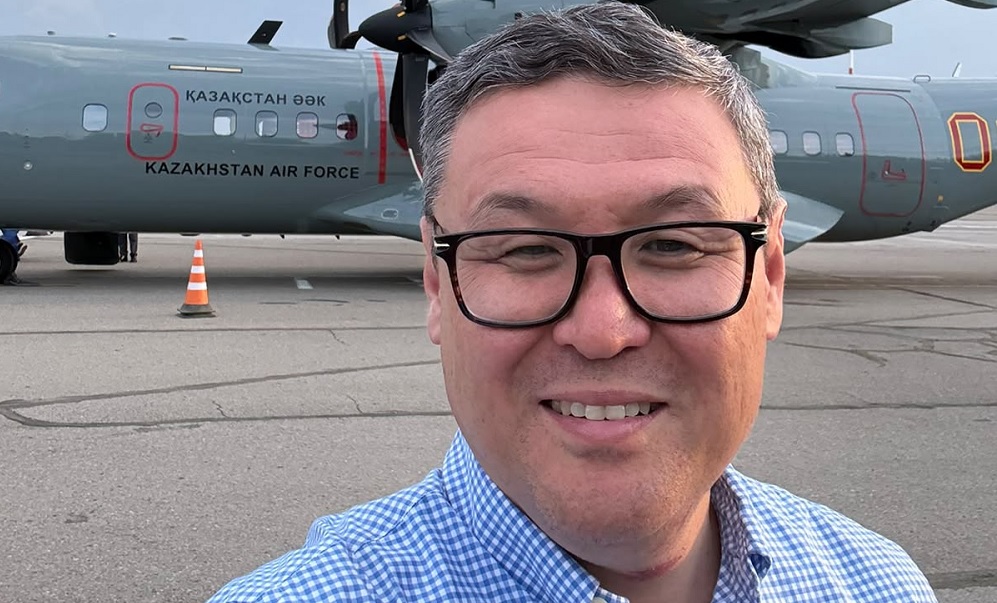
Kazakhstan’s Special Representative for Afghanistan, Yerkin Tukumov, has called for continued international engagement with Afghanistan, warning that economic, humanitarian, and institutional vacuums could contribute to instability and security threats in the region.
Writing in an opinion article published by EuAlive, Tukumov argued that constructive engagement with Afghanistan is necessary to address common challenges, including terrorism, illegal migration, and drug trafficking.
“The experience of recent decades has demonstrated that any vacuum—whether economic, humanitarian, or institutional—is inevitably filled by destructive processes in Afghanistan,” he said.
Tukumov noted that Afghanistan continues to face significant humanitarian challenges, with nearly 29 million people in need of assistance. He also pointed to the return of millions of Afghan refugees from Iran and Pakistan since 2023, which has placed additional pressure on the country’s economy and public services.
According to the Kazakh envoy, approximately 3.7 million Afghan children are suffering from malnutrition, while issues related to security, governance, and the rights of women and girls remain concerns for the international community.
Despite these challenges, Tukumov said Afghanistan has avoided the economic and political collapse predicted by some observers following the Taliban’s return to power in 2021. He noted that government revenues have grown gradually, while small and medium-sized businesses and industrial parks have emerged in major Afghan cities.
Kazakhstan, he said, is pursuing a policy of “pragmatic engagement without recognition,” maintaining transport, energy, and humanitarian cooperation with Afghanistan while withholding formal diplomatic recognition of the current authorities.
Tukumov emphasized the growing importance of Central Asia in Afghanistan’s external relations, describing the region as a key source of energy, food supplies, and economic cooperation. Trade between Afghanistan and Central Asian countries has increased significantly in recent years, he added.
The envoy also highlighted Kazakhstan’s educational and humanitarian initiatives in Afghanistan, including scholarship programs for Afghan students and assistance in sectors such as healthcare, agriculture, and water management.
He suggested that education and healthcare could become important areas of cooperation between Kazakhstan and the European Union in Afghanistan. Such efforts, he said, could include the construction of medical facilities, the deployment of mobile health units, and expanded professional training programs.
Tukumov argued that humanitarian assistance and economic cooperation should not be viewed as concessions but as practical tools for promoting long-term stability and preventing future crises.
“By investing in healthcare, education, and human capital, the international community can help strengthen resilience and create conditions for sustainable development in Afghanistan,” he wrote.
The comments come amid ongoing regional and international discussions on how to engage with Afghanistan while addressing humanitarian needs and broader security concerns.

Latest News
ICRC expands support for Afghan women and girls
In a report, the organization highlighted efforts to improve maternal health, combat malnutrition and create economic opportunities for vulnerable women.
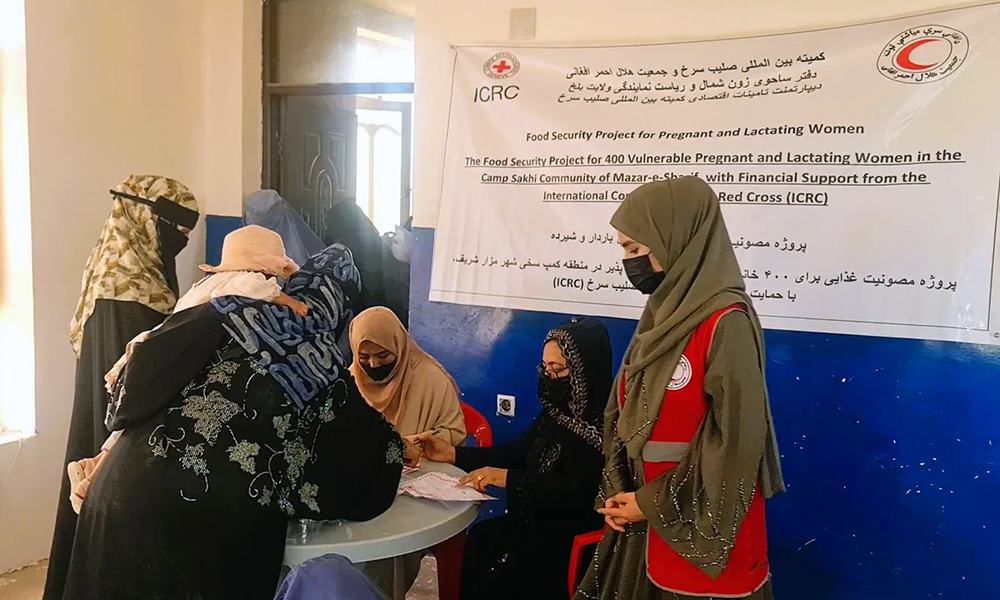
The International Committee of the Red Cross (ICRC) is expanding support for women and girls across Afghanistan through healthcare, cash assistance, vocational training and economic empowerment programs.
In a report titled “Afghanistan: Supporting Women and Girls to Thrive Despite Challenges,” the organization highlighted efforts to improve maternal health, combat malnutrition and create economic opportunities for vulnerable women.
In partnership with the Afghan Red Crescent Society (ARCS), the ICRC provides six months of cash assistance and nutrition guidance to pregnant and breastfeeding women. The program reached 1,400 women across four provinces in 2026.
The organization also supports 47 ARCS healthcare centers, which provided more than 800,000 outpatient consultations for women between June 2025 and July 2026. Services included more than 980 deliveries, 111,000 antenatal consultations and 39,000 postnatal consultations.
Economic empowerment is another focus, with 437 women and girls with disabilities receiving vocational training and 101 benefiting from interest-free loans during the same period. More than 33,800 also received physiotherapy, while over 12,600 benefited from prosthetic and mobility devices.
Additional programs include financial assistance for female-headed households, emergency medical training for female healthcare workers and awareness campaigns on explosive hazards, which have reached around 260,000 women and girls.
The ICRC says its initiatives aim to help women and girls access essential services, strengthen their independence and build more secure futures despite ongoing challenges.
Latest News
OIC highlights diplomatic efforts and continued support for Afghanistan
The ambassador further discussed the organization’s initiatives and activities aimed at supporting Afghanistan across different sectors.
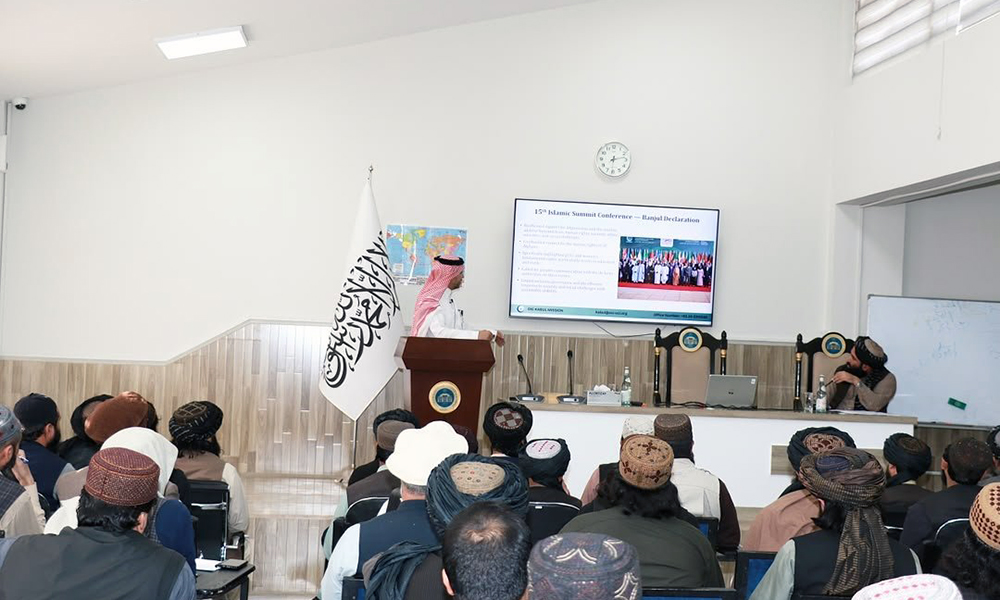
The Organization of Islamic Cooperation (OIC) has highlighted its diplomatic engagement and efforts to support Afghanistan during an academic lecture delivered at the Diplomatic Institute of Afghanistan’s Ministry of Foreign Affairs.
Ambassador Dr. Mohammed bin Saeed Al-Ayash, Director General of the OIC Office in Afghanistan, delivered the lecture on “Diplomacy and the Efforts of the Organization of Islamic Cooperation in Afghanistan.
According to Zia Ahmad Takal, Director of Public Communication at the Ministry of Foreign Affairs of the Islamic Emirate of Afghanistan, the event was attended by ministry employees and officials from various government institutions.
During his presentation, Al-Ayash discussed key mechanisms of public and multilateral diplomacy, outlining the history of the OIC, its various institutions and organizational structure.
He also reviewed decisions concerning Afghanistan adopted at OIC summits and meetings of foreign ministers, highlighting the role of the organization’s office in Kabul in following up on their implementation.
The ambassador further discussed the organization’s initiatives and activities aimed at supporting Afghanistan across different sectors.
The session concluded with an interactive discussion, during which participants raised questions, shared their perspectives and exchanged views on several diplomatic and institutional issues.
The lecture provided an opportunity to discuss the OIC’s diplomatic mechanisms and its engagement with Afghanistan through multilateral cooperation.
Latest News
US judge temporarily blocks deportation of detained Afghans
The lawmakers urged Secretary of State Marco Rubio and Homeland Security Secretary Markwayne Mullin to intervene.
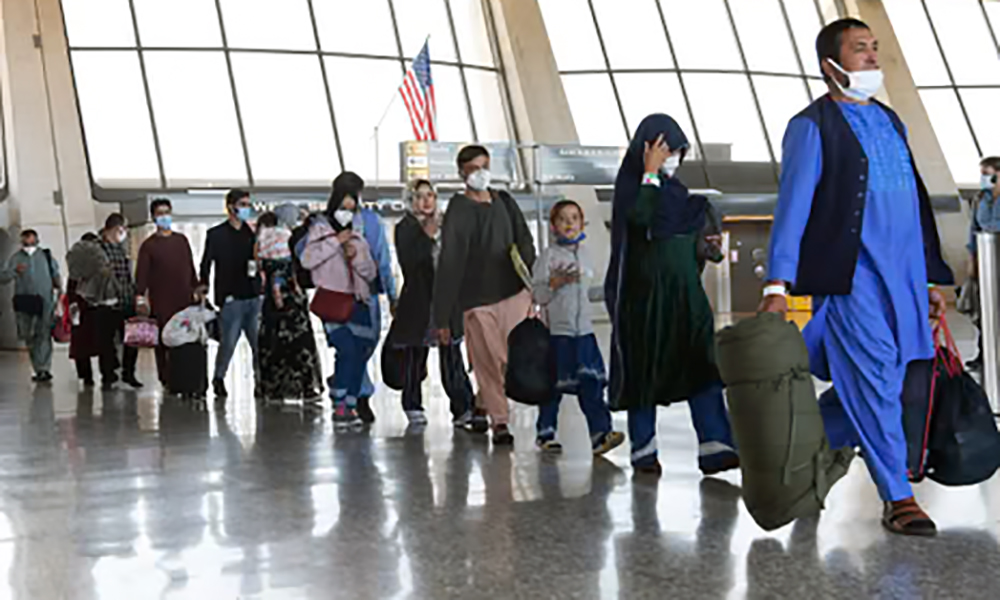
A US federal judge has temporarily blocked the Trump administration from deporting detained Afghan nationals to Afghanistan or Pakistan, following warnings that their lives could be at risk.
US District Judge Valerie Caproni issued the order in New York on Tuesday, suspending deportations until Saturday, according to the Associated Press (AP).
More than 80 detained Afghans have reportedly contacted human rights organizations and immigration lawyers after receiving notices from Immigration and Customs Enforcement (ICE) indicating they could be deported via Pakistan.
Those affected reportedly include women, former Afghan security personnel, religious minorities and people whose relatives served alongside US forces. Many fled Afghanistan after the Islamic Emirate returned to power in 2021.
The proposed transfers have drawn criticism from 66 members of the US Congress, who warned that deportees could face persecution, torture or death.
The lawmakers urged Secretary of State Marco Rubio and Homeland Security Secretary Markwayne Mullin to intervene.
Afghanistan’s Foreign Ministry also expressed serious concern over reports of the planned transfers to Pakistan. Deputy spokesman Zia Ahmad Takal urged Washington to protect the rights and legitimate interests of the individuals involved.
Human rights groups welcomed the court’s decision as a temporary reprieve, warning that Afghans returned to Afghanistan could face arbitrary detention, executions and other forms of retaliation.
The ruling does not resolve the wider legal and humanitarian concerns, with advocates continuing efforts to prevent the deportations.

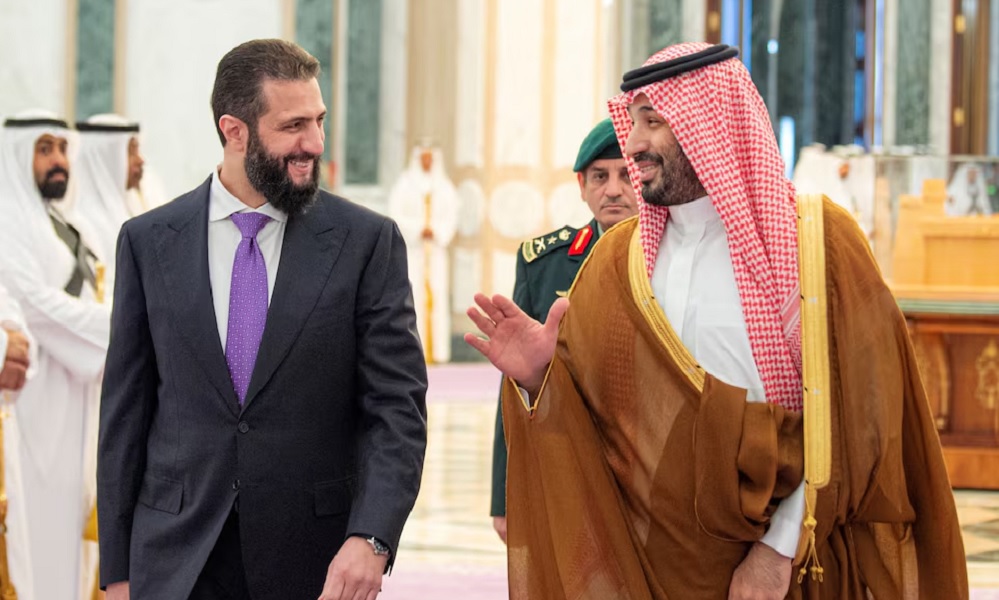
Saudi, Syrian defence ministries sign cooperation agreement
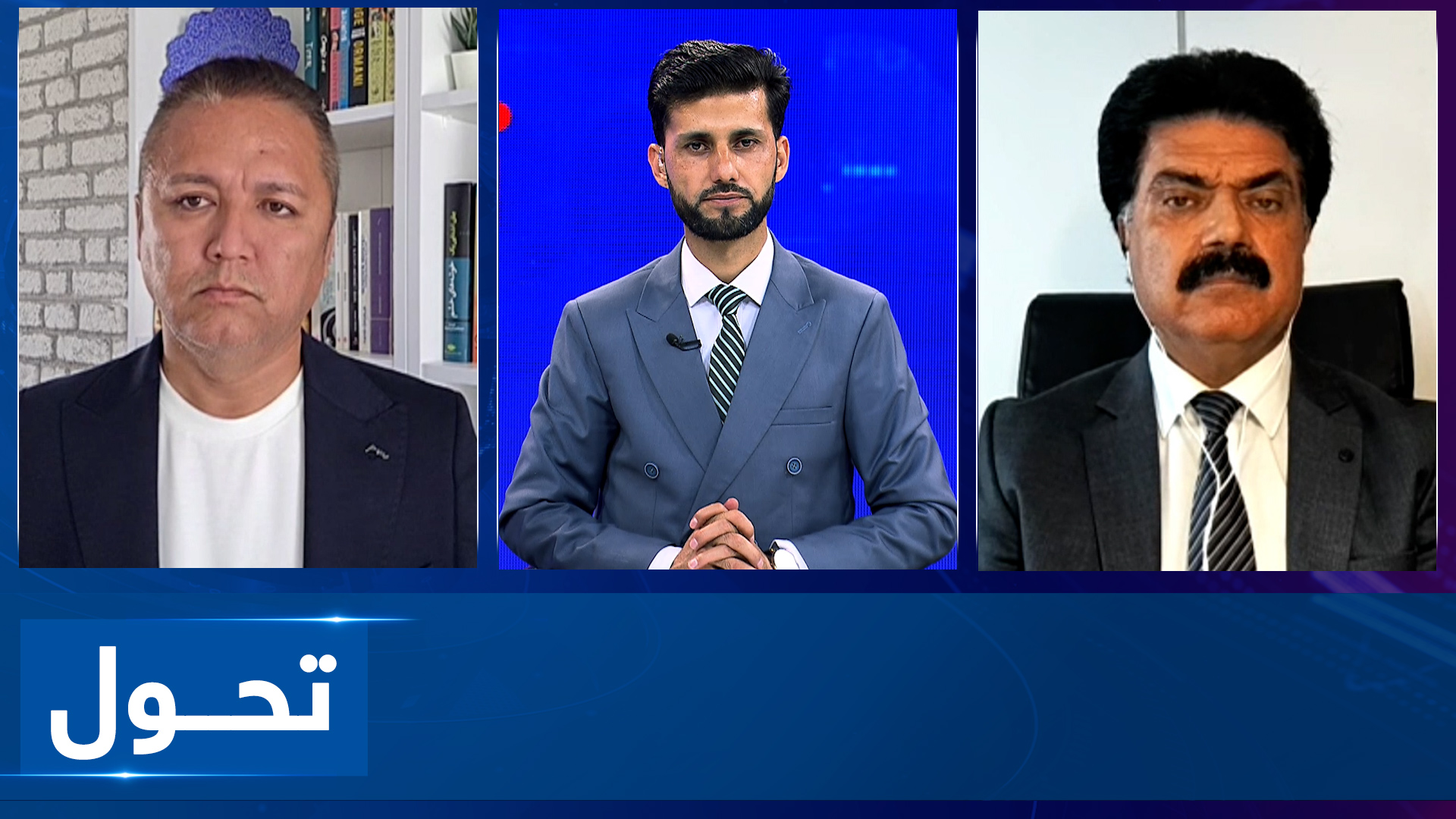
Tahawol: Russia’s Moscow Format for Afghan issues discussed
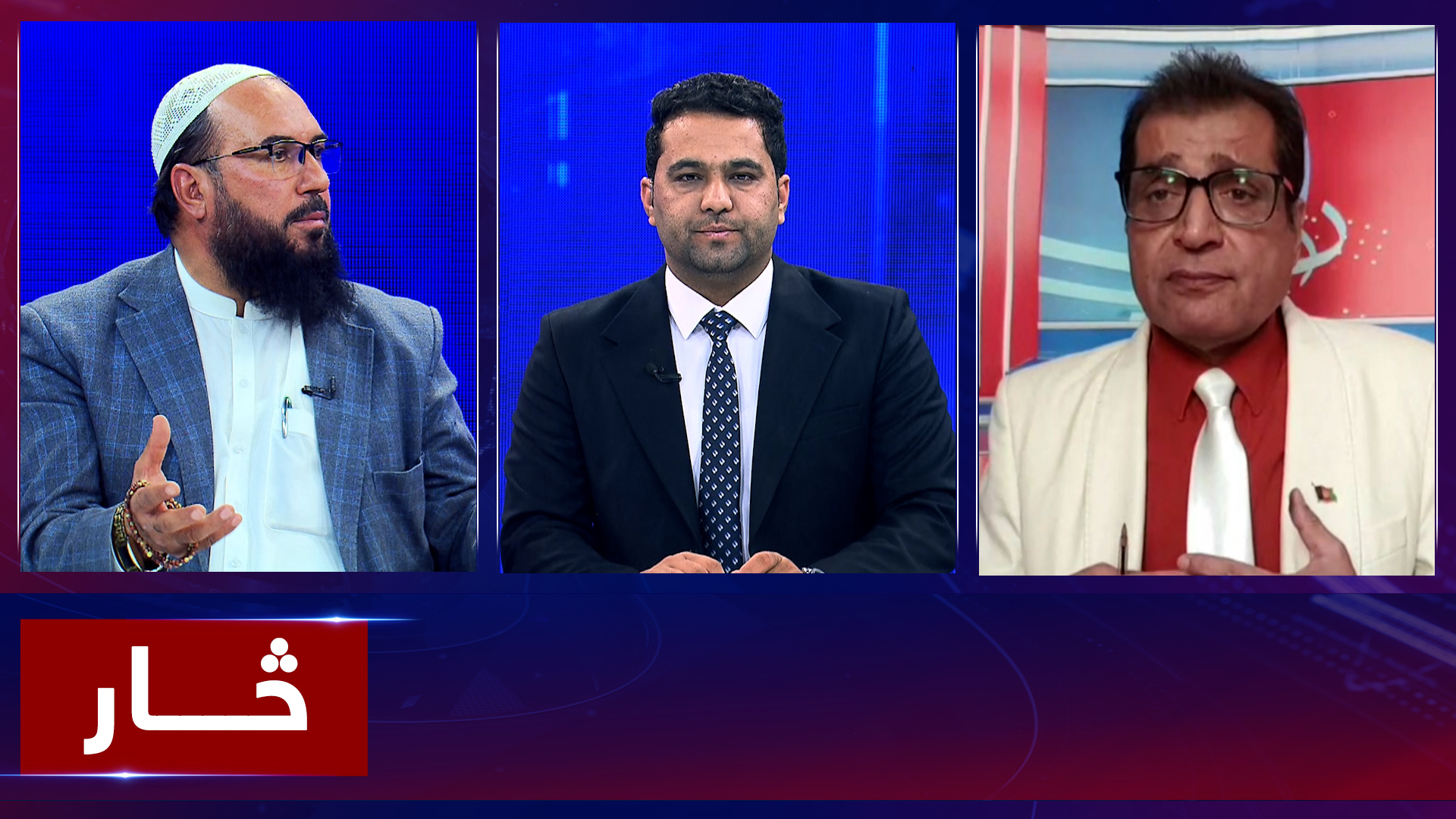
Saar: Afghanistan’s second invitation to Global Climate Summit discussed

Democrat Abdul El-Sayed becomes first Muslim elected to US Senate
ICRC expands support for Afghan women and girls

Afghanistan finish runners-up after 6-0 defeat to Brazil in futsal final

Trump says US will not attack Iran before midterm elections in November

Lionel Messi bids tearful farewell to Argentina after 3-0 win over Benin

Afghan futsal coach: Brazil tournament is first step towards new goals and World Cup

Trump says US may strike Iran’s ‘Pickaxe Mountain’ nuclear facility
Tahawol: Russia’s Moscow Format for Afghan issues discussed
Saar: Afghanistan’s second invitation to Global Climate Summit discussed
Democrat Abdul El-Sayed becomes first Muslim elected to US Senate
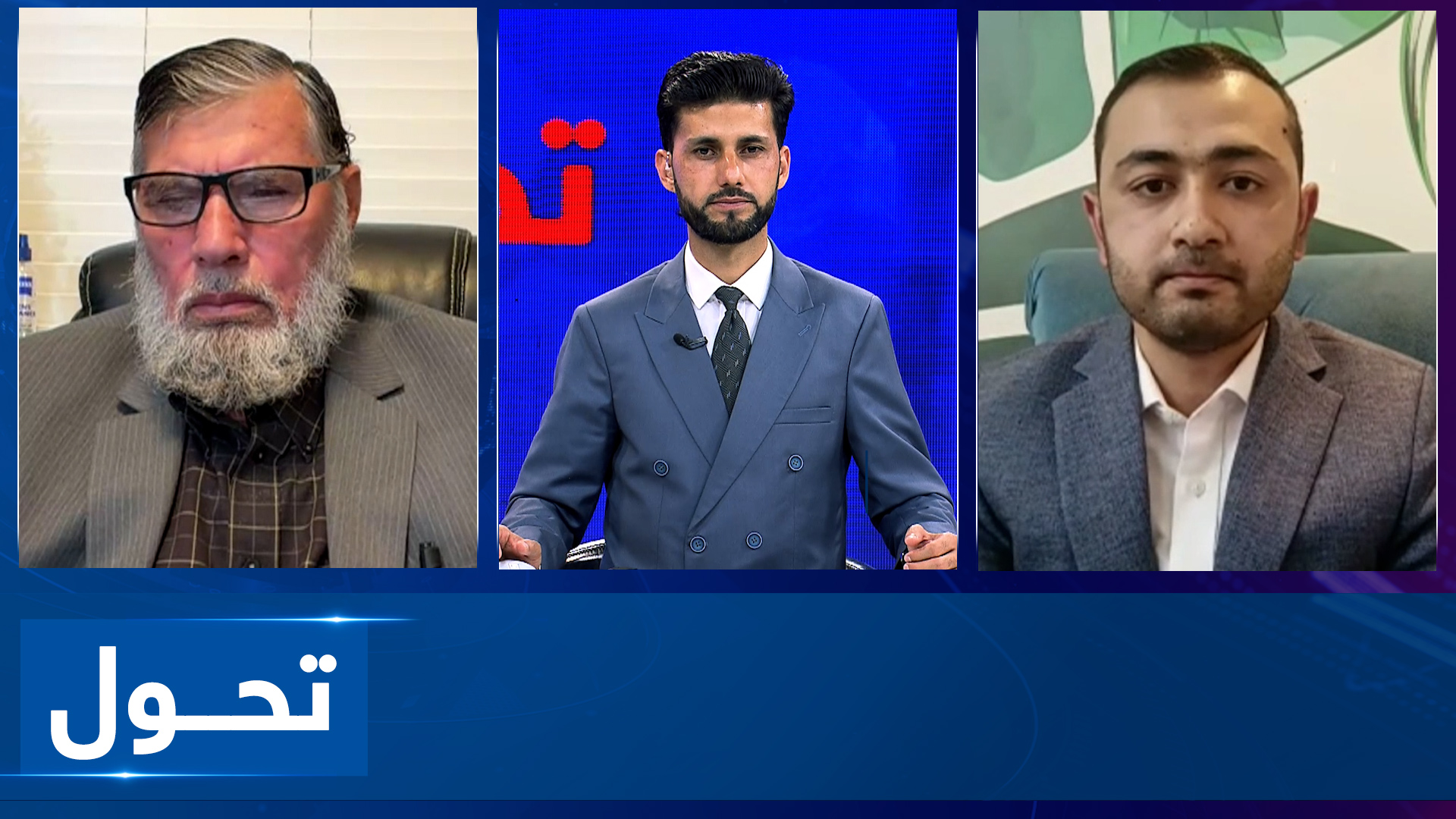
Tahawol: Iran hosts quadrilateral talks on Afghanistan discussed
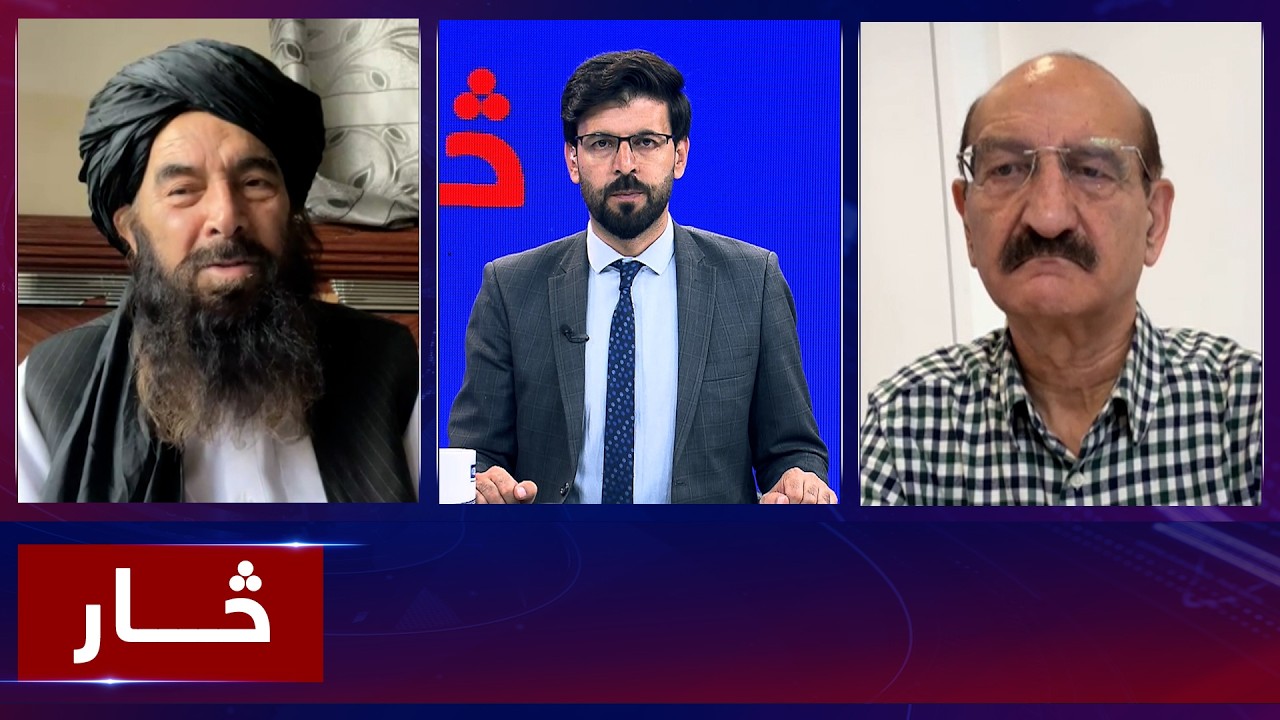
Saar: Deportation of undocumented Afghans from France discussed
-
 Sport4 days ago
Afghanistan crowned 2026 Hong Kong Sixes champions after beating Australia in final
-
 Sport5 days ago
Afghanistan storm into Hong Kong Sixes final after beating Scotland
-
 Sport3 days ago
Afghanistan futsal team thrash Panama 5-0 in flying start to Dakar Youth Olympics
-
 Latest News5 days ago
UNHCR: 6.3 million Afghans have returned since 2023, 60 percent reportedly forced to return
-
 Sport3 days ago
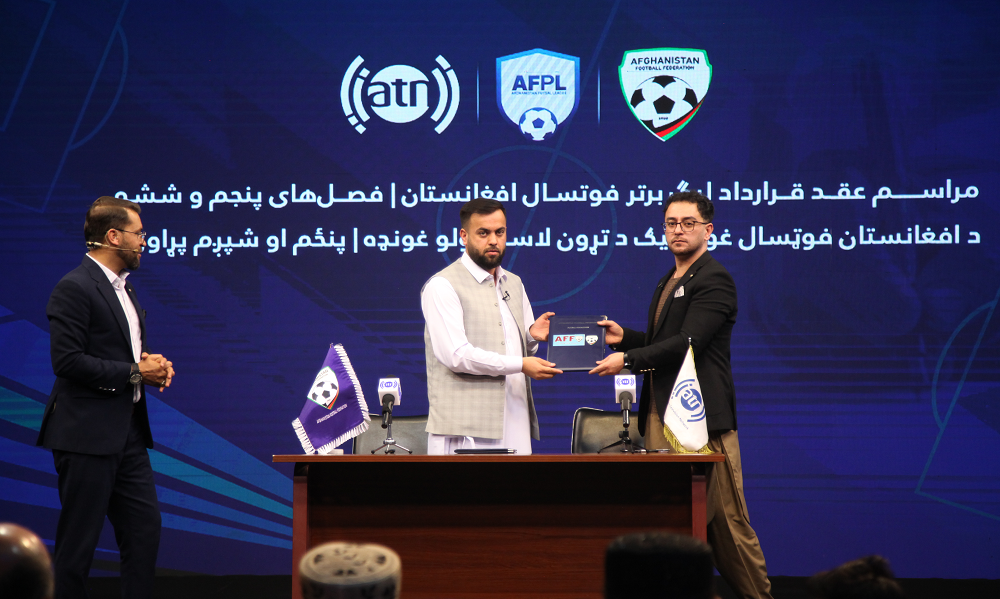
ATN signs deal to broadcast Afghanistan Futsal Premier League seasons 5 and 6
-
 Sport4 days ago
Afghanistan target T20I clean sweep against Zimbabwe in Sharjah
-
 Sport5 days ago
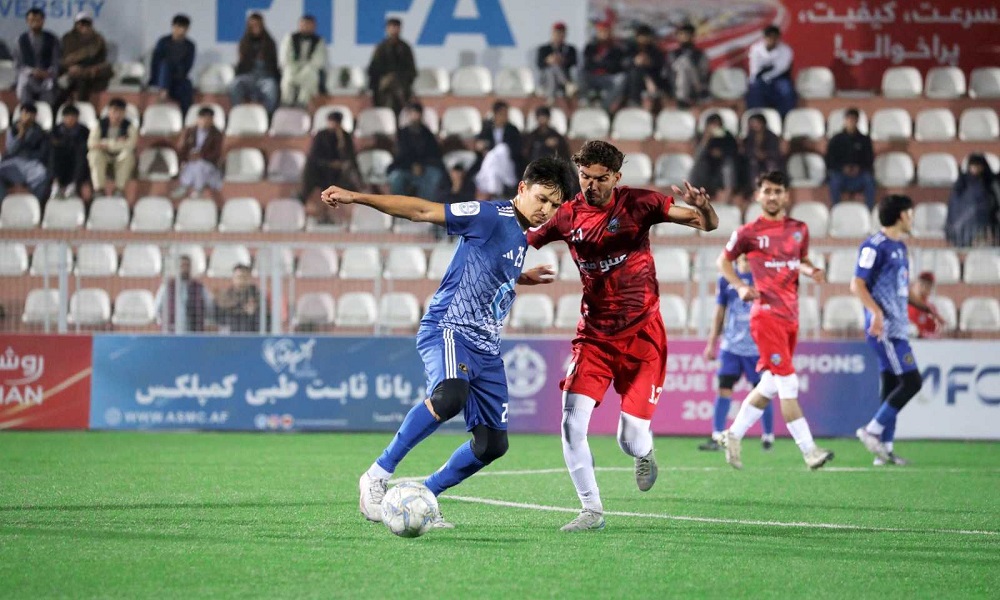
Arman FC fall 2–0 to Aino Mina in Afghanistan Champions League
-
 World2 days ago
US carries out ‘defensive’ strikes on Iran’s Qeshm Island, officials say