
Latest News
Lack of consensus on Afghan agenda for Istanbul Summit emerges


Afghan politicians say Afghanistan as a whole, and government, has not yet settled on a single agenda to be presented at the Istanbul Summit scheduled for early April.
The Ministry of Foreign Affairs says it is working on a plan to reduce violence and end the war – a plan that will be presented to delegates at the summit.
However, the High Caouncil for National Reconciliation says it will vote on the proposed US government peace plan, which includes a transitional government.
The House of Representatives, Gulbuddin Hekmatyar’s Hizb-e-Islami party and a number of political figures will also present their ideas at the summit.
“We call on the Turkish Conference [delegates] to help bring an end to hostilities and stop the bloodshed as soon as possible [in order to pave the way] for successful negotiations for a political agreement; thus the region and the international community [show] support for a dignified and lasting peace,” said Afghan Foreign Minister Haneef Atmar.
Previously the High Council for National Reconciliation said the Turkish government had spoken to Afghan political figures and the Taliban about the talks. But the HCNR said the proposed US peace plan will be discussed.
“The US government’s plan which was shared with the Taliban, the High Council for National Reconciliation and the Presidential Palace will be discussed,” said Din Mohammad, HCNR deputy head.
While the Taliban welcomed the US proposal to hold the Istanbul Summit, the group said it has no specific plans to put to delegates.
“We accept any country that cooperates for the freedom and independence of Afghanistan, but we do not know when this meeting will take place and with what agenda,” said Mohammad Naeem, the Taliban’s spokesman.
However, differing opinions and a lack of consensus among Afghan officials and politicians have raised concerns in Kabul.
“The two sides that are participating at the Istanbul summit are the Taliban, who once flogged people, and the other side are politicians who have been busy exploiting [the people] for the past 20 years,” said Halima Sadaf Karimi, an MP.
While the exact date for the summit has not yet been announced, the HCNR said on Wednesday it will probably be held in the second week of April.

Latest News
UN official warns Afghanistan’s humanitarian crisis could threaten regional stability and security
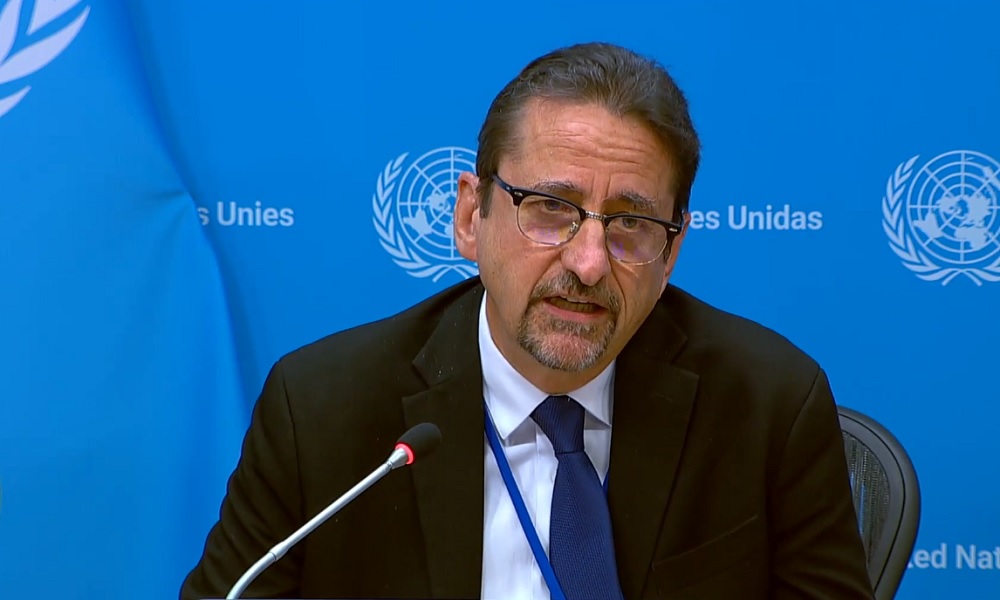
A senior United Nations official has warned that Afghanistan’s deepening humanitarian crisis could have consequences beyond the country’s borders, potentially affecting regional security, stability and migration routes.
Bruno Lemarquis, the UN Deputy Special Representative of the Secretary-General for Afghanistan and Resident and Humanitarian Coordinator, said on Friday that the country was at a “difficult crossroad” more than five years after the Islamic Emirate returned to power.
He said relative stability and security were being undermined by a fragile economy, restrictions on fundamental rights and growing humanitarian needs.
Lemarquis described restrictions on women and girls as “severe and sweeping,” saying they continue to face barriers to education, employment and participation in public life.
He noted that more than 2.6 million girls have been deprived of secondary education since 2021, while female university enrollment currently stands at zero.
The UN official also highlighted the impact of the mass return of Afghan migrants, saying approximately 6.7 million Afghans have returned to the country since 2020, many of them forcibly expelled from neighbouring countries, particularly Pakistan and Iran.
He said the large-scale returns were placing additional pressure on Afghanistan’s already overstretched public services, stressing that returnees urgently need legal documentation, protection and employment opportunities.
Lemarquis also raised concerns over a reported increase in opium poppy cultivation, citing a UN report that found production had risen by 330 percent in 2025 following a sharp decline after the 2022 ban imposed by the Islamic Emirate.
He said efforts to prevent poppy cultivation must be accompanied by viable alternative livelihoods for farmers.
Meanwhile, humanitarian needs in Afghanistan are expected to rise further in 2027 amid mass returns, regional instability and extreme weather risks associated with El Niño.
However, international humanitarian funding has continued to decline. According to Lemarquis, assistance reached $2 billion in 2023, fell to $1 billion in 2025 and has amounted to only $570 million so far in 2026.
He warned that funding shortages were threatening essential services, with around 40 percent of primary healthcare facilities expected to close between 2025 and 2026, potentially affecting 700 of the country’s 1,900 health posts.
Describing the consequences as “very, very, very significant,” Lemarquis urged the international community not to turn its back on Afghanistan.
“And there is a saying in Afghanistan that is ‘What is happening in Afghanistan is not staying in Afghanistan,’” he said.
“The consequences could go beyond the Afghanistan border, potentially affecting regional security, regional stability and migration pathways.”
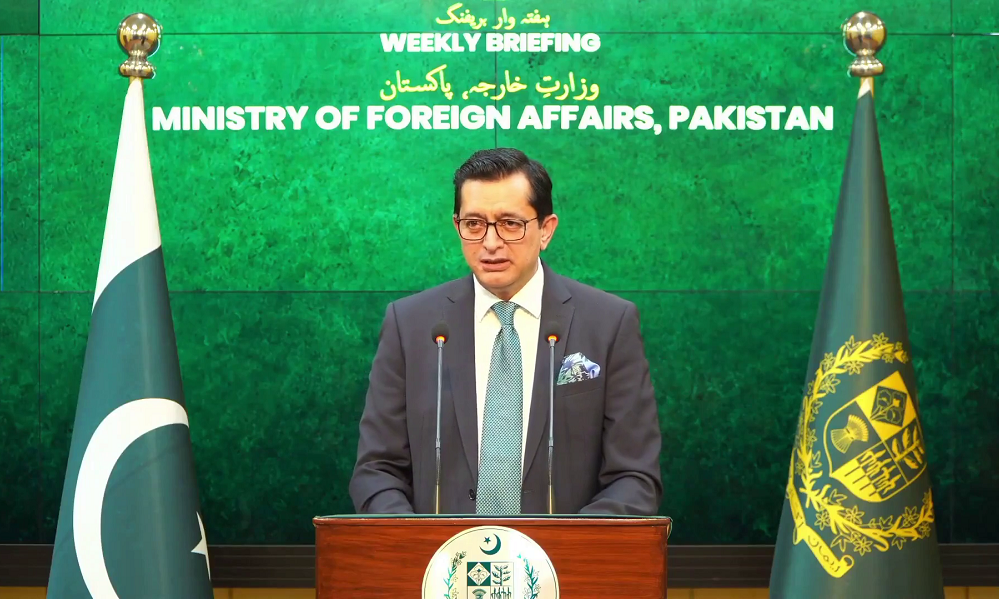
Pakistan’s Foreign Ministry says it is reviewing reports that the Trump administration plans to deport Afghans through Pakistan, adding that it is consulting relevant stakeholders to find a mutually acceptable way forward.
Foreign Ministry spokesperson Sajjad Haider Khan made the remarks at a press conference on Friday, saying Islamabad remained committed to close coordination with its allies and partners.
“We will continue to act in accordance with our international obligations and established protocols,” Khan said.
He added that the matter was under consideration and that all relevant aspects were being carefully examined in consultation with concerned stakeholders.
Pakistan-based Bank Alfalah has completed its exit from Afghanistan after 20 years of operations, transferring its local banking business to Ghaznfar Bank, the lender said in a notice to shareholders on Friday.
The bank said the transaction was completed on November 5 after the signing of final agreements, approval from the State Bank of Pakistan and Da Afghanistan Bank, and fulfilment of other required conditions.
The deal allows Bank Alfalah to sell and transfer its operations in Afghanistan to Ghaznfar Bank, following approval from the regulatory authorities in both countries.
“Bank Alfalah has accordingly ceased its banking operations in Afghanistan and will complete the closure of its Afghanistan branches in accordance with applicable regulatory requirements,” the notice said.
Bank Alfalah began operating in Kabul in 2005, offering both conventional and Islamic banking services.

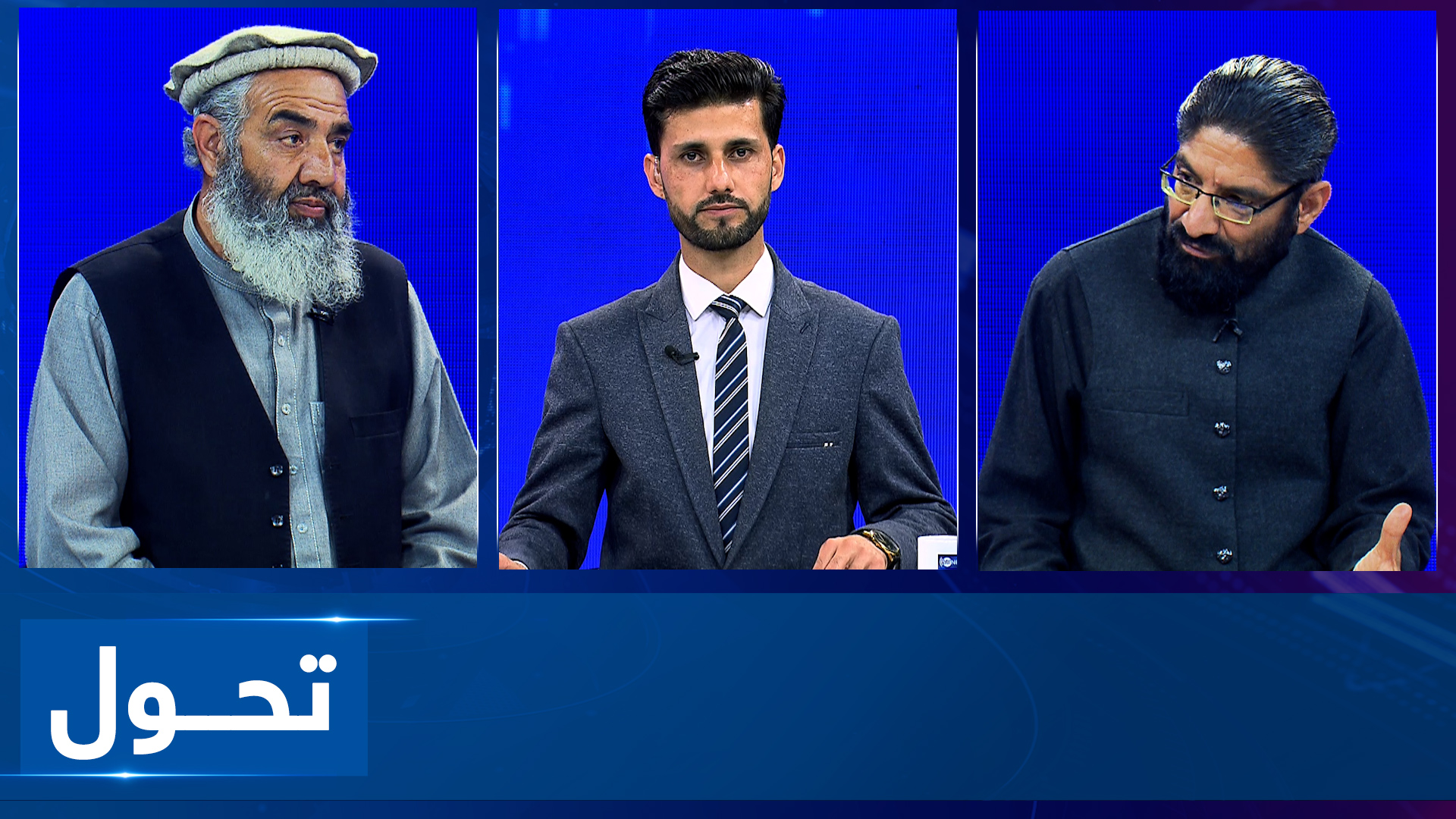
Tahawol: Afghanistan’s participation in Shanghai Plus security meeting discussed
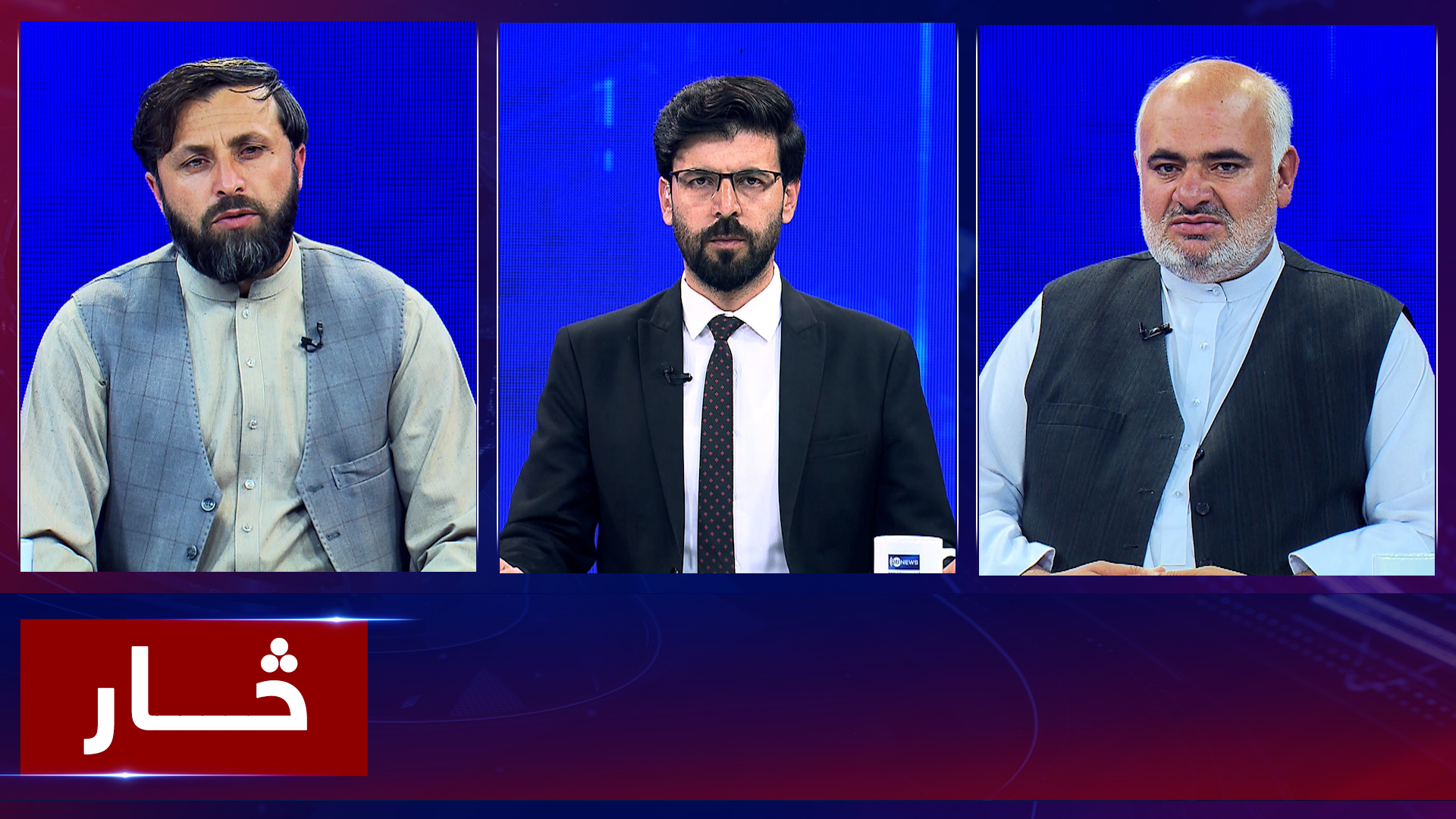
Saar: Afghanistan’s declining humanitarian aid funding discussed

Toofan Herat defeat Arman FC 2–0 in Afghanistan Champions League

Afghanistan trail Zimbabwe by 102 runs at stumps on day three of first Test

Astronomers discover white dwarf surrounded by two rings of planetary debris

Afghanistan finish runners-up after 6-0 defeat to Brazil in futsal final

Trump says US will not attack Iran before midterm elections in November

Trump says US may strike Iran’s ‘Pickaxe Mountain’ nuclear facility

Afghan futsal coach: Brazil tournament is first step towards new goals and World Cup

WHO calls for greater mental health support in Afghanistan
Tahawol: Afghanistan’s participation in Shanghai Plus security meeting discussed
Saar: Afghanistan’s declining humanitarian aid funding discussed
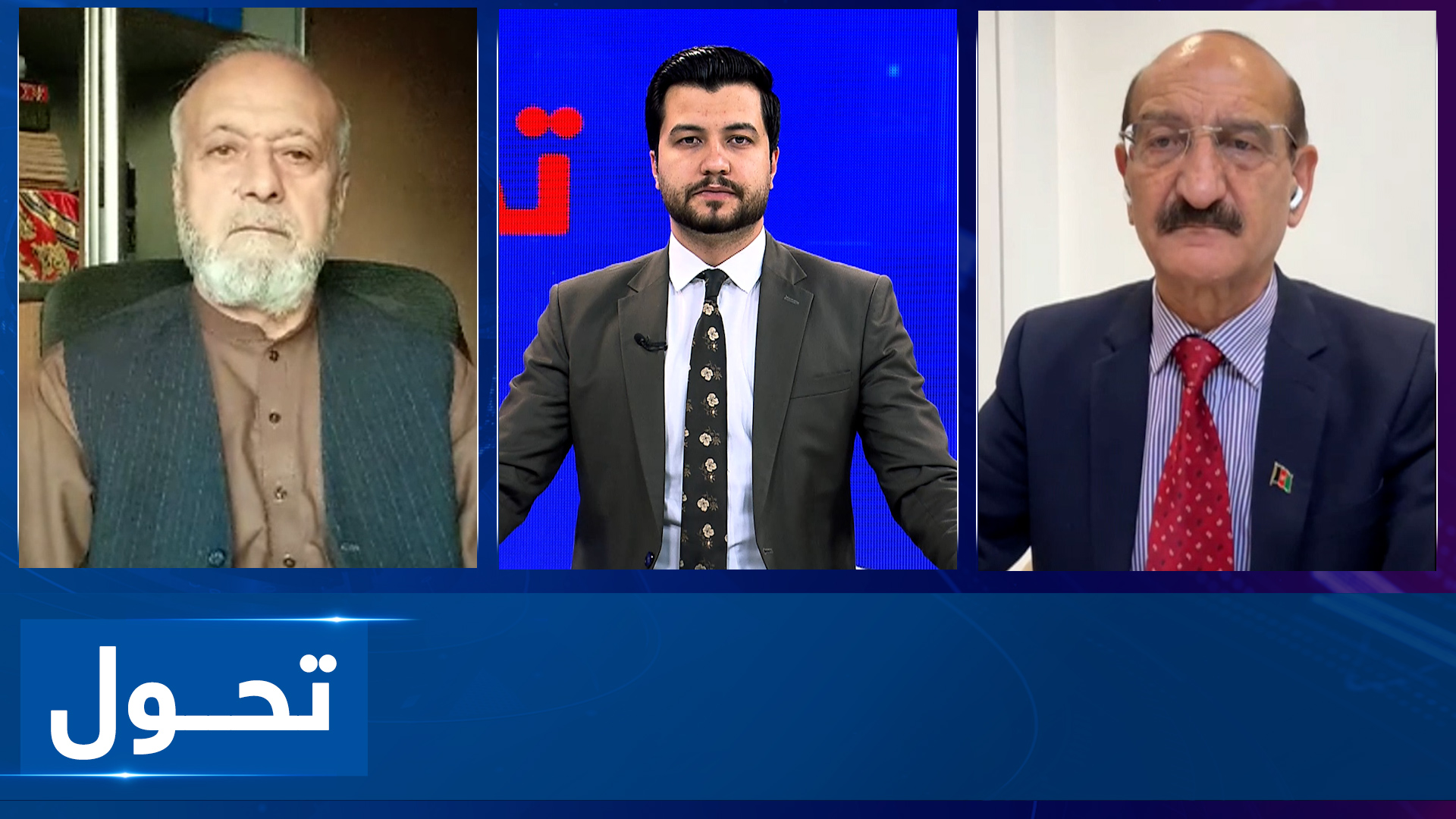
Tahawol: Calls for stronger joint action against terrorism discussed
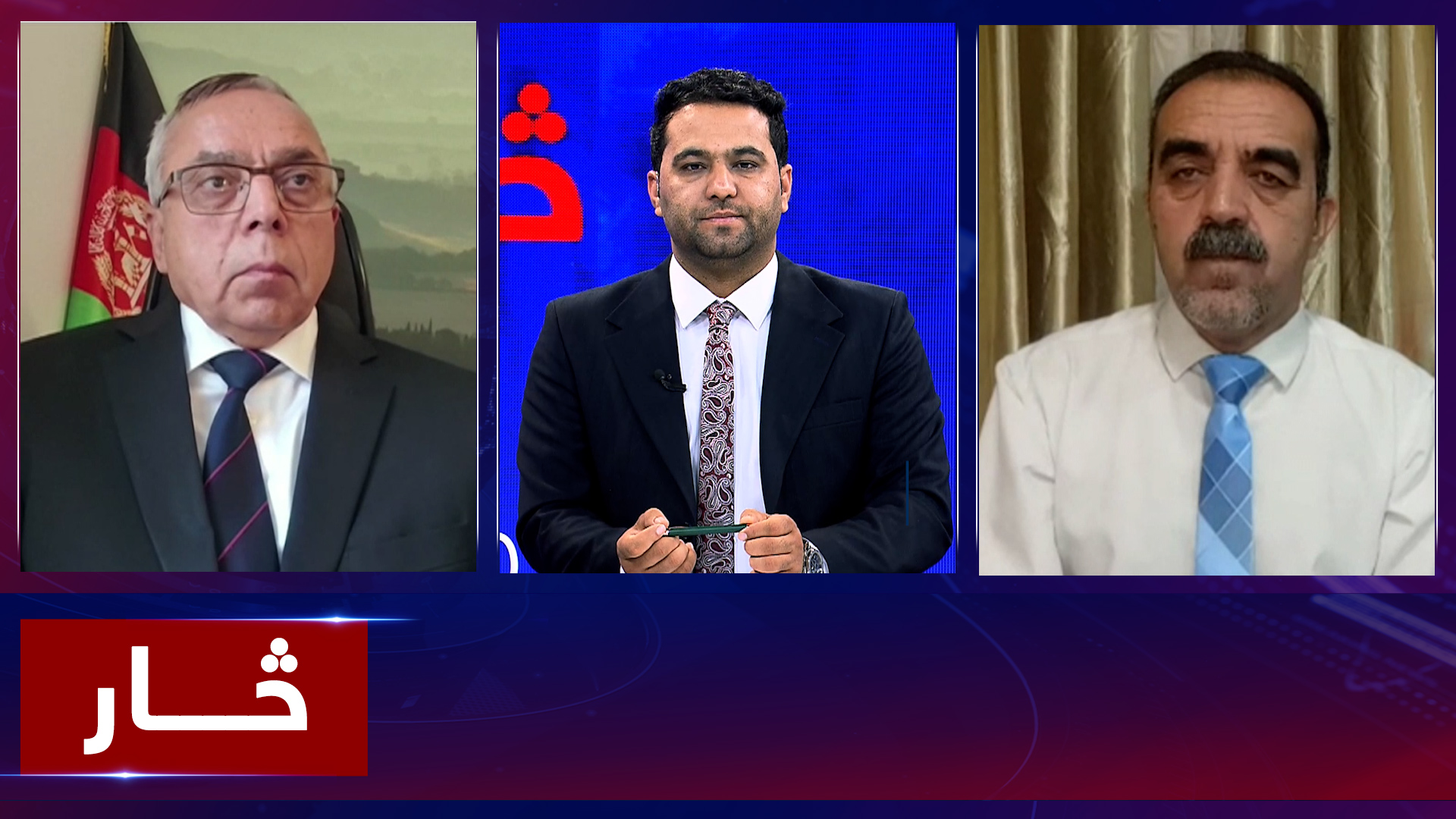
Saar: Impact of closing trade routes between Kabul-Pakistan discussed

El-Sayed’s historic victory opens a new chapter for Muslim Americans
-
 World5 days ago
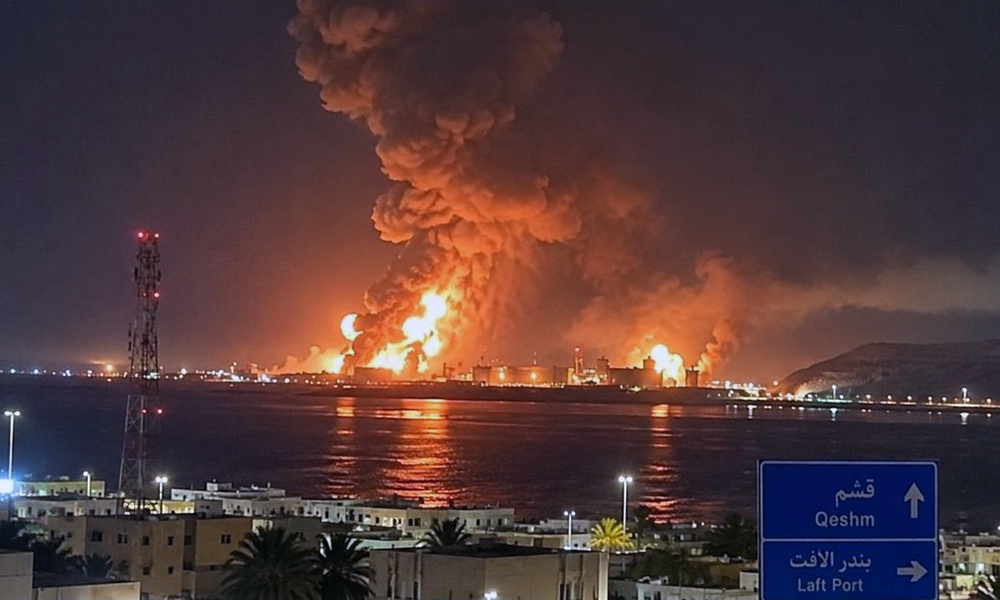
US carries out ‘defensive’ strikes on Iran’s Qeshm Island, officials say
-
 Sport3 days ago
Afghanistan suffer narrow defeat against Argentina at Dakar Youth Olympics
-
 Regional5 days ago
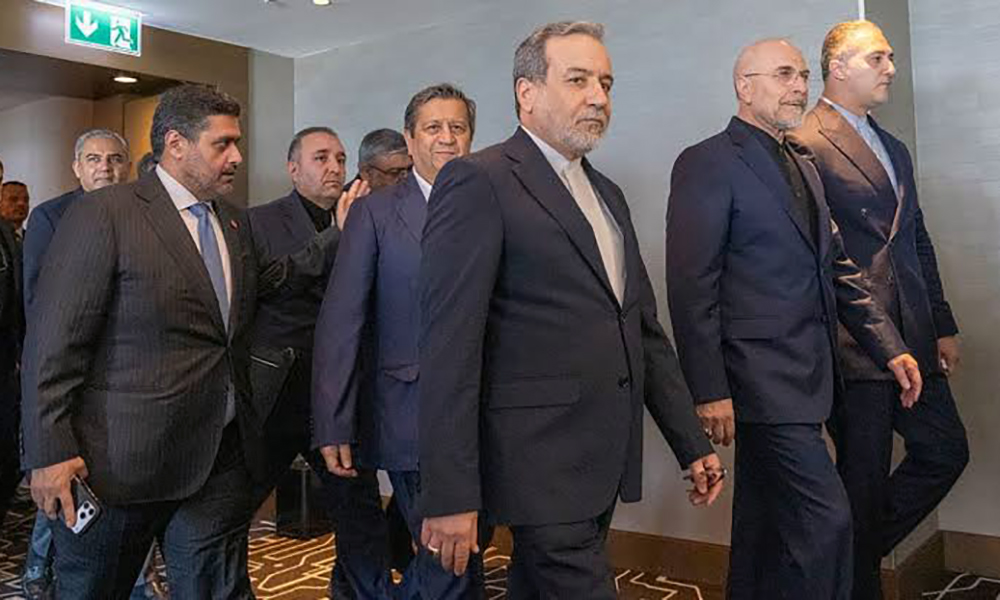
Iran says contacts over ending war continue after talks finish with no breakthrough
-
 Latest News5 days ago
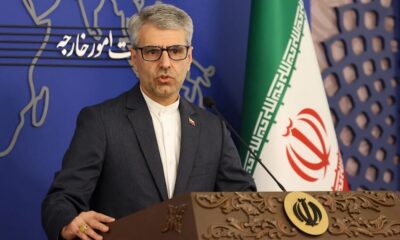
Iran plans new four-nation meeting on Afghanistan amid regional diplomatic efforts
-
 Latest News4 days ago
US judge temporarily blocks deportation of detained Afghans
-

 Latest News5 days ago
US lawmakers urge Trump administration to halt Afghan deportations
-
 Climate Change4 days ago
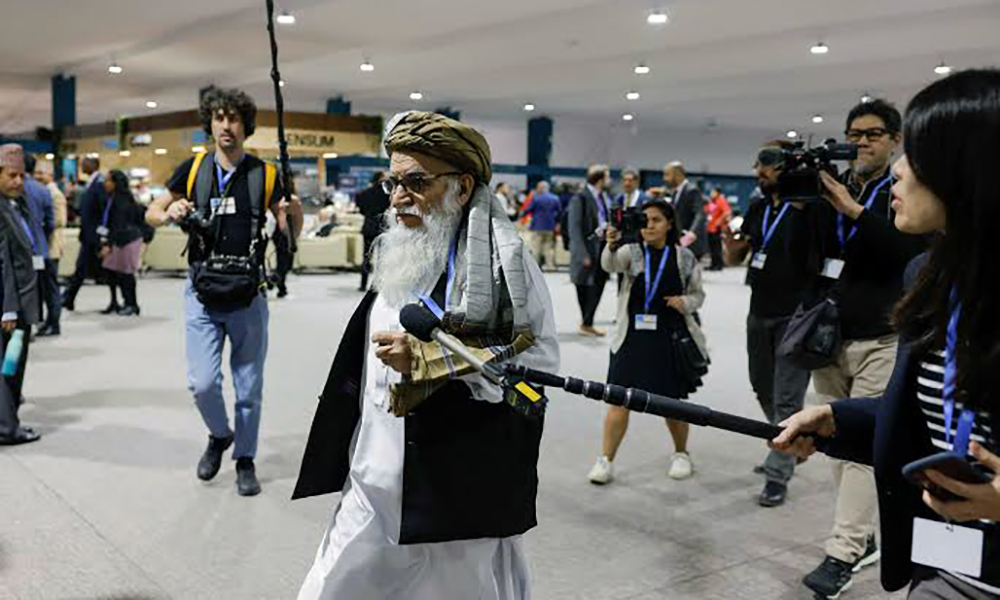
IEA to attend UN climate summit for second time since returning to power
-
 World4 days ago
Democrat Abdul El-Sayed becomes first Muslim elected to US Senate