
Latest News
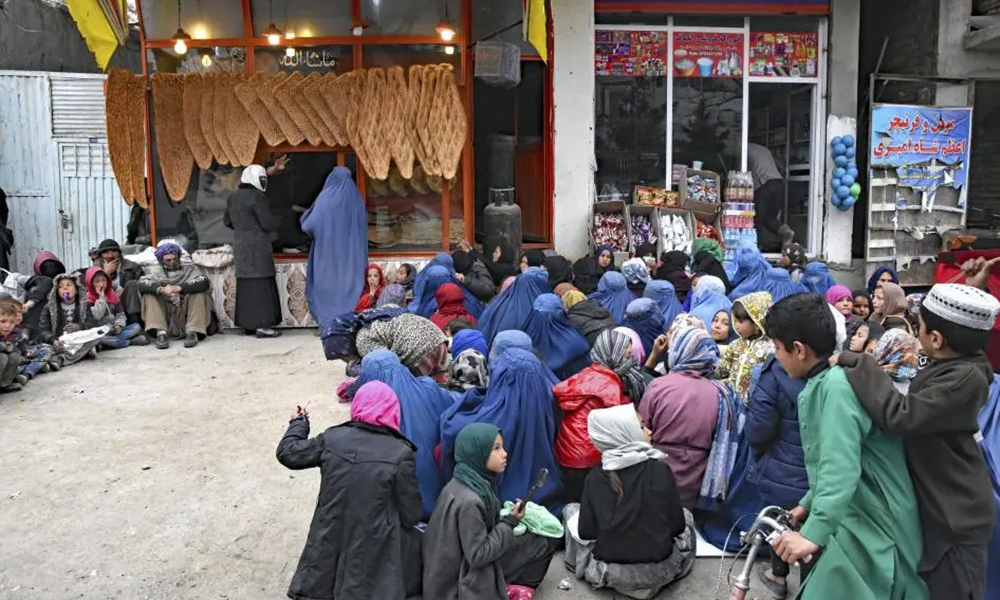
One year after IEA takeover, Afghans hail security but worry about crippled economy


Afghans on Monday welcomed the improved security situation across the country, on the anniversary of the Islamic Emirate’s (IEA) take over, but raised concerns about the deteriorating economy, rising poverty levels, the high unemployment rate and newly imposed social restrictions.
One civil society activist in Herat province, Shakila Ahmadi said the IEA take over “had negative effects on people’s lives; schools were closed and girls were barred from going to school; there was human capital flight and university lecturers left the country.”
“There should be better moves so that women can return to work. Women should be allowed to work not only in the health sector, but also in other areas,” said Rafia Khatibi, an employee at Herat’s main hospital.
Syed Dawood, a Herat resident, urged IEA to form an inclusive government and allow women to work and get an education.
Despite restrictions on women, some businesswomen have however restarted operations in Herat.
Khalil-ur-Rahman Saqib, a resident of Badghis province, said: “Unfortunately, to be honest they have not performed well in the areas of development and education.”
In Balkh, people have different opinions about the performance of the IEA over the past year.
“The number of drug addicts was high in the city then, but now it has been reduced,” said Sayedullah, a resident of Balkh province.
Ebadullah, another resident of Balkh, complained of rising unemployment and urged IEA to create job opportunities.
Abdul Raouf Tawana, a religious cleric in Balkh, called on the IEA to make their government inclusive and try to gain public support and make the government sustainable.
Officials in Balkh said the security situation has improved after the IEA’s takeover.





Latest News
UN praises resilience of Afghans, raises concerns over restrictions on women and girls
The UN’s renewed commitment comes as millions of people across Afghanistan continue to depend on humanitarian assistance.
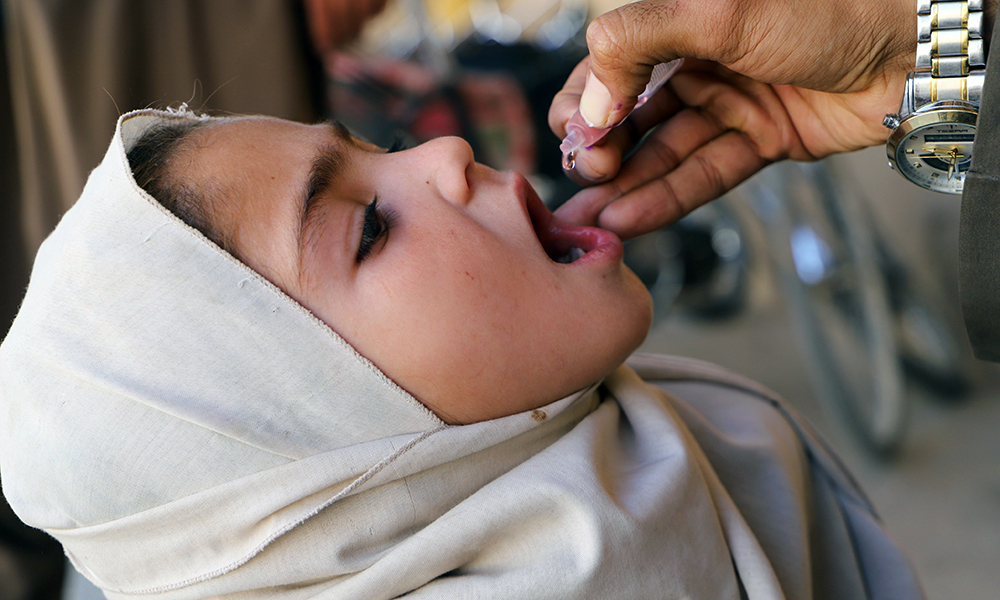
The United Nations has praised the resilience of the Afghan people in the face of decades of conflict, poverty, displacement and climate change, while expressing concern over restrictions imposed on women and girls.
In a statement issued Saturday to mark the 81st anniversary of the UN’s founding, the organization said Afghans continue to face widespread humanitarian and economic challenges, while people returning to the country are also confronting numerous difficulties.
The UN said it remains committed to supporting Afghanistan through humanitarian assistance, healthcare, education, human rights protection, economic opportunities and disaster preparedness.
The statement emphasized that Afghanistan’s future belongs to its people and reaffirmed the organization’s commitment to helping Afghans address ongoing humanitarian and economic challenges.
United Nations Day is observed annually on October 24, marking the entry into force of the UN Charter in 1945.
The UN’s renewed commitment comes as millions of people across Afghanistan continue to depend on humanitarian assistance.
Meanwhile, the Islamic Emirate of Afghanistan has previously said that human rights are now better protected than ever in the country under Islamic Sharia.

Hamdullah Fitrat, Deputy Spokesperson for the Islamic Emirate of Afghanistan, has strongly rejected the repeated allegations by Pakistani officials that Afghanistan is involved in insecurity in Pakistan, saying that creating or supporting insecurity in Pakistan is not in Afghanistan’s interests.
In a statement published on his account, Fitrat said that whenever Pakistani officials are unable to ensure security in their own country, they blame Afghanistan for incidents in an attempt to mislead public opinion.
According to Fitrat, Afghanistan neither has the necessary means to create insecurity in other countries nor would it benefit from such actions, as insecurity in Pakistan also harms Afghanistan economically, socially and in humanitarian terms.
The deputy spokesperson added that instead of focusing on their own security responsibilities, Pakistani officials wrongly blame Afghanistan and spend resources on plans aimed at destabilizing the country.
Fitrat described this approach as a way of evading core responsibilities, destabilizing the region and wasting economic resources. He further said that this misguided stance has distracted Pakistan’s security forces from their primary duties.
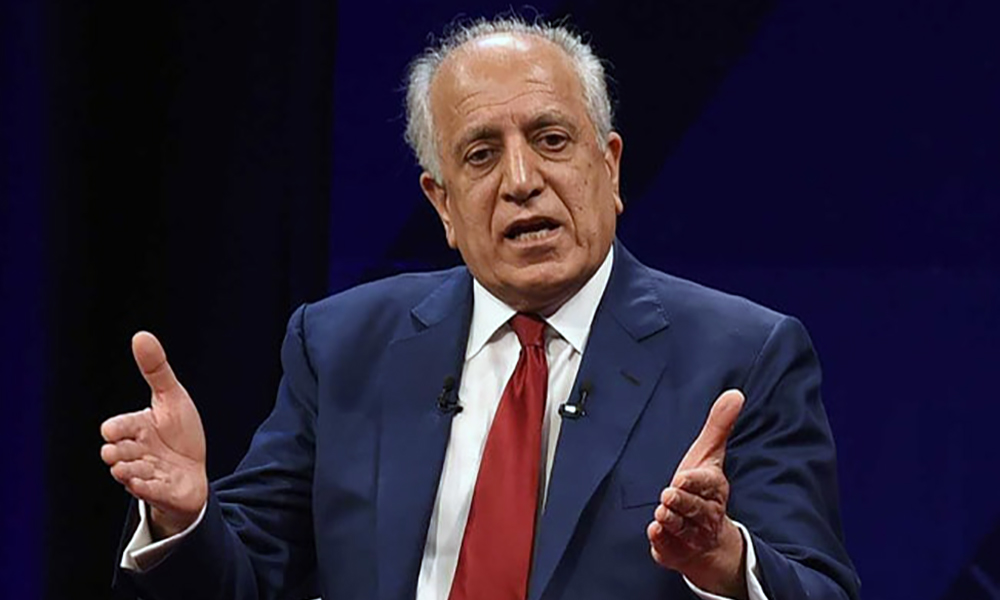
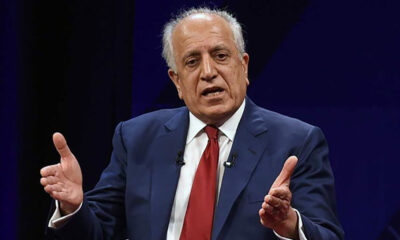
Zalmay Khalilzad, the former U.S. special representative for Afghanistan, has warned that relations between Afghanistan and Pakistan could deteriorate further amid reports of alleged Pakistani recruitment and arming of Afghans.
In a statement, Khalilzad said there had been numerous reports alleging that Pakistan was arming Afghans to fight the Taliban in Afghanistan. He added that new reports suggested the Pakistani military was recruiting Afghans to fight anti-Pakistan insurgents.
He cautioned that, given the current situation, ties between Kabul and Islamabad were likely to worsen significantly.
Khalilzad’s remarks come amid ongoing tensions between the two neighboring countries.


UN praises resilience of Afghans, raises concerns over restrictions on women and girls
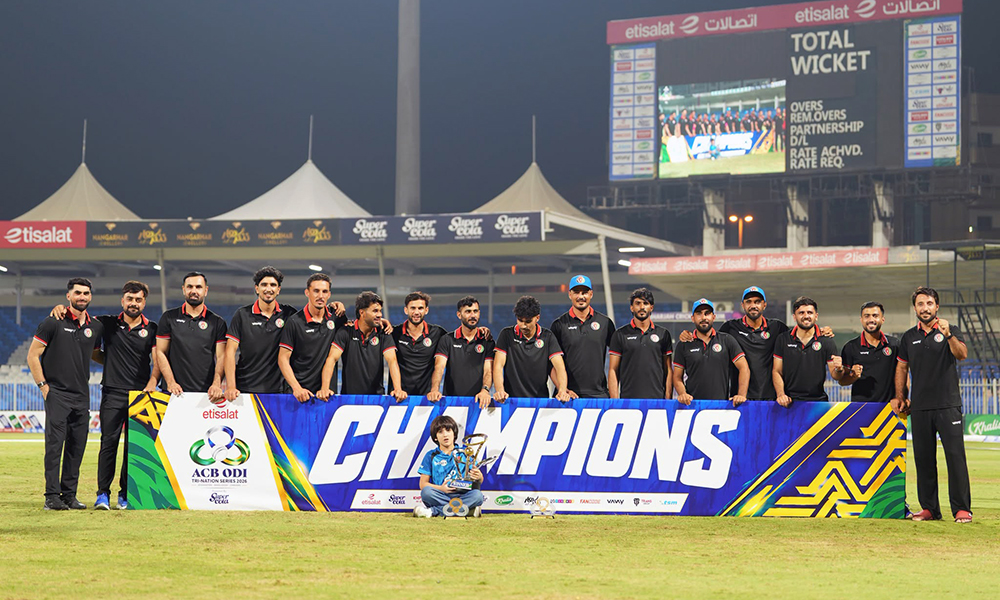
Afghanistan defeat Zimbabwe to win Tri-Series ahead of 2027 Cricket World Cup
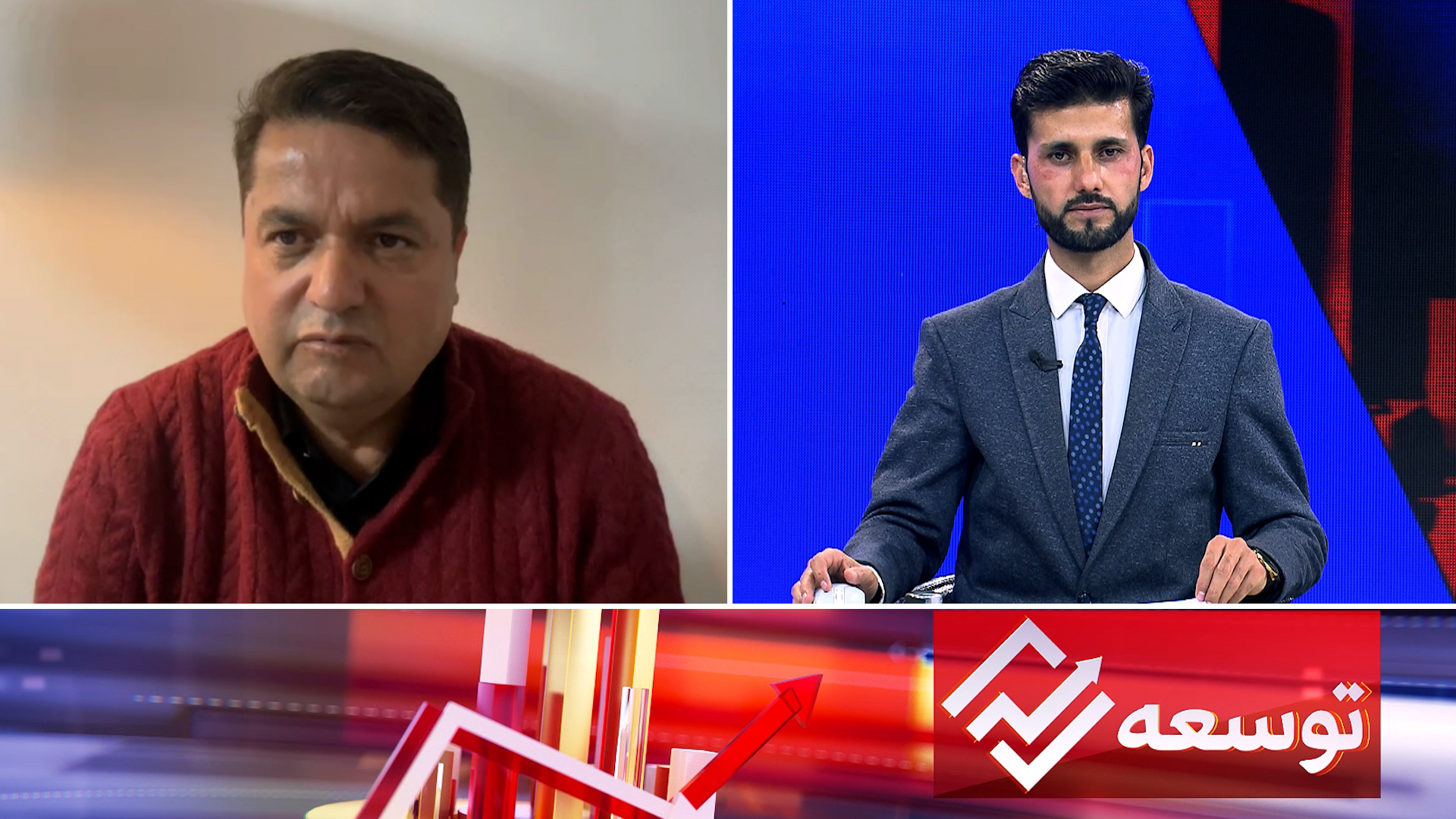
Tawsia: New opportunities in Afghanistan’s energy, trade and agriculture sectors discussed

IEA rejects Pakistan’s allegations linking Afghanistan to insecurity

Exclusive interview with Ali Bilal, runner-up in Mr. Olympia Men’s Physique category

Cricket Bonanza: Afghanistan set for packed international schedule

Afghanistan says 28 killed, 32 captured in Nuristan operation

Afghanistan on climate front line as Kabul faces groundwater warning

ACB announces Afghanistan squads for Bangladesh, Zimbabwe series

Trump rejects Iranian proposal to open Hormuz and end fighting
Tawsia: New opportunities in Afghanistan’s energy, trade and agriculture sectors discussed
Exclusive interview with Ali Bilal, runner-up in Mr. Olympia Men’s Physique category

Tahawol: Doha meeting and Afghanistan’s political and economic future discussed

Saar: Concerns over expansion of conflict between Iran and US discussed

Governments warn citizens over security risks in France after riots
-
 World5 days ago
Violent protests spread across Europe as Albanian PM blames ‘foreign hand’
-
 Latest News2 days ago
Afghanistan’s new Wakhan road to China faces major hurdles
-
 Business5 days ago
Iran calls for extending Herat railway to Uzbekistan border
-
 Latest News4 days ago
Russian troops arrive in Uzbekistan for joint military exercises
-
 Latest News3 days ago
Qatar calls for shift from humanitarian aid to economic recovery in Afghanistan
-
 World3 days ago
Governments warn citizens over security risks in France after riots
-

 Latest News4 days ago
Trump blames migrants for violence in France as US midterms loom
-

 Latest News5 days ago
Poland hits back at Hegseth over NATO sacrifices in Afghanistan