
Latest News
Pakistan clamps down on travel from Afghanistan and Iran

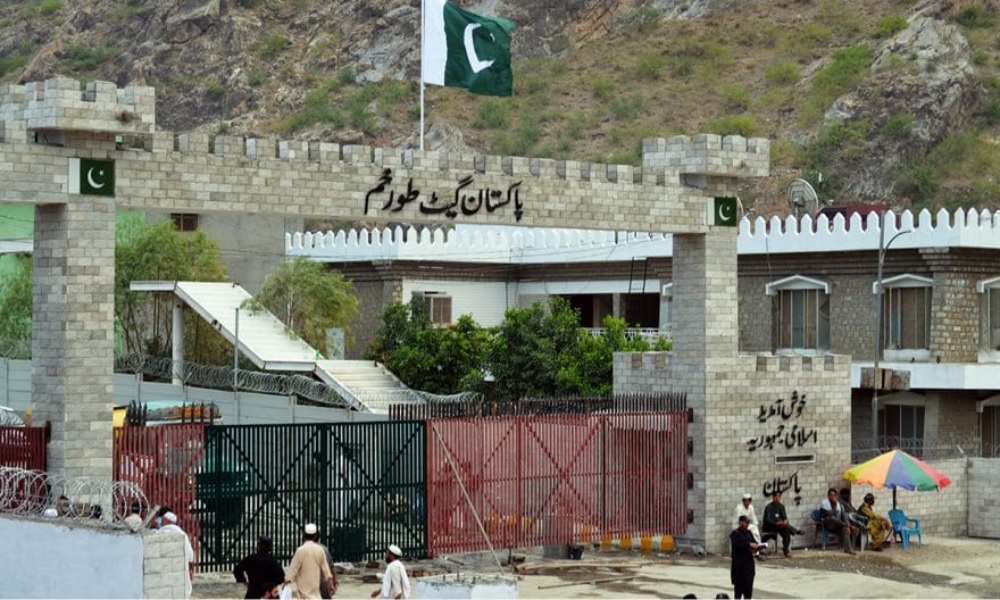
Pakistan on Sunday banned inbound pedestrian movement from neighboring Afghanistan and Iran in an attempt to contain the spread of coronavirus.
The decision will be effective from May 4 to May 20 and only Pakistani nationals and only people with extreme emergency medical issues will be allowed to enter the country from both countries.
All outbound pedestrian movement will be allowed.
Border terminals between the three countries will also remain open throughout the week for trade and cargo purposes, Anadolu News reported.
“With the emergence of various variants and to restrain import of any new mutation to Pakistan, the current policy of Land Border Management with Afghanistan and Iran has been reviewed to ensure regulated inbound pedestrian movement and effective management of COVID protocols at border terminals,” a government press release stated.
According to Anadolu, Pakistan has recently detected British, Brazilian, and South African variants of COVID-19, fearing a further rise in the already mounting infections.
It has also banned land and air travel from India, where record infections and deaths have overwhelmed the health care system.
The government has also decided to increase the strength of health and security officials at border terminals with Iran and Afghanistan for implementation of the testing protocols, and control high traffic density.
Inbound pedestrians will undergo a rapid antigen test, and Pakistani nationals who test positive will be shifted to nearby quarantine facilities.
Inbound Afghan pedestrians with exemptions who test positive will be reverted to the home country.
Pakistan has registered 829,933 cases, including 18,070 deaths.

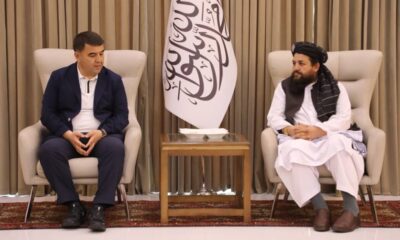
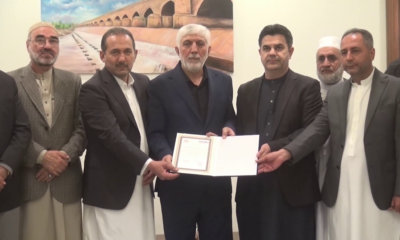




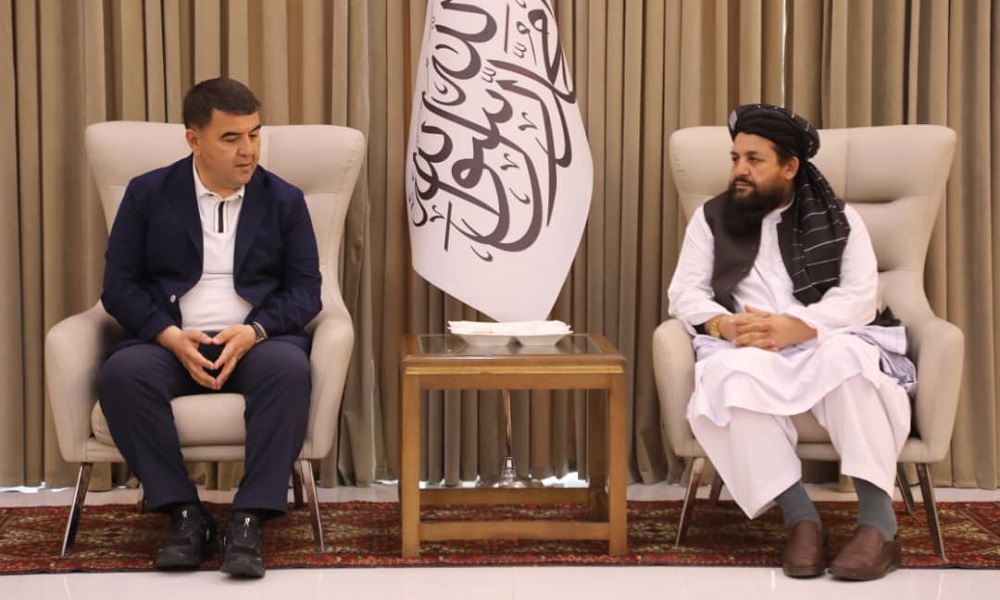
A high-level government–private sector delegation from Uzbekistan, led by Shukhrat Abdullazakov, Governor of Namangan province, arrived in Kabul to enhance trade between the two countries and promote investment in Afghanistan.
According to a press release from the Ministry of Industry, the delegation, which includes deputy governors and more than 30 of Uzbekistan’s top businesspeople and investors, will meet with officials of the Islamic Emirate of Afghanistan and participate in conferences and trade meetings.
The delegation will also travel to Balkh, meet with local officials, and hold business meetings with members of the private sector.
Additionally, the delegation will inaugurate an exhibition of Uzbek products and goods in Mazar-i-Sharif.
This visit follows the trip of Erkinjon Turdimov, Governor of Uzbekistan’s Syrdarya Province, and his accompanying delegation, and is based on meetings between Nuruddin Azizi, Minister of Industry and Trade of the Islamic Emirate, and senior Uzbek officials.
Other governors from Uzbekistan are also expected to visit Afghanistan to further expand bilateral trade and economic relations.
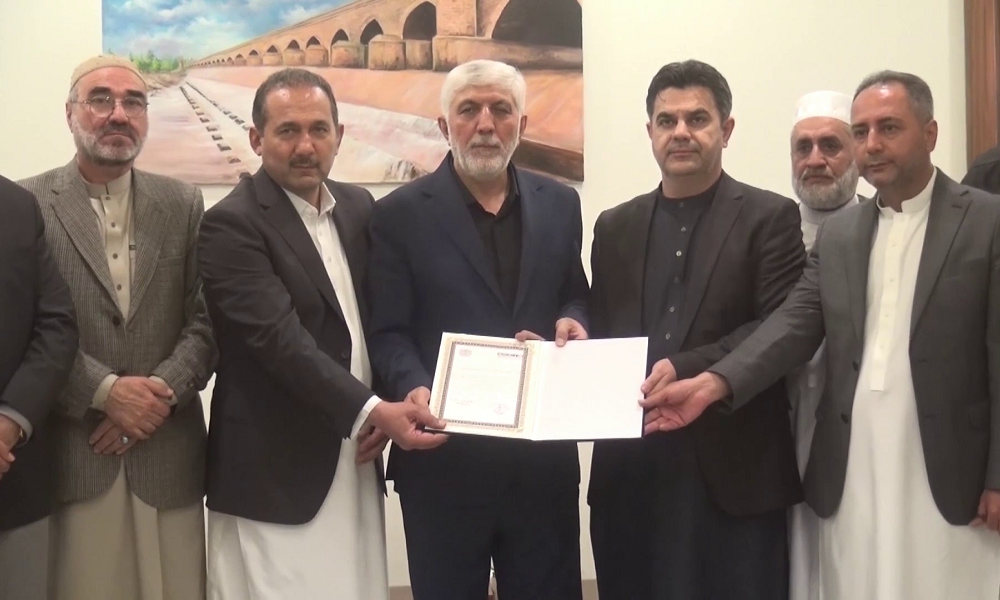
The Herat Chamber of Commerce and Investment announced on Saturday that national traders, jointly through the chamber, have provided approximately 15 million AFN in aid to the people of Iran.
The chamber stated that this aid package was delivered to the Iranian Consulate in Herat. It added that the assistance was intended to express solidarity with families affected by the war.
Mohammad Younes Qazizadeh, head of the Herat Chamber of Commerce and Investment, said: “Today we have presented 15 million AFN to the dear people of Iran through the Herat provincial authorities and the Iranian Consulate, and this aid will continue.”
Meanwhile, officials at the Iranian Consulate in Herat emphasized that Afghanistan and Iran always stand together and fully understand each other’s difficulties.
The Herat Chamber of Commerce and Investment also highlighted that the people of Iran have consistently supported the people of Afghanistan during various crises, and their cooperation in different sectors has reached families affected in the country.
Officials of the Herat Chamber of Commerce and Investment stressed that the process of private-sector humanitarian aid to the affected people of Iran will continue.
Following attacks by the United States and Israel on Iran, many people in the country have been affected and harmed.
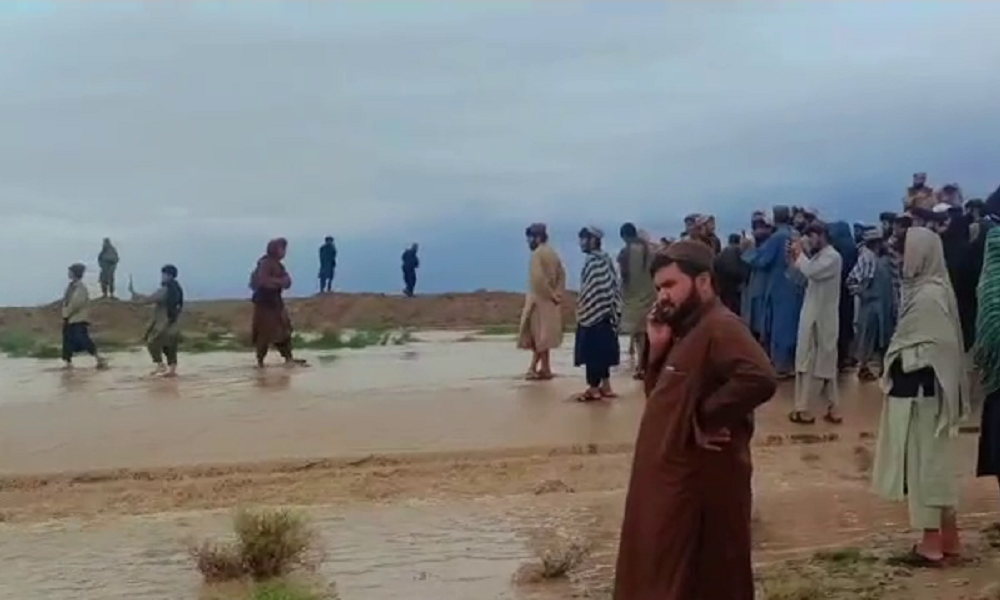
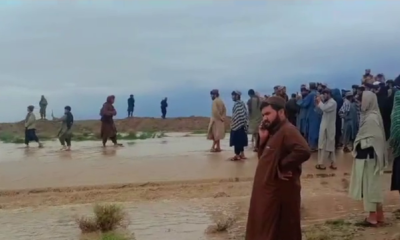
Local officials in Badghis have reported that heavy rainfall from midnight until Saturday morning claimed the lives of five people in the province.
According to officials, three people died in Qadis district, while two others, including a three-year-old child, lost their lives in Dara-e-Bum district.
The Badghis Department for Disaster Management stated that the floods not only caused fatalities but also inflicted significant financial losses on local residents and destroyed agricultural land.
However, complete information on the extent of damage and casualties is not yet available. Staff from various government departments have been dispatched to affected areas to conduct preliminary surveys.
Meanwhile, heavy rains and floods in western Afghanistan temporarily blocked the Herat–Kandahar Highway.
According to Mohammad Israil Sayar, head of the Disaster Management Department in Farah province, recent rainfall has caused the Farah River to swell significantly. He added that the situation has now returned to normal, and traffic along the highway has resumed.


Tahawol: Concerns over spread of Middle East crisis discussed

Saar: Weakening relations between Kabul and Washington discussed

High-level Uzbek delegation arrives in Kabul to boost bilateral trade

Herat Chamber of Commerce donates 15 million AFN to the people of Iran

Severe floods in Badghis leave five dead

Pakistani military jet downed in Afghanistan’s Jalalabad, pilot captured alive

Afghan Air Force conducts airstrikes in Islamabad, other cities

Prominent Muslim scholar issues fatwa calling for Afghanistan-Pakistan ceasefire

Afghan air force strikes key Pakistani military installations in retaliatory operation

IEA: Special circle in Pakistan has launched mission to destabilize region
Tahawol: Concerns over spread of Middle East crisis discussed
Saar: Weakening relations between Kabul and Washington discussed

Exclusive interview with Indrika Ratwatte, Deputy UN Special Representative for Afghanistan

Tawsia: Efforts to boost Afghanistan’s domestic production and economic diplomacy

Tahawol: Discussion on day 27 of Iran–US war
-
 Latest News3 days ago
Tajikistan shifts stance on Afghanistan amid rising border tensions
-
 Latest News5 days ago
Around 2.3 million tourists visited Afghanistan’s recreational areas during Eid: Ghufran
-

 Sport5 days ago
Afghanistan squad hit by withdrawals ahead of AFC Asian Cup Qualifiers
-
 Latest News5 days ago
Islamic Emirate releases American prisoner Dennis Coyle
-
 Latest News4 days ago
Two civilians killed, eight injured in fresh shelling by Pakistan in Kunar
-
 Regional5 days ago
US allies in Middle East ‘edging closer’ to joining conflict
-

 Latest News2 days ago
Russia deems US military presence in Afghanistan unacceptable
-
 Latest News2 days ago
IEA says Iranian drivers no longer need visas to enter Afghanistan