
Regional
Pakistan military ends train standoff, says 21 hostages and four troops killed
The military sent in hundreds of troops and also deployed the airforce and special forces to tackle the militants

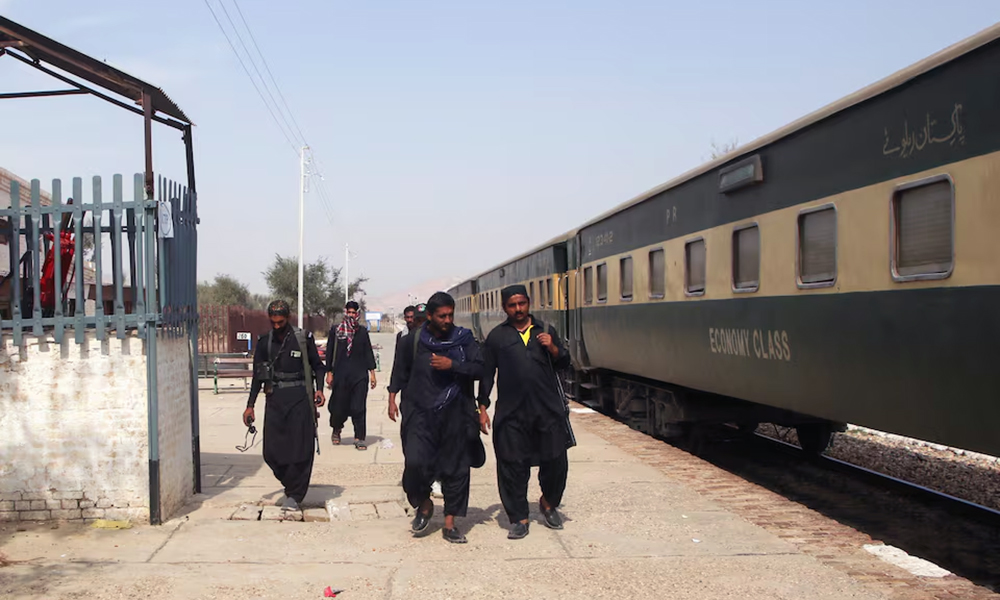
Pakistani security forces stormed a train on Wednesday that had been hijacked by separatist militants, killing all 33 attackers and ending a day-long standoff involving hundreds of hostages, the military said.
Separatist Baloch militants on Tuesday blew up the railway track and hurled rockets at the Jaffar Express when it was on its way to Peshawar in Khyber Pakhtunkhwa province from Balochistan’s capital of Quetta, carrying 440 people.
The military said 21 hostages and four security troops were killed over the course of the standoff.
“Today we freed a large number of people, including women and children … The final operation was carried out with great care,” military spokesperson Ahmed Sharif Chaudhry said, adding that no civilians were killed in the final stage of the operation.
Before the army announcement, the Baloch Liberation Army, which claimed the attack, said it had killed 50 passengers on Wednesday evening.
It had said on Tuesday that it was holding 214 people, mostly security personnel. It had threatened to start executing hostages unless authorities met its 48-hour deadline for the release of Baloch political prisoners, activists, and missing people it says had been abducted by the military.
The BLA is the largest of several ethnic armed groups battling the government in Balochistan, which borders Afghanistan and Iran.
The militants have in recent months stepped up their activities using new tactics to inflict high death and injury tolls and target Pakistan’s military.
Baloch militant groups say they have been fighting for a larger share in the regional wealth of mines and minerals denied by the central government.
Junior Interior Minister Talal Chaudhry told Geo television earlier on Wednesday that militants were wearing suicide vests as they sat among the passengers held hostage, complicating the rescue attempt.
He said 70-80 attackers had hijacked the train.
The military sent in hundreds of troops and also deployed the airforce and special forces to tackle the militants, Chaudhry said.
In the final phase of the operation, he said special forces first took out the suicide bombers before troops went from carriage to carriage to kill the rest of the militants. He did not give a number of those rescued in this phase of the operation and it was not immediately clear how or to where the passengers would be evacuated.
The train driver and several others had already been killed, officials said earlier, before the army statement.
Government officials had said earlier, also before the army statement, that 190 of those on board had already been rescued, with more than 50 taken to Quetta to be reunited with their loved ones.
Muhammad Ashraf, 75, who was travelling on the train, said he heard a loud explosion in the mountainous area, which shook all the carriages.
“We lay on the floor once heavy firing started. Shortly after, armed men entered the train and checked our identities,” he said in Quetta.
A security official had told Reuters that the armed men were looking for soldiers and security personnel.
A woman, who said her son was among the passengers still waiting to be freed, confronted provincial minister Mir Zahoor Buledi. “Why didn’t you stop the trains if they were not safe?” she said.
Buledi told reporters the government was working to beef up security in the region.









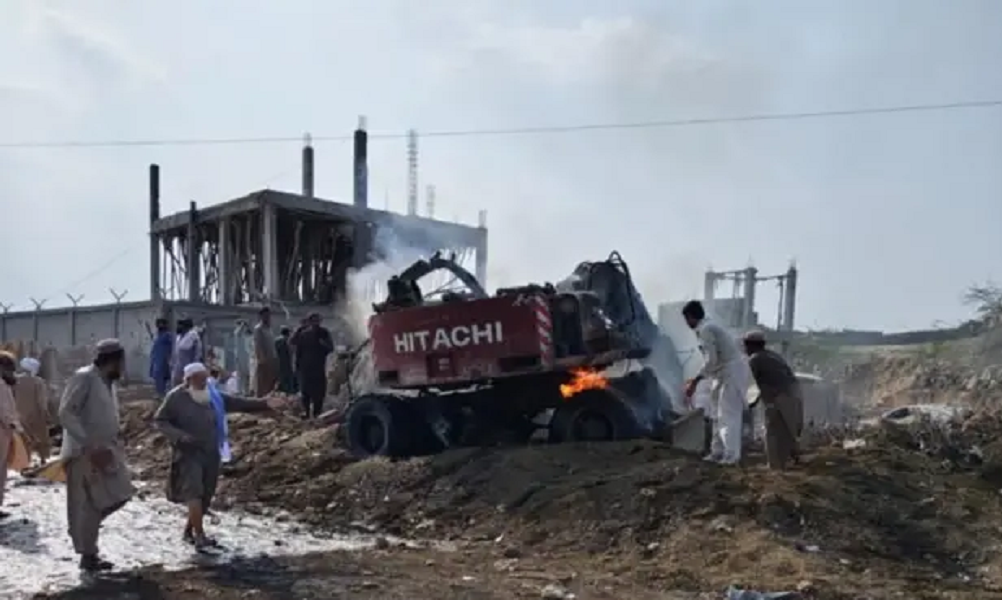
Eleven people were killed and 30 injured in a blast in Dera Ismail Khan in northwestern Pakistan on Saturday, emergency service Rescue 1122 said.
The Tehreek-e-Taliban Pakistan claimed responsibility for Saturday’s attack.
The blast occurred near Aman Mela in the Darazinda area of the district, Rescue 1122 said in a statement.
Rescue teams from the Darazinda station reached the scene and began relief operations, providing medical assistance to the wounded and taking them to hospital, the service said.
Security incidents have continued in the district this month, including attacks involving the Pakistani Taliban.
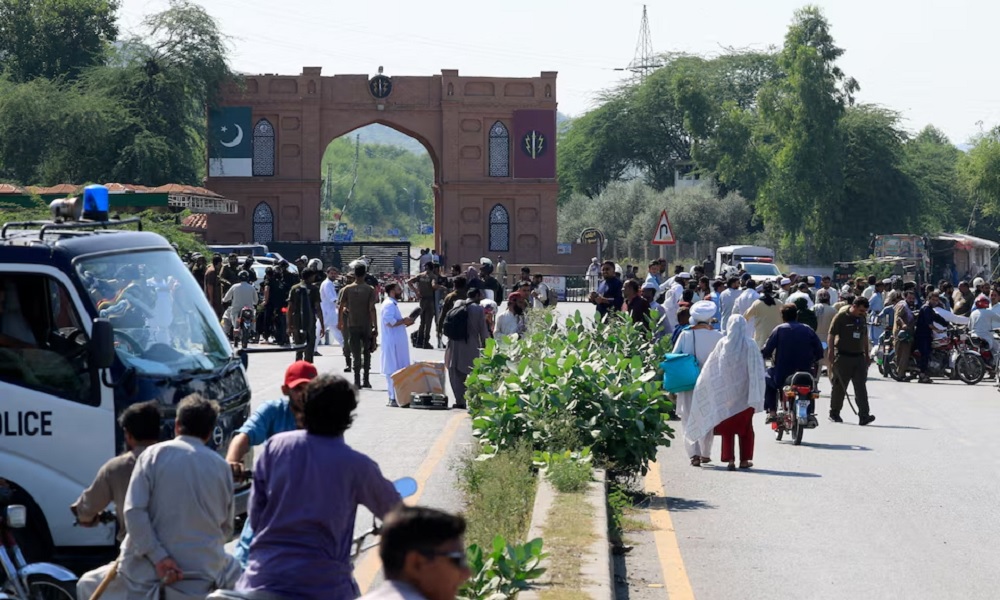
Jailed former prime minister Imran Khan’s Pakistan Tehreek-e-Insaf party has postponed a planned long march from Peshawar to Islamabad until October 4, the chief minister of the PTI-ruled Khyber Pakhtunkhwa province, Sohail Afridi, told reporters on Friday.
PTI had planned to begin the march on September 27 to press for the release of Khan, who has been in jail since 2023. The PTI’s last large-scale protest two years ago ended in deadly clashes with security forces, Reuters reported.
Earlier this week, Pakistan curbed access to its capital, Islamabad, by blocking major highways with shipping containers and deploying tens of thousands of security forces, ahead of the march planned by Khan’s supporters.
Party spokesperson Zulfi Bukhari, however, told Reuters that although they had moved the planned date to October 4, they could launch the march earlier.
“We can now do it whenever we deem fit. The question is to the government, as to how long they’re willing to keep the country closed off?”, Bukhari said.
Authorities have detained three of Khan’s sisters and hundreds of party activists in recent days, citing a need to maintain public order.
Khan, 73, a former cricket star ousted by parliament in a 2022 no-confidence vote, has claimed to be a political prisoner.
Regional
Saudi Grand Mufti tells troops to be ready to sacrifice their lives fighting Houthis
State TV has in recent weeks aired footage of an alleged Houthi strike on a mosque in the kingdom’s south, and authorities have also accused the Houthis of launching an attack on Mecca, Islam’s holiest site.
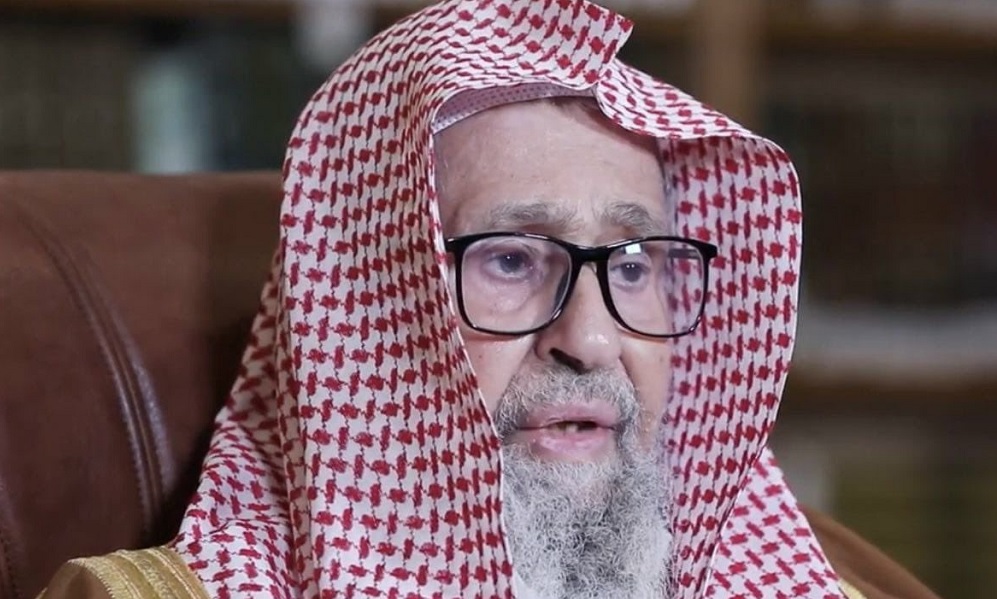
Saudi Arabia’s top religious authority called on soldiers in the kingdom to be ready to lay down their lives to fight the Iran-backed Houthis until the group is ousted from power, a statement posted on the Saudi state news agency said.
The rare and strongly worded message by Saudi Grand Mufti Sheikh Saleh bin Fawzan Al-Fawzan was addressed to soldiers stationed at the country’s borders and drew heavily on Quranic verses and recorded sayings of the Prophet Mohammad related to sacrifice and struggle in defence of God, Reuters reported.
It comes after weeks of escalating violence between Saudi Arabia and the Houthis which has seen the Iran-backed group attack the kingdom with salvos of missiles and drones and Saudi Arabia respond with airstrikes.
Observers have been questioning whether Saudi Arabia will launch a broader military operation along with Yemeni government forces it backs.
“Protecting this great nation… and punishing anyone who seeks to lay a hand on even an inch of its territory are among the greatest duties and most virtuous acts of devotion, for which lives and souls may be sacrificed in seeking God’s pleasure,” said the statement, issued late Thursday.
Asserting the authority of the Saudi-backed internationally recognized Yemeni government over the entire country was “among the most pressing obligations,” it added.
Those government forces lost control of the vital Bab el-Mandeb waterway to the Houthis two weeks back, a blow to the kingdom, which has been mired in the conflict since 2015 after it launched an unsuccessful operation to oust the Houthis from the Yemeni capital Sanaa.
The recent fighting is the latest episode in 12 years of civil war in Yemen which had largely been frozen since a 2022 but has escalated again and has become linked to the wider Iran war.
“We ask God Almighty to grant you all his support, and to protect our countries and beloved Yemen from all harm. We also ask him to bring about the complete defeat of the Houthi group and those who assist and support them,” the statement said.
The Mufti’s letter adds to a growing religiously centered narrative by authorities in the conservative Sunni Muslim kingdom aimed at discrediting the Houthis, who follow a different sect of Islam.
State TV has in recent weeks aired footage of an alleged Houthi strike on a mosque in the kingdom’s south, and authorities have also accused the Houthis of launching an attack on Mecca, Islam’s holiest site.
“It is incumbent upon you, brothers serving on the front lines, to remain constantly prepared to perform your duty, to obey the rulers and your field commanders, and to carry out orders with the utmost precision, as God Almighty commanded the companions of his Prophet to do,” the statement said.
“You are following in the footsteps of the Prophet’s companions, defending the sacred sites of Muslims.”


Abu Muslim Farah defeat Khurasan Faryab 2-0 in ACL season six

Saar: Concerns over Pakistan’s political crisis discussed

Afghanistan Champions League: Omar Zawak Herat beat Toofan Herat 1-0

Blast in Pakistan’s Dera Ismail Khan kills 11, injures 30

Ariana Afghan Airlines increases Kabul-Delhi cargo flights

Saudi energy group signs major Afghanistan deals covering gas exploration and pipeline plans

Trump floats idea of renaming Atlantic or Pacific Ocean

US hits Egyptian bank branches with Iran sanctions as war marks six months

Nepal flood rescue mission enters critical phase as thousands remain missing

Iranian clubs to face Gulf opponents at neutral venues in Asian Champions League Elite
Saar: Concerns over Pakistan’s political crisis discussed

Exclusive interview with Abdul Latif Mansoor, Minister of MRRD

Tawsia: Overview of Afghanistan’s iron mines

Tahawol: Discussion on fresh Pakistani airstrikes on Afghanistan

Saar: Calls for international support for Afghanistan discussed
-

 World5 days ago
CNN, MS NOW and Politico sue Trump, challenging White House ban
-

 Latest News3 days ago
Ariana Afghan Airlines ranks seventh among 45 Central Asian airlines
-

 Latest News5 days ago
UN reiterates call for respect for international law after Kunar airstrikes
-

 Regional4 days ago
US and Iran hold first talks since June after Trump’s ‘annihilation’ threat
-

 Latest News3 days ago
Silk Road highway in Wakhan corridor now reaches the China border
-

 Latest News5 days ago
Afghan Official: Pakistan’s airstrikes will not go unanswered
-

 Regional5 days ago
G7 foreign ministers call on Iran to stop arming Houthis
-

 Regional3 days ago
Iran airlines cancel flights as US sanctions hit