
Latest News
Red Cross urges donors to put lives of Afghans above politics

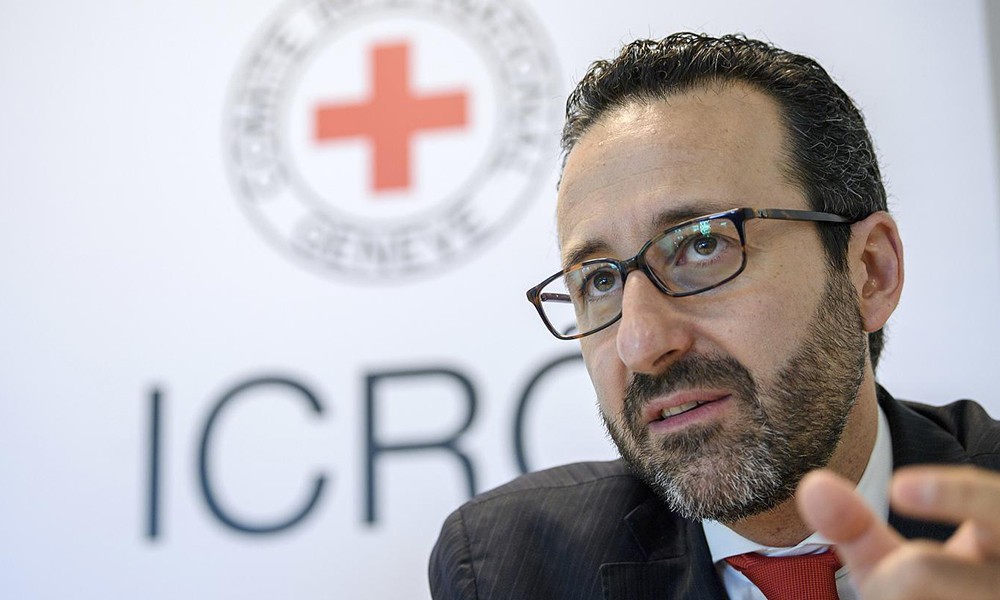
The international community must step up urgently to stop Afghanistan’s rapid slide towards total collapse and all-out humanitarian disaster, the International Committee of the Red Cross (ICRC) has warned.
Six months after the Islamic Emirate of Afghanistan (IEA) took control, resulting in international sanctions and the freezing of aid, the continuing reluctance of many international donors to engage with the current leadership is worsening the desperate plight of millions of Afghans already worn down by more than four decades of conflict, repeated droughts and the COVID-19 pandemic, ICRC said in a statement released Thursday.
“In my 25 years as a humanitarian worker, I have never seen anything quite like this. The magnitude of the crisis facing the people of Afghanistan – and the speed with which it has worsened – is really alarming,” said Robert Mardini, director-general of the ICRC, during a visit to the country.
“Afghan lives must not be hostage to political manoeuvres. It is vital that donors distinguish between the type of development aid that might be used as political incentive and aid that will help ordinary Afghans to survive – by ensuring that government institutions can deliver basic services and prevent economic collapse. There is no time to lose.”
ICRC said that health services are among those in most urgent need of support. It cited an ICRC-supported hospital in Kandahar as an example of how it was overcrowded.
“Access to healthcare is clearly one the most pressing humanitarian concerns in the country,” said Anders Ladekarl, secretary-general of the Danish Red Cross society. “Supporting teaching hospitals and nursing schools is one of the most effective and sustainable ways to save an already-debilitated health system from collapse and help secure its future. The urgency of putting the right support in place cannot be overestimated.”
Kristiina Kumpula, secretary-general of the Finnish Red Cross society, said the levels of suffering in Afghanistan is “very distressing.”
“Afghanistan was already one of the most difficult places in the world to be a mother or an infant. Now it is harder than ever.”
Mardini said that humanitarian response cannot replace a functioning public sector and ensure service delivery for 40 million people.
“The most urgent next steps are salary payments for some 500,000 public sector civil servants, ensuring that critical services are able to function, and resuming technical support to the Central Bank to relieve the banking and liquidity crisis,” he said.
ICRC will launch an appeal of around $54 million in March, mostly to provide assistance to the country’s hospitals and medical staff.
“What is needed now is decisive action by donors to put the lives and livelihoods of Afghan people above politics,” Mardini, said. “The cost of inaction will be very much greater, and the ensuing disaster difficult, if not impossible, to reverse.”
Earlier this week, ICRC said that the Afghan people’s need for humanitarian assistance has increased by 30 percent.
The committee said 24.4 million people across Afghanistan were in need of humanitarian assistance.
Meanwhile, UNICEF said on Thursday around 3.2 million Afghan children under five are expected to suffer from acute malnutrition this year.

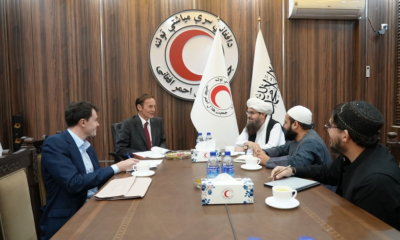



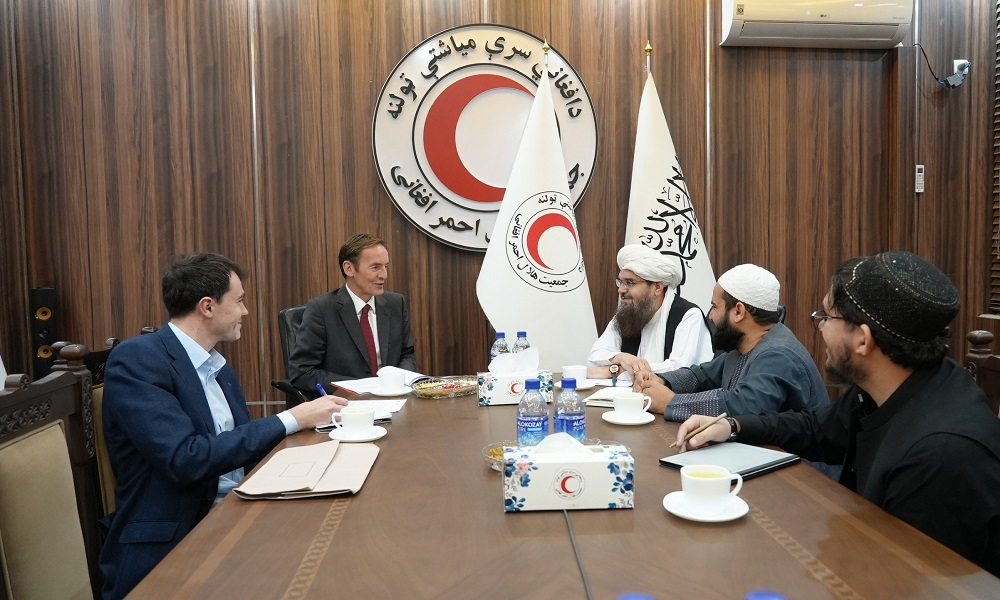
Shahabuddin Delawar, president of the Afghan Red Crescent Society (ARCS), met with Richard Lindsay, the UK’s Special Representative for Afghanistan, to discuss the country’s humanitarian situation and ways to expand assistance for vulnerable communities.
According to ARCS, the meeting focused on support for people affected by natural disasters, Afghan returnees and other vulnerable groups, particularly their urgent humanitarian and healthcare needs.
Delawar thanked the United Kingdom for its humanitarian assistance to people affected by natural disasters and briefed Lindsay on the ARCS’s humanitarian and healthcare activities.
He highlighted the society’s services for children with congenital heart defects at its cardiac hospital, vocational training and skills development programs for vulnerable women and children across seven regional zones, mental healthcare services, and assistance to communities affected by natural disasters.
Delawar said decades of hardship had left many Afghans facing mental health challenges, while vulnerable families continued to struggle with difficult living conditions. He stressed the need for expanded humanitarian assistance and healthcare support.
Referring to the return of Afghan refugees from neighboring countries, Delawar said many families urgently need shelter, food, non-food items and medical services. He called for greater UK cooperation to help meet returnees’ basic needs.
Lindsay praised the ARCS’s humanitarian work and pledged continued cooperation in supporting returnees and other humanitarian initiatives in the coming year. He also said he would seek to facilitate effective cooperation with the society in the healthcare sector.
Both sides underscored the importance of strengthening cooperation to expand humanitarian assistance, support vulnerable communities and improve healthcare services in Afghanistan.
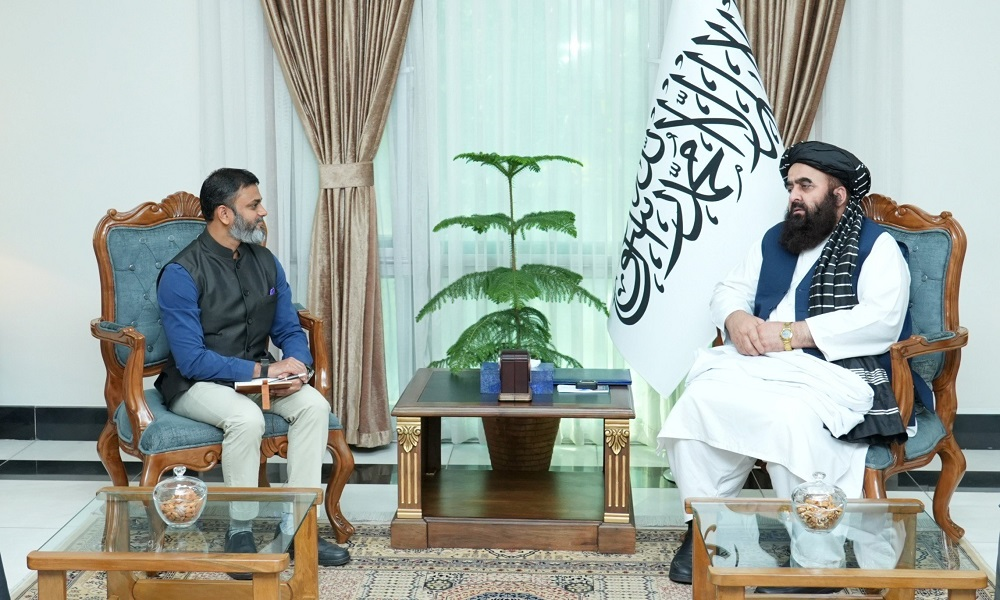
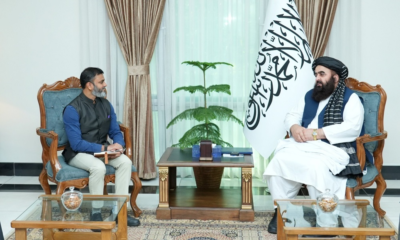
Amir Khan Muttaqi, Minister of Foreign Affairs of the Islamic Emirate of Afghanistan, met with Yatin Patel, India’s chargé d’affaires in Kabul, on Wednesday.
The Ministry of Foreign Affairs said Muttaqi emphasized that, in line with its balanced foreign policy, the Islamic Emirate attaches importance to relations with India.
Referring to the growing volume of trade between the two countries, he stressed the need to strengthen communication and cooperation between Afghanistan’s and India’s public and private sectors, adding that cooperation should be expanded to make better use of existing capacities.
Meanwhile, Yatin Patel said India seeks to expand its relations and engagement with Afghanistan in the economic, political and humanitarian fields.
Muttaqi also wished Patel success in his new assignment.
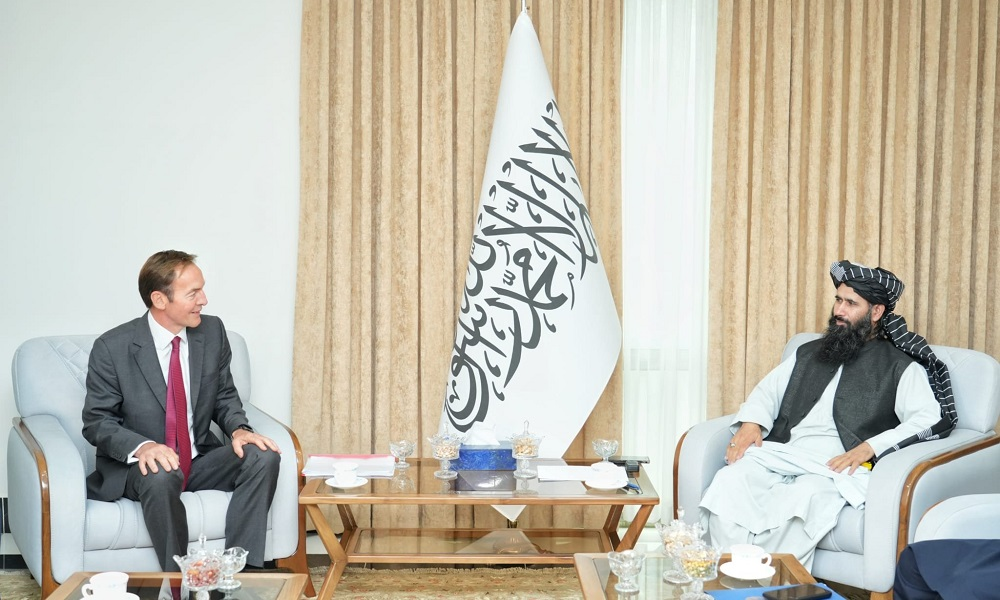
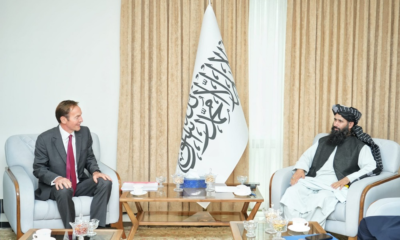
Mohammad Naeem, Deputy Minister for Finance and Administration at the Ministry of Foreign Affairs of the Islamic Emirate of Afghanistan, met on Wednesday with Richard Lindsay, the UK’s Special Representative for Afghanistan.
The Ministry of Foreign Affairs said the two sides discussed Afghanistan’s political, economic and security situation, regional stability, humanitarian assistance and consular services.
Naeem expressed appreciation for the UK’s humanitarian assistance and cooperation with Afghanistan and stressed the importance of continuing cooperation between the two sides.


Tahawol: Kyrgyzstan’s rejection of Afghan refugees discussed

Saar: Central Asia’s trade alternative to Pakistan discussed

ARCS, UK envoy discuss humanitarian needs of vulnerable Afghans

FM Muttaqi says IEA values ties with India under its balanced foreign policy

Afghanistan and UK stress expanding bilateral cooperation

Cricket Bonanza: Afghanistan set for packed international schedule

UN warns of mounting humanitarian and human rights pressures in Afghanistan

Afghanistan says 28 killed, 32 captured in Nuristan operation

CNN, MS NOW and Politico sue Trump, challenging White House ban

Silk Road highway in Wakhan corridor now reaches the China border
Tahawol: Kyrgyzstan’s rejection of Afghan refugees discussed
Saar: Central Asia’s trade alternative to Pakistan discussed

Tahawol: Warnings over worsening insecurity in Pakistan discussed

Saar: Concerns over potential return of US military bases to Afghanistan discussed

Tahawol: Kabul’s criticism of Islamabad’s policy toward Afghanistan
-
 Latest News5 days ago
Pakistan issues new directives for Afghan medical students and doctors
-
 Latest News4 days ago
Iranian lawmaker praises Afghanistan’s support, accuses Pakistan of ‘hypocrisy’
-
 Regional3 days ago
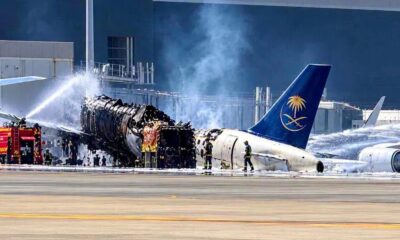
Houthis warn airlines to avoid Saudi airports after deadly Riyadh attack
-
 Business4 days ago
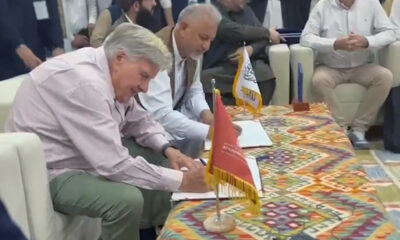
Afghan-Austrian partnership aims to boost carpet exports to European markets
-

 World3 days ago
One dead in new attack on Saudi airport, a day after Houthi strike kills 13
-
 Sport3 days ago
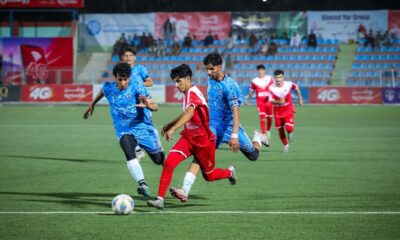
Afghanistan Champions League second half to kick off on October 16
-

 World4 days ago
14 killed in two separate mass shootings across the United States
-
 Business3 days ago
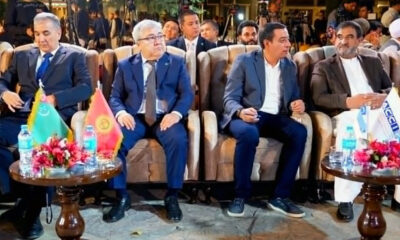
Afghanistan signs nearly $400 million in regional trade and investment deals