
Latest News
Two-day US-IEA talks in Doha focus on economy, human rights, anti-drug trafficking

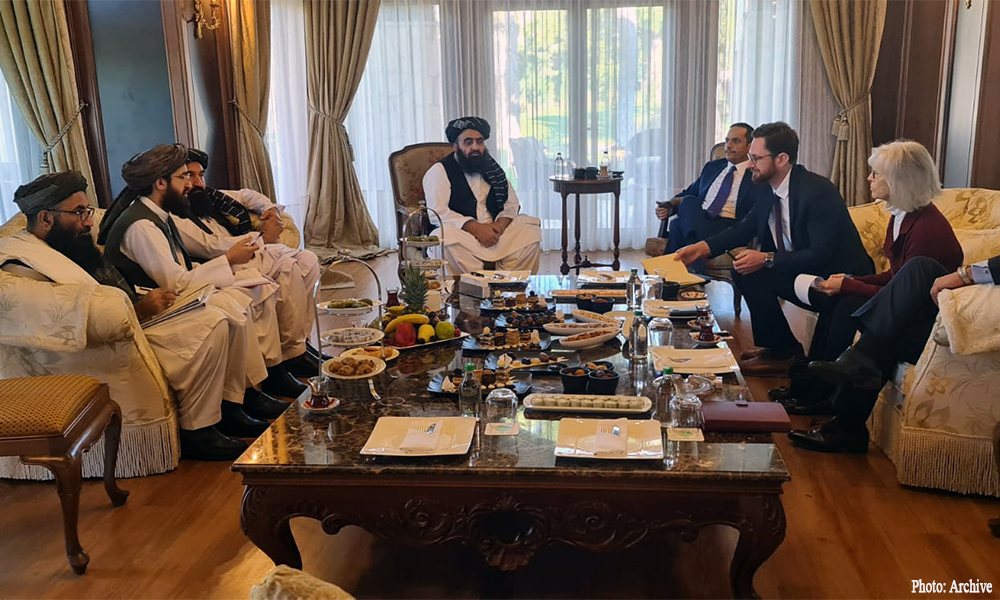
Following the two days of talks in Qatar, U.S. officials told Afghanistan’s Islamic Emirate that Washington was open to technical talks on economic stability and discussions on combating narcotics trafficking, the U.S. State Department said in a statement on Monday.
Islamic Emirate officials raised the lifting of travel and other restrictions on IEA leaders and the return of Afghan central bank assets held abroad, the Kabul administration said.
No country has formally recognized the IEA since their returned to power in Afghanistan in 2021 when U.S.-led foreign forces withdrew in chaos after a 20-year conflict.
The U.S. side repeated concerns about “deteriorating” human rights and called anew on the IEA to reverse bans on girls’ secondary education and womens’ employment and for the release of detained Americans, the State Department said in a statement.
It also sounded positive notes about improved financial data, including lower inflation, and reduced opium poppy cultivation under a 2022 ban. The U.S. side “voiced openness to continue dialogue on counternarcotics,” said the statement. The U.S. side also was ready “for a technical dialogue regarding economic stabilization issues soon.”
Most IEA leaders require U.N. permission to travel abroad, and Afghanistan’s banking sector has been crippled by sanctions since the takeover by the IEA, which calls itself the Islamic Emirate of Afghanistan (IEA), Reuters reported.
“IEA reiterated that it was crucial for confidence-building” that travel bans on IEA leaders be lifted and central bank reserves unfrozen “so that Afghans can establish an economy unreliant on foreign aid,” foreign ministry spokesman Qahar Balkhi said in an English-language statement.
About $7 billion in Afghan central bank funds were frozen in the Federal Reserve Bank of New York after the IEA took power. Half of the funds now are in a Swiss-based Afghan Fund, read the report.
According to Reuters a U.S.-funded audit of the Afghan central bank failed to win Washington’s backing for a return of assets from the trust fund.

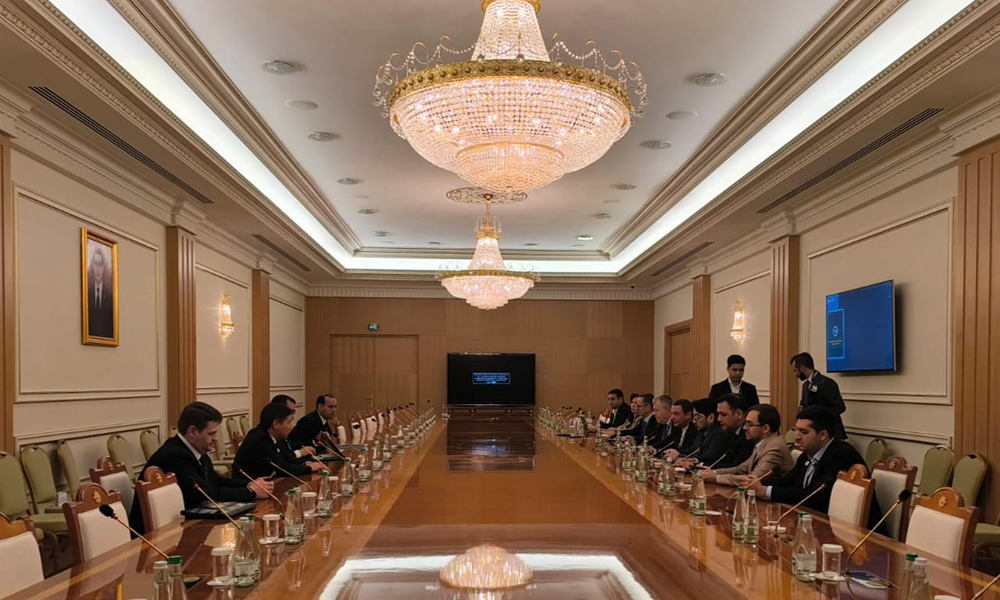
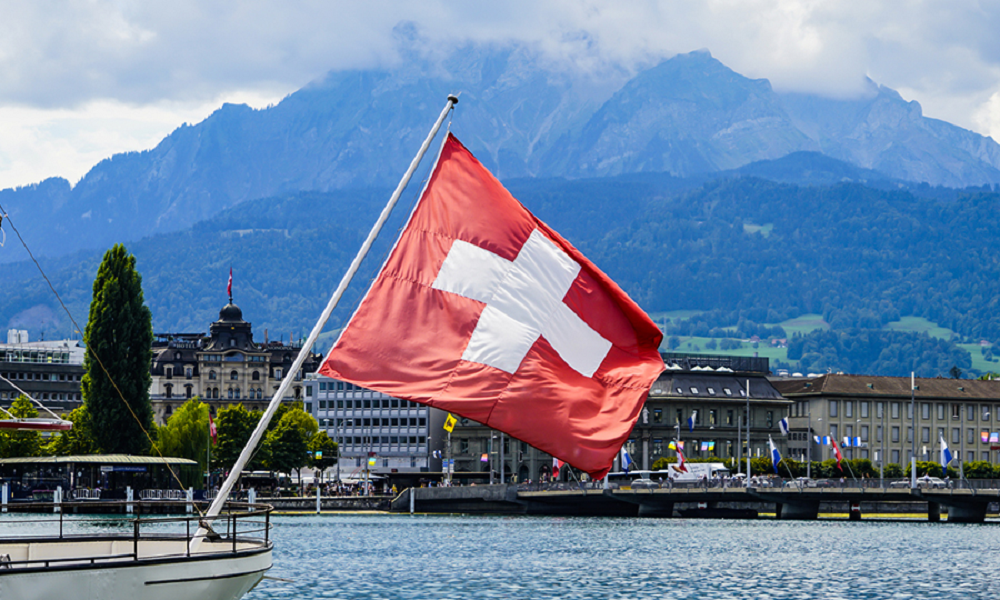
Swissinfo has reported that documents obtained under transparency laws show Swiss officials cooperated with representatives of the Islamic Emirate of Afghanistan in 2025 to identify and deport a number of Afghan nationals. The move has raised concerns over the safety of deportees and the possibility of legitimizing the Islamic Emirate.
According to Swissinfo, four representatives of the Islamic Emirate visited Geneva from August 19 to 21, 2025, to verify the identities of 13 Afghan nationals whom the Swiss government intended to deport.
Citing documents obtained by the WAV investigative group, the report says that, contrary to previous statements by the Swiss State Secretariat for Migration (SEM), the delegation from the Islamic Emirate spent two nights at the Mövenpick Hotel in Geneva. The trip reportedly cost the Swiss government 13,490 Swiss francs, equivalent to approximately $16,250.
According to the published documents, Swiss officials provided the Islamic Emirate with information about the individuals scheduled for deportation before the interviews took place.
Each of the four delegation members also received 150 Swiss francs per day as an allowance. Swiss officials said the payments were intended to cover expenses related to meetings and local transportation.
The report says that representatives of the Islamic Emirate identified eight of the 13 individuals as Afghan nationals. Following further checks, the identity of one additional person was confirmed. However, the delegation issued documents for six individuals.
The Swiss State Secretariat for Migration has confirmed that three Afghan men have been deported to Afghanistan following the process, adding that preparations for further deportations are ongoing.
According to Swissinfo, several asylum law experts and human rights organizations have expressed concern over the disclosure of asylum seekers’ personal information to officials of the Islamic Emirate.
Swiss officials, meanwhile, have said they have received no adverse reports concerning individuals who voluntarily returned to their home countries. They have also emphasized that the deportations in question were carried out on the basis of judicial rulings issued in Switzerland.
According to Swissinfo, some politicians and legal experts fear that such cooperation could contribute to normalizing relations with the Islamic Emirate and granting it legitimacy.
Jean Tschopp, a member of the Swiss parliament from the Social Democratic Party, said that if the published details are confirmed, the actions would go beyond providing consular services to facilitate the return of Afghan nationals.
In response, SEM stressed that issuing visas to members of the Islamic Emirate’s delegation did not amount to recognizing the Islamic Emirate as the government of Afghanistan.
Switzerland resumed deportations of Afghan men whose asylum applications had been rejected in April 2025. The decision has also faced opposition from several human rights organizations.
Swissinfo concludes that the documents raise serious questions about how Swiss officials cooperate with the Islamic Emirate, how asylum seekers’ personal information is protected, and what measures are in place to ensure the safety of people returned to Afghanistan.
Latest News
US Central Asia strategy faces challenges linked to Afghanistan’s political and security situation
Regional connectivity projects also depend on developments in Afghanistan, the magazine argues.
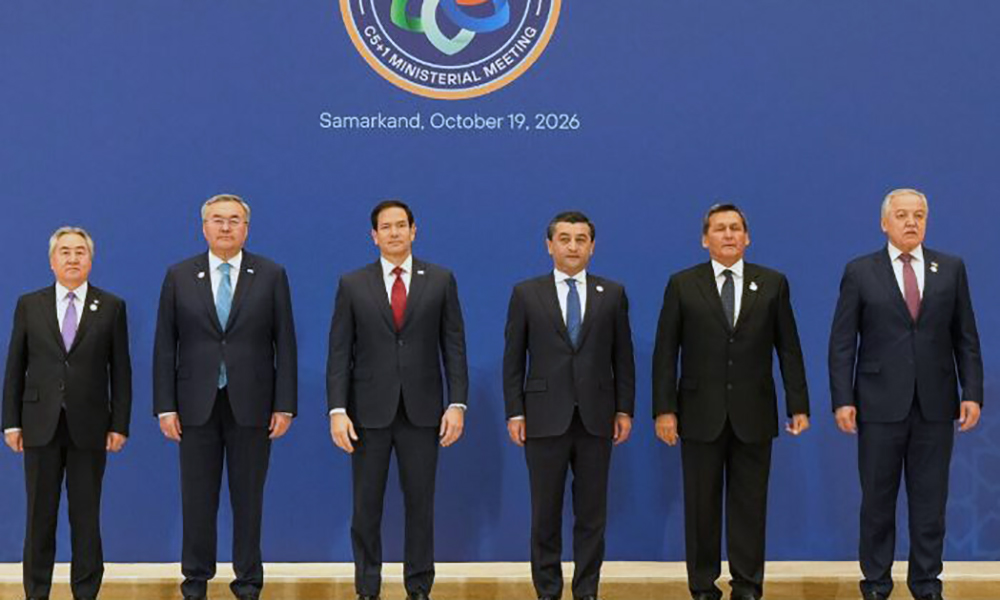
A recent analysis by the US-based magazine The National Interest argues that Washington’s efforts to expand economic and strategic ties with Central Asia could face significant challenges without addressing Afghanistan’s ongoing political and security situation.
In an article titled “US Central Asia Policy Has an Afghanistan Problem,” the magazine examined US Secretary of State Marco Rubio’s October 18 visit to Uzbekistan, where he met representatives of Kazakhstan, Kyrgyzstan, Tajikistan, Turkmenistan and Uzbekistan under the C5+1 framework.
Accompanied by a large US business delegation, Rubio sought to strengthen trade, investment, regional connectivity and security cooperation. According to the magazine, Washington is increasingly focused on Central Asia’s critical minerals, energy resources, transport corridors and industrial development as it seeks to diversify its economic partnerships and reduce dependence on China.
However, the analysis argues that economic development and regional security cannot be separated from Afghanistan’s situation. Terrorism, drug trafficking, border security and the risk of regional instability remain key concerns for Central Asian countries.
The magazine also suggests that expanding US economic engagement could pave the way for closer security cooperation with Central Asian states, including intelligence sharing, border surveillance, cybersecurity and military training.
Meanwhile, the article highlights Russia’s growing engagement with the Islamic Emirate of Afghanistan, noting Moscow’s recognition of the authorities in Kabul in July 2025 and subsequent moves toward military-technical cooperation.
The analysis also points to deteriorating relations between Pakistan and the Islamic Emirate amid Islamabad’s allegations that the Tehreek-e-Taliban Pakistan (TTP) operates from Afghan territory. The Islamic Emirate has repeatedly rejected allegations that Afghan territory is being used to threaten other countries.
Regional connectivity projects also depend on developments in Afghanistan, the magazine argues. It cites the CASA-1000 electricity transmission project, which aims to connect electricity supplies from Central Asia to South Asia, as an example of how progress depends on completing infrastructure in Afghanistan. According to a January 2026 World Bank update referenced in the article, the project cannot become operational until the Afghan section of the transmission line is completed.
The analysis describes Afghanistan as a potential land bridge between Central and South Asia through trade, energy and transport networks. However, it identifies restrictions affecting women and girls, along with the absence of an inclusive political settlement, as obstacles to long-term stability and deeper regional integration.
The National Interest calls for broader regional dialogue involving Afghanistan’s neighbors and other key countries, including Central Asian states, India, Pakistan, Russia, China, Türkiye and Saudi Arabia, to develop common approaches to security and economic cooperation.
The magazine concludes that Central Asia’s economic prospects are closely linked to Afghanistan’s stability and that Washington’s long-term regional objectives will remain difficult to achieve without addressing challenges related to Afghanistan.
The Islamic Emirate has repeatedly stated that Afghan territory will not be used against any country, particularly neighboring states, and that armed groups will not be allowed to use Afghanistan as a base for attacks against other countries.
Latest News
UN reaffirms commitment to supporting Afghan people
The UN envoy acknowledged that Afghanistan continues to face significant challenges but said the talents, aspirations and potential of its people are even greater.
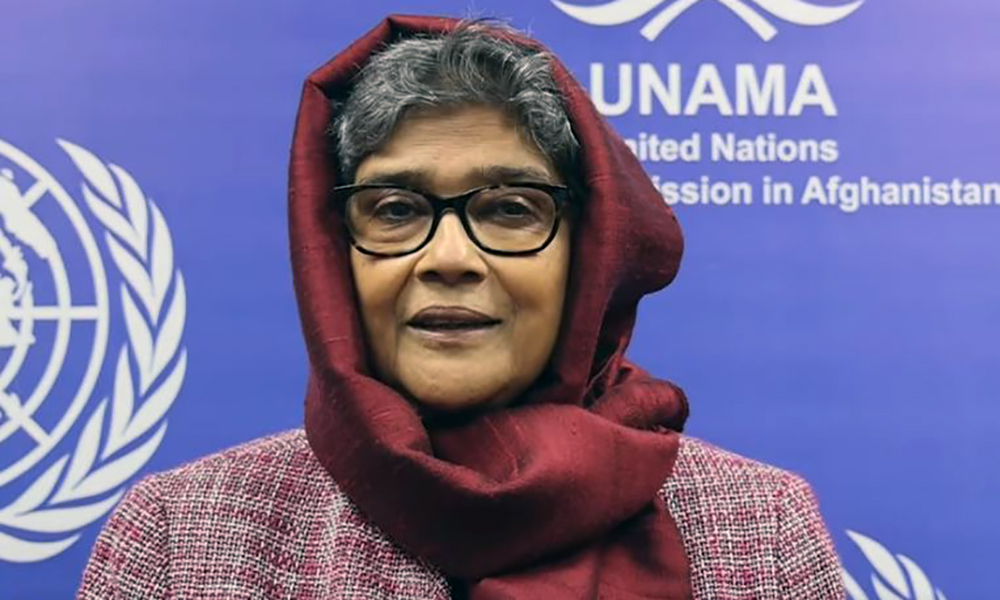
Rabab Fatima, the UN Secretary-General’s Special Representative for Afghanistan, has reaffirmed the United Nations’ commitment to supporting the Afghan people, praising their resilience and determination despite decades of conflict and hardship.
In a statement marking the 81st anniversary of the United Nations on October 24, Fatima said Afghanistan had been part of the organization’s history since joining the UN in 1946.
She noted that for nearly eight decades, the United Nations and its partners had supported Afghans through conflict, natural disasters, displacement, drought and humanitarian emergencies.
Fatima also praised Afghan women and men, young people, community leaders, teachers, healthcare workers and humanitarian staff for continuing to serve their communities despite challenging circumstances.
“As I begin my responsibilities in Afghanistan, I do so with deep respect for the Afghan people, and your culture and rich heritage,” she said, pledging to listen, engage and work alongside Afghans.
The UN envoy acknowledged that Afghanistan continues to face significant challenges but said the talents, aspirations and potential of its people are even greater.
She reaffirmed that the United Nations would continue supporting the Afghan people and advocating for their dignity, opportunities and well-being.
“The future of Afghanistan belongs to its people, and the United Nations will remain a committed partner as Afghans shape that future,” Fatima said.

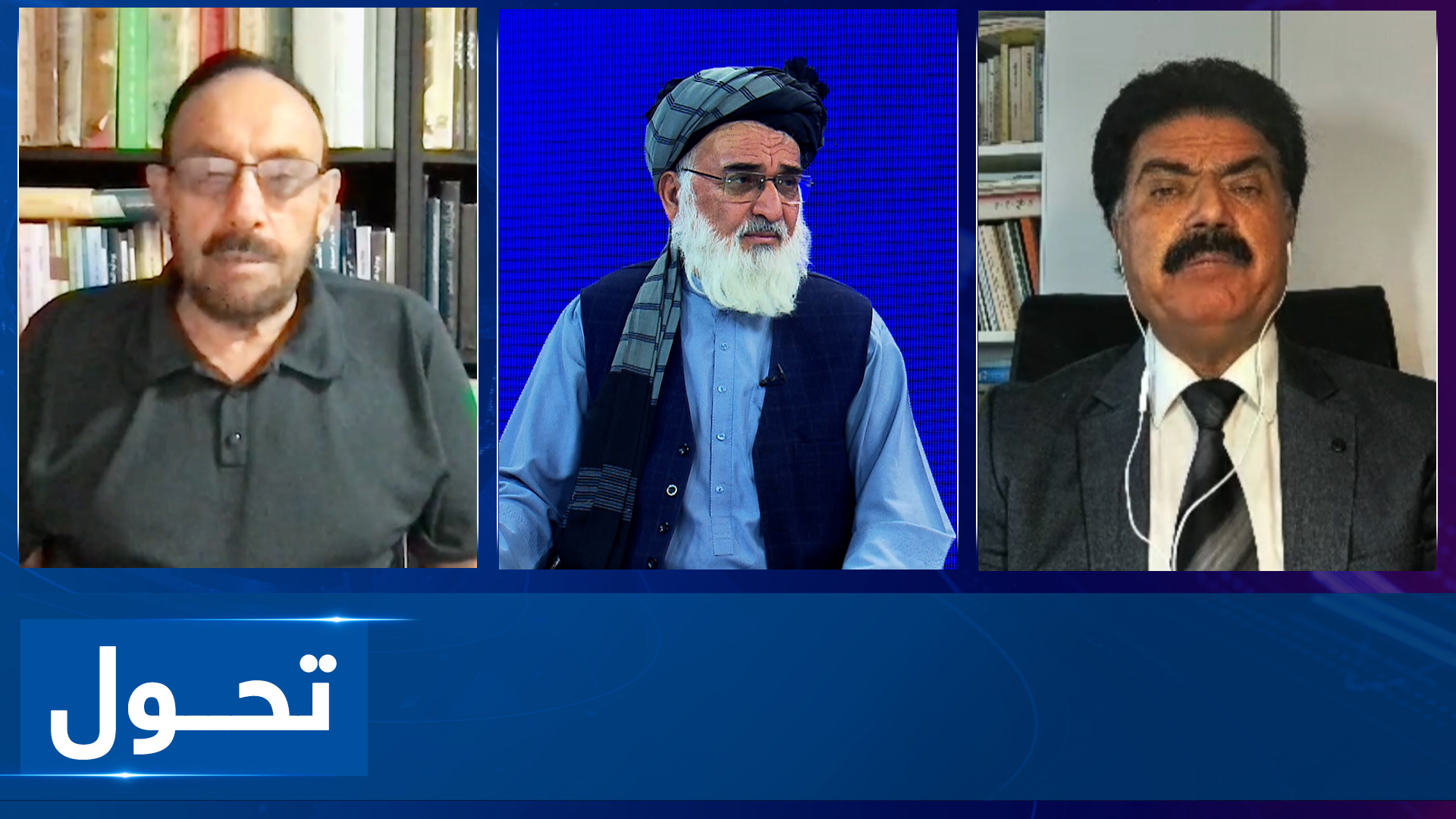
Tahawol: UN’s role in tackling global crises discsused
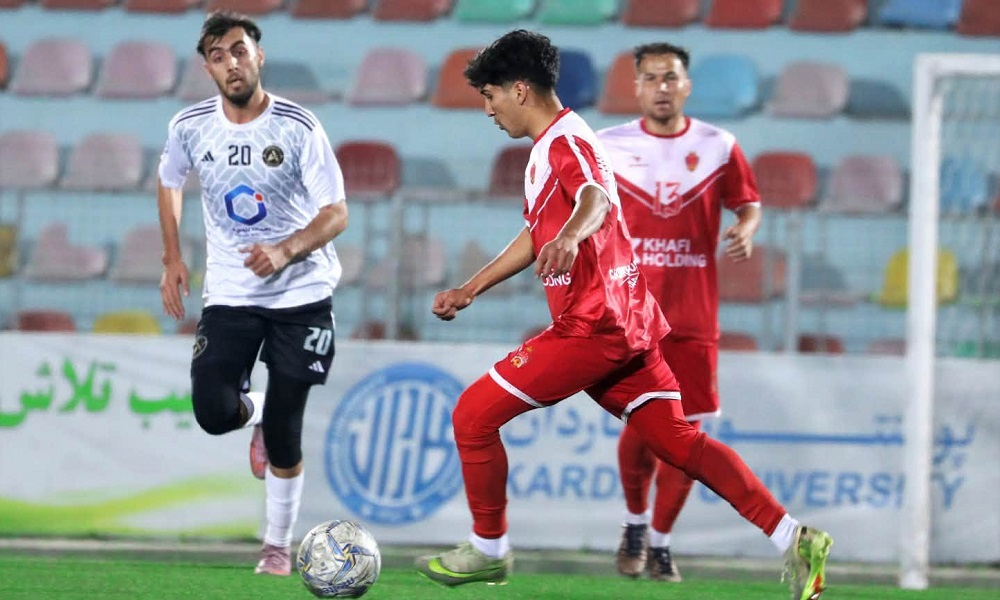
ACL: Arman FC rally late but fall 3–2 to Sorkh Poshan Khafi
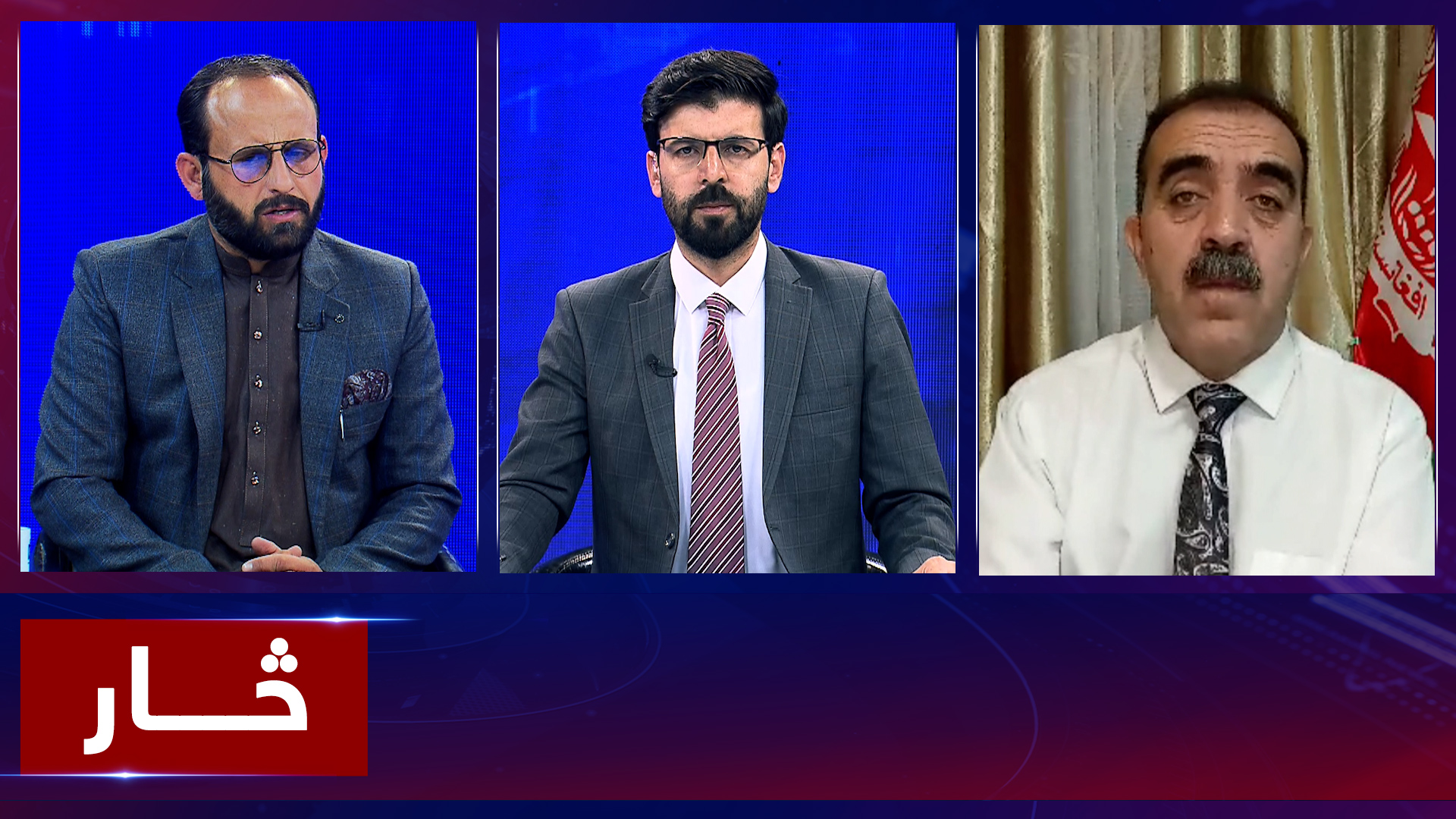
Saar: Pakistan’s blame on Kabul for its own failures discussed

Toofan Herat secure narrow win over Ariana Khost in ACL season six
Switzerland cooperated with IEA to deport Afghan refugees: Report

Cricket Bonanza: Afghanistan set for packed international schedule

Afghanistan says 28 killed, 32 captured in Nuristan operation

Afghanistan on climate front line as Kabul faces groundwater warning

ACB announces Afghanistan squads for Bangladesh, Zimbabwe series

Trump rejects Iranian proposal to open Hormuz and end fighting
Tahawol: UN’s role in tackling global crises discsused
Saar: Pakistan’s blame on Kabul for its own failures discussed
Tawsia: New opportunities in Afghanistan’s energy, trade and agriculture sectors discussed

Exclusive interview with Ali Bilal, runner-up in Mr. Olympia Men’s Physique category

Tahawol: Doha meeting and Afghanistan’s political and economic future discussed
-
 Latest News2 days ago
Afghanistan’s new Wakhan road to China faces major hurdles
-
 Latest News4 days ago
Russian troops arrive in Uzbekistan for joint military exercises
-
 Latest News4 days ago
Qatar calls for shift from humanitarian aid to economic recovery in Afghanistan
-

 Latest News4 days ago
Trump blames migrants for violence in France as US midterms loom
-

 World3 days ago
Governments warn citizens over security risks in France after riots
-

 Sport5 days ago
Atal’s century and Rashid’s four wickets seal Afghanistan’s 158-run win over Zimbabwe
-

 Science & Technology2 days ago
Governments take websites offline as critical cyber flaws trigger global alert
-

 Sport4 days ago
Arman FC begin second half of Afghanistan Champions League with 2-0 win