
Latest News
UN Calls for Advancing Afghan Women’s Role in Countering Violence Extremism

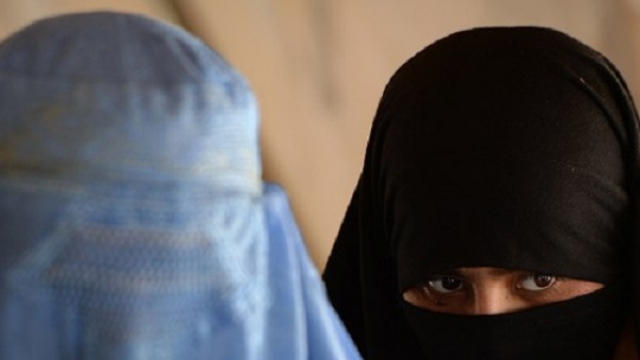

Marking ‘Global Open Day,’ UN in a press release called for greater role of Afghan women in preventing violent extremism
The empowerment and protection of women are essential to strategies countering violent extremism, said senior UN officials after meeting with Afghan civil society representatives in Kabul.
Two UN officials – the Secretary-General’s Deputy Special Representative for Afghanistan, Pernille Kardel, and the Country Representative for the UN Entity for Gender Equality and the Empowerment of Women (UN Women), Elzira Sagynbaeva – recognized the essential role women play in fostering a peaceful and tolerant society, including preventing members of their families or communities from becoming violent extremists.
“In Afghanistan, ideologies imposing a discriminatory belief systems continue to deprive women and girls of basic human rights such as freedom of movement and access to education and health,” said Ms. Kardel, who also expressed serious concerns over executions of women and corporal punishments imposed by Anti-Government Elements. Messages of intolerance – political, religious or social – foster discrimination, exclusion and violence, and are incompatible with universal human rights norms protected by the laws of Afghanistan, she added.
Beyond the confined perception of women as victims of extremist ideologies, women play a crucial role in combating violent extremism.
Appreciating the resilience and efforts of women leaders striving for peace and equality in Afghanistan, Ms. Sagynbaeva highlighted the need to recognize women’s transformative leadership, and create spaces for women’s active participation at all levels of decision making.
“Women are the biggest untapped resource in the search for sustainable peace in Afghanistan,” she said.
“Women’s empowerment and gender equality are essential drivers of development, reconciliation and stand as a bulwark against the radicalization of youth.”
At today’s gathering, civil society representatives highlighted local community initiatives whereby women use their influence in their communities, schools, workplaces and homes to challenge extreme ideologies that radicalize, recruit or incite violence.
For example, several women recounted instances of exerting pressure on male family members not to join the ranks of insurgency.
Discussions also highlighted instances where women adhere to or encourage others on the path of radicalization – sometimes motivated by poverty or exclusion.
“I encourage the Afghan government to develop and implement human rights-based gender-sensitive policy responses that address the underlying drivers of violent extremism,” said Ms. Kardel.
“We need to recognize, build and expand on women’s ongoing experiences in prevention and mitigation,” added Ms. Sagynbaeva.
Policy actions need to be supported by ensuring equal representation of women in the field of conflict prevention, through coherent investments in policy and programming for women and girls, and by enabling an environment for women’s participation in the prevention and resolution of conflicts.”
Civil society participants urged the United Nations, government officials and donors for greater support in addressing the root causes of extremism such as corruption and poverty.
Acknowledging women’s persuasive power, participants also requested a greater emphasis on strengthening women’s religious literacy and knowledge to equip them to challenge radical ideologies with powerful narratives on tolerance, non-violence and the peaceful values of religion.
Launched in 2010, Open Days events aim to support dialogue between UN senior leadership and women’s organizations across the world on the implementation of UN Security Council resolution 1325 (2000) and its subsequent seven UN Resolutions.
These instruments engender women’s leadership and meaningful participation in political and security transitions, including peace building.
In addition to the national Open Day event in Kabul, UNAMA is conducting similar consultations on violent extremism across the country, including in Herat, Bamyan, Kandahar, Badakshan, Nangarhar and Gardez provinces.
Pursuant to UN Security Council Resolution 2242 (2015) and the recently-adopted Secretary-General’s Plan of Action on Preventing Violent Extremism, Ms. Kardel and Ms. Sagynbaeva reiterated the commitment of the United Nations to support efforts by Afghan institutions and civil society to empower women to prevent and respond to violent extremism.

Latest News
Save the Children: Nearly one Afghan child killed or injured daily by explosive remnants
Despite the efforts of aid organizations and demining groups, the scale of the contamination remains overwhelming.
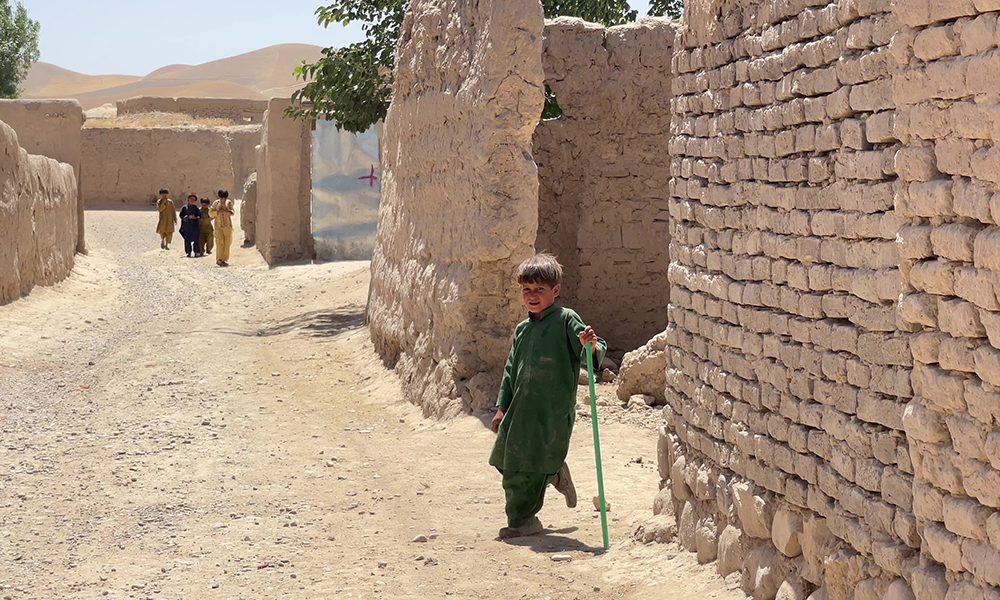
Save the Children has issued a stark warning, revealing that nearly one Afghan child is killed or injured every day by explosive remnants of war (ERW). In its latest report, the global humanitarian organization emphasized the ongoing and deadly impact of landmines and unexploded ordnance scattered across the country, a legacy of decades of conflict.
From January 2025 to January 2026, 338 Afghan children were killed, injured, or permanently disabled by explosive remnants. Shockingly, children represented nearly 70 percent of all casualties from such explosions during this period. Save the Children’s report underscores that Afghanistan continues to have the highest number of child casualties due to explosive remnants worldwide.
The report highlights that vast swathes of Afghanistan remain contaminated with hazardous materials, with more than 2.7 million people – including many children – living within one kilometer of these dangerous zones. These hazardous areas, often located in fields, pastures, and farmlands, remain uncleared despite ongoing demining efforts. Afghanistan is now considered one of the most contaminated countries globally, with nearly 5,000 hazardous sites still awaiting clearance.
The danger is particularly acute for rural and nomadic communities, including the Kuchi, who traverse long distances in search of water and grazing lands. These communities face severe challenges in accessing healthcare, education, and protection services, further compounding the risks posed by unexploded devices.
To address the growing threat, Save the Children has launched mobile awareness programs aimed at teaching children, particularly in remote and underserved regions, how to identify and avoid explosive hazards. These programs are crucial in helping to reduce the number of child casualties, as children are often unaware of the dangers in their environment.
Despite the efforts of aid organizations and demining groups, the scale of the contamination remains overwhelming. Funding shortages continue to hamper the progress of clearance operations, leaving families and children exposed to the deadly remnants of past conflicts.
“Explosive remnants of war are not just a legacy of Afghanistan’s past; they are an ongoing humanitarian emergency that continues to claim innocent lives,” said Save the Children. “The international community must step up its support to ensure the safety of Afghan children and accelerate efforts to clear these life-threatening hazards.”
As the country struggles to recover from years of conflict, the need for comprehensive and sustained demining operations, alongside better access to education and healthcare for at-risk communities, has never been more urgent.
Latest News
Eight dead after 5.8-magnitude earthquake hits Afghanistan
The family members who perished included a father, mother, four daughters, and two sons. In addition to the deaths, a child was reported injured in the incident.
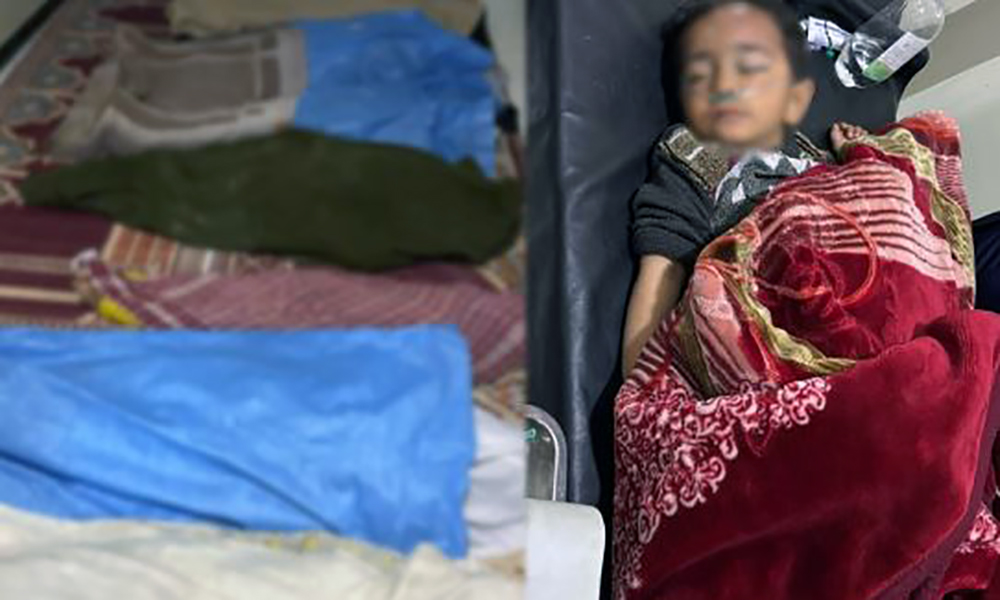
A powerful 5.8-magnitude earthquake struck Afghanistan on Friday, killing at least eight people and injuring a child when a house collapsed in Kabul. According to local officials, the victims were all members of the same family.
Hafiz Basharat, spokesperson for the Kabul Governor, confirmed that the fatalities occurred in the Bagrami district of Kabul. The family members who perished included a father, mother, four daughters, and two sons. In addition to the deaths, a child was reported injured in the incident.
The earthquake, which originated in the Hindu Kush region of Afghanistan, struck at a depth of approximately 177 kilometers, according to the German Research Centre for Geosciences. Tremors were felt across a wide area, including Kabul, Pakistan’s capital Islamabad, and India’s capital New Delhi.
Local authorities have yet to release additional details regarding the extent of the damage or any further casualties caused by the earthquake.
As rescue operations continue, Afghan authorities are assessing the full impact of the earthquake, which has left many concerned about the potential for more aftershocks in the region.
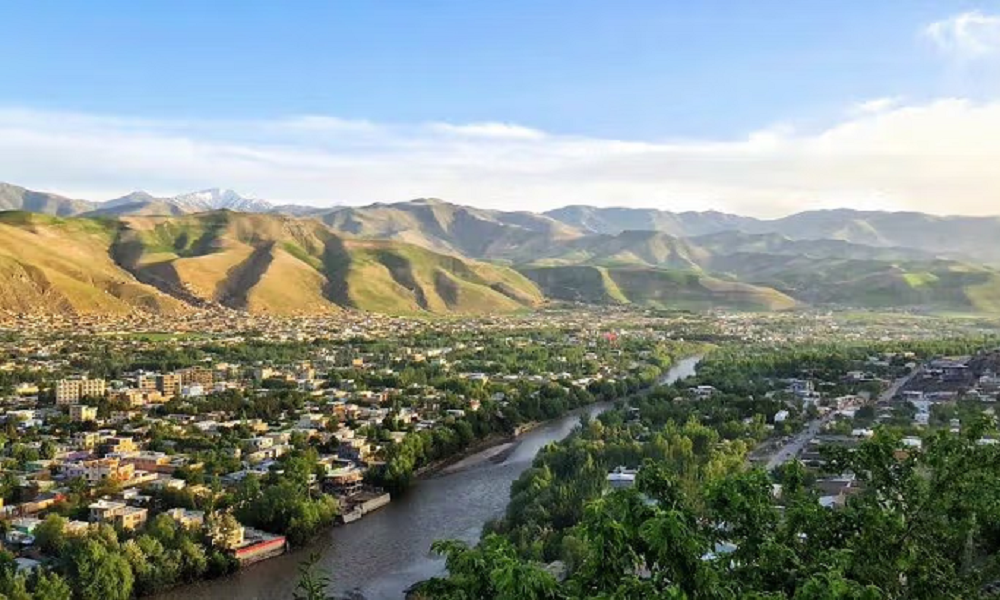
A strong earthquake measuring 5.8 on the Richter scale struck parts of Afghanistan on Friday night, according to the United States Geological Survey (USGS).
The epicenter was reported in Jurm district of Badakhshan province, with a depth of 186 kilometers.
There have been no immediate reports of casualties or damage.


Save the Children: Nearly one Afghan child killed or injured daily by explosive remnants

Eight dead after 5.8-magnitude earthquake hits Afghanistan

Punjab Kings clinch thrilling 5-wicket victory over Chennai Super Kings in IPL 2026

5.8-magnitude earthquake shakes parts of Afghanistan

Tawsia: This week’s key economic developments in Afghanistan discussed

Prominent Muslim scholar issues fatwa calling for Afghanistan-Pakistan ceasefire

IEA Supreme Leader issues Eid-ul-Fitr message urging unity and support for Islamic system

14 Pakistani soldiers killed after military post falls along Durand line: MoD

Afghanistan steps in to replace Iran in supplying fruits and vegetables to Russia

Afghan airstrikes target Pakistani military sites in retaliation for air attacks
Tawsia: This week’s key economic developments in Afghanistan discussed

Tahawol: Start of talks between Kabul-Islamabad in China discussed

Saar: Ongoing US and Israeli attacks on Iran discussed

Tahawol: Ongoing US–Israeli war with Iran discussed

Saar: Afghanistan-Pakistan talks in China discussed
-
 Latest News5 days ago
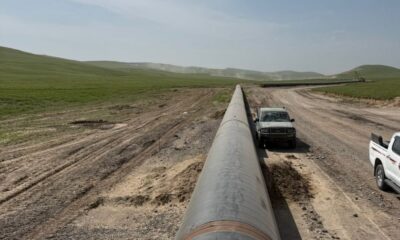
TAPI gas pipeline advances 25 km in Afghanistan
-
 Business5 days ago
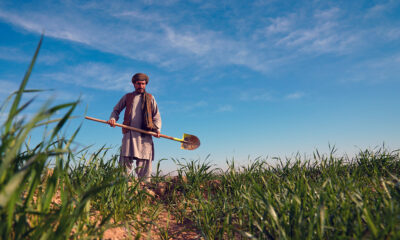
Afghanistan opens doors to agribusiness investments amid rising opportunities
-
 Latest News3 days ago
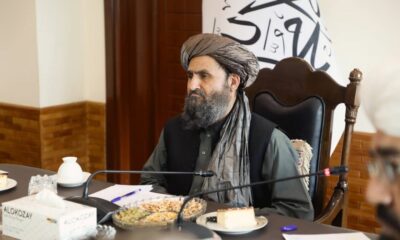
Baradar approves 17 projects worth over one billion AFN
-

 Latest News5 days ago
Afghan diaspora protests in London and Oslo over Pakistan strikes
-
 Business4 days ago
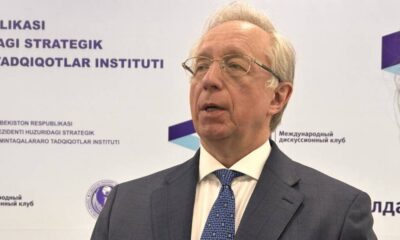
Russia backs Uzbekistan–Afghanistan trade hub, praises regional economic cooperation
-

 Sport4 days ago
ATN secures broadcast rights for inaugural Afghanistan Wrestling Premier League
-

 Sport3 days ago
ATN to broadcast second season of Ariana Snooker Championship
-

 International Sports5 days ago
Amnesty International raises alarm over deportations, protests ahead of FIFA World Cup