
Latest News
UNICEF says over 90% of Herat earthquake victims are women and children

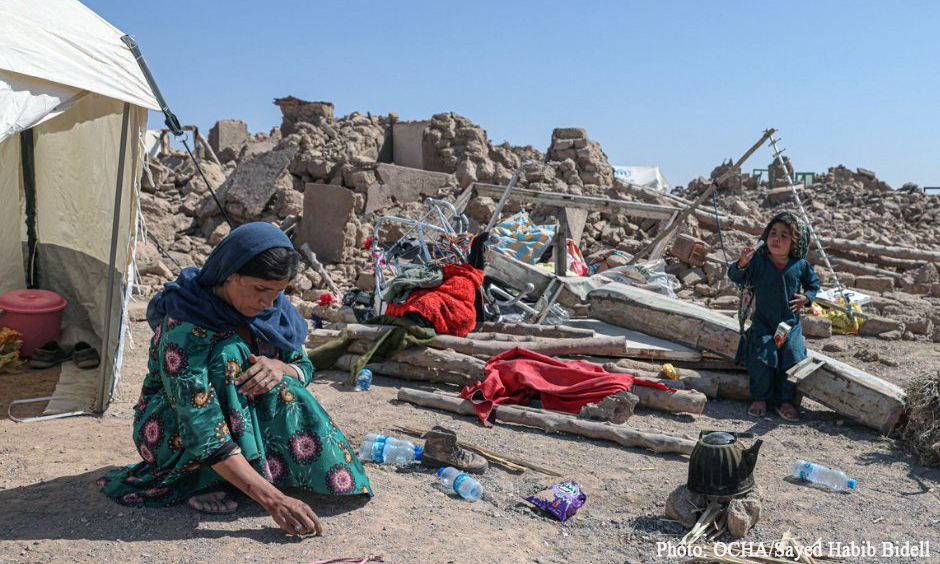
The United Nations Children’s Fund (UNICEF) says that more than 90 percent of the victims of this week’s earthquakes in Herat province are women and children.
Aid organizations have said the high casualty toll of women and girls was because of the timing of the first major quake, which happened at 11:11 am on Saturday morning. At that time of the day most village men are out of the house, while women and girls are at home.
In a post on X, on Wednesday, UNICEF also appealed for immediate funding of $20 million to help survivors.
This comes after two 6.3 magnitude quakes on Saturday, followed by a string of strong aftershocks and another 6.3 earthquake Wednesday that was epicentered in Herat but also felt in Farah and Badghis provinces.
Relief operations in Herat continue, while rescue workers continue to look for bodies. On Wednesday, aid organizations said there were over 400 people still missing after Saturday’s disaster.
The United Nations says aid has arrived in the worst-hit areas but that it is not enough.
Stéphane Dujarric, spokesman for the UN Secretary General, said: “I can say that some aid has been distributed, but it is not enough. If you are affected anywhere, no aid can arrive quickly and the current situation of aid delivery is challenging. We have international staff and “they are currently evaluating what they can get from other countries. We currently do not have enough funds and we need help.”
Pope Francis, the leader of the Catholic church, has also appealed to the foreign community to help the earthquake victims.
He said: “I invite all people of good will to help the people of Afghanistan who have suffered after the devastating earthquake.”
The UN has meanwhile said that Wednesday’s earthquake also caused major damage to more than 110 villages. Gulran and Injil districts were impacted. In total, an estimated 17,000 people have been impacted by the earthquakes, leaving thousands of people homeless.

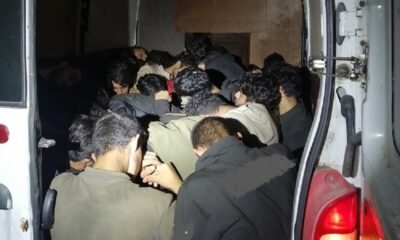

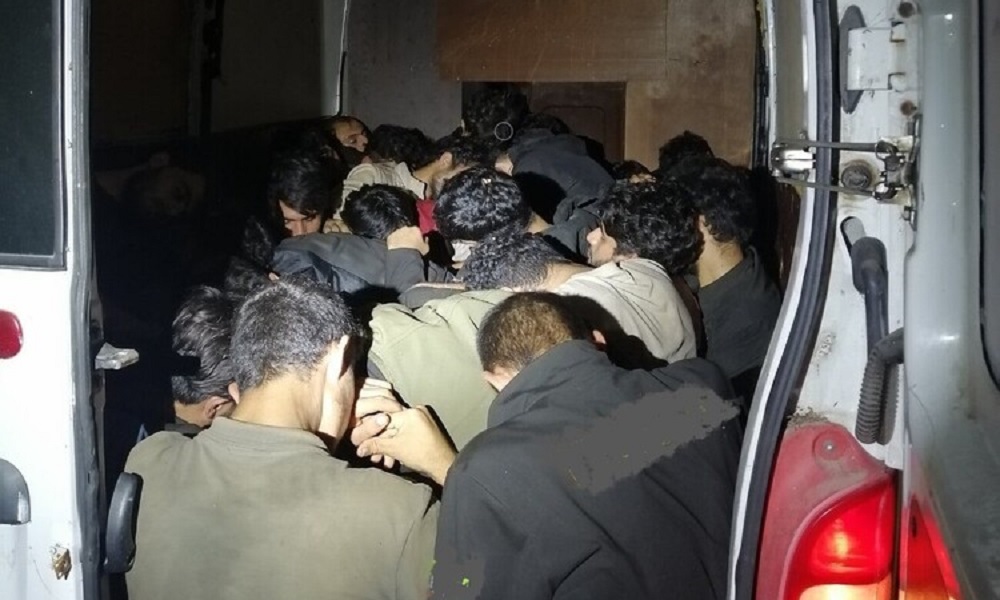
Bulgaria’s state news agency BTA has reported that border police in the Malko Tarnovo area arrested 35 undocumented migrants, all Afghan nationals, from a passenger vehicle.
Bulgaria’s Interior Ministry said the migrants were arrested on August 18.
According to officials, the 22-year-old driver of the vehicle, who is a resident of North Macedonia, was also arrested by police.
The report said Bulgarian police operations against illegal migration have expanded in recent months.
Earlier in August, 20 undocumented migrants and their driver were also arrested in the area of the Ropotamo River, near the city of Burgas.
Previously, in mid-June, 32 migrants and a guide accompanying them were arrested in the Poda area, near Burgas.
Bulgarian border police said that under new regulations, undocumented migrants apprehended at the country’s external borders are held in special facilities for up to seven days before being transferred to migrant detention centers.
Latest News
Girls’ education key to IEA’s international legitimacy, says Karzai
Karzai, who led Afghanistan for nearly 13 years after the fall of the first IEA’s government in 2001, said some IEA officials understand and agree with his concerns.
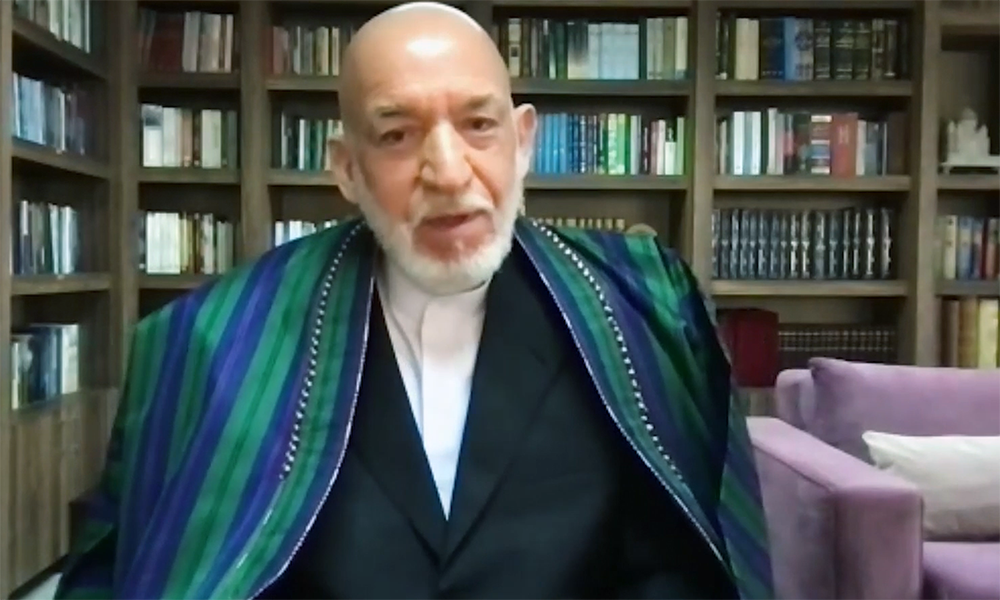
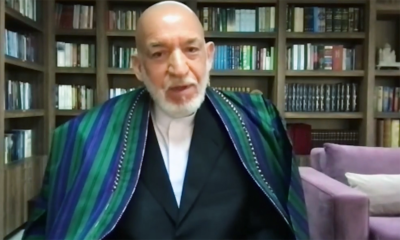
Former Afghan President Hamid Karzai has said the Islamic Emirate of Afghanistan (IEA) will struggle to gain broader international legitimacy unless it reverses restrictions on girls’ education and women’s employment.
Speaking in an interview with Bloomberg’s The Mishal Husain Show, Karzai said he had repeatedly urged IEA’s officials to reopen schools and universities to girls and allow women to return to work.
“I’ve been repeatedly speaking to them and telling them of the importance of education for Afghanistan, of the importance of Afghan women, half the society, getting back to work,” Karzai said.
Karzai, who led Afghanistan for nearly 13 years after the fall of the first IEA’s government in 2001, said some IEA officials understand and agree with his concerns.
He argued that international recognition and legitimacy depend on meeting certain conditions, particularly restoring girls’ access to education and women’s participation in the workforce.
Since returning to power in August 2021, the IEA has barred girls from secondary schools and universities and imposed sweeping restrictions on women’s employment, movement and dress.
The restrictions have drawn repeated condemnation from the United Nations and Western governments, which have made improvements in women’s rights a key condition for normalising relations with the IEA.
According to the United Nations, about 3.8 million Afghan girls are currently out of school. The restrictions on women’s education and employment are also estimated to cost Afghanistan billions of afghanis each year.
Despite international pressure and several rounds of talks, including meetings in Oslo and Doha, the IEA has so far shown no indication of reversing the education bans.
Karzai also warned about the wider humanitarian and economic challenges facing Afghanistan. The United Nations estimates that 21.9 million people—around 45 percent of the population—will require humanitarian assistance in 2026.
The return of millions of Afghans from neighbouring Iran and Pakistan has added further pressure to the country’s already fragile humanitarian situation.
The Islamic Emirate has previously said that the issue of girls’ education is an internal issue in Afghanistan and efforts are being made to resolve it.
Latest News
Aisha Wahab makes history as first Afghan American elected to US Congress
Wahab will serve the remainder of Swalwell’s term, which expires in January, before facing Hernandez again on November 3 in the election for a full two-year congressional term.
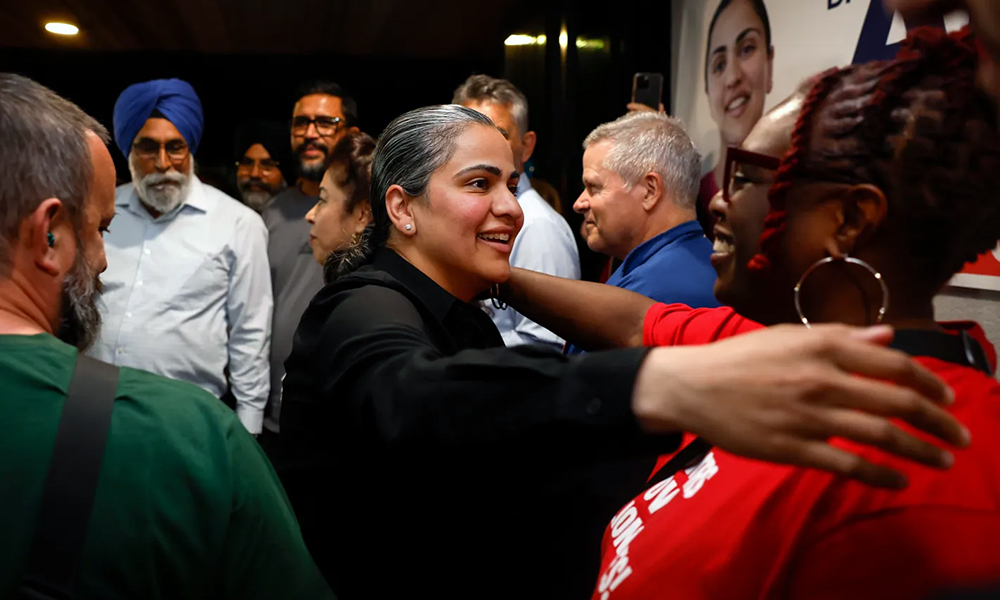
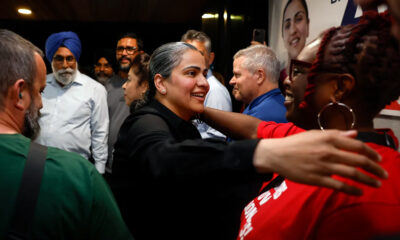
Aisha Wahab has made history by becoming the first Afghan American elected to the US Congress after winning a special election to fill the remaining term of former Representative Eric Swalwell.
According to a report by East Bay Times, Wahab defeated BART Board President Melissa Hernandez, securing 53% of the vote against her opponent’s 47%.
Wahab received 51,610 votes, compared with 45,598 for Hernandez, giving her an unassailable lead with only a small number of ballots remaining to be processed.
“This victory belongs to the voters who made clear that our district cannot be bought,” Wahab said following her historic win. She added that her journey from foster care to Congress demonstrates the possibility of achieving the American Dream.
The closely watched race drew more than $5 million in outside political spending, much of it supporting Hernandez or opposing Wahab. Despite the intense campaign, Wahab maintained her lead and secured victory in the special election.
Wahab will serve the remainder of Swalwell’s term, which expires in January, before facing Hernandez again on November 3 in the election for a full two-year congressional term.
The 14th Congressional District includes parts of southern Alameda County and the Tri-Valley, including Fremont, Hayward, Livermore, Dublin and Pleasanton.
A former Hayward councilwoman and California state senator, Wahab’s victory marks a historic milestone for the Afghan American community and representation in the US Congress.


Bulgaria detains 35 Afghan migrants in passenger vehicle

Girls’ education key to IEA’s international legitimacy, says Karzai

Belarus ready to boost petroleum trade and investment cooperation with Afghanistan

Aisha Wahab makes history as first Afghan American elected to US Congress

Two UNAMA staff released after more than a week in detention

Pakistan’s governance system has ‘collapsed’: Mohsin Naqvi

AFC confirms clubs for 2026/27 competitions; draw set for August 18

Afghanistan exports first stone shipment to US in $100,000 trade milestone

Only two days to go before Afghanistan and Ireland begin ODI series

Pakistan’s trade deficit with neighbours surges to nearly $16 billion as exports to Afghanistan plunge

Tahawol: Expansion of IEA’s diplomatic ties with countries discussed

Saar: Ongoing tensions between Iran and US discussed

Tahawol: Marking Afghanistan’s 107th independence anniversary

Saar: 107th anniversary of Afghanistan’s independence discussed

Tahawol: Iran’s position on recognizing Islamic Emirate discussed
-
 Latest News4 days ago
Juma Khan Fateh surrenders to IEA forces in Badakhshan
-
 Latest News4 days ago
Blast at Kabul school injures at least 52
-
 Latest News4 days ago
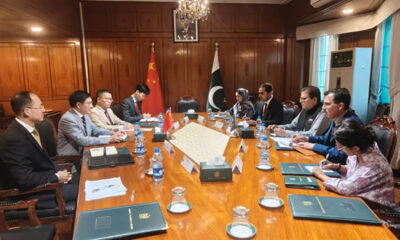
China’s special envoy for Afghanistan visits Türkiye, Pakistan and Afghanistan
-
 Latest News5 days ago
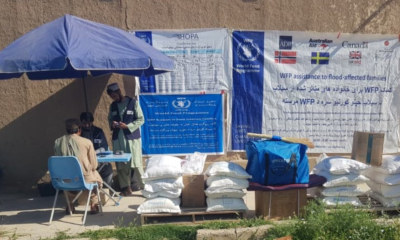
Afghanistan received more than $11 billion in humanitarian aid over the past five years
-
 Latest News3 days ago
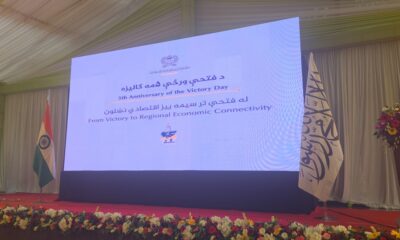
Indian and Serbian officials attend August 15 event at Afghan Embassy in Delhi
-

 Sport4 days ago
Darwish Rasooli named captain as Afghanistan unveil Asian Games squad
-

 World4 days ago
Trump wants more economic pressure on Iran
-
 Health4 days ago
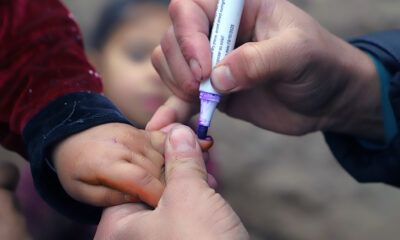
Polio vaccination campaign set to roll out in five Afghan provinces amid new cases