
Latest News
UNSC set to meet over UN Mission in Afghanistan’s mandate
The debate over the future of UNAMA’s mission highlights the complexities of international engagement in Afghanistan.

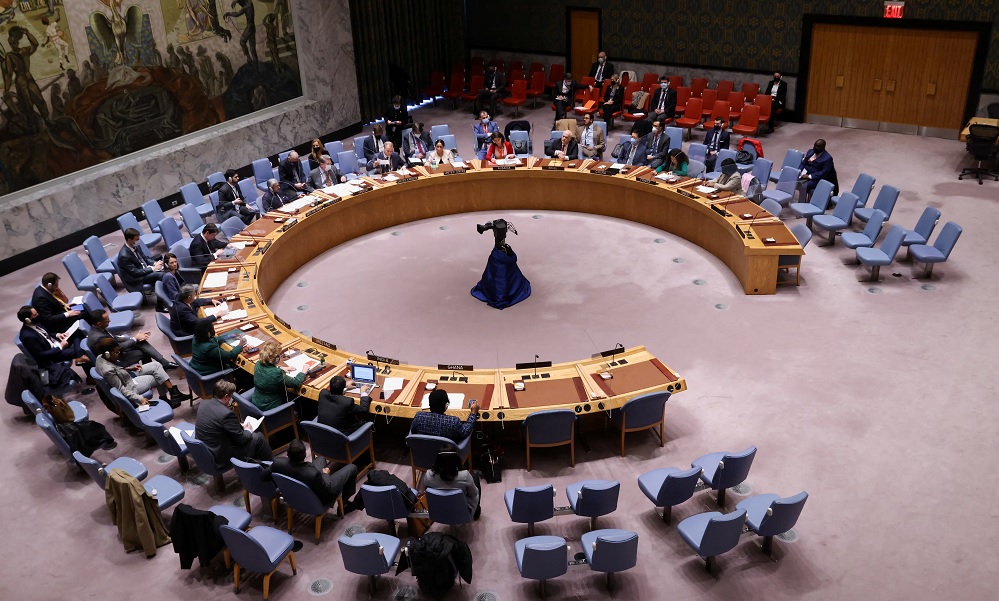
The United Nations Security Council will meet soon to discuss extending the United Nations Assistance Mission in Afghanistan’s (UNAMA) mandate for another year – before the current mandate expires on March 17.
It is expected that two proposals on the extension will be discussed during the meeting. One proposal has been put forward by China and Pakistan and the other by South Korea and the United States.
Both proposals aim to address the future role of UNAMA in Afghanistan.
UNAMA’s activities have come under fire recently, given the restrictions it faces under the Islamic Emirate.
Experts have also stated that UNAMA’s political influence has been limited.
UNAMA’s mandate is reviewed annually by the UN Security Council, and its activities are critical in addressing humanitarian needs and supporting peace efforts in Afghanistan.
The debate over the future of UNAMA’s mission highlights the complexities of international engagement in Afghanistan.
Last year, the resolution to extend the mandate urged “all relevant Afghan political actors and stakeholders, including relevant authorities as needed, as well as international actors to coordinate with UNAMA in the implementation of its mandate and to ensure the safety, security and freedom of movement of United Nations and associated personnel throughout the country.”
The 15-member Council also requested that UN Secretary-General Antonio Guterres “reports to the Security Council every 3 months on the situation in Afghanistan and the implementation of UNAMA’s mandate, including at the subnational level.”







Latest News
Torkham crossing closes again hours after brief reopening
Officials say the reason for the sudden closure has not been clearly communicated by authorities in Pakistan.
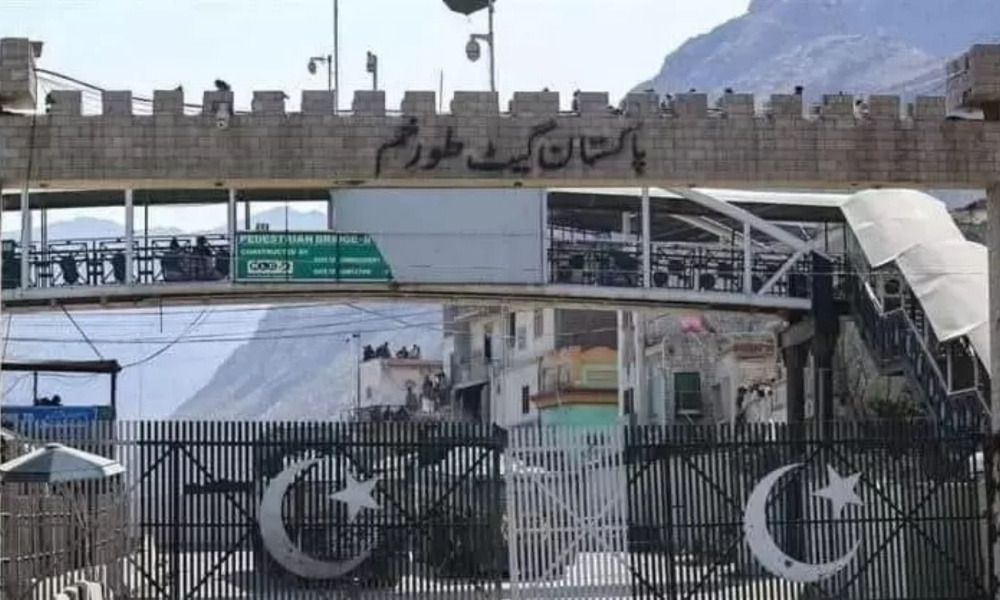
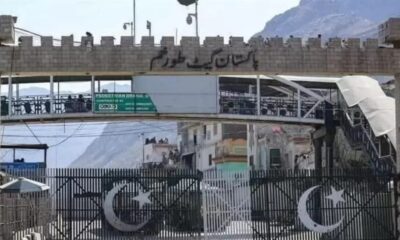
The key border crossing at Torkham crossing has once again been shut down, just hours after it was temporarily reopened, according to local officials in Nangarhar province.
Sediqullah Quraishi, head of information at the provincial Department of Information and Culture, said that on Thursday the Pakistani side allowed the crossing to open briefly to Afghan migrants. However, the crossing was closed again shortly afterward, leaving many travelers stranded.
Officials say the reason for the sudden closure has not been clearly communicated by authorities in Pakistan.
The Torkham crossing serves as one of the most important transit points between Afghanistan and Pakistan. Its repeated closures have caused significant disruption, particularly for migrants, traders, and families who rely on cross-border movement.
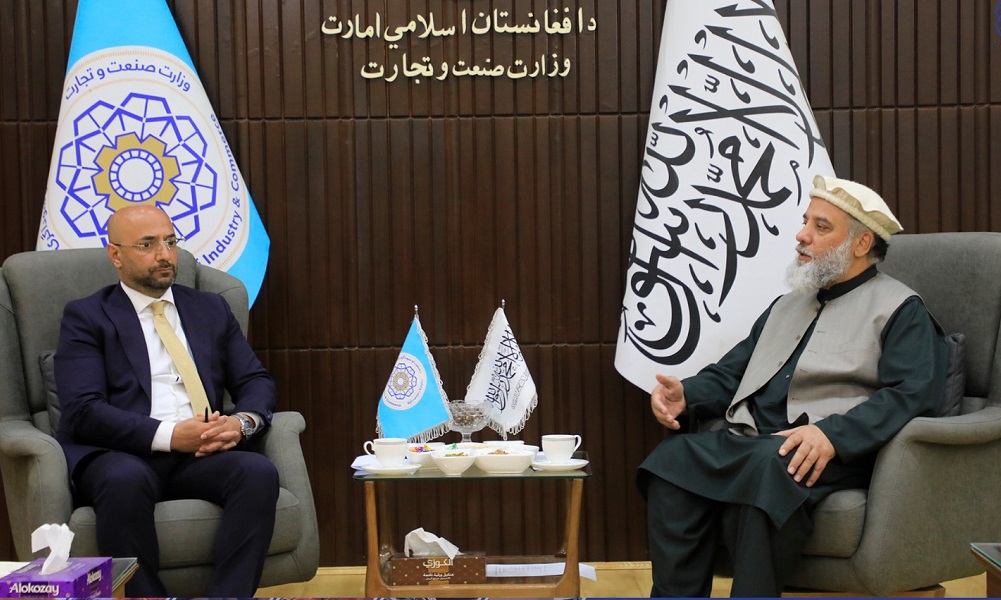
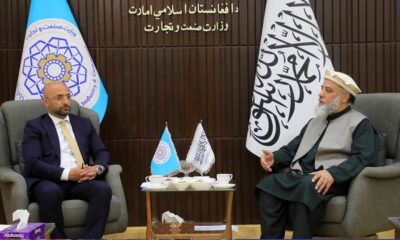
Nooruddin Azizi, Minister of Industry and Commerce of the Islamic Emirate of Afghanistan, met on Thursday with Sadin Ayyıldız, Chargé d’Affaires of the Turkish Embassy in Kabul. During the meeting, Ayyıldız invited the Minister of Industry and Commerce to participate in Turkey’s Antalya Diplomacy Forum.
According to a statement from the Ministry of Industry, the meeting also emphasized the economic, trade, and historical relations between Kabul and Ankara, as well as the export of Afghan goods to Turkey.
The two sides discussed increasing trade volume between the two countries, strengthening economic relations, facilitating and enhancing commercial activities, cooperation in road transport along various routes, activating the Lapis Lazuli Corridor, and regional cooperation.
Azizi, while thanking Turkey for inviting the Islamic Emirate to the Antalya Diplomacy Forum, introduced the Ministry’s technical team to ensure better coordination and planning.
The Antalya Diplomacy Forum is an international conference held annually in Turkey, aimed at examining global challenges and finding joint solutions through dialogue and diplomacy. It hosts representatives from more than 100 countries, including presidents, leaders, high-ranking officials, international organizations, analysts, and media from various countries.
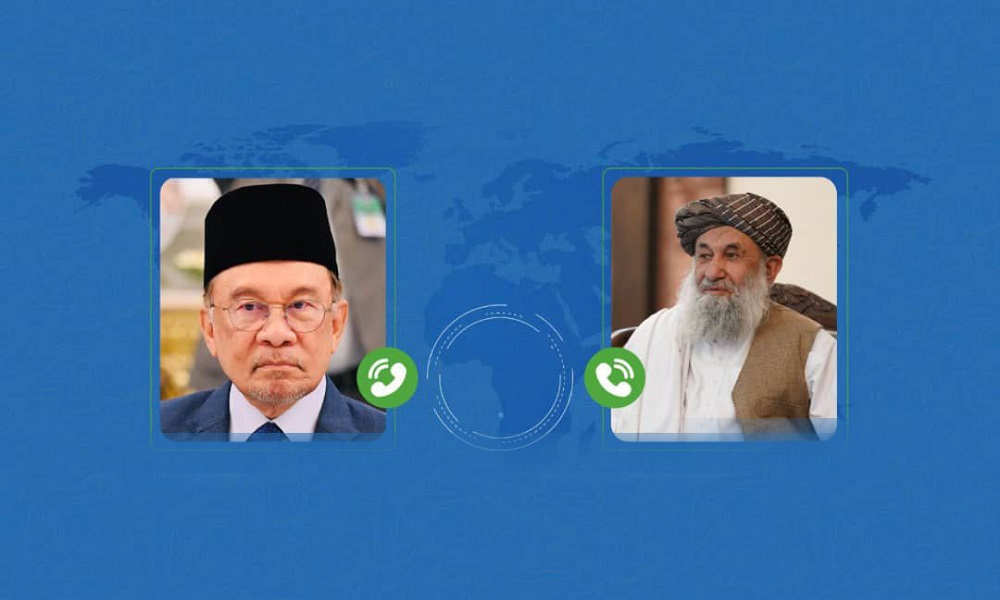
Mullah Mohammad Hassan Akhund, Prime Minister of the Islamic Emirate, in a telephone conversation initiated by Mohammad Anwar Ibrahim, Prime Minister of Malaysia, discussed regional developments, particularly the recent situation between Pakistan and Afghanistan.
Zabihullah Mujahid, spokesperson for the Islamic Emirate, said in a statement that Hassan Akhund stated during the call that the Islamic Emirate of Afghanistan’s principled position is clear and that it believes in resolving issues through mutual understanding and cooperation.
Hassan Akhund added that during Eid al-Fitr, at the request of Saudi Arabia, Turkey, and Qatar, the Islamic Emirate demonstrated its goodwill by respecting a pause in defensive operations.
He stated that violence benefits no party and that actions that increase tensions should be avoided, emphasizing that wisdom and rationality must guide efforts to resolve problems.
He also expressed concern over rising regional tensions following the US and Israeli attacks on Iran.
The Malaysian Prime Minister also expressed concern about the regional situation and hoped that the temporary halt in hostilities between Afghanistan and Pakistan would continue, and that existing problems could be resolved through sincere negotiations and understanding.
He added that Malaysia aims to play a positive role in facilitating understanding between both parties.


Torkham crossing closes again hours after brief reopening

Trump signature to appear on US currency, ending 165-year tradition

Tahawol: Discussion on day 27 of Iran–US war

Turkey invites IEA’s commerce minister to Antalya Diplomacy Forum

Saar: Islamic Emirate confident of Durand Line control

Pakistani military jet downed in Afghanistan’s Jalalabad, pilot captured alive

Afghan Air Force conducts airstrikes in Islamabad, other cities

Prominent Muslim scholar issues fatwa calling for Afghanistan-Pakistan ceasefire

Afghan air force strikes key Pakistani military installations in retaliatory operation

IEA: Special circle in Pakistan has launched mission to destabilize region
Tahawol: Discussion on day 27 of Iran–US war
Saar: Islamic Emirate confident of Durand Line control

Tahawol: Efforts to release Mohammad Rahim from Guantanamo Bay Detention Camp

Saar: End of ceasefire between Afghanistan-Pakistan reviewed

Tahawol: Escalating threats between Iran-US discussed
-

 Latest News5 days ago
Deadly violence likely without dialogue between Afghanistan and Pakistan: ICG
-

 Latest News4 days ago
Pakistan seeks Russian mediation to resolve Afghanistan tensions
-

 Business5 days ago
Afghani strengthens nearly 10% against US dollar amid banking sector reforms
-
 Latest News4 days ago
World must re-engage to prevent all-out Afghanistan-Pakistan war: Financial Times
-

 Sport3 days ago
Afghanistan squad hit by withdrawals ahead of AFC Asian Cup Qualifiers
-

 Latest News3 days ago
Around 2.3 million tourists visited Afghanistan’s recreational areas during Eid: Ghufran
-
 Latest News3 days ago
Islamic Emirate releases American prisoner Dennis Coyle
-
 Latest News5 days ago
Pakistani military violates Afghanistan ceasefire again