
Latest News
40% of Afghan media have closed, 80% of women journalists lost their jobs


A survey by Reporters Without Borders (RSF) and the Afghan Independent Journalists Association (AIJA) has found a radical change in the Afghan media landscape since the takeover by the Islamic Emirate of Afghanistan (IEA).
According to a report on the RSF website, a total of 231 media outlets have closed and more than 6,400 journalists have lost their jobs since 15 August.
Women journalists have been hit hardest, with four out of five no longer working, the report stated.
More than four out of every ten media outlets have disappeared and 60% of journalists and media employees are no longer able to work.
According to the RSF report, of the 543 media outlets tallied in Afghanistan at the start of the summer, only 312 were still operating at the end of November.
This means that 43% of Afghan media outlets disappeared in the space of three months.
The central Kabul region, which had more media than anywhere else, has not been spared. It has lost more than one of every two media outlets (51%). Of the 148 tallied prior to 15 August, only 72 are still operating.
RSF reported that the closure or reduction in the activities of media outlets has had a major impact on employment in the media sector. Of the 10,790 people working in the Afghan media (8,290 men and 2,490 women) at the start of August, only 4,360 (3,950 men and 410 women) – or four out of every ten media workers – were still working when this survey was carried out.
RSF attributed this change in part to new regulations issued by the IEA.
The rules require journalists to tell information and culture ministry officials what they would like to cover, get their permission to go ahead and finally inform them about the results of their reporting in order to be able to publish.
“There is an urgent need to rein in the spiral leading inevitably to the disappearance of Afghan media and to ensure that respect for press freedom is a priority,” said Reza Moini, the head of RSF’s Iran-Afghanistan desk.
“Journalists’ safety, the fate of women journalists, media legislation and the right of access to news and information are all crucial issues that the authorities must address without delay. Without a free press capable of exposing bad governance’s failings, no one will be able to claim that they are combatting famine, poverty, corruption, drug trafficking and the other scourges that afflict Afghanistan and prevent a lasting peace.”
IEA spokesman Zabihullah Mujahid told RSF that the Islamic Emirate of Afghanistan supports “freedom for the media in the defined framework for preserving the country’s higher interests, with respect for the Sharia and Islam.” He also said that the government wanted to “help those media that are operating to continue to do so, and help the others to find solutions so that they can resume operating.”
Aside from new rules, media owners have to cope with new economic constraints. Many media outlets were receiving national and international funding that ended when the IEA seized control.
“These subsidies, which came above all from countries that had a military presence in Afghanistan and which had an interest in providing them, have now ended,” said Mujahid.
Recognizing the disappearance of many media outlets, Mujahid noted that many media “executives and managers had fled the country.”
This had contributed to the “collapse” of their media outlets, he said.



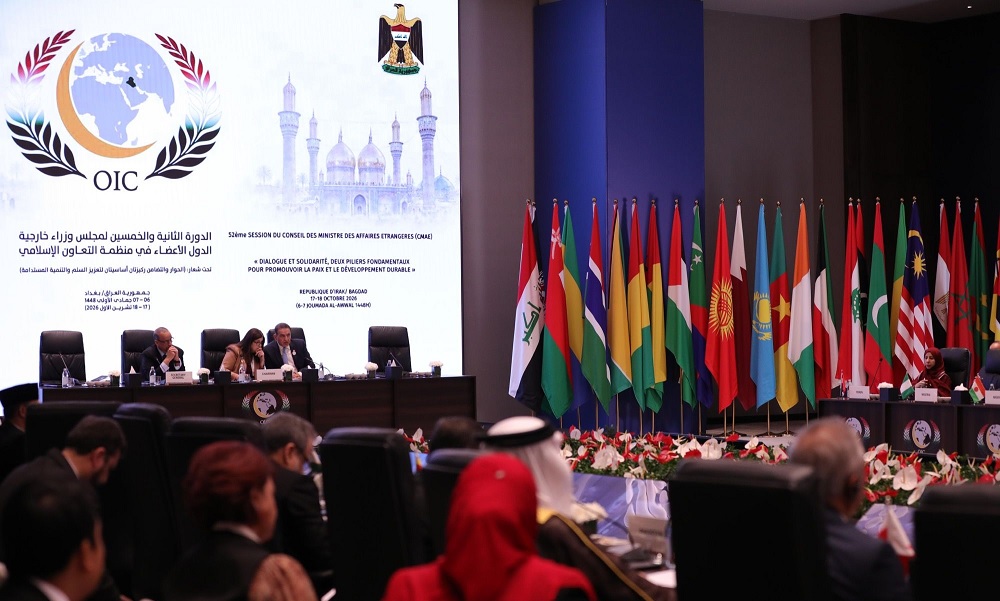
“In Afghanistan, we will continue dialogue with the de facto authorities on the rights of women and girls to education and work, based on Islamic values, and support the humanitarian and economic needs of the Afghan people,” he said addressing the OIC Council of Foreign Ministers in Baghdad, Iraq.
At the meeting, Turkish Foreign Minister Hakan Fidan also said the situation in Afghanistan, Sudan and Somalia was challenging and should be at the top of the meeting’s agenda.
Latest News
Mullah Baradar urges UNAMA not to overlook Afghanistan’s economic and security achievements
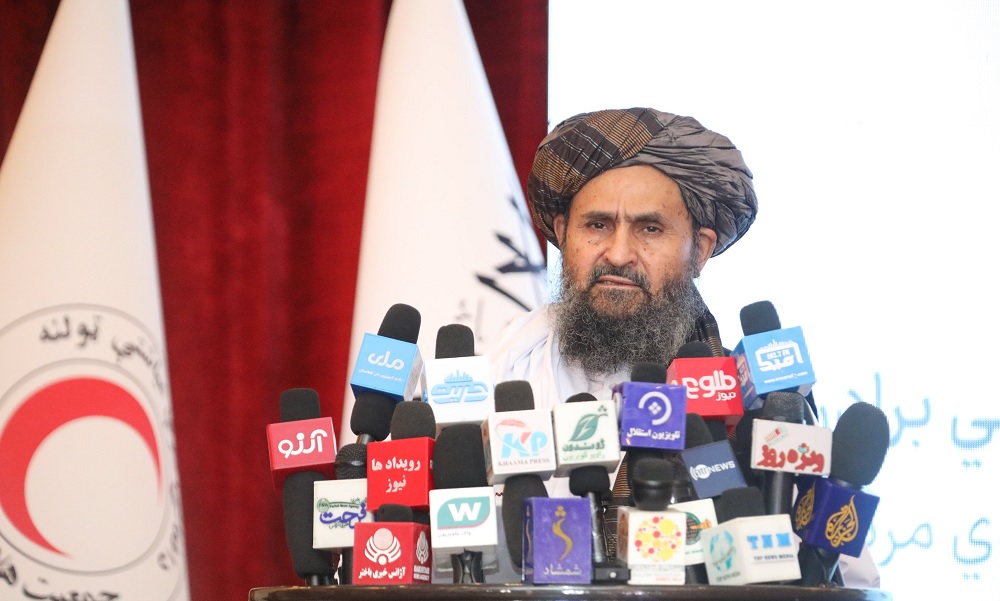
Mullah Abdul Ghani Baradar, the Islamic Emirate of Afghanistan’s Deputy Prime Minister for Economic Affairs, has urged the United Nations Assistance Mission in Afghanistan (UNAMA) to publish its reports on Afghanistan impartially, taking the country’s realities into account and not overlooking its economic and security achievements.
He made the remarks on Sunday at a ceremony organised by the Afghan Red Crescent Society to mark the special week dedicated to supporting people in need.
Baradar said: “It is not fair for Afghanistan’s economic and security achievements to be ignored in reports, while UNAMA, as an opposing and hostile party, focuses on the negative aspects.”
The deputy prime minister for economic affairs said many Afghans were facing a severe economic and humanitarian crisis due to recent droughts, seasonal floods, earthquakes and the forced return of thousands of families to the country. He said addressing these challenges required serious attention.
He called on wealthy individuals, traders, investors, charitable organisations and international humanitarian agencies to provide practical assistance and cooperate with the Afghan Red Crescent Society.
Meanwhile, Noorulhaq Anwar, head of the General Directorate of Administrative Affairs, called on Afghanistan’s neighbouring countries to stop harassing and suppressing Afghans and depriving them of economic opportunities.
Referring to relations between neighbours, Anwar said neighbours should help reduce one another’s difficulties rather than make people’s lives harder through economic pressure.
Without naming any specific country, Anwar added that Afghanistan’s neighbours were still harassing and suppressing Afghans and depriving them economically.
Latest News
Hegseth says only a few NATO allies were involved in fighting in Afghanistan
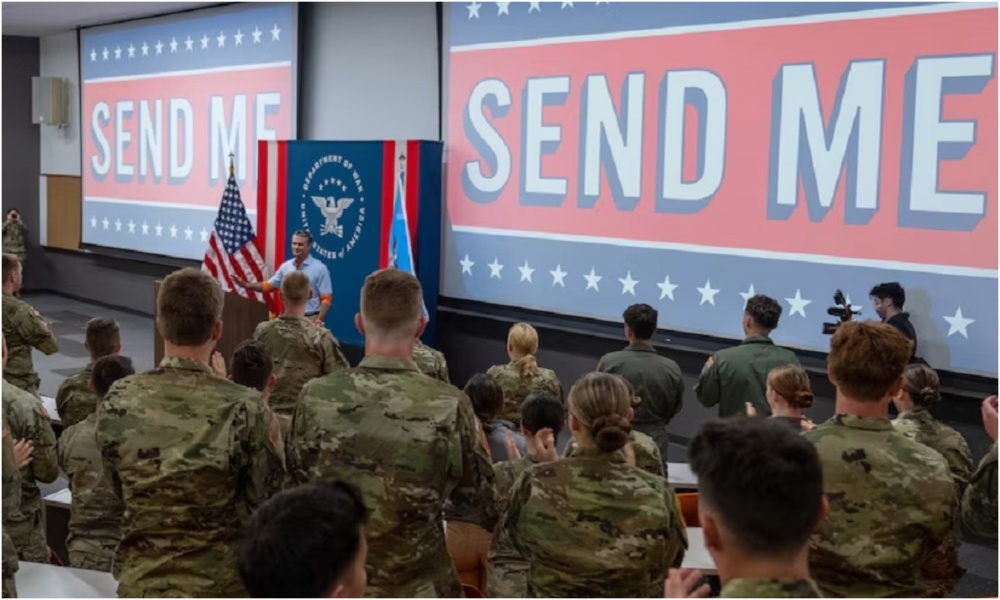
Recalling his deployment to Afghanistan, Hegseth said he would visit NATO headquarters in Kabul, where the flags of around 50 countries were displayed.


Greek coast guard says 12 migrants die in Aegean sea crossings

Afghanistan finish runners-up after 6-0 defeat to Brazil in futsal final

Trump endorses Netanyahu in close Israeli election

ACL: League leaders Sorkh Poshan claim another 3 points

Tahawol: Afghanistan’s empty seat at OIC Meeting

Cricket Bonanza: Afghanistan set for packed international schedule

Afghanistan says 28 killed, 32 captured in Nuristan operation

Silk Road highway in Wakhan corridor now reaches the China border

CNN, MS NOW and Politico sue Trump, challenging White House ban

Dogharoun handles 60% of Iran’s exports to Afghanistan
Tahawol: Afghanistan’s empty seat at OIC Meeting

Saar: Islamic Emirate–Pakistan clashes discussed

France rocked by nationwide clashes, looting and fires

Tahawol: Russian economic delegation’s visit to Kabul

Saar: Discussion on harsh criticism of Pakistan at Moscow meeting
-

 Sport5 days ago
Afghan futsal coach: Brazil tournament is first step towards new goals and World Cup
-
 Latest News5 days ago
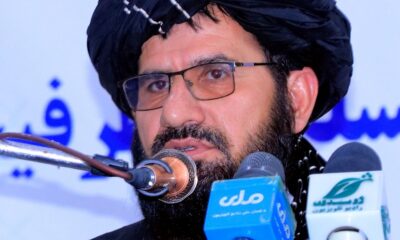
Afghan official says Durand Line crossings to remain closed until Islamabad accepts demands
-
 Latest News4 days ago
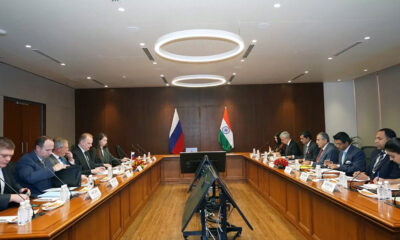
India, Russia hold security talks on Afghanistan and Pakistan amid regional tensions
-
 Latest News4 days ago
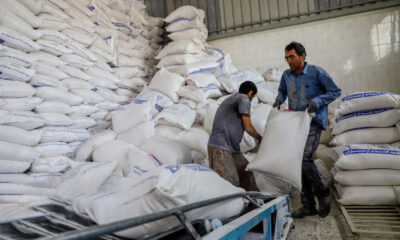
Uzbekistan gains ground in Afghanistan’s flour market as Kazakhstan loses exports
-
 World5 days ago
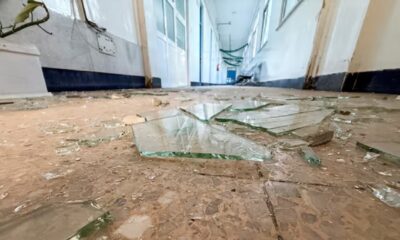
Yemen hospitals overwhelmed by surge in war casualties, Red Cross warns
-
 Latest News5 days ago
OIC envoy briefs Kabul diplomats on talks with Afghan authorities
-

 Sport1 day ago
Afghanistan reach Brazil futsal tournament final after beating Cape Verde 4-2
-
 Regional4 days ago
School roof collapse kills teacher, 21 children in NW Pakistan