
Latest News
Immediate change in power won’t bring stability to Afghanistan: EU

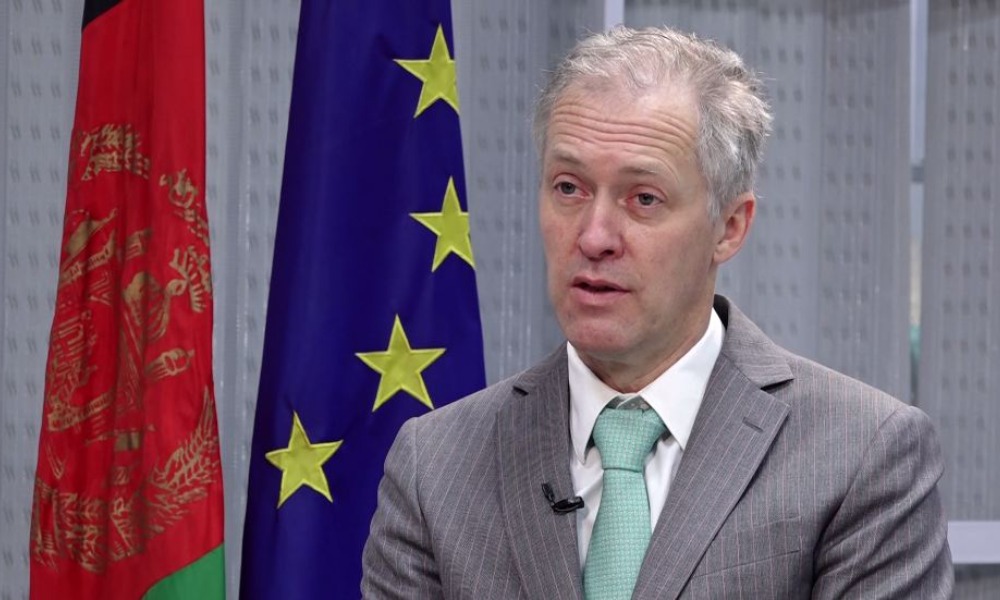
The European Union (EU) has called on President Ashraf Ghani to make concerted efforts to advance the Afghan peace process and to make sure the people and the country’s best interests are put first.
Arnout Pauwels, deputy head of the EU in Afghanistan, said in an interview with Ariana News that the EU is preparing for the Istanbul Summit.
“President on the other hand also has to take into account what is alive in the country, what are the political forces, the political streams. So based on his sound political judgment he has to take the best step forward in the interest of his county and his people. So the voice of the president is extremely important,” said Pauwels.
He also remarked on the lack of women’s participation in peace talks, and said that women participation and inclusive peace talks will bring peace and stability to the country.
Pauwels said that immediate change in power can’t bring stability to Afghanistan.
“We do not advocate any kind of quick change of power, it is not about power it is what you can bring to the country over a long term. So a power grab by one side or the other will not lead to stability” added Pauwels.
Pauwels also condemned the spate of targeted killings and called on the Afghan government to bring the perpetrators to justice.
“The targeted killing are totally against all values I think of humanity. It is extremely counter-productive move by their side. That should absolutely and totally stop immediately” said Paewels.
This comes after sources told Ariana News that the Istanbul summit on the Afghan peace process will be held on April 16.





Latest News
SAARC failure pushes Pakistan toward trilateral ties with Afghanistan, China, Bangladesh: Dar
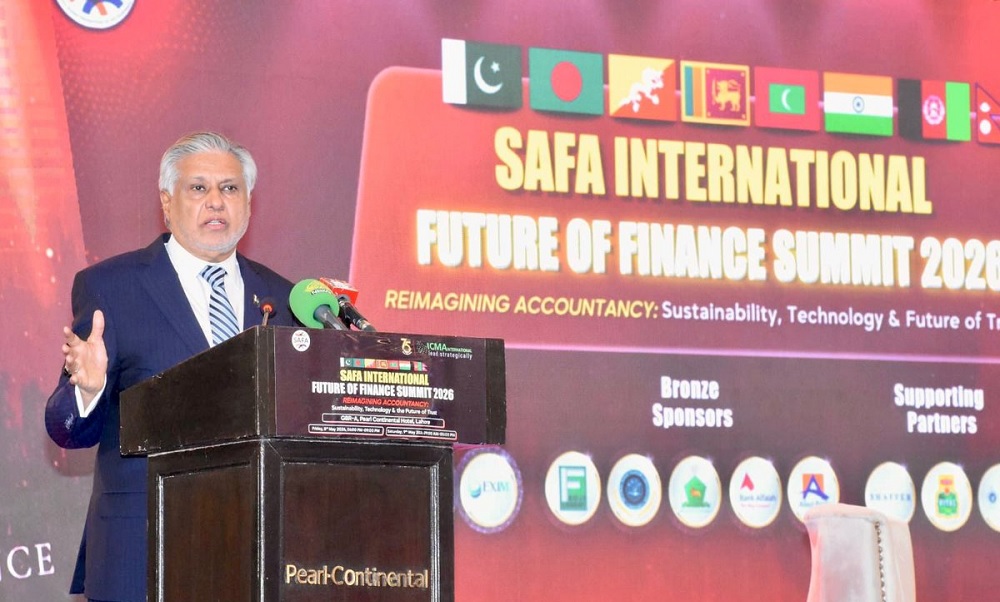
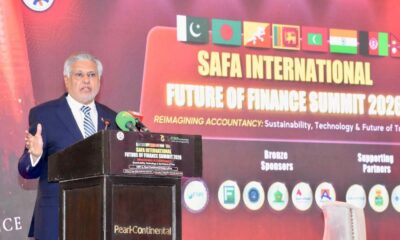
Pakistan’s Deputy Prime Minister and Foreign Minister Mohammad Ishaq Dar has said that the failure of the South Asian Association for Regional Cooperation (SAARC) is pushing Pakistan toward exploring trilateral cooperation frameworks involving Afghanistan, China, and Bangladesh.
Speaking at the South Asian Federation of Accountants (SAFA) Conference in Lahore on Friday, Dar said SAARC has “unfortunately not been able to kick off,” limiting regional economic integration and cooperation.
He said Pakistan is now looking at alternative regional arrangements to strengthen economic connectivity and trade, including trilateral formats such as China–Pakistan–Afghanistan and China–Pakistan–Bangladesh.
Dar stressed that South Asia cannot remain in “isolation,” noting that the region, home to nearly two billion people, is missing significant economic opportunities due to weak cooperation among neighbouring countries.
The South Asian Association for Regional Cooperation (SAARC) was established in 1985 to promote economic and regional integration among South Asian countries, including Afghanistan, Bangladesh, Bhutan, India, Maldives, Nepal, Pakistan, and Sri Lanka.
The organisation was designed to encourage cooperation in areas such as trade, development, education, and cultural exchange. However, in recent years, SAARC’s effectiveness has been significantly limited due to political tensions between member states, particularly between India and Pakistan, leading to stalled summits and reduced regional engagement.
As a result, regional economic cooperation in South Asia has largely remained underdeveloped compared to other regional blocs around the world.
Latest News
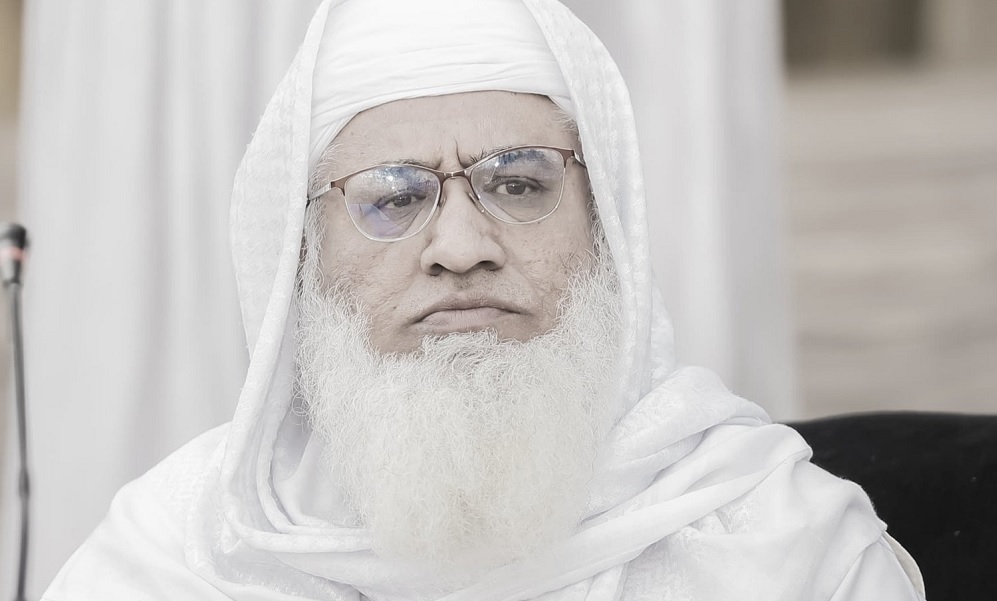
IEA leaders contact Maulana Fazlur Rehman to express condolences over Sheikh Idris’s death


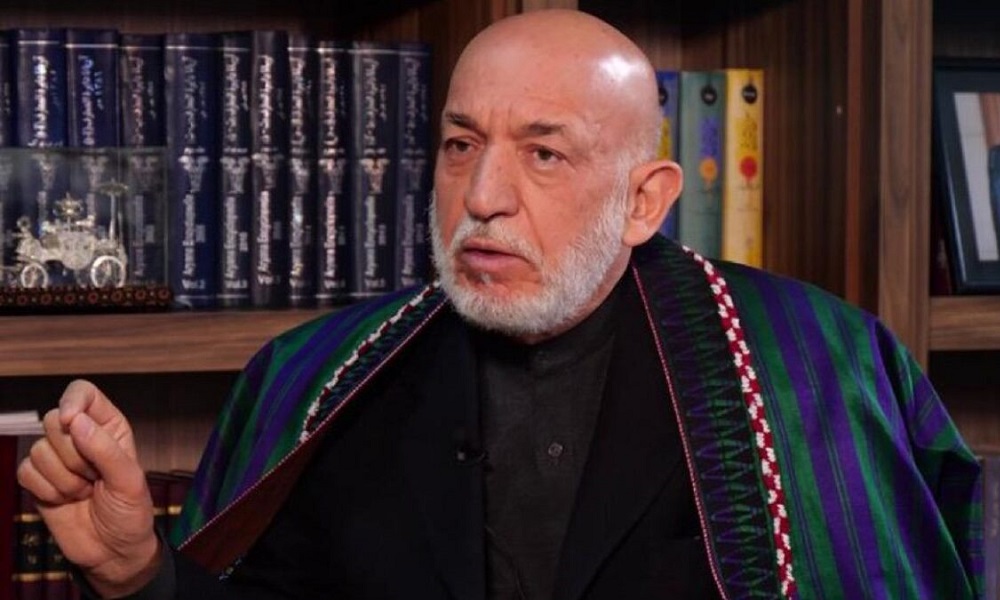
Karzai: Pakistan seeking to legitimize Durand Line, authorities must clarify

Los Angeles to welcome the world with historic FIFA World Cup 2026 opening event

SAARC failure pushes Pakistan toward trilateral ties with Afghanistan, China, Bangladesh: Dar

Canada to host opening ceremony for FIFA World Cup 2026 in Toronto

Afghanistan rises 7 places to 21st in FIFA Futsal World Rankings

Bayat Power extends gas supply deal with Afghan Gas

Etihad Airways to expand Kabul–Abu Dhabi flights to daily service amid surging demand

Afghanistan’s new cricket head coach Richard Pybus arrives in Kabul

Afghanistan moves toward self-sufficiency in car battery production

Germany to launch online visa system for Afghan study and work applicants in Pakistan

Tawsia: Discussion on Afghanistan’s economic path and position

Tahawol: Pressure on Afghan refugees from Tajikistan to Europe discussed

Saar: Ongoing criticism of Pakistan’s Afghanistan policy discussed

Tahawol: Diplomatic turn in Iran–US confrontation discussed

Saar: Expanding interaction between countries and IEA discussed
-
 Business1 day ago
New Afghanistan-China transport corridor launched via Turkmenistan
-
 Latest News4 days ago
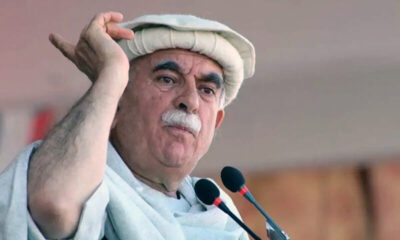
Pakistan’s Achakzai pushes for Afghanistan dialogue amid economic strain
-
 Business3 days ago
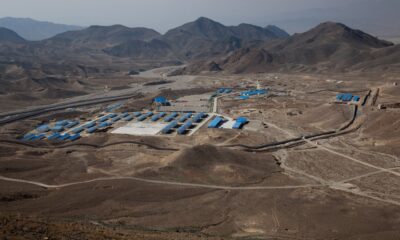
Afghanistan presses Chinese contractor over delays in Mes Aynak copper project
-
 Business3 days ago
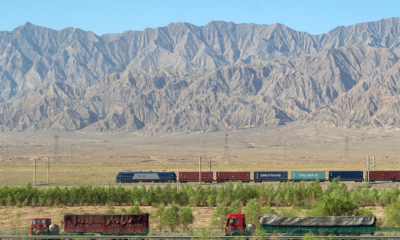
Uzbekistan launches new cargo corridor linking China and Afghanistan
-
 Latest News4 days ago
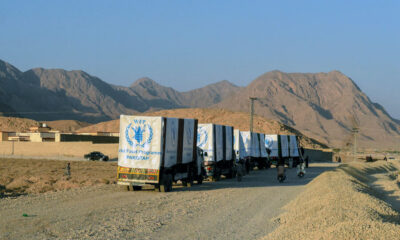
Food prices surge 20% in Afghanistan as Hormuz crisis disrupts supply routes
-
 Latest News5 days ago
Austrian interior minister heads to Uzbekistan to finalize Afghan deportation deal
-

 Sport5 days ago
All eyes on Jeddah as AFC U-17 Asian Cup 2026 kicks off
-

 International Sports4 days ago
Mumbai Indians pull off record chase as IPL action continues