
Business
Misunderstanding of Afghanistan sanctions crippling local businesses: NRC report

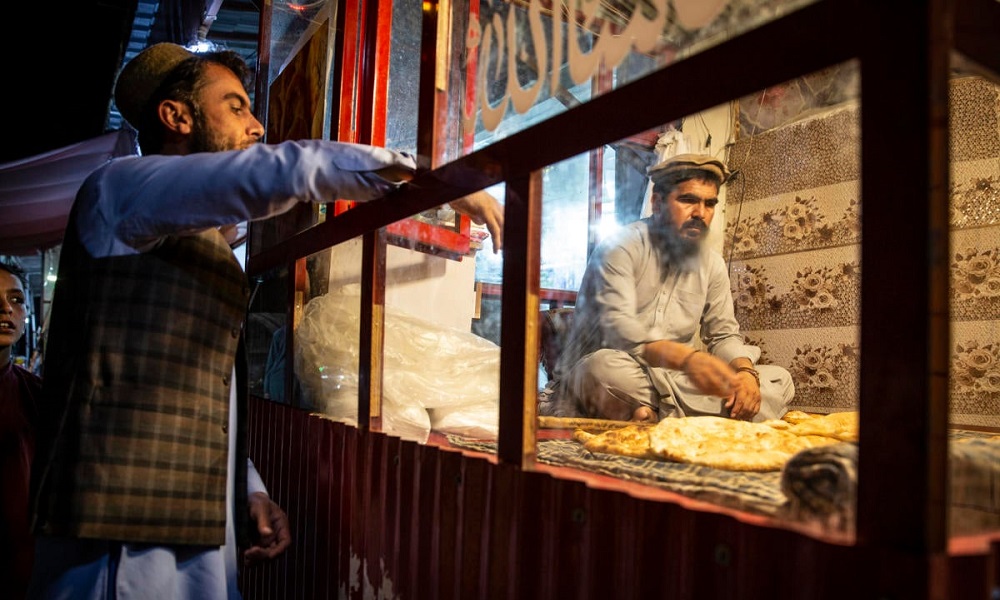
Over-compliance and misconceptions about the scope of international sanctions have led to severe obstacles for the Afghan business community, including for businesses that import and export food and other essential goods, the Norwegian Refugee Council (NRC) said in a report released Wednesday.
The report calls on the international community to improve awareness about sanctions and reduce over-compliance. It argues that concrete steps must be taken to address the crippled Afghan economy and ongoing unprecedented humanitarian crisis.
“Humanitarian aid alone cannot meet the needs of the millions of Afghans who have lost their jobs and been forced to take on huge debts and sell their possessions just to be able to buy food needed for survival,” said Neil Turner, NRC’s country director in Afghanistan. “We must reverse this devastating economic disaster. A stable economy, thriving private sector, and the reintroduction of development programmes are important to complement the work of humanitarian organizations.”
Since the Islamic Emirate returned to power in 2021, international actors have pursued political and economic isolation policies towards Afghanistan. More than 28 million people are now on the brink of survival, according to the report.
NRC said that there are comprehensive exemptions to the sanctions that should enable the transfer of money in and out of Afghanistan for activities designed to address the basic needs of the population, but banks continue to restrict businesses’ access to financial services despite the exemptions in place. Afghan businesses highlighted that payment instructions for any international bank transaction that mention Afghanistan get blocked, even for transactions for food shipments via the United Nations.
“We need to educate overseas companies and banks that Afghanistan itself is not under sanctions. There is a real lack of understanding about this – particularly among key sectors in our main export and import markets,” said an executive of a large agricultural firm in Afghanistan.
To address the complex political, economic, and social changes since IEA’s return to power, NRC called on major governments, financial institutions, UN agencies and relevant regional actors to urgently convene to establish measures to stabilize and support Afghanistan’s economy for the benefit of all the Afghan people.
“Concrete steps must be agreed to address the barriers faced by critical private sector actors in Afghanistan, including challenges in accessing financial services. On top of this, it’s vital that mechanisms are stepped-up to provide technical assistance to the Afghanistan Central Bank to support its resumption of core functions that are critical to support the Afghan economy, private sector actors, and ultimately the Afghan people who have already endured so much,” added Turner.




Business
Iraqi intelligence report alleges oil smuggling network supplying Afghanistan and Turkey through Iran
The report highlights broader challenges facing regional authorities in combating illicit oil trade and enforcing international sanctions.
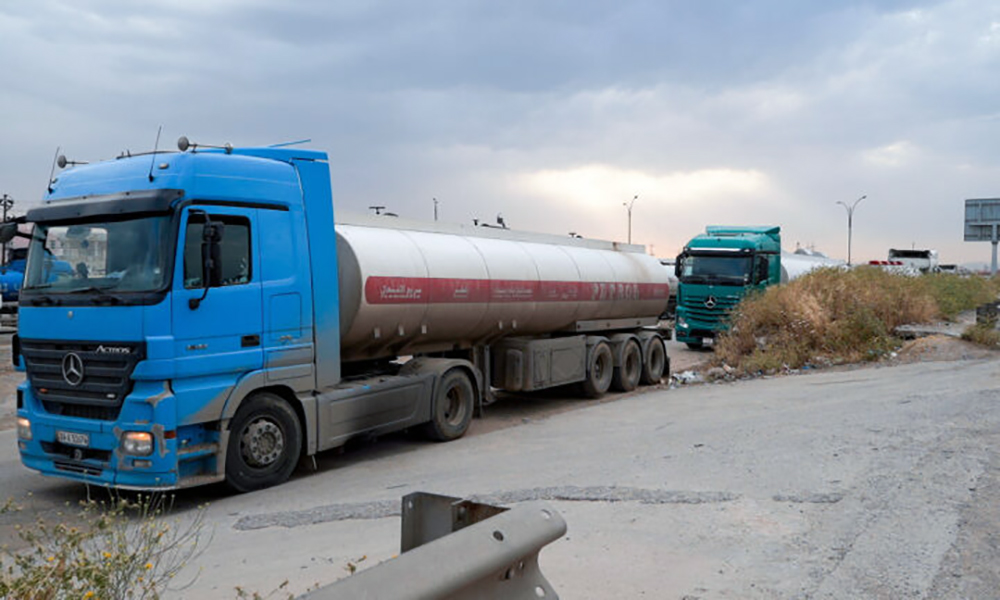
An Iraqi intelligence report obtained by Sky News Arabia has revealed alleged large-scale crude oil smuggling operations from northern Iraq into Iran, where the oil is reportedly refined and later sold in regional markets, including Afghanistan and Turkey.
According to the report, shipments of crude oil are transported through land routes and unofficial trade channels into Iranian territory, where they undergo refining and processing before being re-exported to foreign markets.
The intelligence findings suggest that the alleged network is designed to bypass international sanctions and facilitate the movement of petroleum products outside official trade and financial monitoring systems.
The report further indicates that smuggling networks rely on informal transportation routes and cross-border commercial channels to maintain the collection, processing and distribution of oil products while avoiding regulatory oversight.
The revelations have raised concerns over cross-border smuggling, the loss of national resources and the potential impact of illicit oil trade on regional economies.
Security and political observers say the reported activities could put additional pressure on Iraqi authorities to strengthen border controls, monitor oil transportation routes and improve coordination with regional and international partners.
However, the allegations outlined in the intelligence report have not been independently verified, and further details about the networks involved, the quantities of oil transported and the scale of supplies reaching Afghanistan and Turkey remain unclear.
The report highlights broader challenges facing regional authorities in combating illicit oil trade and enforcing international sanctions.
Business
$30 million pharmaceutical investment launched in Herat as new production line opens
Meanwhile, the newly inaugurated serum and injectable production line is capable of producing up to 100,000 packages of serum per day.
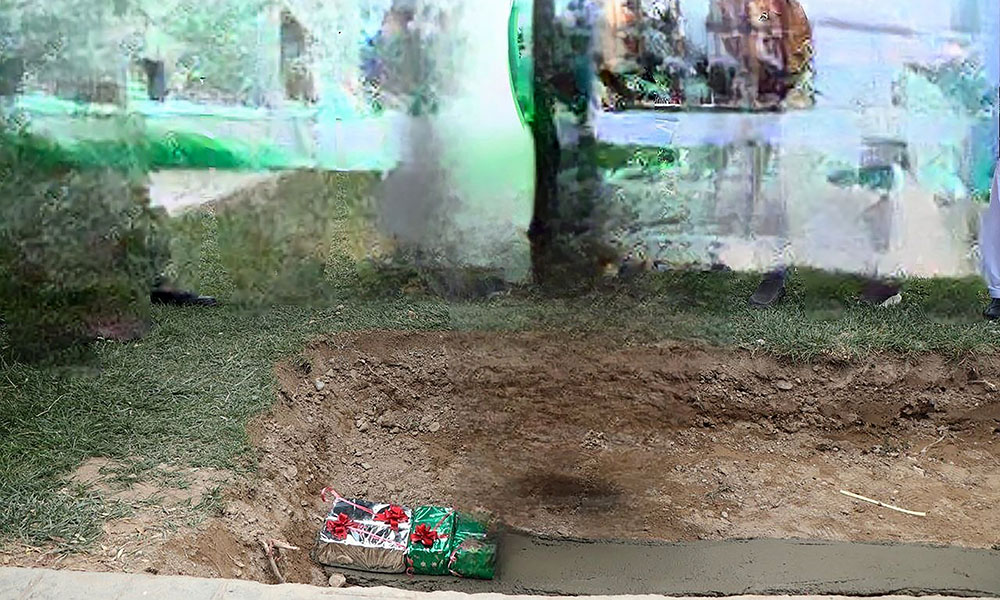
The foundation stone has been laid for three new pharmaceutical production blocks at Ovison Pharma in Herat, with an investment of $30 million, while the factory’s new serum and injectable production line has also been inaugurated.
The new production blocks will be constructed on a 3,000-square-metre site, with each facility planned to have five floors. Equipped with advanced machinery and designed to meet international standards, the expansion is expected to significantly increase the factory’s pharmaceutical production capacity.
Meanwhile, the newly inaugurated serum and injectable production line is capable of producing up to 100,000 packages of serum per day.
The expansion marks a significant step toward strengthening Afghanistan’s pharmaceutical industry, increasing domestic production and reducing the country’s reliance on imported medicines.
The investment is also expected to support the development of local manufacturing capacity and improve access to domestically produced pharmaceutical products.
Business
Afghanistan approves new foreign investment policy in bid to attract international investors
The decisions have been forwarded to the office of the Supreme Leader of the Islamic Emirate for final approval.
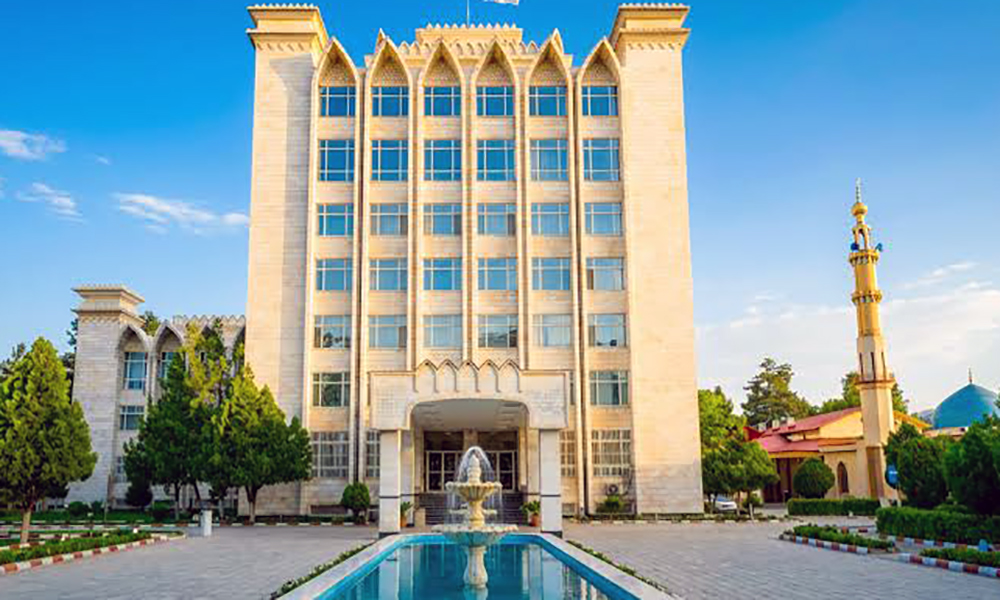
Afghanistan’s Economic Commission has approved a new foreign investment policy aimed at attracting international investors, improving investment opportunities and supporting the country’s economic growth.
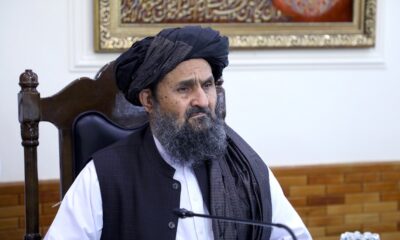
The decision was made during the commission’s regular meeting, chaired by Mullah Abdul Ghani Baradar, Deputy Prime Minister for Economic Affairs, at the Marble Palace on Monday.
According to the Deputy Prime Minister’s Office for Economic Affairs, the proposed policy was presented by a committee established under the leadership of the economic deputy office. Following a comprehensive review and consideration of the commission’s recommendations, the policy was approved.
The policy aims to regulate foreign investment activities, facilitate investment procedures, create a favourable environment for investors, ensure investment security and promote Afghanistan’s economic growth and development.
During the meeting, the commission also approved a proposal concerning the payment of fixed taxes by commercial import companies at the country’s customs offices.
Officials said implementing the proposal would create additional facilities and simplify procedures for importing businesses.
The decisions have been forwarded to the office of the Supreme Leader of the Islamic Emirate for final approval.

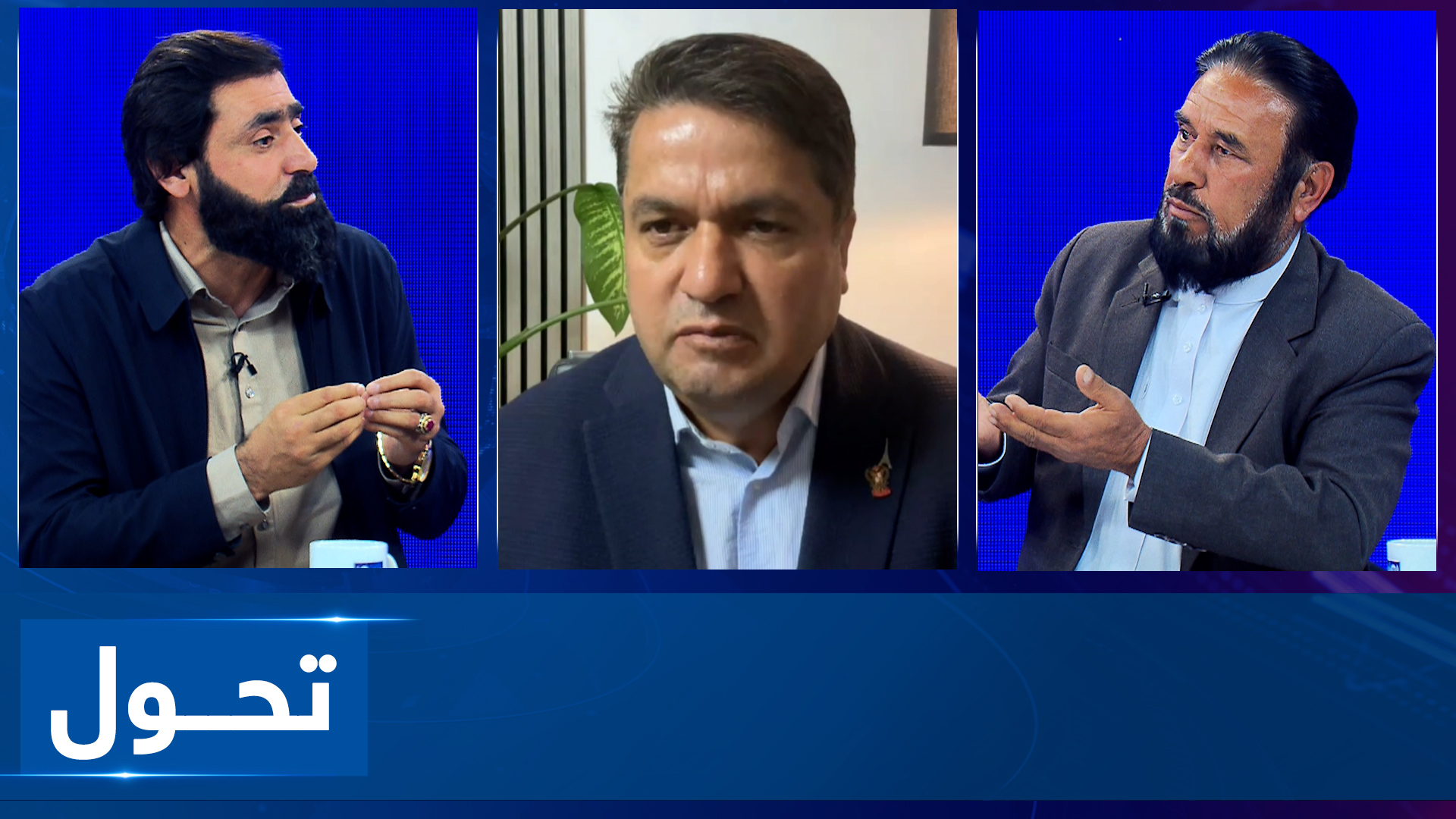
Tahawol: High-level Russian delegation’s visit to Kabul discussed
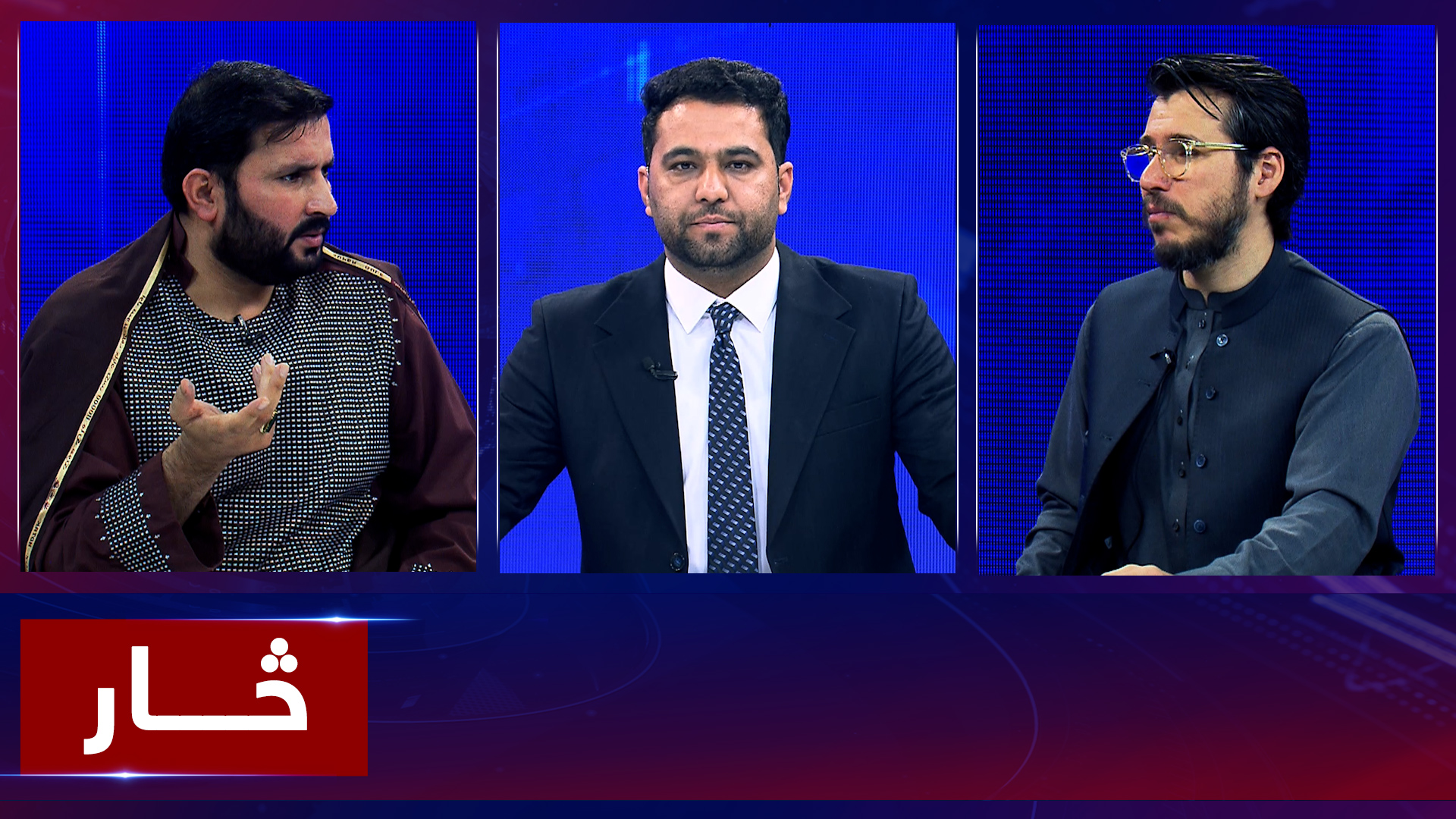
Saar: Afghanistan’s situation in focus at CSTO discussed
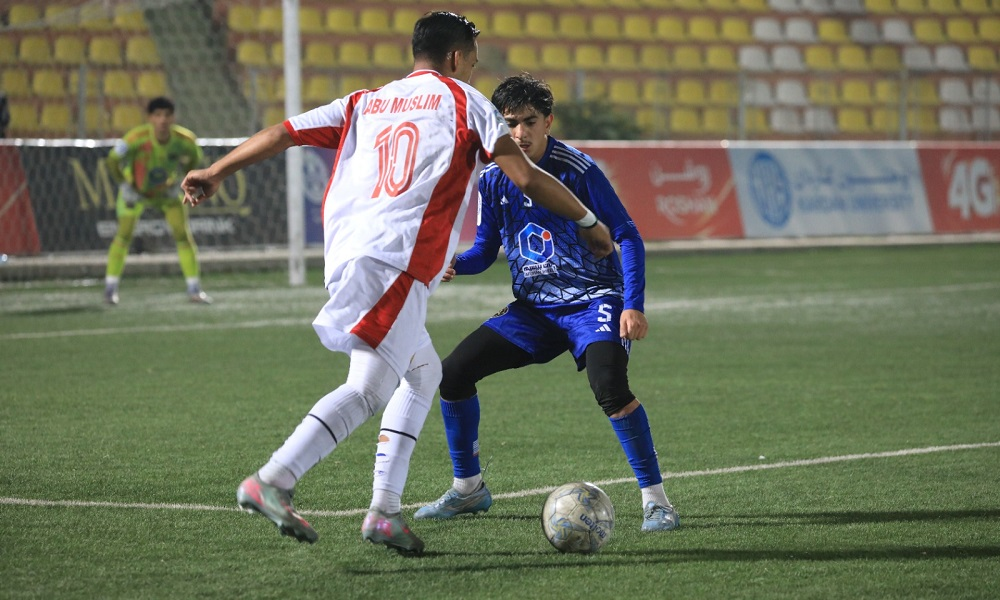
Abu Muslim Farah edge Arman FC with 1-0 victory in ACL match
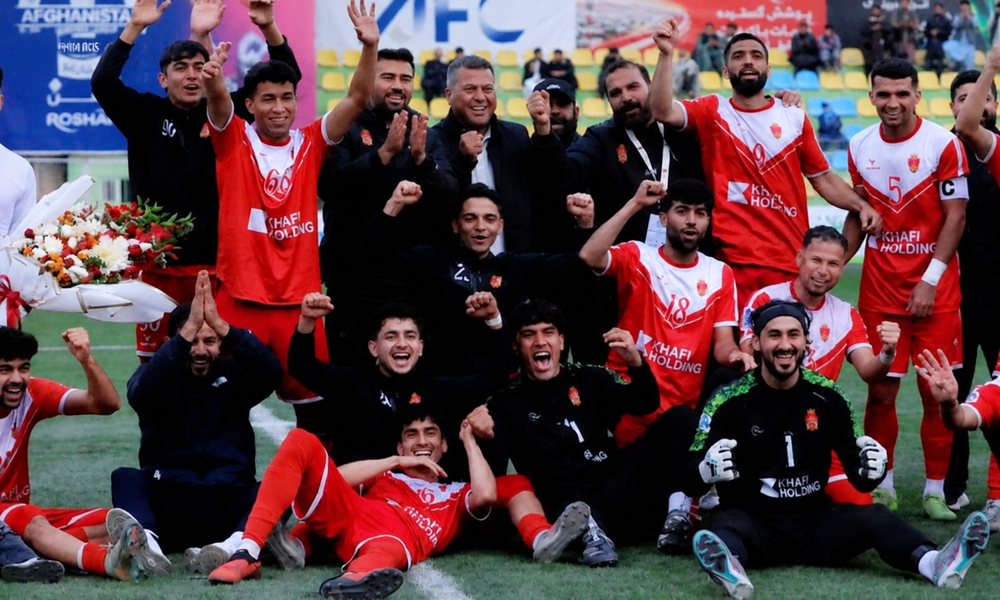
Sorkh Poshan Khafi secures ACL title with crushing 7-0 win over Khurasan Faryab
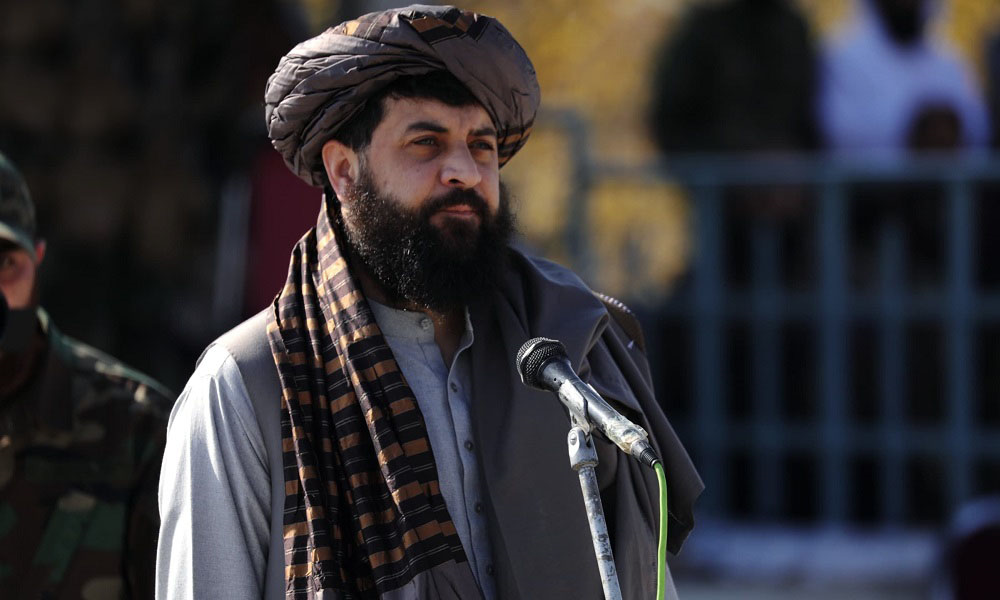
Afghanistan now has unified central government: IEA defense minister

Afghanistan finish runners-up after 6-0 defeat to Brazil in futsal final

Trump says US may strike Iran’s ‘Pickaxe Mountain’ nuclear facility

Afghan futsal coach: Brazil tournament is first step towards new goals and World Cup

Violent protests spread across Europe as Albanian PM blames ‘foreign hand’

Rubio heads to Central Asia while other US officials hit foreign policy hot spots
Tahawol: High-level Russian delegation’s visit to Kabul discussed
Saar: Afghanistan’s situation in focus at CSTO discussed

Tahawol: Efforts to halt deportation of Afghan refugees from US discussed
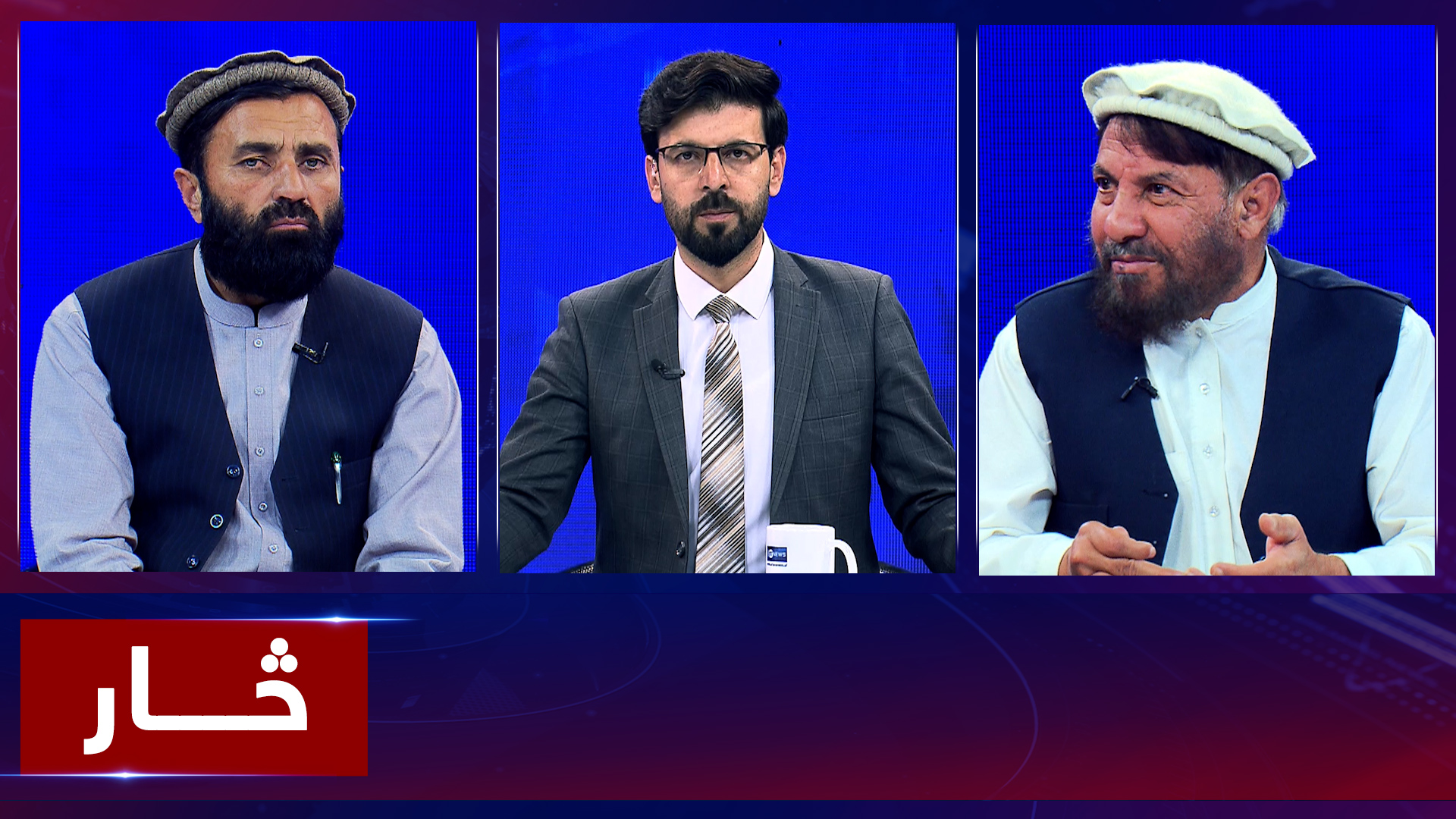
Saar: Russia’s stance on Afghanistan discussed

Trump says further US attacks on Iran ‘highly unlikely’ as peace talks gain momentum
-
 World3 days ago
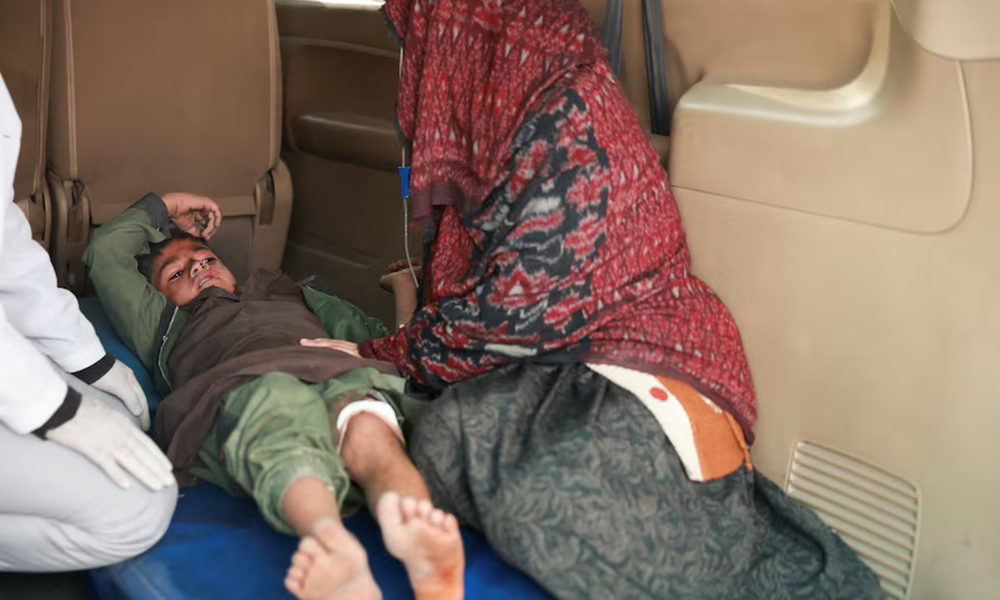
Houthi-run health ministry says airstrikes kill 33 near Yemen capital
-
 Sport3 days ago
Afghanistan’s record partnership highlights fourth day of Test against Zimbabwe
-
 Sport4 days ago
Toofan Herat defeat Arman FC 2–0 in Afghanistan Champions League
-
 Sport3 days ago
Afghanistan thrash Senegal 6-0 to reach Dakar Youth Olympics futsal semi-finals
-
 Regional5 days ago
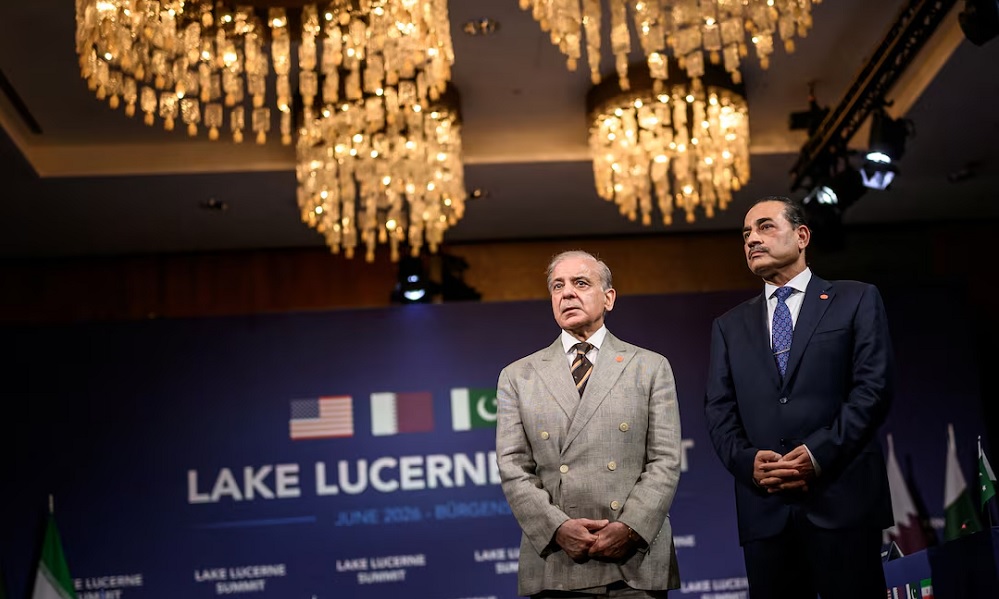
Pakistan’s leaders dread US Democrats’ win but its households are praying for it
-
 Sport2 days ago
Portugal beat Afghanistan 2-0 in Dakar Youth Olympics futsal semi-finals
-
 Business5 days ago
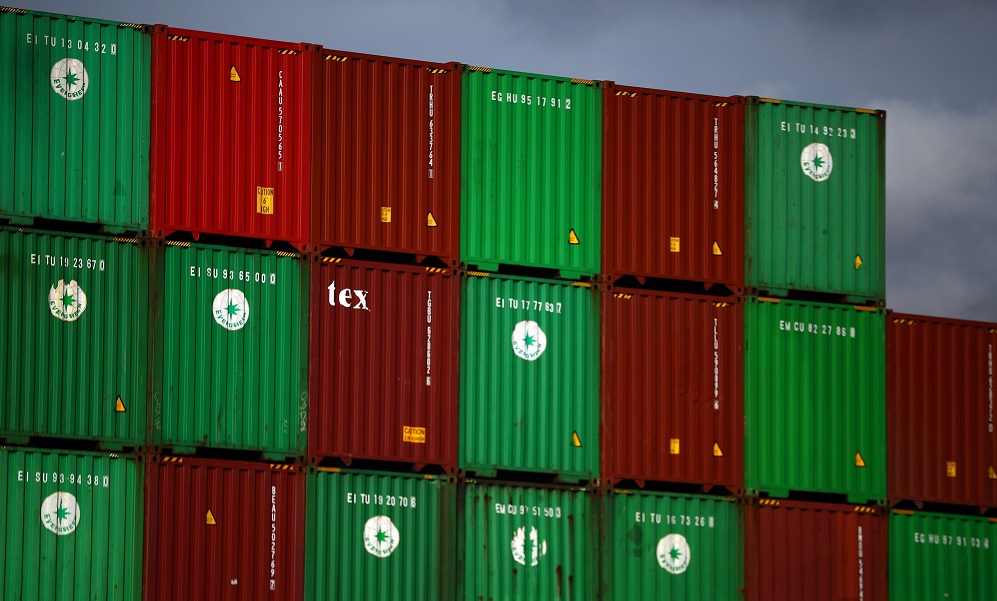
UK-Afghanistan trade falls 16.7% to £70 million over 12 months
-
 Regional4 days ago
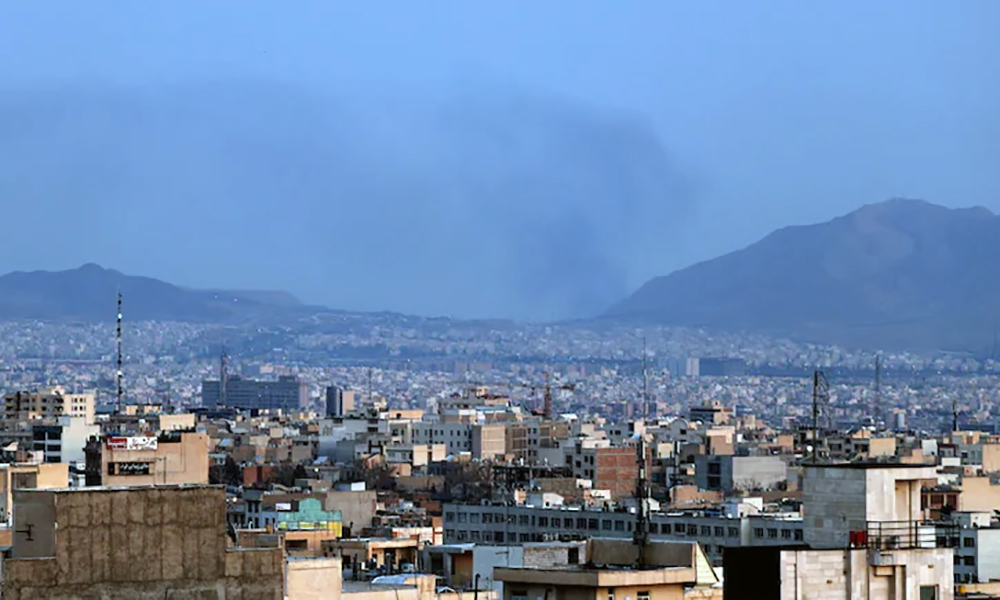
Explosions heard in areas in southern Iran, Iranian media report