
China accepts IEA ambassador

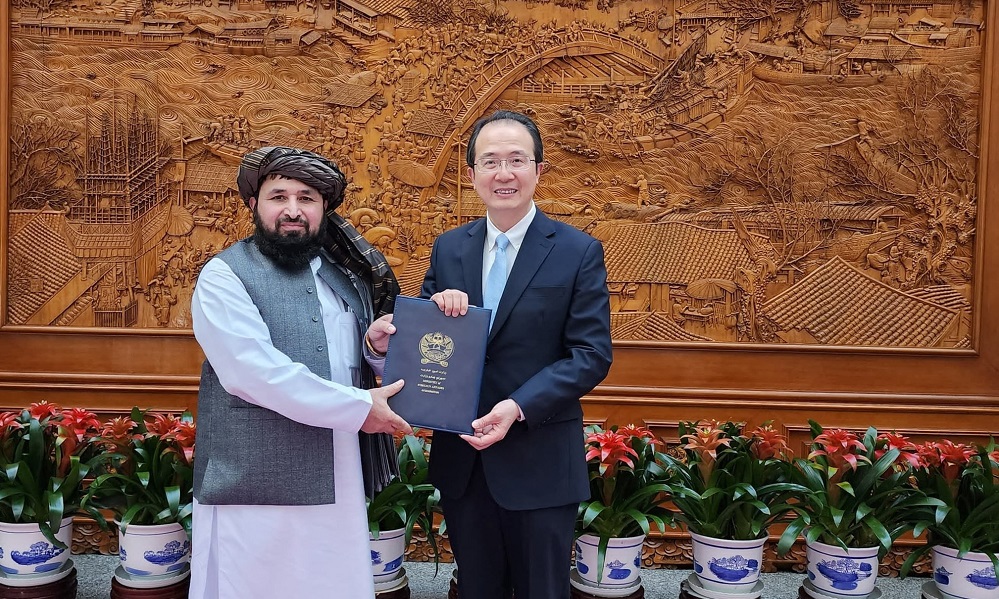
The Islamic Emirate of Afghanistan (IEA) has announced that Chinese officials have welcomed its newly appointed ambassador in Beijing on Friday.
The Ministry of Foreign Affairs in a statement said that Asadullah Bilal Karimi presented a copy of his credentials to Hong Li, the Head of the Protocol Department at the Chinese Ministry of Foreign Affairs.
According to the statement, Hong Li welcomed Bilal Karimi and considered his appointment as ambassador an important step in the expansion of relations between China and Afghanistan.
He said that China respects the national sovereignty of Afghanistan and the decisions of the people of this country and does not interfere in its internal affairs.
Hong pointed out that China wants to cooperate with Afghanistan in the framework of the “Belt and Road” initiative in the field of economic and infrastructure projects.
Meanwhile, Bilal Karimi said that he is glad to start working as the ambassador and special representative of the Islamic Emirate in China.
He added that this is an important chapter in the expansion of relations between the two countries.
Bilal Karimi assured China that no country will be threatened from Afghanistan soil, adding that stability and security in the region is in the interest of all. He also appreciated China’s “positive and non-interference policy” in Afghanistan’s affairs, and called China a good neighbor of Afghanistan.
Karimi also highlighted the importance of China’s role in investment, infrastructure restoration, development and reconstruction projects. He said that the current stability in Afghanistan is a good opportunity which should be fully utilized.
In the meeting, Hong Li expressed hope that with the appointment of the new IEA ambassador in China, relations between China and Afghanistan will be strengthened and expanded.






Latest News
Russian embassy expresses concern over civilian casualties in Pakistani airstrikes on Afghanistan
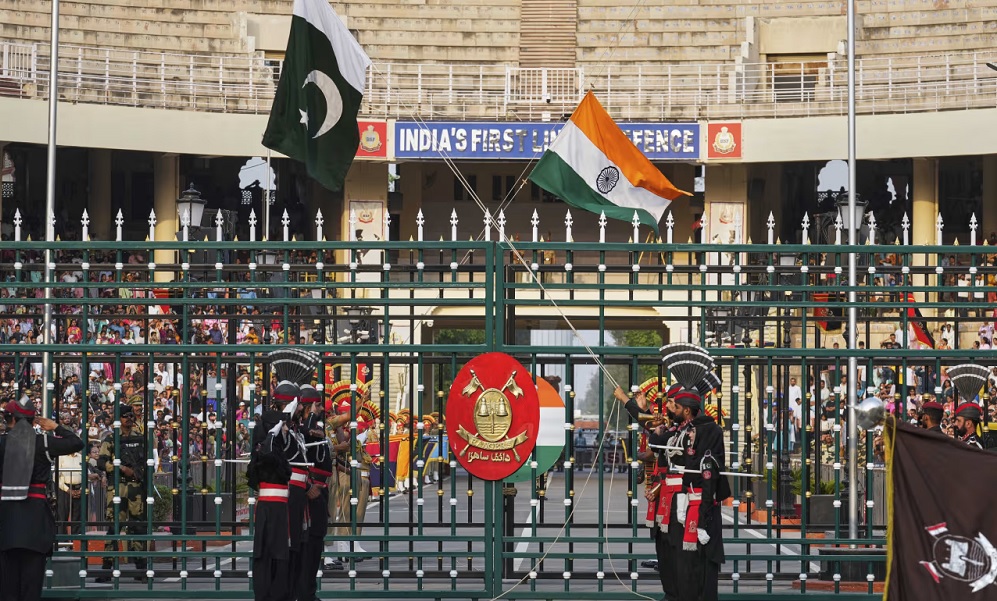
India and Pakistan summoned each other’s top diplomats on Saturday over a border incident on October 2, with New Delhi rejecting Islamabad’s allegation that Indian forces had killed two unarmed Pakistani civilians and saying those involved had crossed illegally into Indian territory.
Pakistan’s foreign ministry said earlier on Saturday that personnel from India’s Border Security Force had used “unprovoked lethal force” against two unarmed Pakistani civilians in the Bedian sector along the international border on Friday, Reuters reported.
“Pakistan categorically rejects any attempt to mischaracterize the deceased as ‘infiltrators’,” the ministry said in a statement.
Pakistan said it had summoned India’s chargé d’affaires to lodge a protest over the incident and called for an “immediate, transparent and credible investigation”.
India’s foreign ministry later rejected what it called “baseless and motivated allegations” and said it had summoned the chargé d’affaires of the Pakistan High Commission to protest at the “continued facilitation of illegal cross-border infiltration from Pakistan”.
The ministry said three people had crossed into Indian territory in the Ferozepur sector of Punjab and continued moving towards the border fence despite multiple warnings from the BSF to return to Pakistan.
“The BSF was compelled to engage them for posing an imminent security threat,” the ministry said.
India said the incident reflected “a clear pattern of repeated cross-border movement by armed narcotics syndicates operating from Pakistan” and urged Islamabad to investigate what it described as cross-border infiltration and drug-smuggling activities.
India also urged Pakistan to respect the international border, observe bilateral arrangements and ensure its forces prevented unauthorised movement from its side.
Relations between the two nuclear-armed rivals have been strained since a four-day war in 2025, the worst in decades, followed by a militant attack on tourists in Indian Kashmir that killed 26 people.
New Delhi accused Pakistan of backing the attack, which Islamabad denied.


Russian embassy expresses concern over civilian casualties in Pakistani airstrikes on Afghanistan

India, Pakistan summon top diplomats over border incident

Tahawol: Escalation of internal political crisis in Pakistan discussed

Saar: Continuation of crisis in the Middle East discussed

Muttaqi and DiCarlo discuss Afghanistan-UN cooperation

Saudi energy group signs major Afghanistan deals covering gas exploration and pipeline plans

Khalilzad: Afghanistan ready to attract major investment

Khyber Chamber demands reopening of Torkham crossing

Messi returns to Inter Miami after Argentina retirement

Imam Abu Hanifa exhibition to draw exhibitors from more than 20 countries
Tahawol: Escalation of internal political crisis in Pakistan discussed
Saar: Continuation of crisis in the Middle East discussed

Tawsia: Review of three key economic developments in Afghanistan

Tahawol: Pakistan’s airstrikes on civilians in Afghanistan discussed

Tahawol: Improvement in Afghanistan-China relations discussed
-
 Regional4 days ago
US imposes sanctions on 13 tied to Iran weapons procurement
-
 Latest News3 days ago
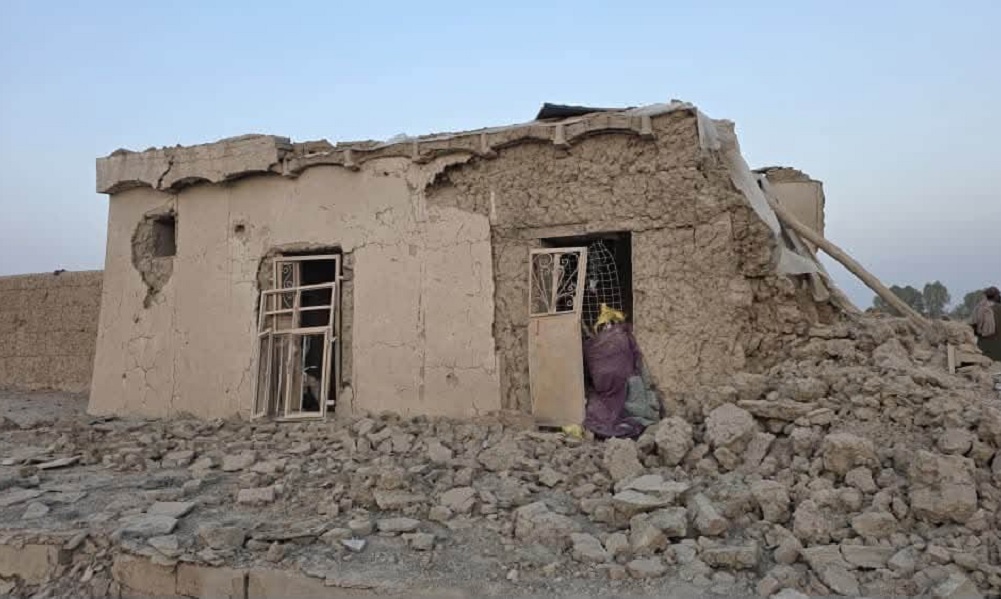
Four members of one family killed in Helmand in Pakistan airstrike
-

 Sport5 days ago
Istiqlal Kabul beat Khurasan Faryab 2-0 with late goals
-

 Climate Change5 days ago
Afghanistan on climate front line as Kabul faces groundwater warning
-

 Sport5 days ago
Afghanistan Champions League: Toofan Herat and Aino Mina Kandahar draw 1-1
-
 Latest News5 days ago
US Afghanistan War Commission meets Asim Munir over Pakistan’s role in conflict
-
 Business5 days ago
Russia accuses West of double standards over deportation of Afghans
-

 Business5 days ago
Kazakhstan grain shipments to Afghanistan rise over 4-fold