
World
Trump says Putin and Zelenskiy want peace; phone calls kick off talks to end Ukraine war
The Kremlin earlier said Putin and Trump had agreed to meet, and Putin had invited Trump to visit Moscow. Trump said their first meeting would “probably” take place soon in Saudi Arabia.


Donald Trump said both Russian President Vladimir Putin and Ukrainian President Volodymyr Zelenskiy expressed a desire for peace in separate phone calls with him on Wednesday, and Trump ordered top U.S. officials to begin talks on ending the war in Ukraine, Reuters reported.
The conversations came after Trump’s defense secretary earlier said Kyiv would have to give up its long-held goals of joining the NATO military alliance and regaining all of its territory seized by Russia, signaling a dramatic shift in Washington’s approach to the conflict.
After speaking with Putin for more than an hour, Trump said the Russian leader, who launched a full-scale invasion of Ukraine in 2022, wants the war to end and they discussed “getting a ceasefire in the not-too-distant future.”
“He wants it to end. He doesn’t want to end it and then go back to fighting six months later,” Trump told reporters in the Oval Office.
“I think we’re on the way to getting peace. I think President Putin wants peace, President Zelenskiy wants peace and I want peace. I just want to see people stop getting killed,” he added.
Trump has long said he would quickly end the war in Ukraine, without spelling out exactly how he would accomplish this, read the report.
The Kremlin earlier said Putin and Trump had agreed to meet, and Putin had invited Trump to visit Moscow. Trump said their first meeting would “probably” take place soon in Saudi Arabia.
In a post on his social media platform, he said Secretary of State Marco Rubio, CIA Director John Ratcliffe, national security adviser Michael Waltz and Middle East envoy Steve Witkoff would lead negotiations on ending the war.
Trump and Zelenskiy spoke after Trump’s call with Putin, and Zelenskiy’s office said the conversation lasted for about an hour.
“I had a meaningful conversation with @POTUS. We… talked about opportunities to achieve peace, discussed our readiness to work together …and Ukraine’s technological capabilities… including drones and other advanced industries,” Zelenskiy wrote on X.
No Ukraine peace talks have been held since the early months of the conflict, now approaching its third anniversary. Trump’s predecessor, Joe Biden, oversaw billions of dollars of military and other aid to Kyiv and had no direct contact with Putin after Russia’s invasion, Reuters reported.
Russia occupies around a fifth of Ukraine and has demanded Kyiv cede more territory and be rendered permanently neutral under any peace deal.
Ukraine demands Russia withdraw from captured territory and says it must receive NATO membership or equivalent security guarantees to prevent Moscow from attacking again.
European powers, including Britain, France and Germany, said on Wednesday they had to be part of any future negotiations on the fate of Ukraine, underscoring that only a fair accord with security guarantees would ensure lasting peace. They said they were ready to enhance support for Ukraine and put it in a position of strength.
Earlier on Wednesday, Defense Secretary Pete Hegseth delivered the new administration’s bluntest statement so far on its approach to the war, saying Kyiv could not realistically hope to return to previous borders or join NATO.
“We want, like you, a sovereign and prosperous Ukraine. But we must start by recognising that returning to Ukraine’s pre-2014 borders is an unrealistic objective,” Hegseth told a meeting at NATO headquarters in Brussels. “Chasing this illusionary goal will only prolong the war and cause more suffering.”
Russia in 2014 annexed Crimea, which Ukraine and many Western countries consider to be occupied Ukrainian territory.
Hegseth said any durable peace must include “robust security guarantees to ensure that the war will not begin again”. But he said U.S. troops would not be deployed to Ukraine as part of such guarantees.
Zelenskiy, hoping to keep Trump interested in continuing to support his country, has lately proposed a deal under which the United States would invest in minerals in Ukraine.
Trump’s Treasury Secretary Scott Bessent, in Kyiv on Wednesday on the first visit by a member of Trump’s cabinet, said such a mineral deal could serve as a “security shield” for Ukraine after the war, read the report.
Trump also said Rubio and Vice President JD Vance will hold talks about the war on Friday in Munich, where Ukrainian officials were expected to attend an annual security conference.
The new diplomacy followed a U.S.-Russia prisoner swap that got under way on Tuesday, which the Kremlin said could help build trust between the two countries.
Russia on Tuesday freed American schoolteacher Marc Fogel, who was serving a 14-year sentence in a Russian prison, in exchange for a Russian cybercrime boss imprisoned in the U.S., according to a official.

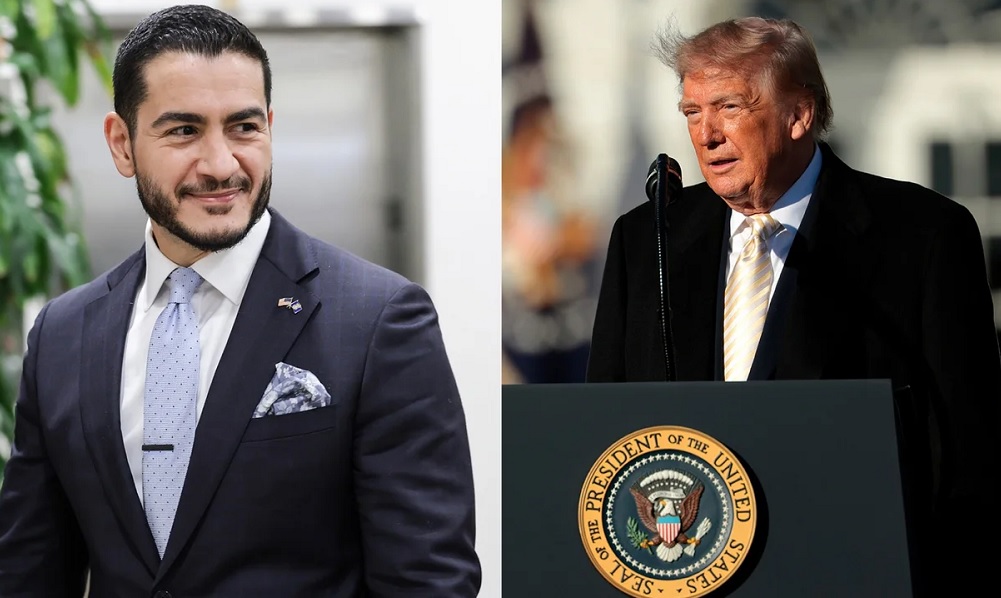
US President Donald Trump says he plans to meet with Michigan Senator-elect Abdul El-Sayed to discuss his proposal for universal healthcare, which the Democrat has suggested renaming “Trumpcare.”
In an interview with the New York Post on Tuesday, Trump described El-Sayed as a “smart guy” and praised his proposal, saying there could be room for compromise between the two sides.
“Maybe there’s some place in the middle that we could go,” Trump said, adding that he expected to meet with the incoming senator.
El-Sayed, who made universal healthcare a central part of his election campaign, recently shared an image of a gold “Trumpcare” card on social media platform X, calling on the president to guarantee healthcare for all Americans, from birth to old age. Trump later reposted the image.
The proposal marks a shift in tone between the two politicians, who exchanged sharp criticism during the election campaign. Trump had previously attacked El-Sayed, while the Michigan Democrat was a vocal critic of the president’s policies.
El-Sayed has also said he is willing to meet with Trump or anyone else, regardless of political affiliation, to advance his healthcare agenda and other campaign promises.
Trump said he believes his administration and the incoming Democratic majorities in Congress could work together on several issues, including healthcare, although he warned that disagreements could initially lead to confrontations.
The meeting comes as Democrats prepare to take control of both chambers of Congress for the final two years of Trump’s presidency.
World
Trump unveils new tariffs over excess industrial capacity, undeterred by midterms defeat
Under the excess factory capacity probe, USTR said China would face the highest capped rate of 20%, which would be added to duties of roughly 25% imposed during Trump’s first term.
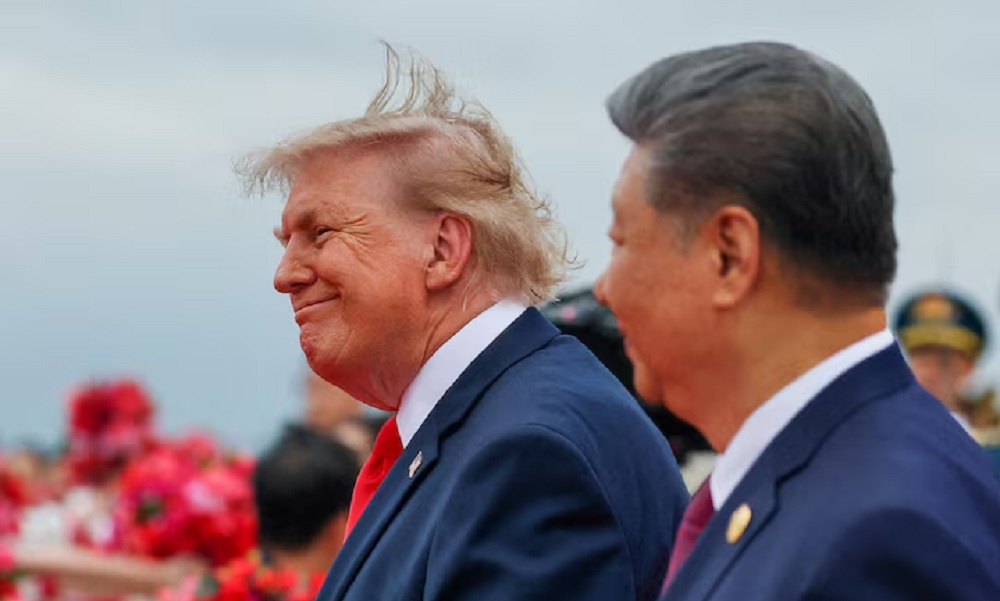
US President Donald Trump fired a new tariff salvo on Wednesday on 14 major trading partners including China, Japan and the European Union, undeterred in his protectionist push by the losses his Republican Party suffered in US midterm elections.
His administration proposed new maximum potential rates of 20% to 40% to counter excess industrial capacity that it says these countries are promoting. But the US Trade Representative’s office said it intends to cap new tariffs at lower levels agreed under trade deals that are completed or still under negotiation, Reuters reported.
In unveiling the results of an eight-month unfair trade practices investigation into excess industrial capacity, USTR aims to more fully rebuild Trump’s tariff leverage after the Supreme Court in February struck down his broad global duties under a national emergencies law.
The effort also seeks to put Trump’s tariffs and associated trade agreements on more solid legal and political grounds by backing them with a court-tested trade law, Section 301 of the Trade Act of 1974, and addressing foreign subsidies and industrial policies that are viewed as major trade problems by both Republicans and Democrats.
Separately, USTR proposed a new 10% tariff on imports of Brazil’s finished Embraer commercial aircraft, and an increase in duties on imports of Brazilian sugar that exceed quotas as part of an effort to push Brasilia to rectify alleged unfair trade practices.
The products were previously exempted from Trump’s 25% tariffs on Brazilian goods that were imposed in July under a separate Section 301 investigation. US Trade Representative Jamieson Greer said he decided to propose the tariff increases after months of talks between the US and Brazil made “no meaningful progress.”
CHINA TOPS EXCESS CAPACITY RATES
Under the excess factory capacity probe, USTR said China would face the highest capped rate of 20%, which would be added to duties of roughly 25% imposed during Trump’s first term.
That rate would comply with a US-China trade truce that expires on January 10. But if the truce unravels, China’s rate would rise to 40%, the USTR said.
Vietnam would face a capped tariff rate of 20% if it reaches a trade agreement with Washington, rising to 35% if negotiations fail.
Greer said the tariffs, which would not take effect until after a January 25 public hearing, were intended to counteract “industrial strategies built on targeting manufacturing, wage and labor suppression, financial and other support, non-market economy inputs, and other market-distorting practices” that undermine the US manufacturing base.
The duties would not stack on top of prior tariffs of 10% or 12.5% imposed under a separate US probe into lax enforcement of anti-forced labor laws in 60 economies, nor would they add to sectoral national security duties on steel, aluminum, autos and other goods.
Greer said the proposed tariffs also would not apply to about $30 billion of Chinese imports under consideration for tariff reductions through a bilateral mechanism known as the Board of Trade.
Washington has long accused China of subsidizing industry and flooding global markets with low-cost exports ranging from steel to electric vehicles and solar products.
A spokesperson for China’s embassy in Washington rejected allegations that China is a source of excess capacity, but stopped short of threatening retaliation.
“The so-called issue of ‘industrial overcapacity’ does not really exist and should not be used as a pretext for political manipulation,” the spokesperson said, urging the two sides to jointly deliver on agreements between Trump and Chinese President Xi Jinping.
LOWER RATES FOR TRADE DEALS
The USTR also proposed capped tariff rates of 18% for imported goods from Cambodia, Indonesia, Malaysia, Thailand and Bangladesh, and 15%, including existing “Most Favored Nation” duties, for Japan, South Korea, Taiwan, the EU and Switzerland.
India, which has yet to reach a trade deal with the Trump administration, would face a 17% tariff rate if an agreement is finalized and a 25% rate if talks fail, the USTR said. Singapore would receive a capped tariff rate of 10%.
Greer told CNBC the proposed caps were consistent with trade agreements reached over the past year that also lowered barriers to US exports.
“We’re sticking to that in terms of our proposals because we think a lot of these deals we made actually solve a lot of the problems we see in excess capacity or can go toward it,” Greer said, adding that the capped rates are no surprise to trading partners.
Mexico and Norway were excluded from the proposals because investigations into their trade practices remain under way, Greer said.
Even so, the prospect of new trade barriers weighed on stock markets on Wednesday amid a renewed selloff in tech stocks. Major US indexes opened down more than 1%, with the tech-heavy Nasdaq composite more than 3%.
“It is another reminder that while the legal justification for tariffs keeps changing, US protectionism is becoming increasingly difficult to unwind,” ING analysts wrote.
MORE SUPPORT, DURABILITY
Trump’s tariffs and their impact on rising living costs were a major issue in Democrats’ sweeping victory in midterm elections. A Reuters/Ipsos opinion poll conducted after Republicans’ midterm losses found 62% of respondents supported efforts by Democrats to repeal them.
US Senator Ron Wyden, an Oregon Democrat who is expected to chair the Senate Finance Committee when the new Congress begins in January, said: “Not even a month after voters rejected his disastrous trade agenda, Trump has decided to yet again increase prices for Americans. As Finance Committee Chair, I will use every tool at my disposal to end Trump’s disastrous tariffs.”
But that won’t be easy, because there is bipartisan support in Congress for countering excess capacity largely centered in China, said Nathaniel Halvorson, a former USTR official who is now a trade partner at Baker Mckenzie.
Undoing the tariffs also could cause some trade deals to collapse, Halvorson said, and Democrats “would have to consider whether they want to undo a settlement that might be working for US interests to some extent.”
World
US Army schedules Iowa explosives detonation despite public outcry
The Army has described the operation as the safest available option to eliminate the threat of a potentially uncontrolled explosion.
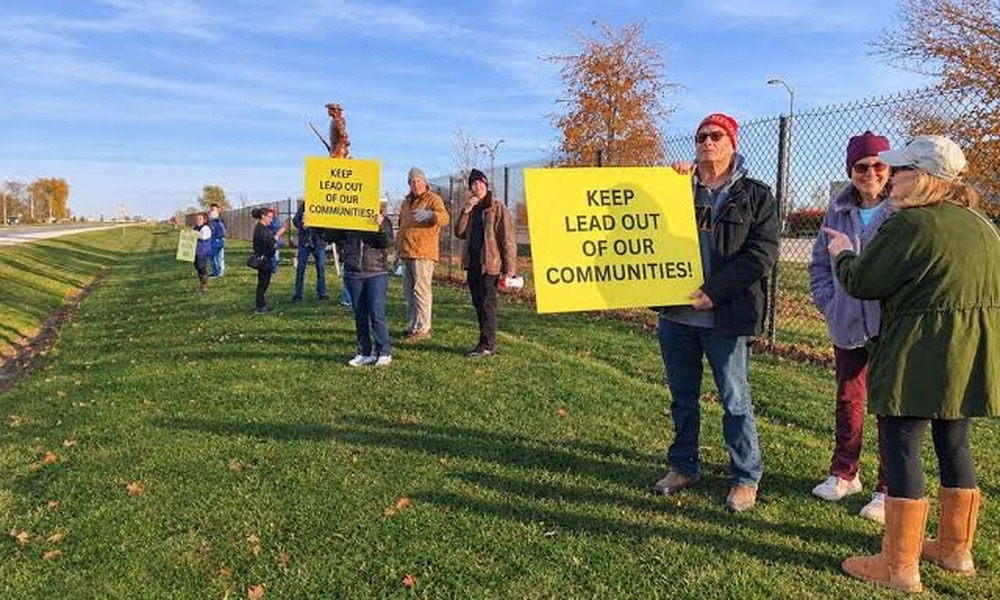
The US Army has scheduled a controlled detonation of approximately five tons of unstable explosive material at the Iowa Army Ammunition Plant for Wednesday, November 25, at 10 a.m. Eastern time, as authorities prepare for the operation amid public safety and environmental concerns.
The operation, at the facility in Middletown, Iowa, involves 68 drums containing more than 9,700 pounds of degraded lead azide, a highly sensitive explosive compound used in ammunition production.
The Army said the material had deteriorated and developed crystallisation, making it vulnerable to friction, vibration, heat and shock. Officials warned that moving or chemically neutralising the material could create an unacceptable risk of an accidental explosion.
Following consultations involving several federal agencies, military explosive ordnance disposal specialists are expected to carry out the controlled detonation at the site.
The Army has described the operation as the safest available option to eliminate the threat of a potentially uncontrolled explosion.
The Army has established a series of safety measures to limit the spread of lead particles during the operation. These include concrete and sand barriers around the storage bunkers, water tanks, foam and gel systems designed to contain debris and reduce airborne contamination.
Authorities have recommended that residents of Middletown and surrounding affected areas within a five-mile zone southwest of the facility relocate temporarily. The Federal Emergency Management Agency (FEMA) is providing temporary accommodation, transport, food and other assistance.
Residents outside the evacuation zone but within the wider advisory area have been urged to remain indoors, close windows and doors, and switch heating and air-conditioning systems to recirculation mode to limit exposure to airborne particles.
The operation has raised concerns among residents, environmental groups and local officials over potential lead contamination, public health risks and the handling of the ageing explosive stockpile. Legal challenges were also brought against the planned operation, but a federal appeals court cleared the way for the Army to proceed.
The Army and Environmental Protection Agency (EPA) have said monitoring teams will collect air, soil and water samples before and after the detonation to assess any environmental impact.

FIFA confirms cyberattack led to theft of internal data
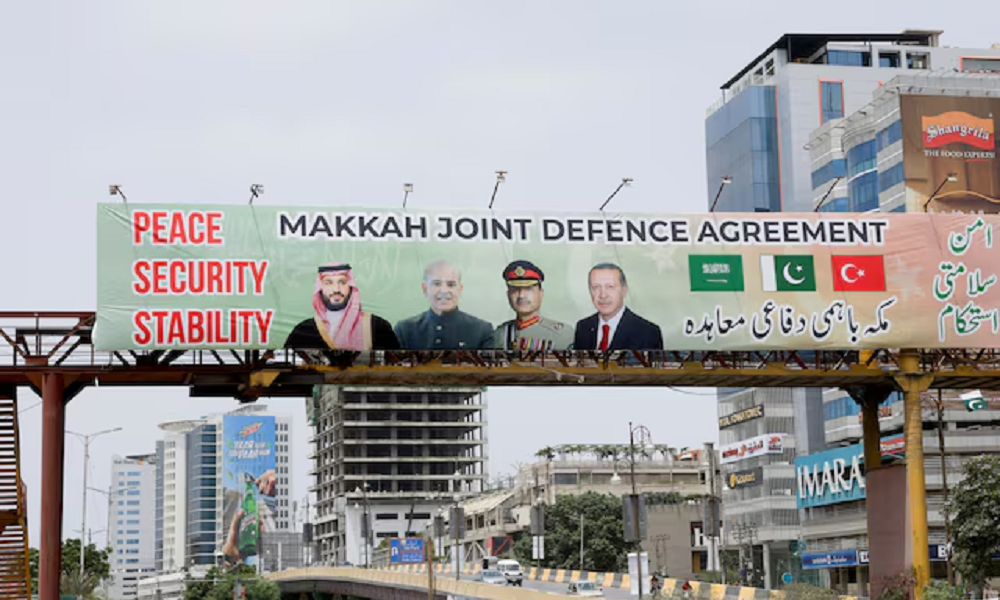
Pakistan, Saudi, Turkey to hold Mecca alliance meeting in Islamabad

ASQA strengthens regional cooperation through ISO Asia-Pacific meeting

Afghanistan adds more than 2,000 telecom towers, ministry says
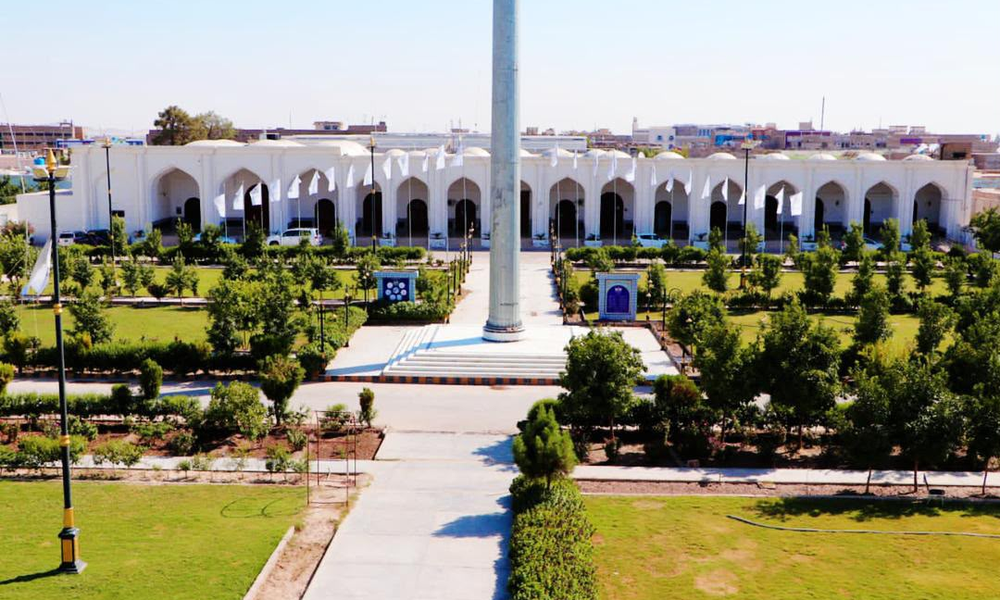
Joint security delegation visits Kandahar to strengthen coordination

US sanctions and blockade measures disrupt Iran’s trade with Afghanistan and regional neighbors

Afghanistan to launch nationwide polio vaccination campaign

Afghanistan futsal team thrash Panama 5-0 in flying start to Dakar Youth Olympics

Iran defends two-day proposal for peace talks after US rejects conditions

Suhail unveiled as official mascot for FIBA Basketball World Cup 2027 in Qatar

Five killed in Turkish military helicopter crash in western Turkiye
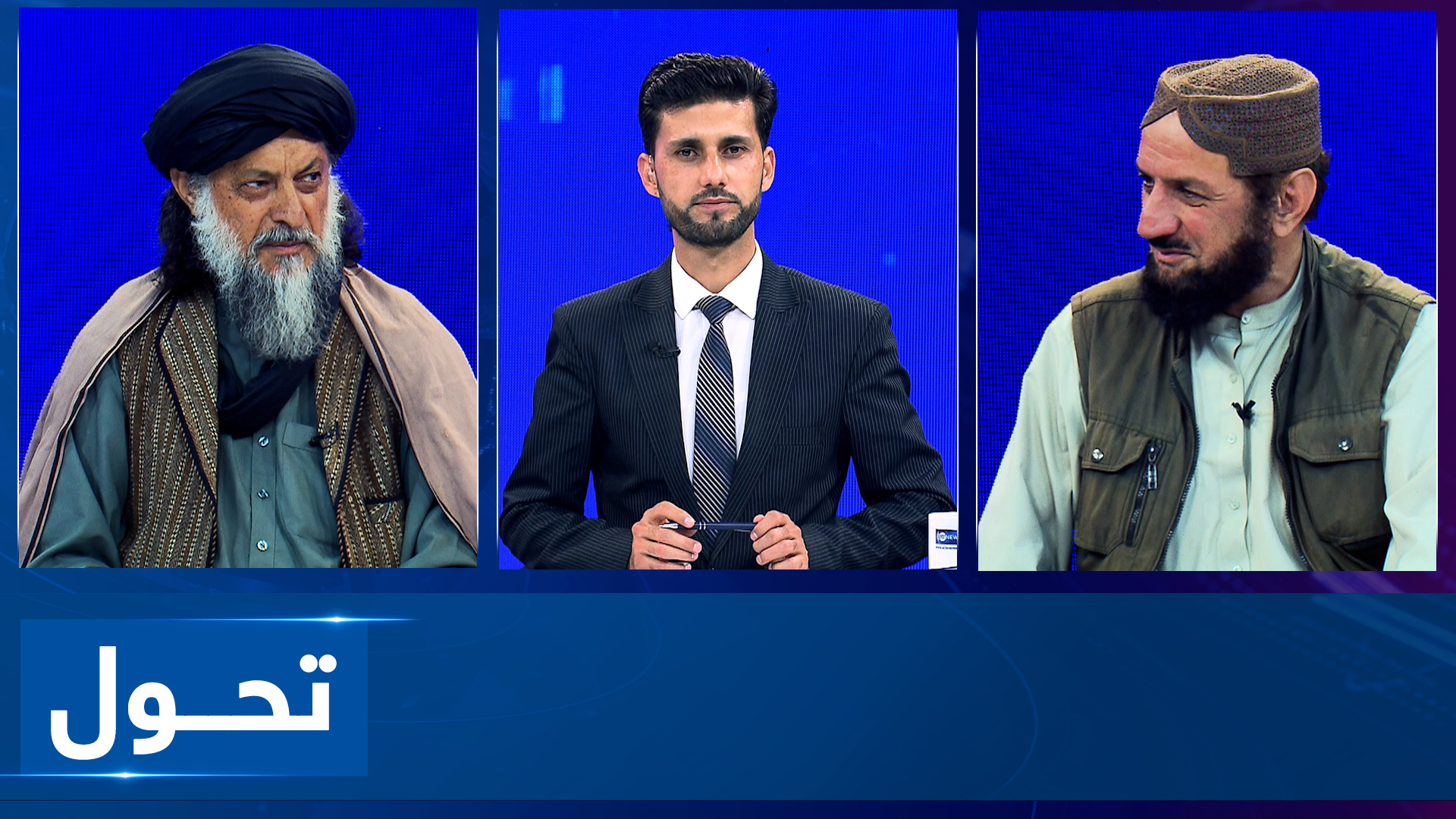
Tahawol: Discussion on shifting views within Pakistan
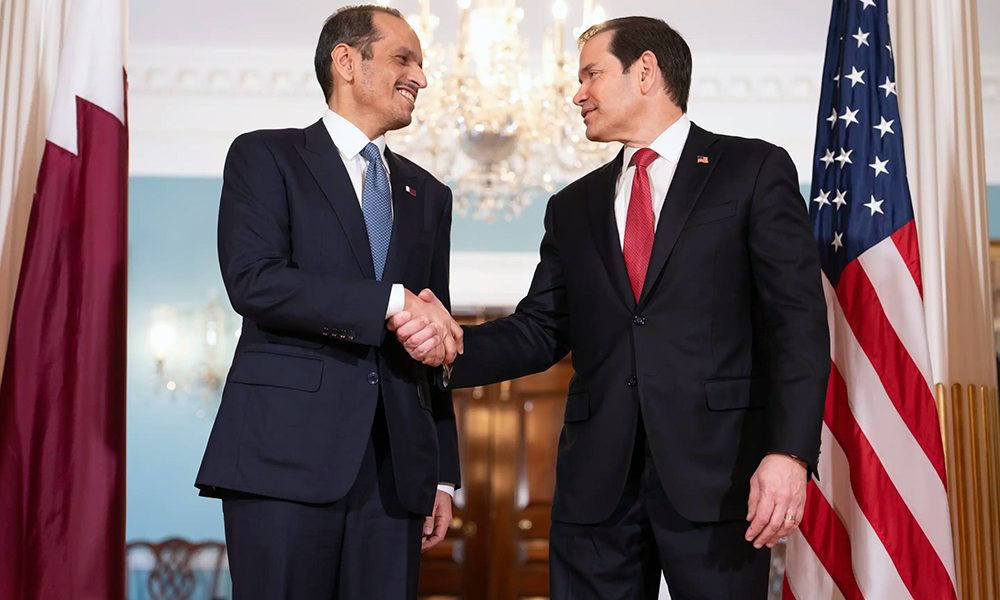
Qatar warns Middle East cannot afford renewed US-Iran escalation
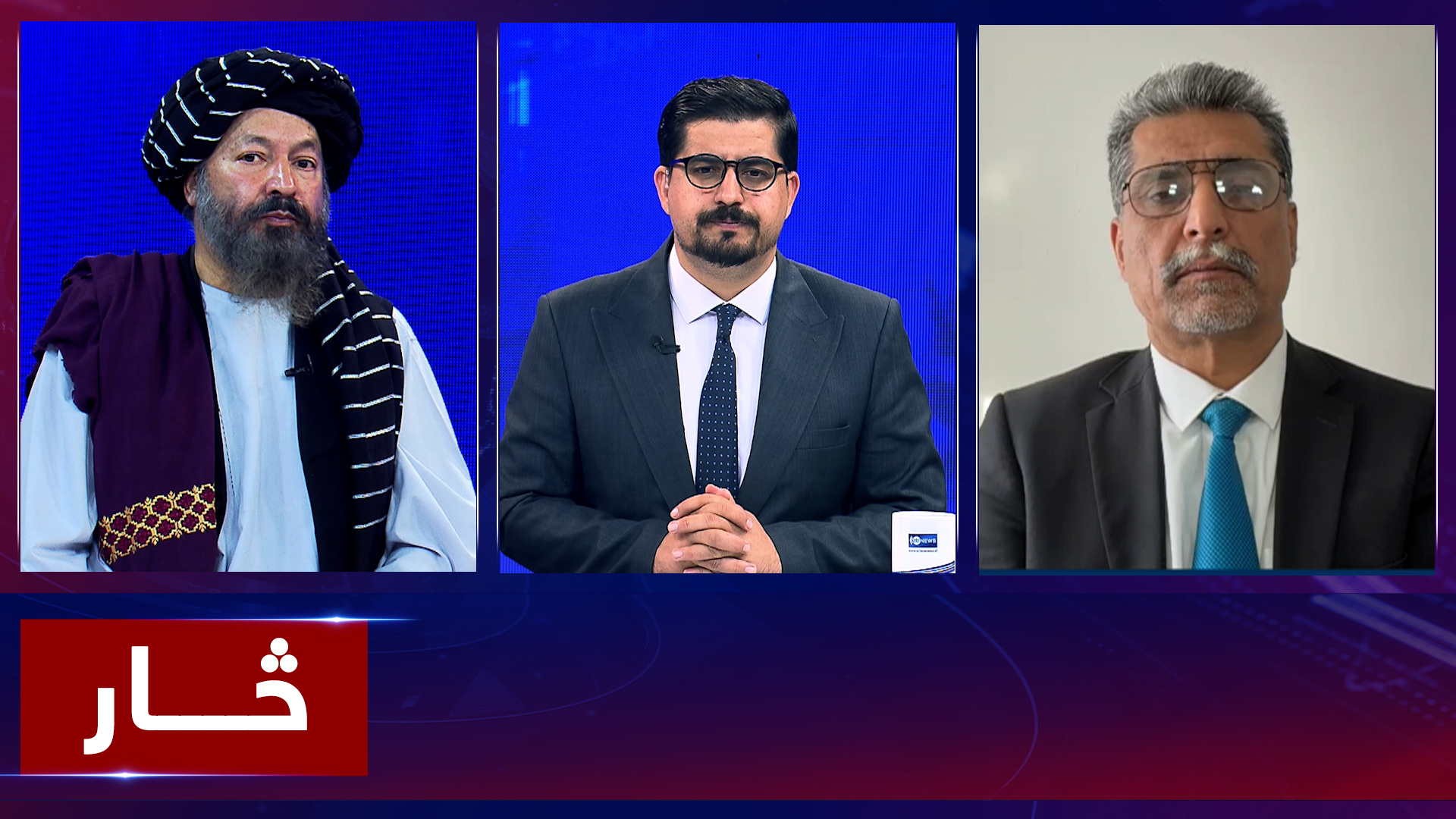
Saar: Return of millions of Afghans to their homeland

Saar: Pakistan FM’s remarks on Afghanistan
-
 Latest News4 days ago
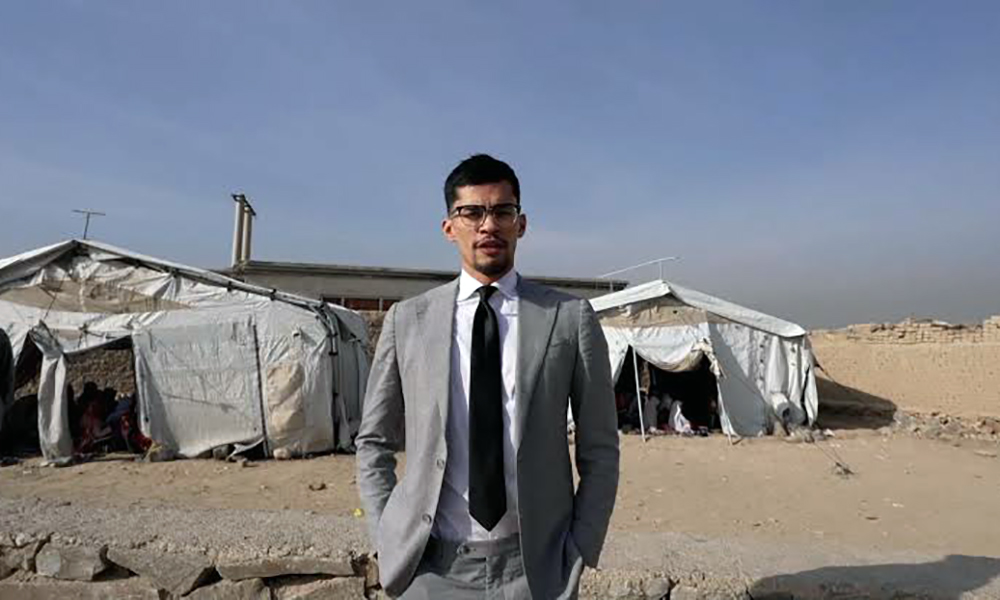
SNEAKO claims US authorities questioned him for eight hours after Afghanistan visit
-
 Latest News4 days ago
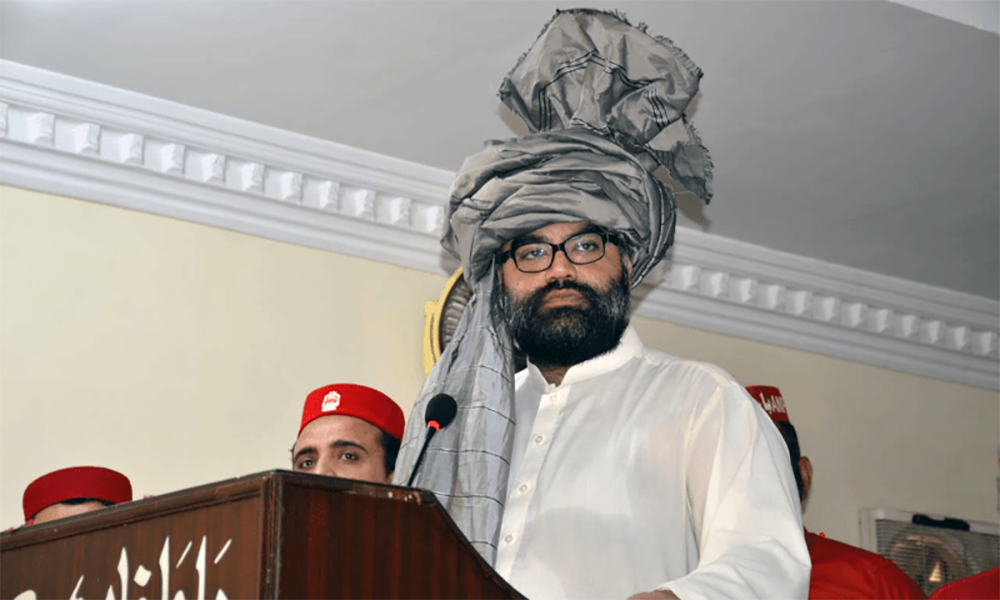
ANP leader calls for reopening of Afghanistan-Pakistan trade routes
-
 Business4 days ago
World Bank warns Afghanistan faces mounting economic and water security challenges
-
 Latest News4 days ago
Global environmental grants programme resumes in Afghanistan
-
 World3 days ago
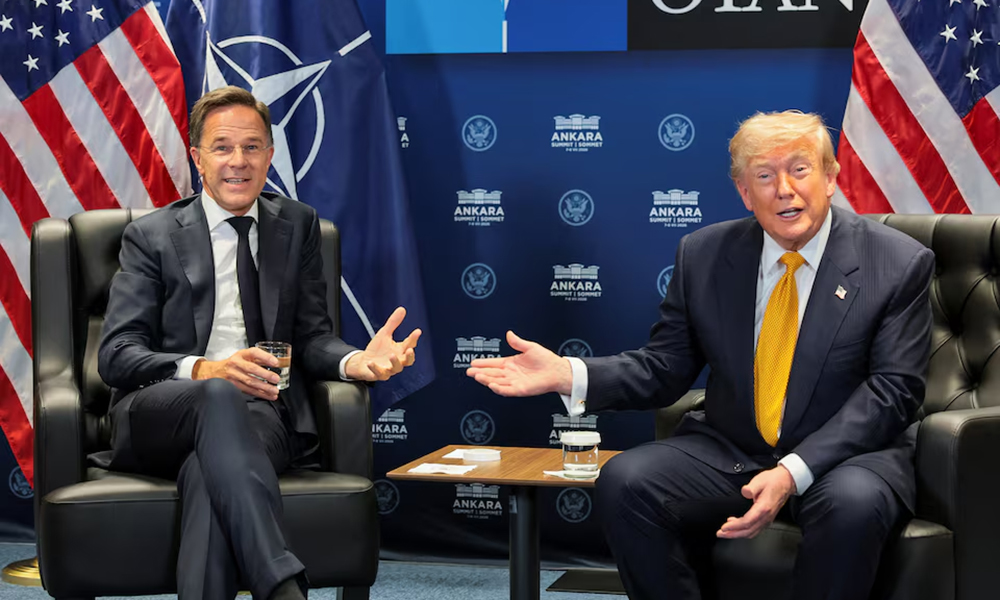
Trump to meet NATO Chief Mark Rutte in Florida amid tensions over Ukraine peace talks
-
 Sport4 days ago
Afghanistan A thrash Hong Kong to register first win at Asia Cup Rising Stars
-
 Sport5 days ago
Afghanistan wins bronze at Asia Rugby Sevens Trophy 2026
-
Regional3 days ago
Qatar warns Middle East cannot afford renewed US-Iran escalation