
World
Hundreds killed in Syrian crackdown on Alawite region, war monitor says

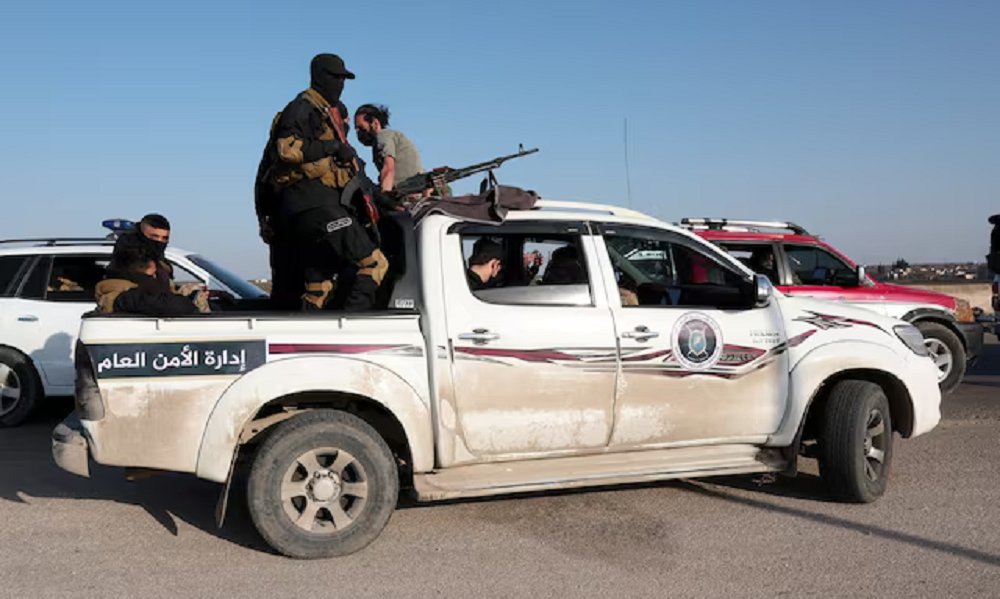
Gunmen and security forces linked to Syria’s new Islamist rulers have killed more than 340 people, including women and children from the Alawite minority, in the country’s coastal region since Thursday, the head of a war monitor said.
Rami Abdulrahman of the Syrian Observatory for Human Rights said the widespread killings in Jableh, Baniyas and surrounding areas in Syria’s Alawite heartland amounted to the worst violence for years in a 13-year-old civil conflict.
The new ruling authority on Thursday began a crackdown on what it said was a nascent insurgency after deadly ambushes by militants linked to former president Bashar al-Assad’s government.
Several dozen members of the security forces have been killed in heavy clashes with militants, a Syrian security official said.
Officials have acknowledged violations during the operation, which they have blamed on unorganized masses of civilians and fighters who sought to support official security forces or commit crimes amid the chaos of the fighting.
A defence ministry source on Saturday told state media that all roads leading to the coast had been blocked to stop violations and help return calm, with security forces deploying in streets of coastal cities.
The source added that an emergency committee set up to monitor violations would refer anyone found not to have obeyed the orders of the military command to a military court.
The reported scale of the violence, which includes reports of an execution-style killing of dozens of Alawite men in one village, puts into further question the Islamist ruling authority’s ability to govern in an inclusive manner, which Western and Arab capitals have said is a key concern.
Assad was overthrown last December after decades of dynastic rule by his family marked by severe repression and a devastating civil war.
Syria’s interim president, Ahmed Sharaa, while backing the crackdown in a televised address late on Friday, said security forces should not allow anyone to “exaggerate in their response… because what differentiates us from our enemy is our commitment to our values.”
“When we give up on our morals, us and our enemy end up on the same side,” he said, adding that civilians and captives should not be mistreated.
Syrian Facebook on Saturday was filled with images and obituaries of people from the coastal area being mourned by family and friends who said they had been killed.
Abdulrahman, a leading critical voice against the Assad-led government who documented its alleged killings for more than a decade, said: “This is not about being pro or against the former Assad regime. These are sectarian massacres that aim to expel the Alawite population from their homes.”
The defence ministry and internal security agency said on Saturday they were trying to restore calm and order and prevent any violations against civilians in the coastal region.
Six residents of the coastal region said thousands of Alawites and Christians had fled their homes since Thursday, fearing for their lives.
Several hundred, mostly women and children and elders, sought refuge at a Russian Mediterranean military base at Hmeimim in Latakia, according to footage from the scene and two people familiar with the matter.
Abdulrahman and four people in the coastal region who spoke on condition of anonymity said killings, looting and burning of homes had continued overnight in Baniyas and in surrounding villages.
Reuters, however, said it cannot independently verify the reports or the assertions.
(Reuters)


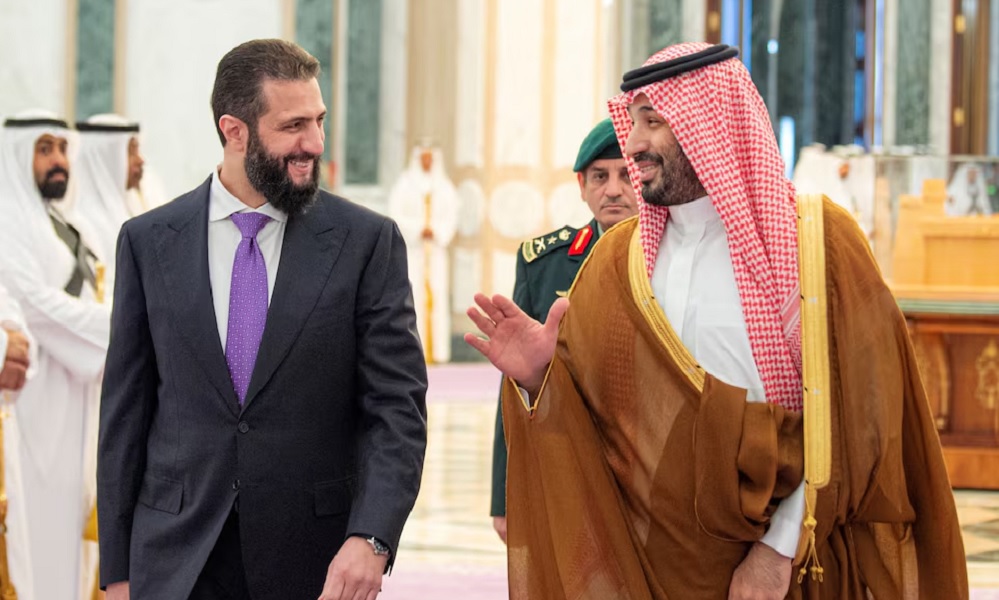

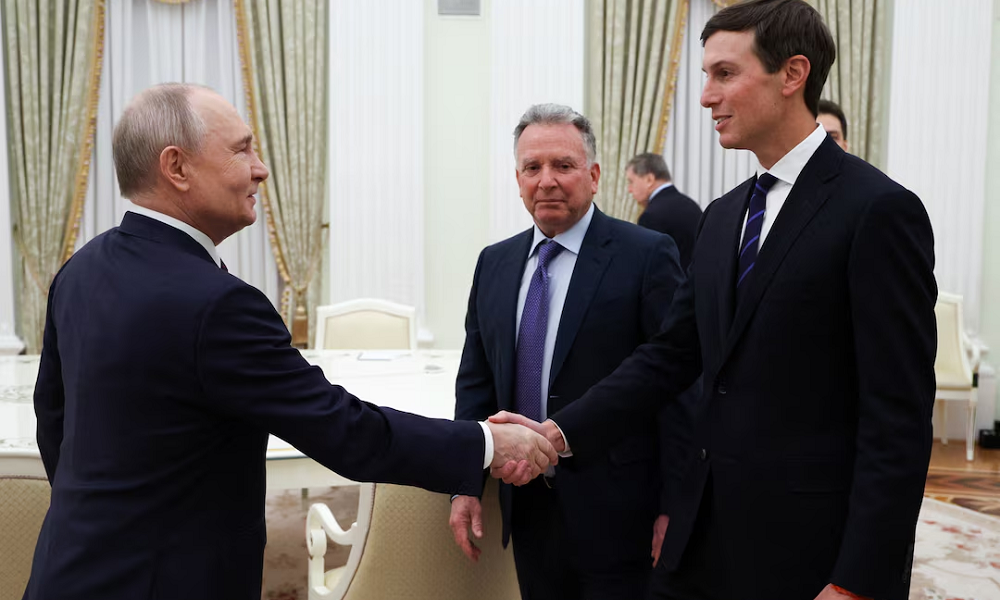
Russian President Vladimir Putin has agreed to include European representatives in the next round of Ukraine peace talks, a US envoy said, while Ukrainian President Volodymyr Zelenskiy welcomed the prospect, calling it an important step towards advancing diplomatic efforts.
US special envoy Steve Witkoff announced the development following his meeting with Putin at the Kremlin on Thursday. He said European participation was important, as the countries were partners in efforts to resolve the conflict.
Witkoff and fellow US envoy Jared Kushner later travelled to Ireland, where they met with Zelenskiy on the sidelines of a European summit in Dublin.
The Ukrainian president welcomed the prospect of European involvement and expressed hope that the next round of negotiations would focus on de-escalation and possible ceasefire arrangements.
Zelenskiy said it was important to remove obstacles to the negotiations and establish an agenda that could help reduce tensions and move the conflict towards a peaceful resolution.
However, Putin stressed that Moscow had never opposed dialogue with European countries, claiming that European governments had been responsible for ending direct engagement with Russia.
The Russian president also warned that deploying Western troops in Ukraine under a potential peace agreement would be considered a security threat by Moscow and could lead to a resumption of hostilities.
Putin urged Washington to work with its European allies to determine whether they genuinely wanted peace or continued conflict in Ukraine.
Meanwhile, Kremlin aide Yuri Ushakov did not confirm European participation in the next round of talks and criticised the current European position on the conflict, describing it as a path towards an endless war.
The latest developments follow two days of trilateral negotiations between Russian, Ukrainian and US representatives in Abu Dhabi, marking the first direct US-mediated talks between Moscow and Kyiv in nine months.
Both sides reported some progress but acknowledged that major disagreements remain, particularly over territorial issues. Russia currently controls about one-fifth of Ukraine, while Kyiv continues to reject surrendering the remaining parts of the eastern Donbas region.
Separately, Zelenskiy raised concerns over restrictions affecting Starshield satellite communications, saying the disruptions had affected the entire front line. The Ukrainian president warned that limitations on the US-made system could have significant implications for Ukraine’s military operations.
The developments highlight continued diplomatic efforts to end the war, although major differences between Russia, Ukraine and their Western partners remain unresolved.
World
Trump says further US attacks on Iran ‘highly unlikely’ as peace talks gain momentum
Although Trump played down the prospect of renewed attacks, he warned that US forces remained prepared to respond if circumstances changed.

US President Donald Trump has said further American military strikes against Iran are “highly unlikely”, signalling a possible shift towards de-escalation as diplomatic efforts to end the conflict gather momentum.
Speaking to reporters at the White House on Monday, Trump said Iran was effectively defeated militarily and suggested Washington was prepared to maintain the current situation while negotiations continued.
“Iran militarily is effectively over,” Trump said, adding that there was “positive momentum” behind efforts to reach an agreement.
“We’re just keeping it the status quo,” he said, explaining that the decision was largely being taken at the request of neighbouring countries.
Although Trump played down the prospect of renewed attacks, he warned that US forces remained prepared to respond if circumstances changed.
“We’re locked and loaded,” he said, while describing further strikes as “highly unlikely”.
The comments come amid growing pressure on the Trump administration to bring the conflict to an end, following bruising midterm election results for Republicans last week.
Several senior party figures, including Vice-President JD Vance, have pointed to the war as a factor behind the party’s poor performance.
Trump had previously indicated that US forces carried out what he described as limited strikes on an Iranian island near the strategically important Strait of Hormuz.
However, in a television interview broadcast on Sunday, he said he currently saw no reason to escalate the military campaign.
He also stopped short of formally declaring the war over, arguing that Washington still had to protect its Gulf allies from possible Iranian attacks.
The US naval blockade of Iranian ports, he suggested, was helping maintain security across the region.
Global oil prices fell further following Trump’s latest remarks, with Brent crude dropping more than 1% to around $91.50 a barrel, while US crude also declined.
Gulf diplomacy intensifies
Trump’s comments followed a meeting with Qatari Prime Minister Sheikh Mohammed bin Abdul Rahman Al Thani at the White House on Monday.
The US president described their discussions as excellent, while the Qatari leader said he had held positive talks with Trump and Vance on reaching an agreement and restoring regional peace.
Diplomatic efforts to end the conflict have largely been conducted through intermediaries since the war erupted following joint US-Israeli strikes against Iran in February.
Saudi Arabia, Qatar and the United Arab Emirates are among Washington’s Gulf partners that have been targeted by Iranian attacks during the conflict, while security concerns have also caused significant disruption to regional air travel.
Political pressure mounts in Washington
Meanwhile, the war is generating further political tensions in Washington.
Republican Congressman Thomas Massie on Monday announced plans to force a House of Representatives vote this week on impeaching Defence Secretary Pete Hegseth over his handling of the conflict.
Hegseth, who has received Trump’s backing, dismissed the threat, describing Massie’s effort as a “sham”.
The impeachment initiative is unlikely to succeed while Republicans retain control of Congress. However, Democrats have indicated they could pursue the matter when the new congressional session begins in January.
For Trump, the challenge is increasingly twofold: finding a diplomatic exit from the conflict while managing mounting political pressure at home and reassuring US allies across the Gulf.
World
First Muslim US senator-elect El-Sayed calls for review of aid to Pakistan
He also called for restrictions on US arms sales to Israel, alleging that some American-supplied weapons were being used in actions involving what he described as genocide and apartheid.
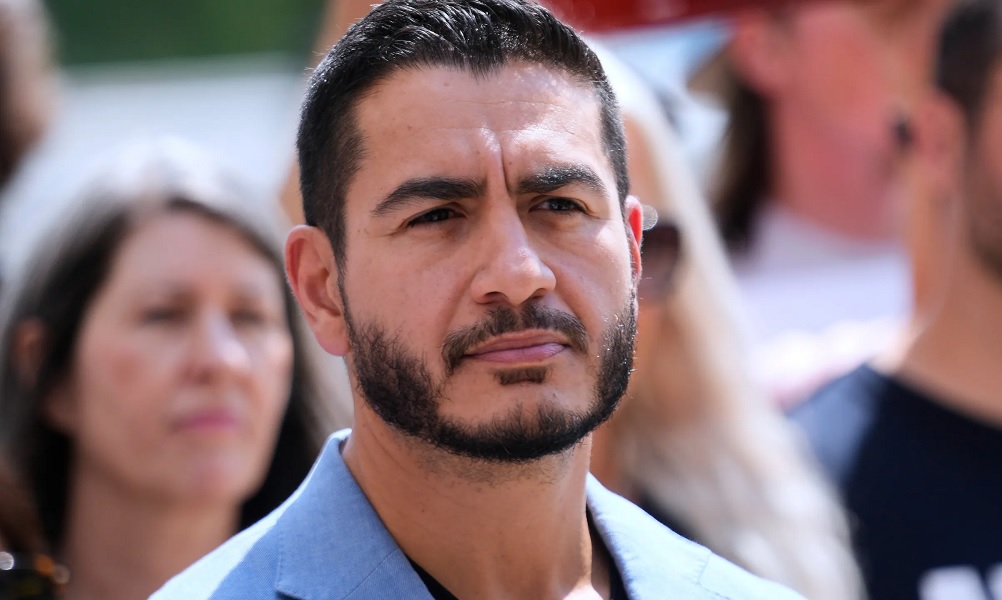
Abdul El-Sayed, the first Muslim elected to the US Senate, has called on Washington to reconsider its financial and military assistance to Pakistan and several other countries, arguing that American taxpayer money should not be used to support violations of international law.
El-Sayed, a Democrat who recently defeated Republican candidate Mike Rogers in Michigan, said the United States must ensure that its foreign assistance policies are consistent with international law.
In an interview with ABC, he stressed that the issue should not be limited to Israel, but should also include Pakistan, Egypt and Jordan.
“When we are giving money to a country that is using our money to violate international law, that seems to me a good place to start,” El-Sayed said.
His remarks come after US President Donald Trump announced plans to end approximately $4 billion in annual military assistance to Israel by the end of the year.
El-Sayed welcomed Trump’s proposal to reduce military aid to Israel, saying he agreed with the president’s approach.
He also called for restrictions on US arms sales to Israel, alleging that some American-supplied weapons were being used in actions involving what he described as genocide and apartheid.
The United States currently provides Israel with $3.8 billion in annual military assistance under an agreement that remains in effect until 2028.
However, El-Sayed’s criticism extends beyond Israel. He has also questioned US military assistance to Egypt, Saudi Arabia, Jordan and Pakistan, arguing that American taxpayer money should instead be directed towards domestic priorities.

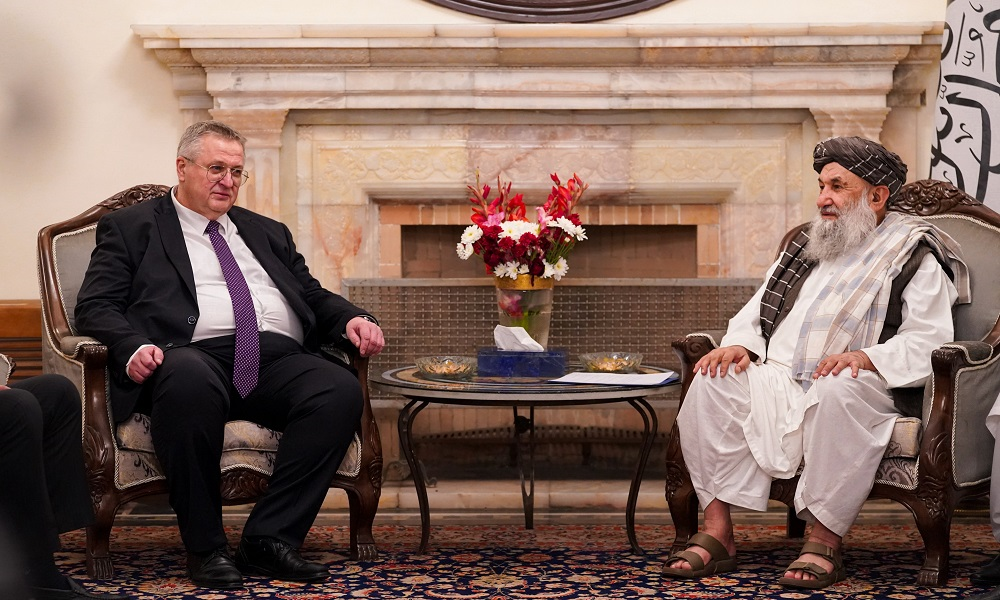
Afghanistan and Russia discuss expanding economic cooperation and boosting investment

Argentina clinch futsal gold after defeating Portugal in Dakar 2026 final
Putin agrees to European role in Ukraine peace talks as Zelenskiy welcomes move
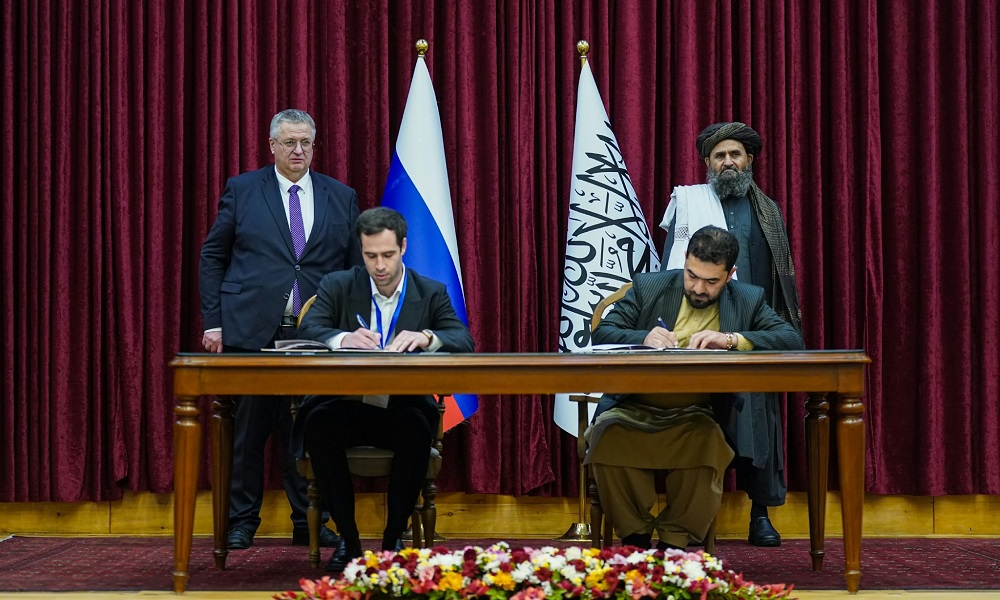
Afghanistan and Russia sign 15 economic cooperation agreements worth $103 million
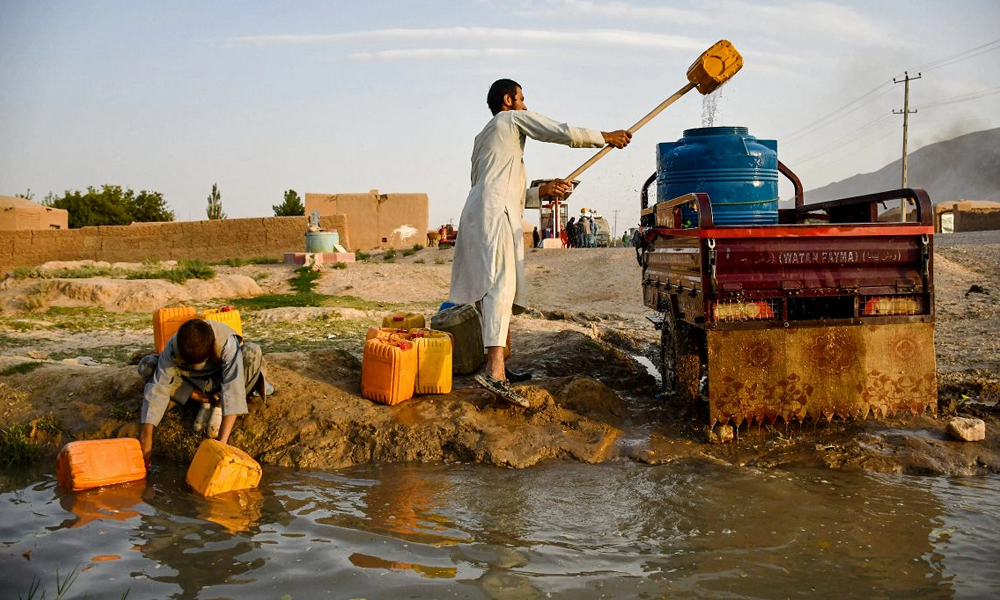
UN warns of deepening water crisis in central Afghanistan amid climate change

Afghanistan finish runners-up after 6-0 defeat to Brazil in futsal final

Trump says US may strike Iran’s ‘Pickaxe Mountain’ nuclear facility

Rubio heads to Central Asia while other US officials hit foreign policy hot spots

Violent protests spread across Europe as Albanian PM blames ‘foreign hand’

Governments take websites offline as critical cyber flaws trigger global alert
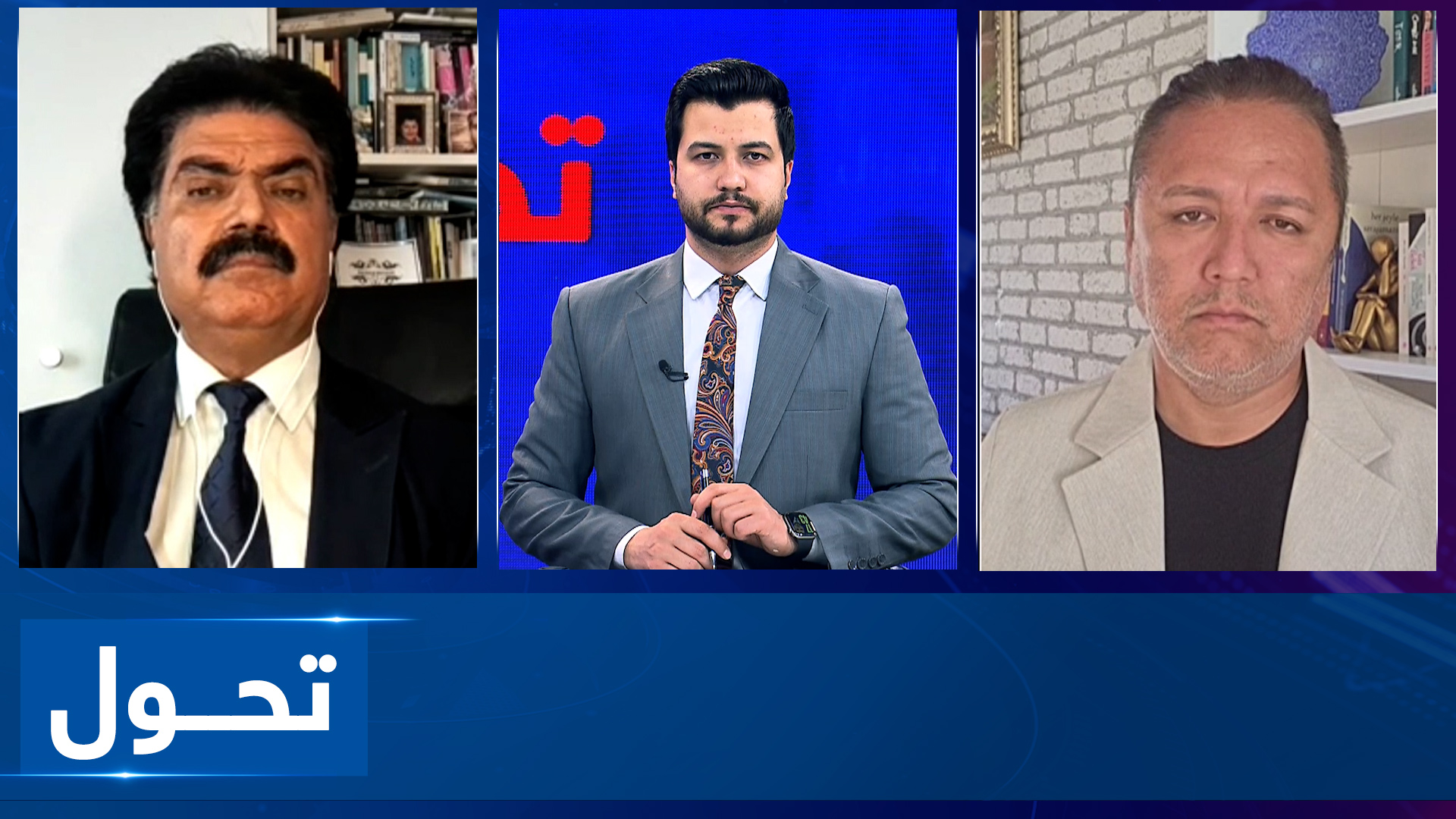
Tahawol: Russia’s special attention to situation in Afghanistan discussed
Saar: Discussion on US’s humiliating defeat in Afghanistan
Tahawol: High-level Russian delegation’s visit to Kabul discussed
Saar: Afghanistan’s situation in focus at CSTO discussed

Tahawol: Efforts to halt deportation of Afghan refugees from US discussed
-
 Sport4 days ago
Portugal beat Afghanistan 2-0 in Dakar Youth Olympics futsal semi-finals
-
 Sport5 days ago
Afghanistan’s record partnership highlights fourth day of Test against Zimbabwe
-
 Sport5 days ago
Afghanistan thrash Senegal 6-0 to reach Dakar Youth Olympics futsal semi-finals
-
World4 days ago
First Muslim US senator-elect El-Sayed calls for review of aid to Pakistan
-
 Regional4 days ago
Iran defends two-day proposal for peace talks after US rejects conditions
-
 Climate Change5 days ago
Afghanistan among world’s five most climate-vulnerable countries
-
 Business4 days ago
Afghanistan approves new foreign investment policy in bid to attract international investors
-
 Latest News5 days ago
Afghanistan needs strong, modern and independent army, says defence chief