
Latest News
Uzbekistan calls for international dialogue with Islamic Emirate of Afghanistan
Kamilov called for inclusive dialogue involving Islamic Emirate representatives in international forums. He said a one-sided dialogue is meaningless.

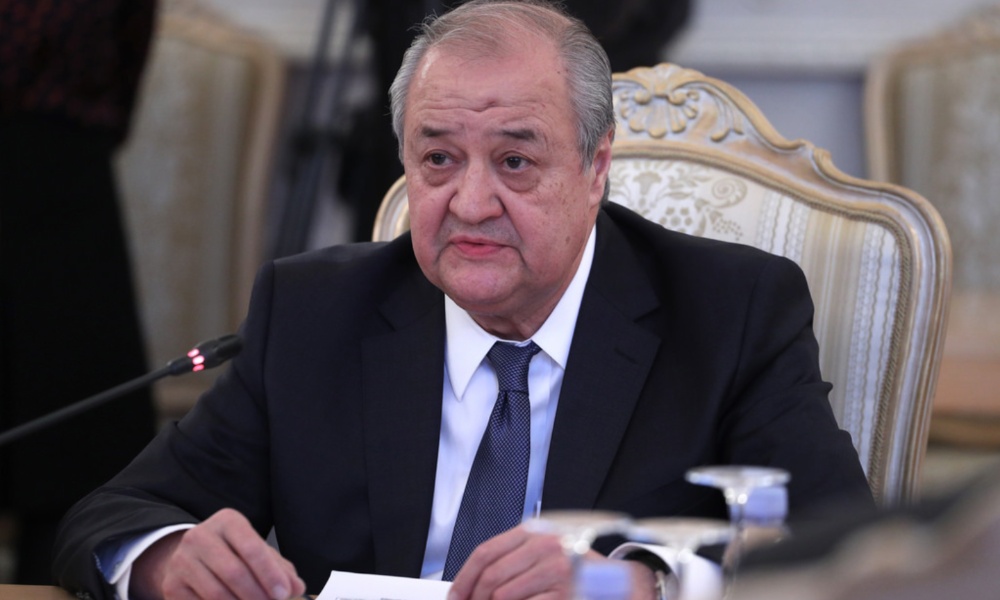
Uzbekistan continues to follow a pragmatic and principled approach in its relations with Afghanistan, advocating for international dialogue with the Islamic Emirate rather than rushing to formal recognition.
This was underscored by Abdulaziz Kamilov, Deputy Secretary of the Security Council and Special Representative of the Uzbekistan President for Foreign Policy, in a recent interview with Ishonch.uz.
Kamilov clarified that Uzbekistan’s stance is not about immediate recognition.
“It’s not about whether we recognize them or not. Recognition will come in time — but only in coordination with the international community, especially the UN.”
He emphasized the deep historical and cultural ties between the Uzbek and Afghan peoples, noting shared heritage through figures like Al-Biruni, Navoi, and Babur.
As a symbol of goodwill, he cited the Islamic Emirate’s donation of white marble from Herat for the restoration of the Imam al-Bukhari Memorial Complex in Uzbekistan.
“This gesture shows our spiritual closeness. What other country would do that?”
Kamilov argued that Afghanistan, having endured over four decades of war, needs support—not external pressure.
“Foreign powers came, destroyed, and dictated how Afghanistan should be run. But what this nation needs now is help, not judgment.”
He also pointed out that Uzbekistan had long encouraged the previous Afghan government to engage with opposition forces. When those efforts were ignored, Uzbekistan prepared for alternative outcomes by initiating dialogue with the Islamic Emirate — an approach that is now being recognized by other countries seeking similar access.
Kamilov called for inclusive dialogue involving Islamic Emirate representatives in international forums.
“A one-sided dialogue is meaningless. They must be heard, whether we agree with them or not.”
Drawing a parallel to Yasser Arafat’s transformation from global pariah to peace prize laureate, Kamilov concluded: “When one person experiences trauma, we send help. Afghanistan is a nation traumatized by decades of conflict. It needs professional support and genuine engagement.”

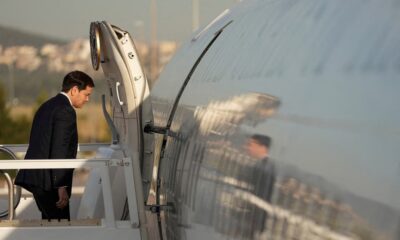

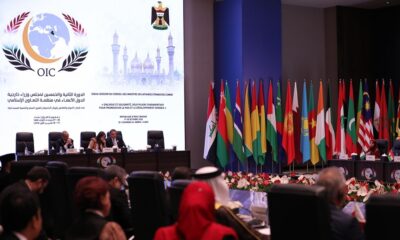


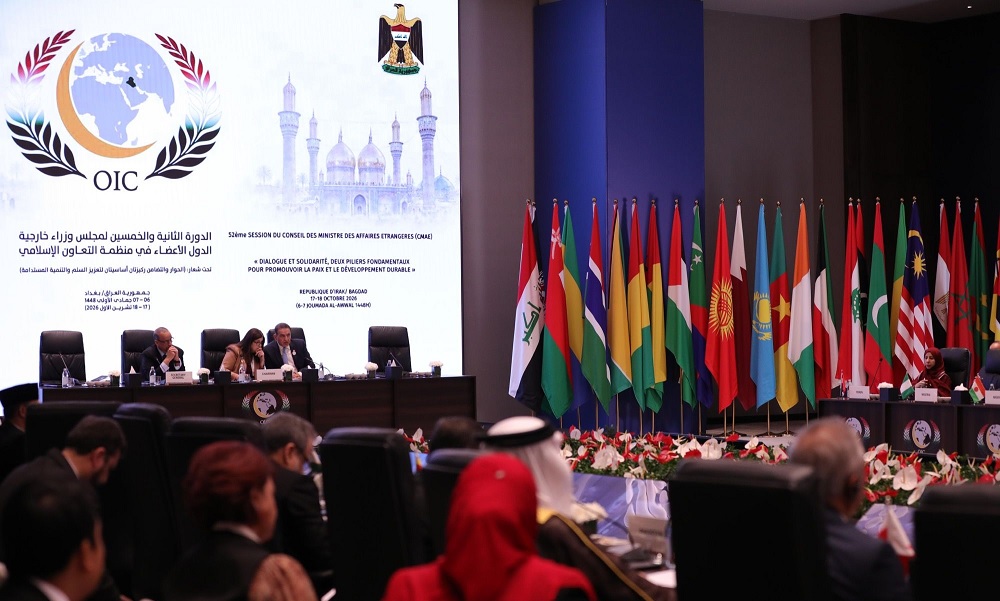
“In Afghanistan, we will continue dialogue with the de facto authorities on the rights of women and girls to education and work, based on Islamic values, and support the humanitarian and economic needs of the Afghan people,” he said addressing the OIC Council of Foreign Ministers in Baghdad, Iraq.
At the meeting, Turkish Foreign Minister Hakan Fidan also said the situation in Afghanistan, Sudan and Somalia was challenging and should be at the top of the meeting’s agenda.
Latest News
Mullah Baradar urges UNAMA not to overlook Afghanistan’s economic and security achievements
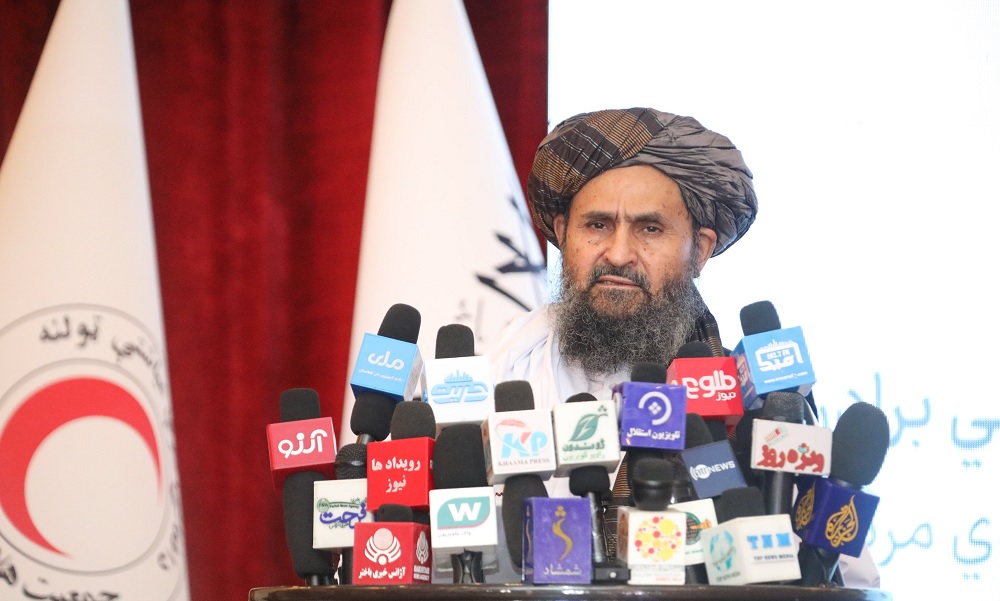
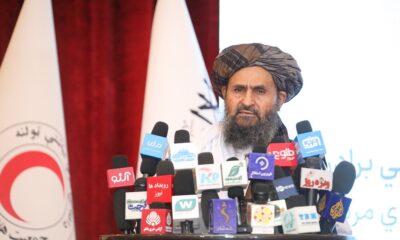
Mullah Abdul Ghani Baradar, the Islamic Emirate of Afghanistan’s Deputy Prime Minister for Economic Affairs, has urged the United Nations Assistance Mission in Afghanistan (UNAMA) to publish its reports on Afghanistan impartially, taking the country’s realities into account and not overlooking its economic and security achievements.
He made the remarks on Sunday at a ceremony organised by the Afghan Red Crescent Society to mark the special week dedicated to supporting people in need.
Baradar said: “It is not fair for Afghanistan’s economic and security achievements to be ignored in reports, while UNAMA, as an opposing and hostile party, focuses on the negative aspects.”
The deputy prime minister for economic affairs said many Afghans were facing a severe economic and humanitarian crisis due to recent droughts, seasonal floods, earthquakes and the forced return of thousands of families to the country. He said addressing these challenges required serious attention.
He called on wealthy individuals, traders, investors, charitable organisations and international humanitarian agencies to provide practical assistance and cooperate with the Afghan Red Crescent Society.
Meanwhile, Noorulhaq Anwar, head of the General Directorate of Administrative Affairs, called on Afghanistan’s neighbouring countries to stop harassing and suppressing Afghans and depriving them of economic opportunities.
Referring to relations between neighbours, Anwar said neighbours should help reduce one another’s difficulties rather than make people’s lives harder through economic pressure.
Without naming any specific country, Anwar added that Afghanistan’s neighbours were still harassing and suppressing Afghans and depriving them economically.
Latest News
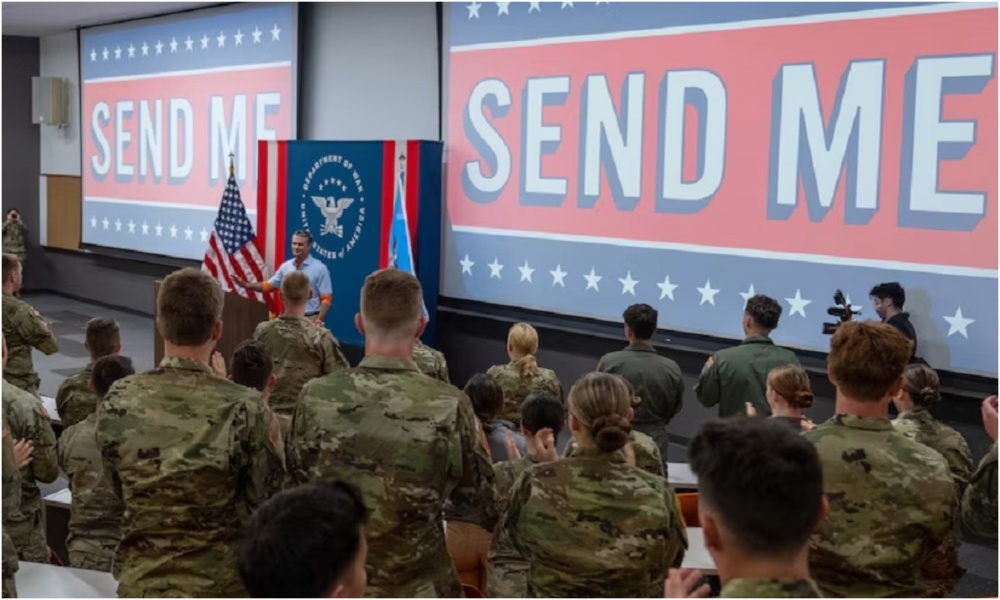
Hegseth says only a few NATO allies were involved in fighting in Afghanistan
Recalling his deployment to Afghanistan, Hegseth said he would visit NATO headquarters in Kabul, where the flags of around 50 countries were displayed.


ACL: League leaders Sorkh Poshan claim another 3 points

Tahawol: Afghanistan’s empty seat at OIC Meeting

Toofan Herat beat Istiqlal Kabul 2-0 in Afghanistan Champions League clash

Saar: Islamic Emirate–Pakistan clashes discussed

Dogharoun border handling 70% of Iran’s exports to Afghanistan

Cricket Bonanza: Afghanistan set for packed international schedule

Afghanistan says 28 killed, 32 captured in Nuristan operation

Silk Road highway in Wakhan corridor now reaches the China border

CNN, MS NOW and Politico sue Trump, challenging White House ban

Dogharoun handles 60% of Iran’s exports to Afghanistan
Tahawol: Afghanistan’s empty seat at OIC Meeting
Saar: Islamic Emirate–Pakistan clashes discussed

France rocked by nationwide clashes, looting and fires

Tahawol: Russian economic delegation’s visit to Kabul

Saar: Discussion on harsh criticism of Pakistan at Moscow meeting
-

 Sport5 days ago
Afghan futsal coach: Brazil tournament is first step towards new goals and World Cup
-
 Latest News5 days ago
Afghan official says Durand Line crossings to remain closed until Islamabad accepts demands
-
 Latest News4 days ago
India, Russia hold security talks on Afghanistan and Pakistan amid regional tensions
-
 Latest News5 days ago
Afghan farmers adopt climate-resilient innovations to improve food security
-
 Latest News5 days ago
Guterres proposes 60 job cuts at UNAMA
-
 Latest News4 days ago
Uzbekistan gains ground in Afghanistan’s flour market as Kazakhstan loses exports
-
 Regional5 days ago
Saudi Aramco administrative building attacked, limited fire reported
-
 World5 days ago
Yemen hospitals overwhelmed by surge in war casualties, Red Cross warns