
Latest News
Trump’s travel ban on 12 countries goes into effect early Monday
The countries affected by the latest travel ban are Afghanistan, Myanmar, Chad, Republic of the Congo, Equatorial Guinea, Eritrea, Haiti, Iran, Libya, Somalia, Sudan and Yemen.

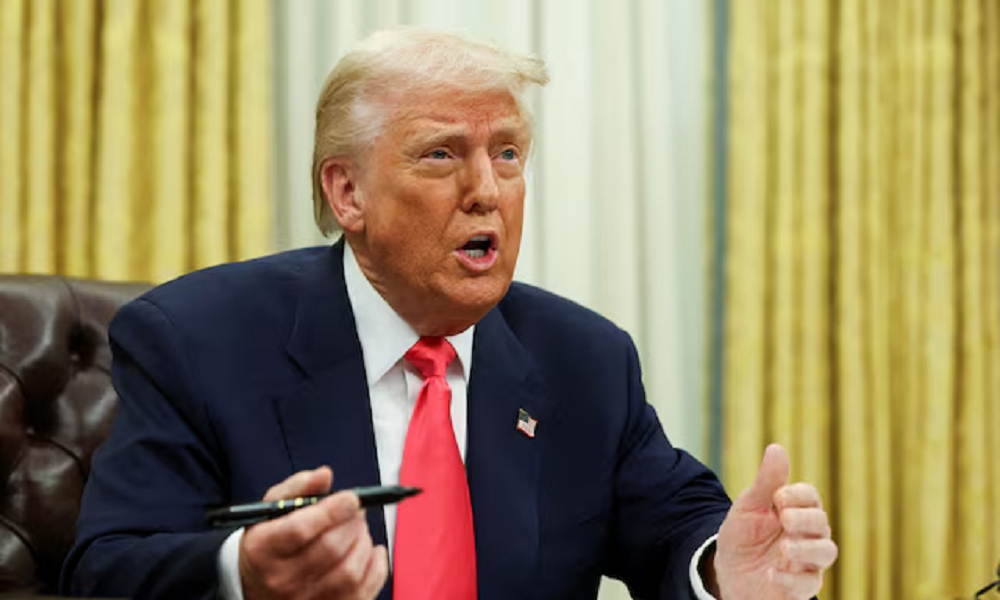
U.S. President Donald Trump’s order banning citizens of 12 countries from entering the United States goes into effect at 12:01 am ET (0401 GMT) on Monday, a move the president promulgated to protect the country from “foreign terrorists.”, Reuters reported.
The countries affected by the latest travel ban are Afghanistan, Myanmar, Chad, Republic of the Congo, Equatorial Guinea, Eritrea, Haiti, Iran, Libya, Somalia, Sudan and Yemen.
The entry of people from seven other countries – Burundi, Cuba, Laos, Sierra Leone, Togo, Turkmenistan and Venezuela – will be partially restricted.
Trump, a Republican, said the countries subject to the most severe restrictions were determined to harbor a “large-scale presence of terrorists,” fail to cooperate on visa security, have an inability to verify travelers’ identities, as well as inadequate record-keeping of criminal histories and high rates of visa overstays in the United States.
He cited last Sunday’s incident in Boulder, Colorado, in which an Egyptian national tossed a gasoline bomb into a crowd of pro-Israel demonstrators as an example of why the new curbs are needed. But Egypt is not part of the travel ban, read the report.
The travel ban forms part of Trump’s policy to restrict immigration into the United States and is reminiscent of a similar move in his first term when he barred travelers from seven Muslim-majority nations.
Officials and residents in countries whose citizens will soon be banned expressed dismay and disbelief.
Chad President Mahamat Idriss Deby Itno said he had instructed his government to stop granting visas to U.S. citizens in response to Trump’s action.
“Chad has neither planes to offer nor billions of dollars to give, but Chad has its dignity and its pride,” he said in a Facebook post, referring to countries such as Qatar, which gifted the U.S. a luxury airplane for Trump’s use and promised to invest billions of dollars in the U.S.
Afghans who worked for the U.S. or U.S.-funded projects and were hoping to resettle in the U.S. expressed fear that the travel ban would force them to return to their country, where they could face reprisal from the Islamic Emirate, Reuters reported.
Democratic U.S. lawmakers also voiced concern about the policies.
“Trump’s travel ban on citizens from over 12 countries is draconian and unconstitutional,” said U.S. Representative Ro Khanna on social media late on Thursday. “People have a right to seek asylum.”


Latest News
Russian deputy prime minister to visit Kabul with high-level economic delegation
The visit aims to strengthen economic and trade relations between Afghanistan and Russia, explore investment opportunities and discuss potential joint economic projects.

Russian Deputy Prime Minister Alexei Overchuk is scheduled to visit Kabul on Thursday, leading a high-level economic delegation, Afghanistan’s Ministry of Foreign Affairs has announced.
According to a statement by the ministry, the visit aims to strengthen economic and trade relations between Afghanistan and Russia, explore investment opportunities and discuss potential joint economic projects.
The visit is expected to provide an opportunity for officials from both countries to discuss ways of expanding bilateral economic cooperation and identifying new areas for trade and investment.
The ministry did not provide further details about the delegation’s programme or the specific projects expected to be discussed during the visit.
Latest News
UNESCO warns Afghanistan risks losing an entire generation of professionals as girls’ education ban continues
An estimated 2.4 million girls in Afghanistan are currently excluded from secondary education, while no girls enrolled in universities in 2026.
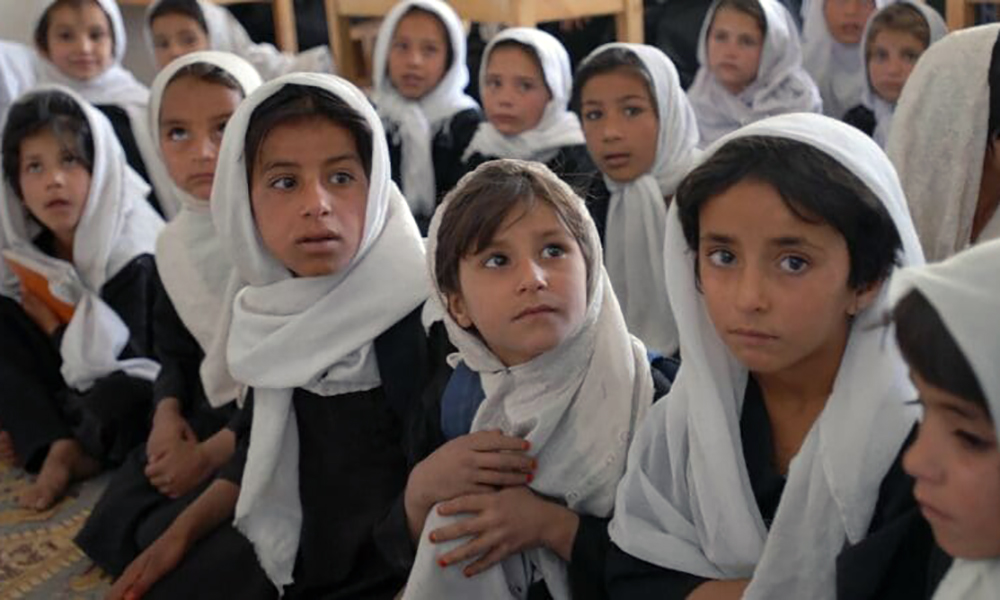
The United Nations Educational, Scientific and Cultural Organization (UNESCO) has warned that continued restrictions on girls’ and women’s education in Afghanistan could deprive the country of an entire generation of skilled professionals, particularly in education, healthcare and other essential sectors.
Hoda Jaberian, UNESCO’s Education in Emergencies Programme Coordinator, said Afghanistan cannot afford to lose another generation of learners, stressing the urgent need to restore access to education for girls and women.
According to a United Nations report published in November, an estimated 2.4 million girls in Afghanistan are currently excluded from secondary education, while no girls enrolled in universities in 2026.
Since the Islamic Emirate of Afghanistan returned to power in 2021, girls have been barred from attending secondary schools beyond Grade Six. Restrictions were further expanded in December 2022, when women were prohibited from attending universities, followed by a ban on women’s education at medical institutions in December 2024.
Jaberian emphasized that the immediate priority must be reopening schools to girls and allowing women to return to the formal education system, noting that alternative learning opportunities cannot replace regular schooling.
She also called for greater support for teachers, improved educational materials, stronger teaching standards and better data collection and planning to strengthen Afghanistan’s education system.
UNESCO warns that prolonged restrictions could have serious consequences for Afghanistan’s future, limiting the country’s ability to train the teachers, doctors and other qualified professionals needed for national development.
Latest News
Afghan embassy in Kuwait discusses situation of Afghan prisoners with Kuwaiti officials
During the meeting, both sides held constructive discussions on the condition of Afghan prisoners in Kuwait.
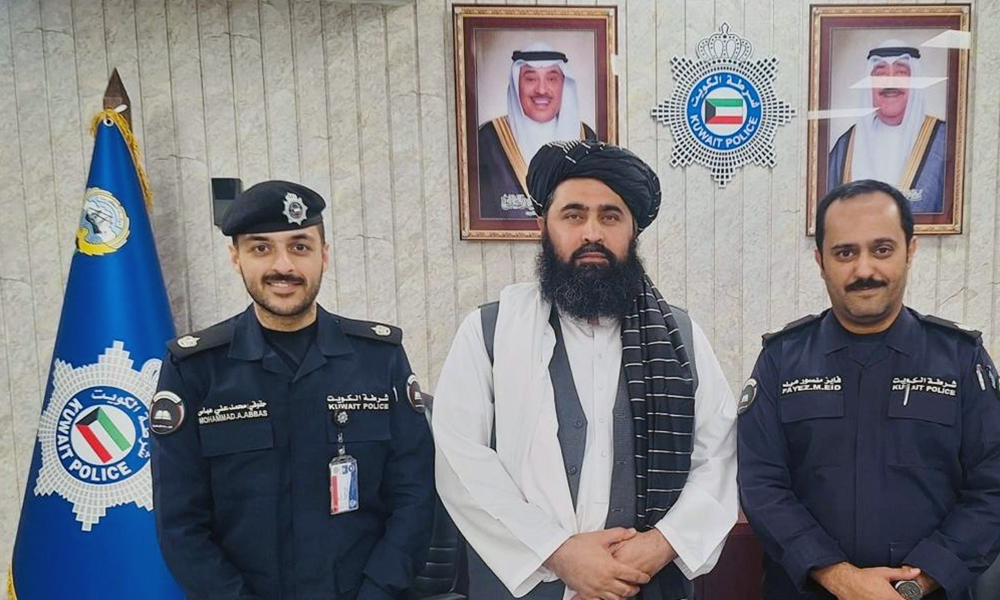
The acting head of Afghanistan’s Embassy in Kuwait, Mohammad Shafiq Khatib, has met with senior Kuwaiti officials to discuss the situation of Afghan nationals held in Kuwaiti prisons.
According to a statement from the Afghan Embassy in Kuwait, Khatib met with Abu Fahad Mansour Fayez Al-Barrak, Deputy Director of Kuwait’s Prisoners Affairs Department, and Ali Abbas, an official responsible for legal affairs.
During the meeting, both sides held constructive discussions on the condition of Afghan prisoners in Kuwait.
The embassy did not provide further details about the specific issues raised or any agreements reached during the meeting.
The meeting comes as part of diplomatic engagement between Afghanistan and Kuwait on matters concerning Afghan nationals and their welfare abroad.


Russian deputy prime minister to visit Kabul with high-level economic delegation

Historic first for Rahmat Shah after ICC rankings update
UNESCO warns Afghanistan risks losing an entire generation of professionals as girls’ education ban continues
Afghan embassy in Kuwait discusses situation of Afghan prisoners with Kuwaiti officials
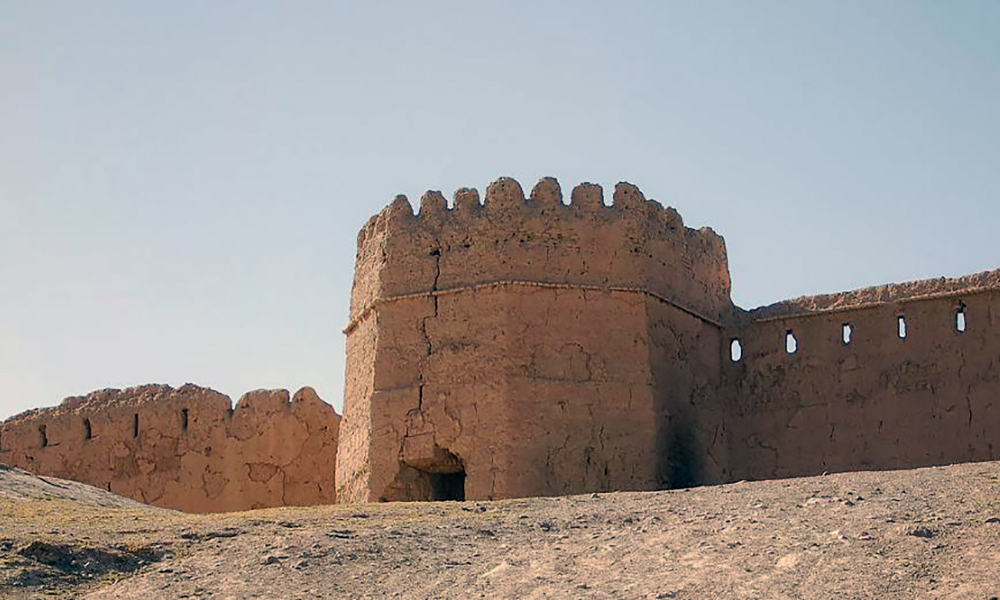
Ancient treasures unearthed at Kabul’s historic Bala Hissar

Afghanistan finish runners-up after 6-0 defeat to Brazil in futsal final

Trump says US may strike Iran’s ‘Pickaxe Mountain’ nuclear facility

Afghan futsal coach: Brazil tournament is first step towards new goals and World Cup

Violent protests spread across Europe as Albanian PM blames ‘foreign hand’

Rubio heads to Central Asia while other US officials hit foreign policy hot spots

Tahawol: Efforts to halt deportation of Afghan refugees from US discussed
Saar: Russia’s stance on Afghanistan discussed

Trump says further US attacks on Iran ‘highly unlikely’ as peace talks gain momentum
Tahawol: Geopolitical developments in the Middle East
Saar: EU’s engagement with Afghanistan
-
 Sport3 days ago
Afghanistan’s record partnership highlights fourth day of Test against Zimbabwe
-
 World3 days ago
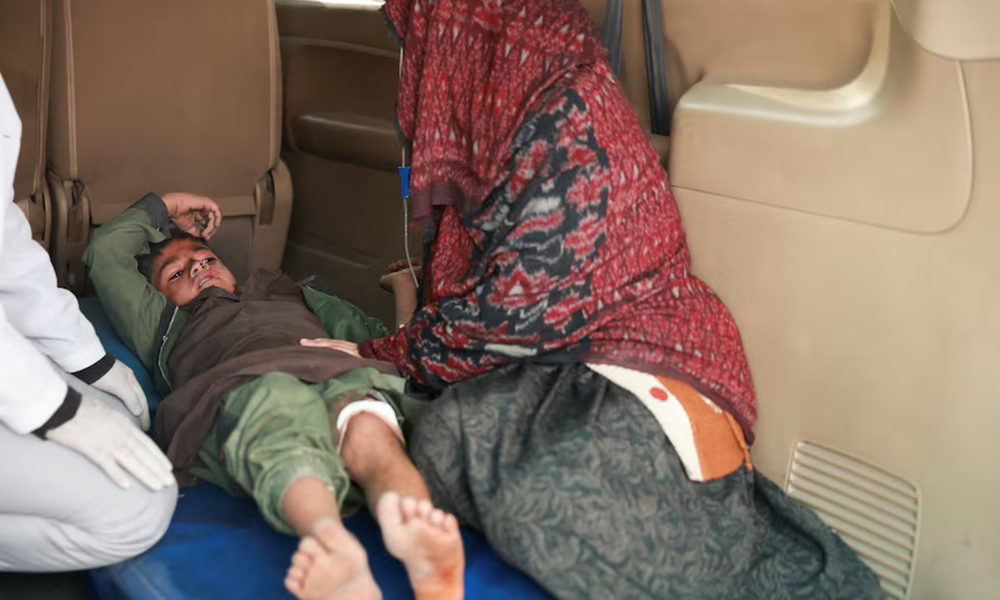
Houthi-run health ministry says airstrikes kill 33 near Yemen capital
-
 Sport5 days ago
Abu Muslim Farah claim convincing 3-0 win over Omar Zawak in ACL
-
 Regional4 days ago
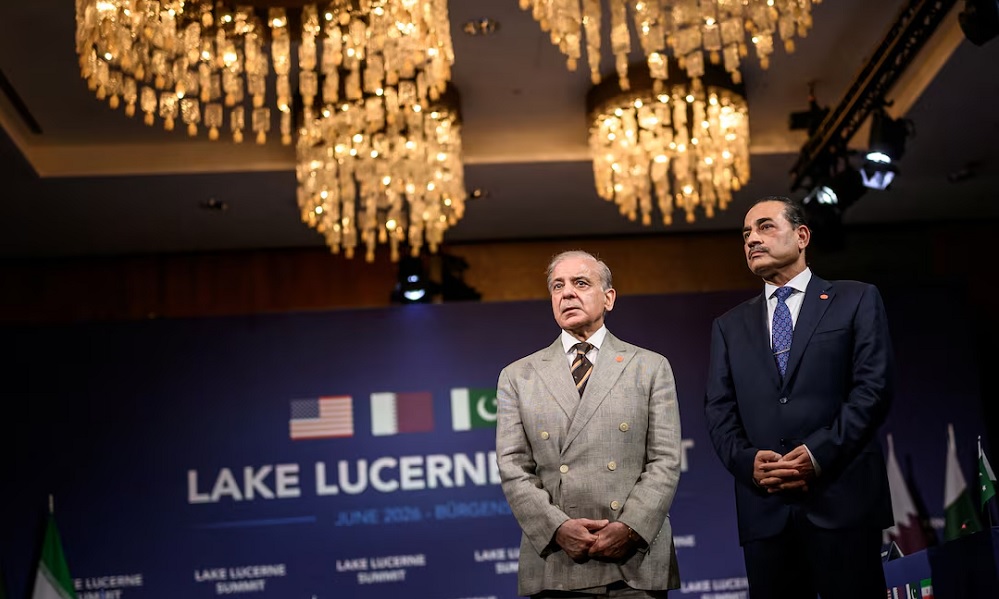
Pakistan’s leaders dread US Democrats’ win but its households are praying for it
-
 Sport4 days ago
Toofan Herat defeat Arman FC 2–0 in Afghanistan Champions League
-
 Sport3 days ago
Afghanistan thrash Senegal 6-0 to reach Dakar Youth Olympics futsal semi-finals
-
 Sport2 days ago
Portugal beat Afghanistan 2-0 in Dakar Youth Olympics futsal semi-finals
-
 Business4 days ago
UK-Afghanistan trade falls 16.7% to £70 million over 12 months