
Latest News
Abdullah introduces list of cabinet nominees to Presidential Palace

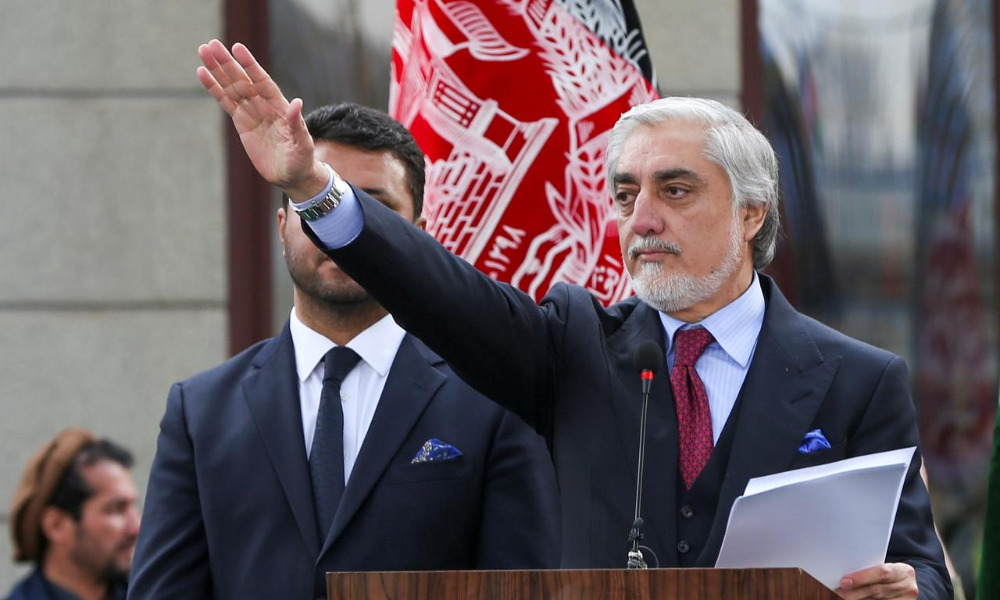
Abdullah Abdullah, the Chairman of the High Council for National Reconciliation has introduced a list of cabinet nominees to the Presidential Palace.
Sources close to Abdullah, however, say that there are still differences over the proposed list between Abdullah front-rows over seat distribution.
Figures listed as candidates for the designated-ministers; Massoud Andarabi for the Ministry of Interior Affairs, Fazl Ahmad Manavi for Ministry of Justice, Anwar al-Haq Ahadi for Ministry of Agriculture, Noor Rahman Akhlaqi for Ministry of Immigration, Mohebullah Samim for Ministry of Borders and Tribal Affairs, Mostafa Mastoor for Ministry of Peace, Masoumah Khavari for Ministry of Communications, Nisar Ahmad Ghoriani for Ministry of Commerce, Mansour Saadat Naderi for Ministry of Economy, Bashir Ahmad Tahianj for Ministry of Labor and Social Affairs, Kanishka Turkestani for Ministry of Higher Education, Abbas Basir for Ministry of Transport and Najib Agha Fahim, Candidate for Ministry of Martyrs and Disabled.
The list of ministerial nominees for Abdullah Abdullah’s share, however, has clashed within his party members.
Sources close to Abdullah say that the National Movement Party wants three ministries from Abdullah’s share and does not agree with this list.
According to sources, the National Movement has nominated Bashir Ahmad Tahianj for the Ministry of Agriculture, Qudratullah Zaki for the Ministry of Transportation and Kanishka Turkestani for the Ministry of Immigration.
But some other figures close to Abdullah deny the disagreements within the group.
On the other hand, the Independent Directorate of Local Governance says that 11 new provincial governors have been nominated by the president so far and that this process will continue. Abdullah Abdullah, according to the power-sharing agreement between him and Ghani, can introduce 50% of the Afghan cabinet members.
Arg and Sapidar Palace have not officially commented on the matter.

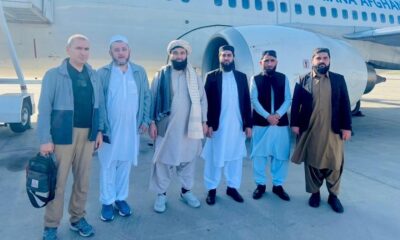




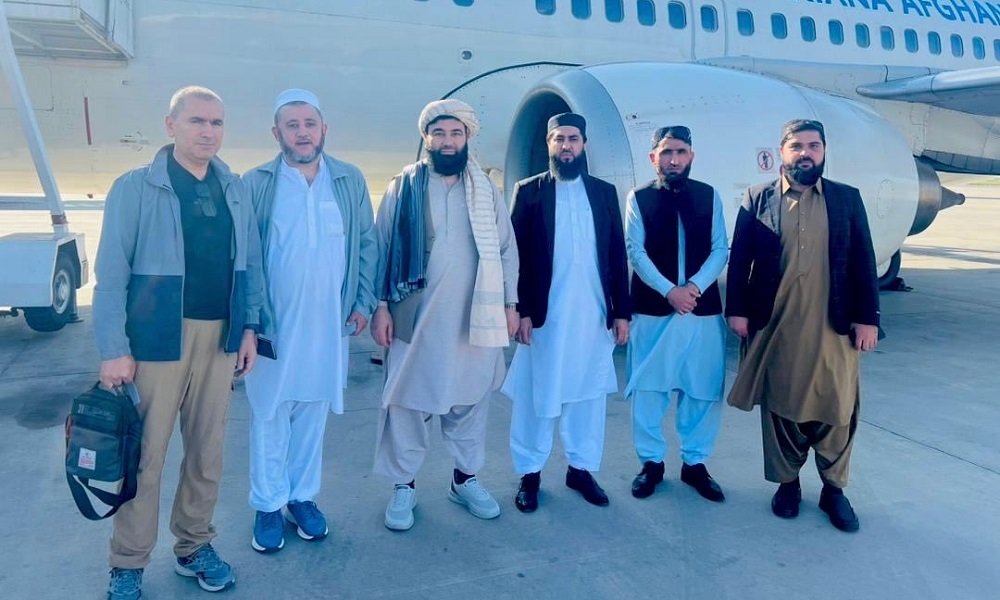
An Afghan delegation led by Hamdullah Zahid, Deputy Minister for Food and Drug at the Ministry of Public Health, has traveled to Russia to facilitate pharmaceutical imports and strengthen bilateral cooperation.
According to officials, the visit aims to expand strategic ties between Afghanistan and Russia, particularly in the regulation and supply of medicines and food products.
A key focus is to create effective mechanisms that enable Afghan traders to import high-quality, safe, and reliable pharmaceutical and food items.
During the trip, the delegation is expected to hold talks with Russian regulatory authorities overseeing pharmaceutical and health products. Discussions will center on aligning standards, simplifying registration processes, improving quality control systems, and establishing practical frameworks for cooperation.
The delegation will also visit leading pharmaceutical manufacturing companies in Russia to assess production capacity, explore advanced technologies in drug manufacturing and quality assurance, and identify opportunities for joint investment.
Officials say the visit is intended to promote knowledge exchange, enhance technical capacity, and pave the way for stronger collaboration in pharmaceutical production and import sectors between the two countries.
Latest News
Pakistan’s Achakzai pushes for Afghanistan dialogue amid economic strain
Despite tensions, Achakzai noted that Afghanistan remains heavily reliant on Pakistani imports, warning that Islamabad’s policies have undermined its own economic interests.
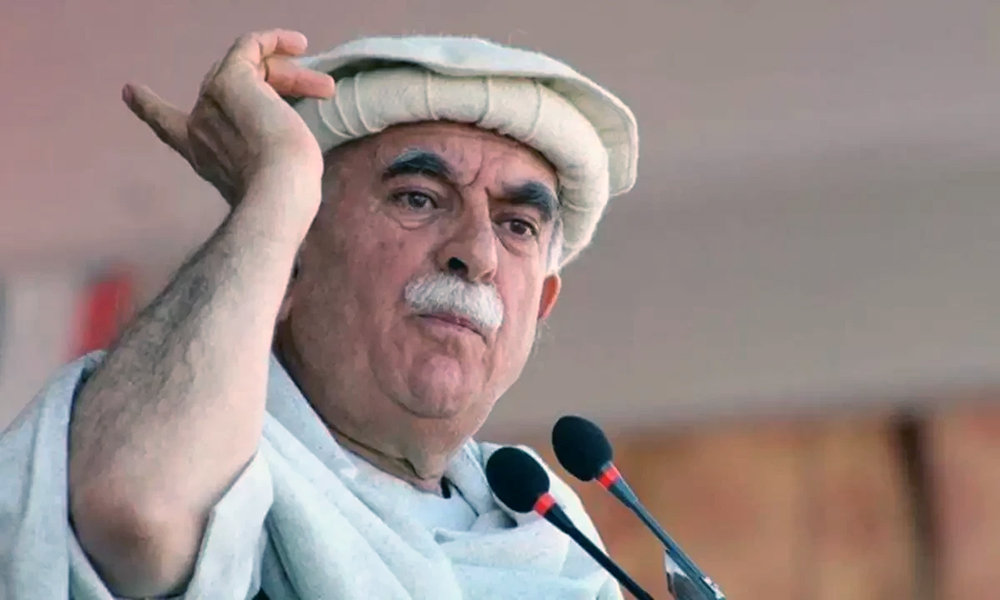
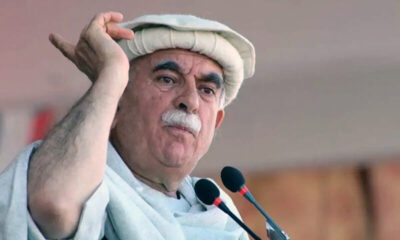
Pakistani opposition leader Mahmood Khan Achakzai has called for renewed dialogue with Afghanistan, warning that strained relations and policy missteps are worsening Pakistan’s economic challenges.
Speaking on regional ties, Achakzai said communities from Chaman to Khyber share deep historical and economic links that cannot be ignored, stressing the need to restore engagement with Kabul.
He argued that Pakistan’s current economic difficulties are rooted in “wrong state policies,” claiming that Afghanistan was once a key export market for Pakistani goods but has been lost due to prolonged political tensions.
According to Achakzai, restrictions on bilateral trade have driven up unemployment in Pashtun and Baloch regions, hitting small traders in areas such as Khyber, Chaman, and Nushki who depend on daily commerce. He added that farmers in Punjab are also facing losses, with disrupted markets forcing many to discard produce.
Despite tensions, Achakzai noted that Afghanistan remains heavily reliant on Pakistani imports, warning that Islamabad’s policies have undermined its own economic interests.
He also called for firm action against drug trafficking and weapons smuggling, while describing the impact of trade disruptions on daily wage earners as “deeply regrettable.”
Achakzai urged Pakistan’s leadership to pursue practical solutions through dialogue and policy reform to address both economic pressures and regional instability.
Latest News
UNICEF report highlights progress and ongoing challenges for Afghan children
In addition, around 10 million children and mothers benefited from essential nutrition services and supplies aimed at preventing malnutrition.
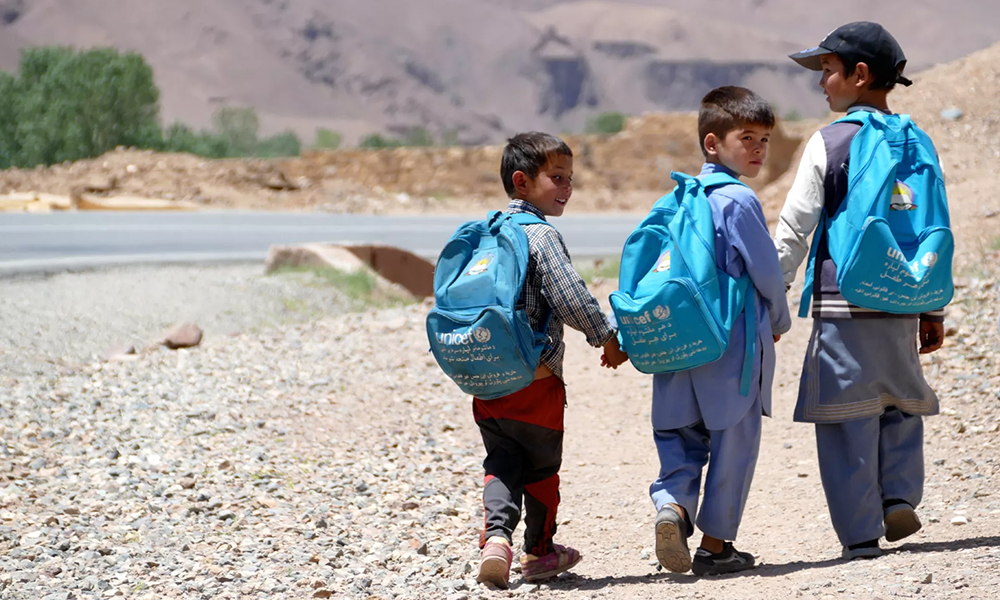
UNICEF Afghanistan Annual Report 2025 has outlined significant gains in support for children and families, while warning that serious challenges persist across the country.
According to the report, more than 20 million people — including 5.6 million children — accessed primary healthcare services through UNICEF-supported facilities over the past year.
In addition, around 10 million children and mothers benefited from essential nutrition services and supplies aimed at preventing malnutrition.
Education support also remained a key focus, with four million children receiving teaching and learning materials across schools, community-based programmes, and emergency settings.
Meanwhile, 2.7 million people were provided with emergency water, sanitation, and hygiene (WASH) services.
UNICEF said the results reflect both the scale of humanitarian needs in Afghanistan and the impact of sustained international support. The agency expressed gratitude to its partners and donors, as well as to the Afghan people, whose resilience and determination continue to underpin progress.
Despite these achievements, the report stresses that ongoing investment and assistance are critical to addressing persistent gaps and ensuring a more stable future for Afghanistan’s children.


Iran foreign minister meets Chinese counterpart for first time since Iran war started

Tahawol: Deportation of Afghan refugees from Germany discussed

Saar: Criticism over Pakistan’s policies discussed

Afghan health delegation visits Russia to boost pharmaceutical imports and cooperation

Pakistan’s Achakzai pushes for Afghanistan dialogue amid economic strain

Bayat Power extends gas supply deal with Afghan Gas

Etihad Airways to expand Kabul–Abu Dhabi flights to daily service amid surging demand

Afghanistan’s new cricket head coach Richard Pybus arrives in Kabul

Afghanistan, Uzbekistan sign $400 million trade deals in push to deepen ties

Afghanistan moves toward self-sufficiency in car battery production
Tahawol: Deportation of Afghan refugees from Germany discussed
Saar: Criticism over Pakistan’s policies discussed

Tahawol: Pakistan’s dual policy on Afghanistan

Saar: Iran’s warning to US forces

Tahawol: Efforts for US-Iran agreement
-
 Latest News4 days ago
Germany to launch online visa system for Afghan study and work applicants in Pakistan
-
 Regional5 days ago
Iran sends new negotiation proposal to US via Pakistan
-
 Latest News5 days ago
UK deported 123 Afghan asylum seekers last year, just 2% of total
-
 Regional4 days ago
Iranian proposal rejected by Trump would open strait before nuclear talks, Iran official says
-
 Climate Change5 days ago
Iran war is supercharging the clean energy transition, UN climate chief says
-

 World3 days ago
Trump says US could restart Iran strikes ‘if they misbehave’
-
 Regional3 days ago
Iran says it has received US response to its latest offer for talks
-
 Business3 days ago
Afghan economic commission approves 12 major development projects across key sectors