
Latest News
Cases of Torture Reduced in Afghanistan Prisons: UNAMA

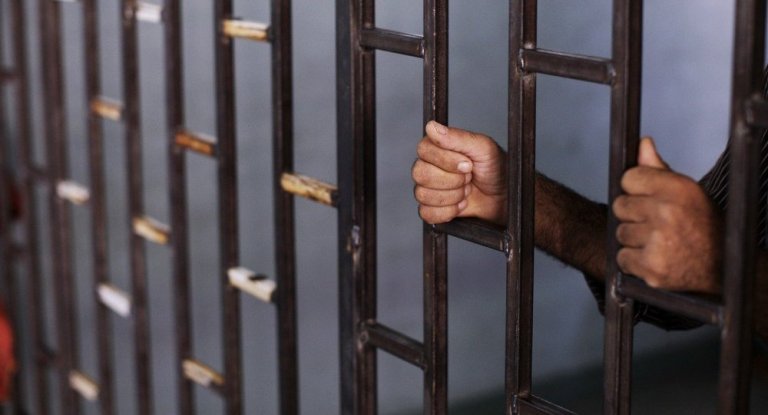

In its latest report on the treatment of conflict-related detainees in Afghanistan published today, the UN documents an encouraging reduction in the number of cases of torture since 2016 but notes its ongoing concern at the high number of detainees who continue to report torture and ill-treatment.
The joint report by the UN Assistance Mission in Afghanistan (UNAMA) and the UN Human Rights Office, issued on the first anniversary of Afghanistan’s accession to the Convention Against Torture’s Optional Protocol, finds that nearly a third of conflict-related detainees interviewed provided credible and reliable accounts of having been subject to torture or ill-treatment.
The report is based on interviews with 618 detainees held in 77 facilities in 28 provinces across the country between 1 January 2017 and 31 December 2018.
The report acknowledges the progress made by the Government in implementing Afghanistan’s National Plan on the Elimination of Torture and highlights that this enforcement has had tangible results, with a reduction in torture or ill-treatment of conflict-related detainees across different security entities in the country.
Overall, among those in the custody of the Afghan National Defence and Security Forces, 32 percent based of the sample of the detainees reported torture and ill-treatment, compared to 39 percent over the previous reporting period (1 January 2015 to 31 December 2016). Notably, the reduction was more marked in 2018. In particular, within facilities of the National Directorate of Security (NDS), the prevalence of torture and ill-treatment of those interviewed decreased from 29 percent to 19 percent in 2018. And among conflict-related detainees held by the Afghan National Police (ANP), the proportion of those who reported torture or ill-treatment fell from 45 percent over the previous reporting period to 31 percent. Youngsters were at a higher risk of suffering mistreatment.
While the reduction in the number of cases is encouraging, the report notes that the “decline in the use of torture or ill-treatment is not yet significant enough to indicate that the remedial measures taken are sufficient.” The most common form of torture and ill-treatment reported was beatings.
The vast majority of detainees said they had been tortured or ill-treated to force them to confess and that the treatment stopped once they did so.
There are also major differences depending on the location of the detention facilities. While, on average, 31 percent of those ANP facilities reported torture or ill-treatment, the rate in the ANP facility in Kandahar was a very disturbing 77 percent, including allegations of brutal forms of torture, such as suffocation, electric shocks, pulling of genitals and suspension from ceilings. Allegations of enforced disappearances in Kandahar also persisted during the reporting period.
While the report highlights significant improvements for the NDS facilities in Kandahar and Herat, the treatment of conflict-related detainees in some NDS facilities also remains of concern, particularly those located in Kabul, Khost and Samangan provinces, as well as by the NDS counter-terrorism department. The report also highlights instances of unlawful and arbitrary detention, including following mass arrests, by NDS Special Forces and the Khost Protection Force.
The report further raises concern about poor conditions of detention observed within the Afghan National Army-run Detention Facility in Parwan, including overcrowding, inadequate lighting, the use of solitary confinement as the sole disciplinary measure and restrictions on family visits and access to lawyers.
“We welcome the steps taken by the Government to prevent and investigate cases of torture and ill-treatment over the past two years. However, as our report illustrates, there is still a long way to go to eradicate this horrendous practice among conflict-related detainees,” said Tadamichi Yamamoto, the U.N. Special Envoy for Afghanistan.
“Respect for the rule of law and human rights is the best way to create the conditions for sustainable peace,” he added.
The report emphasizes violations and challenges in other areas, among them, legal limitations on the right of conflict-related detainees to judicial oversight; lack of implementation of key procedural and other legal safeguards to prevent torture (medical screening, access to lawyers, etc.); continued absence of accountability for perpetrators, with very limited referrals to prosecution; and lack of any meaningful possibility of obtaining an effective judicial or administrative remedy.
UN High Commissioner for Human Rights Michelle Bachelet said the report’s findings demonstrate that the policies put in place to combat torture and ill-treatment were having effect – but they were far from sufficient.
“A year ago, on this day, the Government of Afghanistan committed itself to the prevention of torture by acceding to the Optional Protocol to the Convention against Torture,” Bachelet said.
“I urge the Government to work swiftly to create a National Preventive Mechanism to ensure independent, impartial scrutiny of the treatment of detainees. A well-resourced watchdog of this sort, which is able to make unannounced visits to places of detention and raise awareness of what constitutes torture and ill-treatment according to international human rights law, can go a long way towards the ultimate goal of fully eradicating torture.”
The status and treatment of conflict-related detainees held by Anti-Government Elements is not covered by the report.








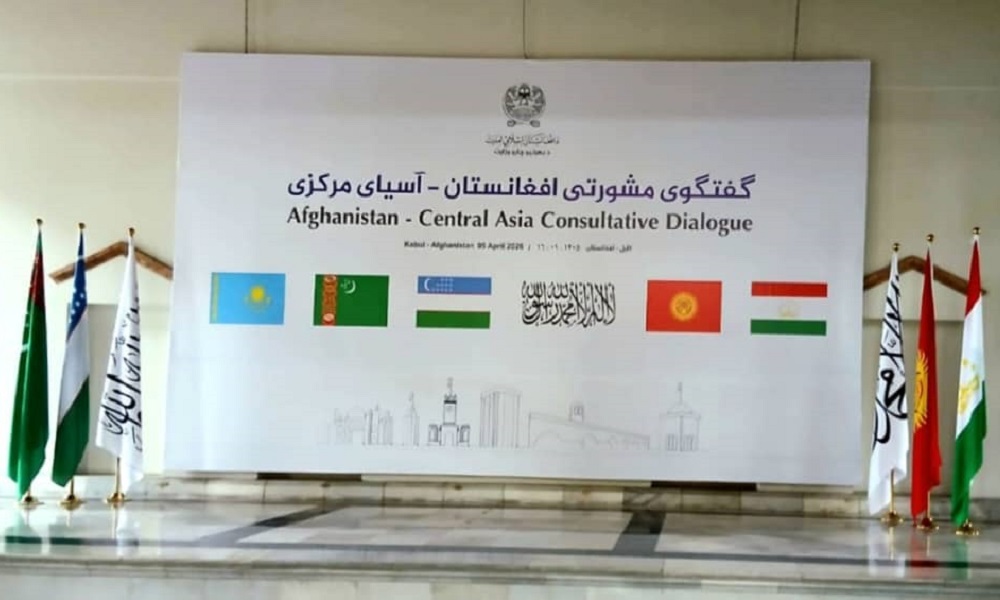
At the initiative of the Ministry of Foreign Affairs of the Islamic Emirate of Afghanistan, the “Afghanistan–Central Asia Consultative Dialogue” will be held in Kabul tomorrow (Sunday).
The meeting will be chaired by Amir Khan Muttaqi, Minister of Foreign Affairs, and attended by senior representatives from Afghanistan and Central Asian countries.
The discussions will cover political, economic, and security issues, as well as the development of regional cooperation, trade, and transit.
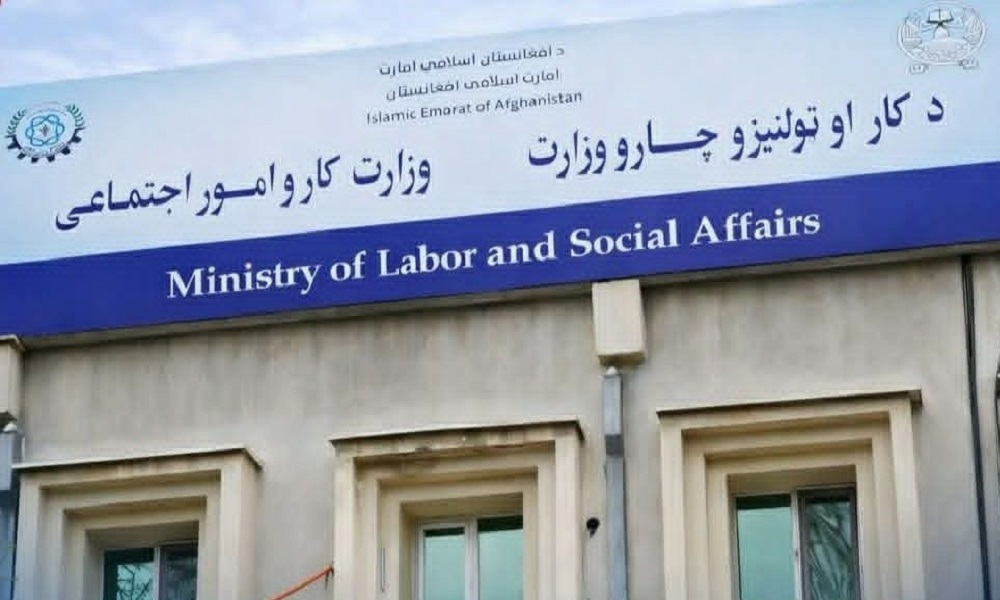
The Directorate of Child Protection at the Ministry of Labor and Social Affairs announced on Saturday that in the solar year 1404, through the implementation of extensive support programs and the handling of thousands of protective cases, it has achieved significant accomplishments in securing rights, raising awareness, and improving the situation of children across Afghanistan.
According to the directorate, the registered cases have been organized into 23 different categories, allowing for targeted and specialized handling of each type of case. In the area of awareness-raising, extensive programs have also been implemented to improve the general knowledge of children and their families, resulting in 404,207 children and family members being informed about child rights, explosive hazards, environmental protection, and other important topics.
To strengthen local structures and accelerate case management, the Directorate of Child Protection, within the framework of its 1404 work plan, established 20 new committees at the district level in provincial centers. These committees play a key role in coordinating between government offices, rapidly identifying cases, and providing support services. Currently, child protection committees are active in 204 districts and regularly review and resolve children’s issues.
Latest News
Severe rainfall and natural disasters cause heavy casualties across Afghanistan
At least 61 people have been confirmed dead, with 116 others injured. Four individuals remain unaccounted for as search and rescue operations are underway.
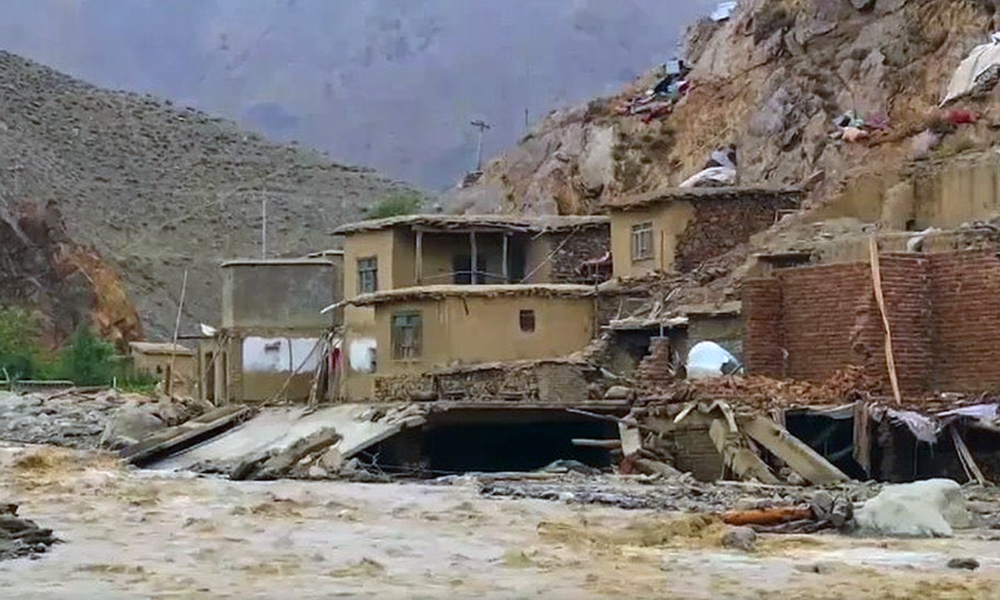
The Spokesperson for the Islamic Emirate of Afghanistan, Zabihullah Mujahid, has confirmed widespread devastation across the country following a series of natural disasters and heavy rainfall. The toll continues to rise as authorities assess the damage.
At least 61 people have been confirmed dead, with 116 others injured. Four individuals remain unaccounted for as search and rescue operations are underway. The disaster has also led to the destruction of 2,448 homes, leaving thousands displaced, while 26,841 acres of agricultural land have been severely damaged. In addition, the storm claimed the lives of 1,045 livestock animals, further exacerbating the already dire situation for rural communities.
In a statement, Mujahid emphasized the ongoing relief efforts. The Islamic Emirate is mobilizing all available resources to assist the hardest-hit regions and ensure the swift recovery of affected communities. The focus remains on providing immediate aid, including shelter, medical supplies, and food, while also beginning the long-term process of reconstruction and recovery.
Authorities have urged citizens in vulnerable areas to remain vigilant as more rain is forecast, adding to the urgency of the ongoing relief operations.


US rescues 2nd F-15 pilot hit above Iran: Trump

Kabul to host ‘Afghanistan–Central Asia Consultative Dialogue’ tomorrow

Tahawol: Continuation of Middle East crisis discussed

Saar: Ongoing Kabul-Islamabad talks in China discussed

Around 15,000 cases of vulnerable Afghan children addressed over past year

Prominent Muslim scholar issues fatwa calling for Afghanistan-Pakistan ceasefire

IEA Supreme Leader issues Eid-ul-Fitr message urging unity and support for Islamic system

14 Pakistani soldiers killed after military post falls along Durand line: MoD

Afghanistan steps in to replace Iran in supplying fruits and vegetables to Russia

Afghan airstrikes target Pakistani military sites in retaliation for air attacks
Tahawol: Continuation of Middle East crisis discussed
Saar: Ongoing Kabul-Islamabad talks in China discussed

Tawsia: This week’s key economic developments in Afghanistan discussed

Tahawol: Start of talks between Kabul-Islamabad in China discussed

Saar: Ongoing US and Israeli attacks on Iran discussed
-
 Latest News4 days ago
Baradar approves 17 projects worth over one billion AFN
-
 Sport5 days ago
ATN secures broadcast rights for inaugural Afghanistan Wrestling Premier League
-

 Sport4 days ago
ATN to broadcast second season of Ariana Snooker Championship
-

 Sport5 days ago
Rajasthan Royals outclass Chennai Super Kings as IPL action continues
-

 Latest News4 days ago
Afghan delegation heads to China for talks with Pakistan
-
 Latest News5 days ago
Trump tells allies to ‘get your own oil’ from Strait Of Hormuz or buy from US
-
 Business2 days ago
Tripartite agreement to launch new Russia–Turkmenistan–Afghanistan transit corridor
-

 Sport4 days ago
Punjab Kings edge Gujarat Titans in thrilling IPL clash as tournament gathers pace