
Latest News
Efforts underway to standardize processing of export goods: Baradar
Baradar called on all exporters to ensure their exports meet international standards, preserving the country’s reputation, and to remain vigilant against competitors who may attempt to undermine Afghanistan’s exports.

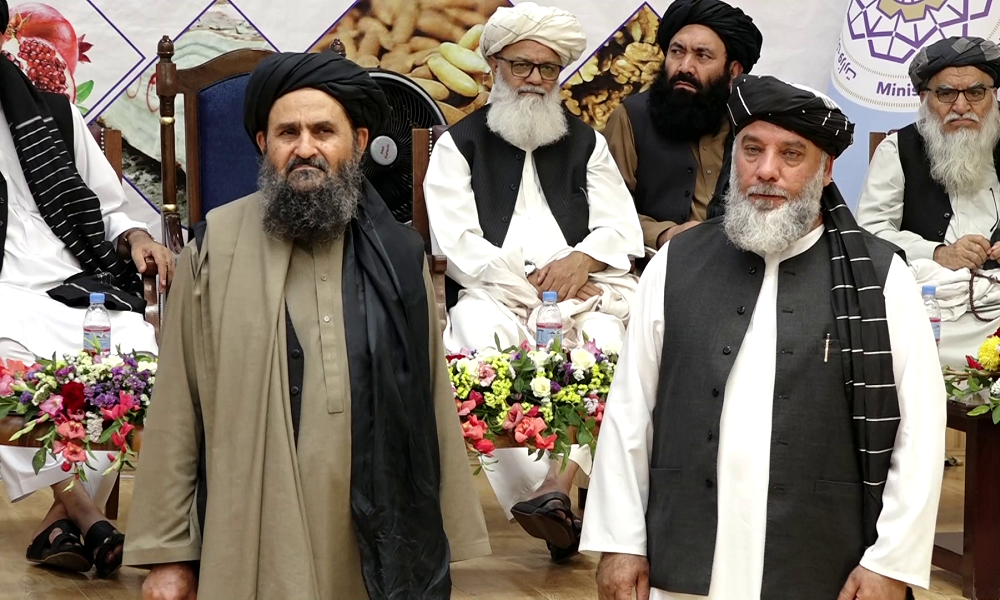
The Deputy Prime Minister for Economic Affairs, Mullah Abdul Ghani Baradar Akhund, says export processing zones will be established in six provinces of the country, including Kabul, and that he is trying to ensure the processing of export products meets international standards.
Marking National Export Day at an event in Kabul, Baradar emphasized the importance of trade relations between countries to meet their respective needs through exports and imports. He highlighted that countries with higher export volumes see significant growth in domestic production and accelerated economic development.
Baradar assured all export companies in Afghanistan that the Islamic Emirate’s export-oriented economic policies will elevate the country’s export levels, ensuring that all surplus production is commercially exported to other countries.
He announced that under the directive of the IEA supreme leader, export processing zones meeting international standards will be established in six provinces, including Kabul.
The land transfer and ownership processes for these zones have been completed, and they will soon be operational to standardize exports, he said.
Referring to the export process, Baradar stated that exports are currently conducted from 13 provinces to various countries around the world.
The IEA has set up offices in these provinces to facilitate and expedite the export process, significantly reducing the time required for export procedures. He mentioned that efforts are being made to find potential and alternative markets for Afghan export goods in the region and globally, with progress already achieved in negotiating preferential tariffs.
He called on all exporters to ensure their exports meet international standards, preserving the country’s reputation, and to remain vigilant against competitors who may attempt to undermine Afghanistan’s exports.
He stressed the importance of exporting finished products instead of raw materials, aligning with the Islamic Emirate’s economic policies.
Processing raw materials domestically will create opportunities for new factories to operate.
Addressing the National Export Day gathering, Baradar revealed that the IEA is negotiating with reputable international companies to standardize all national ports, aiming to enhance the quality and quantity of exports.
This initiative is expected to have a significant positive impact on the country’s export sector.
To ensure transparent and reliable exports, Baradar urged all security agencies to prevent smuggling, impose severe penalties on offenders, and protect the efforts of the IEA and traders.
Baradar also appealed to national traders to build cold storage facilities in accordance with international standards to prevent the deterioration of manufactured goods and agricultural products.
RELATED STORIES:
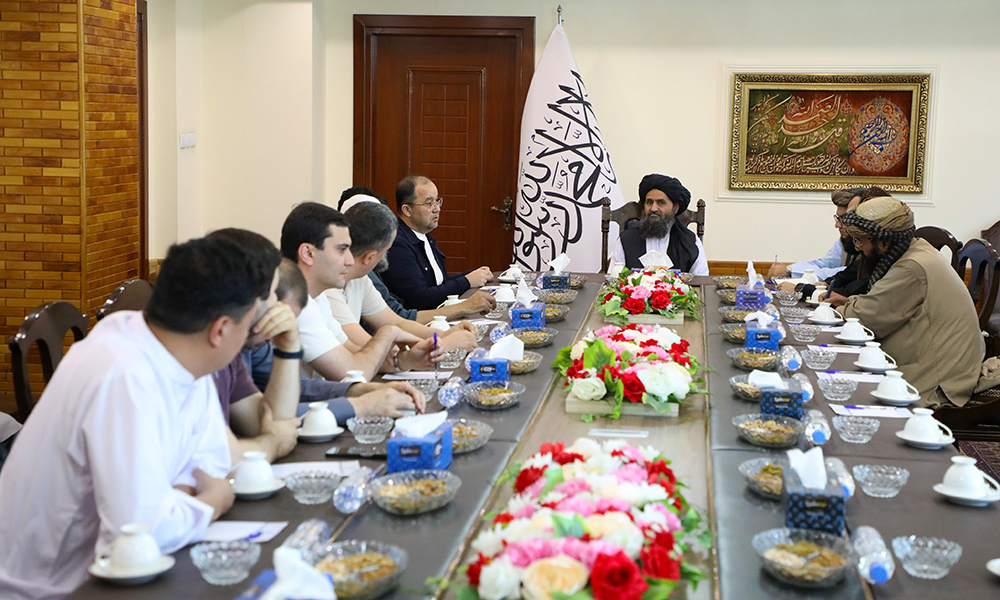
Baradar meets Uzbekistan investors, discusses investment in Afghanistan
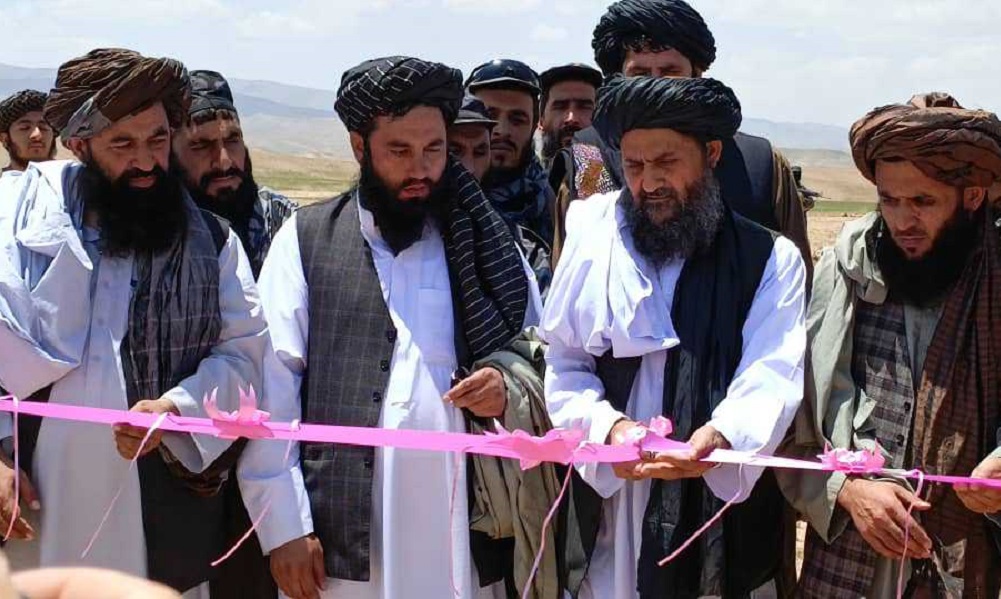
Baradar launches construction of a township for flood victims in Ghor




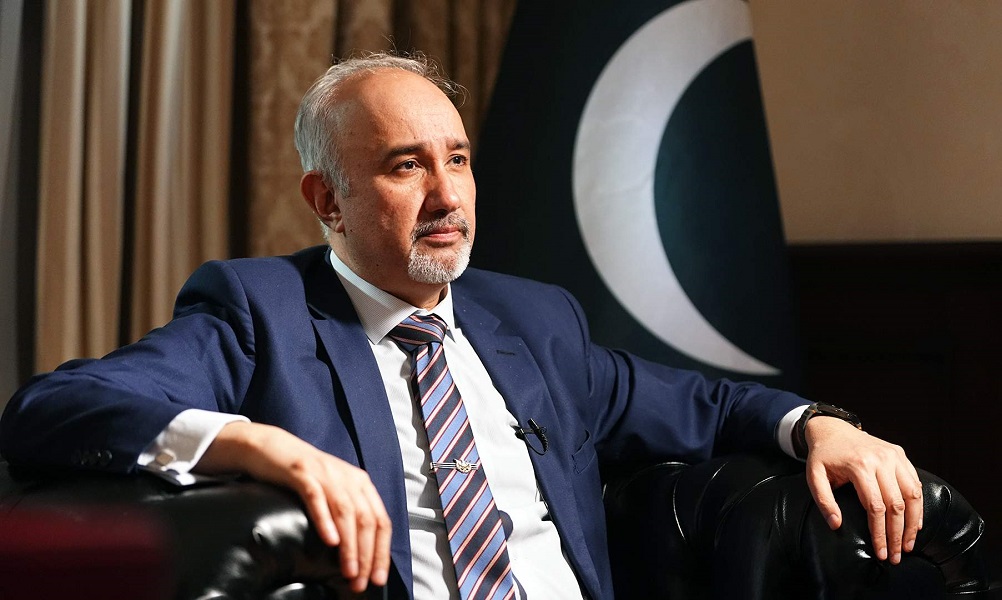
Pakistan’s ambassador to Russia, Faisal Niaz Tirmizi, has confirmed that Islamabad has asked Moscow to mediate in the ongoing conflict with Afghanistan.
In an interview with Russian daily Izvestia, Tirmizi said Pakistan is engaging with Russia and appreciates the “wonderful offer” to help resolve tensions. He noted that proposals from Russia, China, Qatar, Turkey, and Saudi Arabia led to an agreement on a temporary ceasefire.
“We tell all our interlocutors: please tell the Taliban (IEA) not to use this opportunity simply to regroup, recuperate, rearm, and re-attack,” Tirmizi said. “Because such large states as Russia or Pakistan cannot be destabilized by terrorist acts.”
The ambassador emphasized that decades of war in Afghanistan have affected not only Kabul and Islamabad but also neighboring countries, including Iran, Tajikistan, Turkmenistan, Uzbekistan, and even Russia. “Therefore, we must all trade with each other, develop education, art, and culture. Terrorism is the wrong way to go,” he added.
The appeal for mediation comes amid rising cross-Durand Line tensions and violence that have killed hundreds and displaced thousands in recent weeks.
Pakistani officials have repeatedly claimed that militant attacks in the country are organized in Afghanistan.
The IEA however denies the claim saying that Afghanistan is not responsible for Pakistan’s “security failure.”
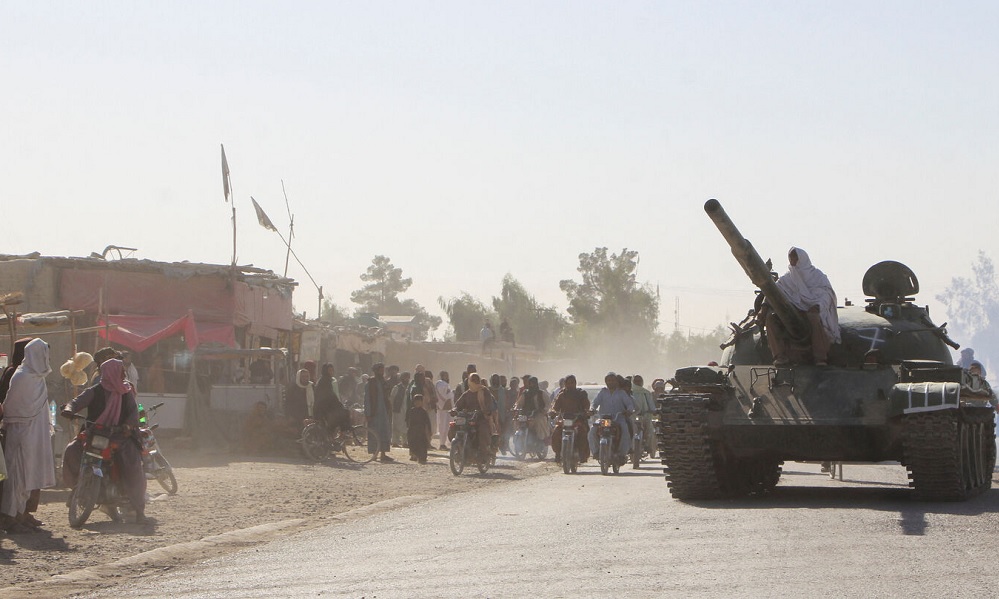
In an opinion article published on Sunday, Financial Times warned that rising tensions between Afghanistan and Pakistan risk spiraling into a wider conflict, and urged the international community to urgently re-engage with the troubled region.
The publication noted that nearly five years after the Islamic Emirate’s return to power, global attention has largely faded, despite growing instability. It highlighted restrictions on women’s rights and the worsening relationship between Kabul and Islamabad, once close allies.
According to the article, Pakistan’s ties with the IEA have sharply deteriorated since 2021. Islamabad accuses Afghan authorities of harboring militant groups responsible for attacks inside Pakistan—an allegation the IEA denies.
Recent weeks have seen a surge in violence, including cross-Durand Line airstrikes and clashes that have reportedly killed over 1,000 people and displaced more than 100,000. One of the deadliest incidents involved an airstrike on a drug rehabilitation center in Kabul, which Afghan officials say killed hundreds.
The newspaper warned that continued escalation could destabilize South and Central Asia and risk turning Afghanistan into a hub for militant activity once again.
It criticized Pakistan’s military approach, saying airstrikes alone cannot end insurgencies, and called for sustained ceasefire efforts following a temporary truce during Eid al-Fitr.
The editorial urged major powers, including the United States and China, to play a more active diplomatic role. It also pointed to China’s strategic interests in the region and suggested Beijing could step forward as a mediator.
Despite past failed attempts at peace, the Financial Times stressed that the risks are too high for the world to remain disengaged.


Iran says coastal attack will lead to full Gulf closure and mine-laying

Afghanistan expresses condolences after deadly helicopter crash in Qatar

IPL 2026: Ishan Kishan named Sunrisers’ interim captain ahead of opening clash

Pakistan seeks Russian mediation to resolve Afghanistan tensions

World must re-engage to prevent all-out Afghanistan-Pakistan war: Financial Times

Pakistani military jet downed in Afghanistan’s Jalalabad, pilot captured alive

Afghan Air Force conducts airstrikes in Islamabad, other cities

Prominent Muslim scholar issues fatwa calling for Afghanistan-Pakistan ceasefire

Afghan air force strikes key Pakistani military installations in retaliatory operation

IEA: Special circle in Pakistan has launched mission to destabilize region

Tahawol: Possibility of US ground forces entering Iran war discussed

Saar: Using US prisoners as political pressure

Tahawol: Pakistan’s efforts to destabilise Afghanistan

Saar: Decline in international assistance to Afghanistan

Tawsia: Assessment of Afghanistan’s economic activities in 1404
-
 Latest News5 days ago
IEA announces temporary pause in defensive operations against Pakistan for Eid
-
 Latest News4 days ago
Pakistani shelling hits Kunar districts despite ‘pause in hostility’ over Eid
-
 Sport3 days ago
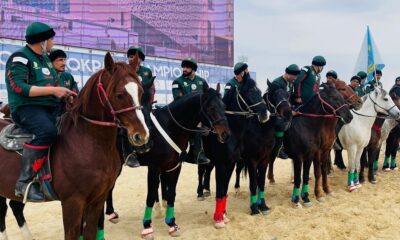
Afghanistan national buzkashi falls short in Kokpar World Championship semifinals
-
 Regional4 days ago
Pakistan among top nuclear threats to America, US intelligence chief tells senate
-

 Latest News5 days ago
UNAMA puts death toll from Pakistan’s attack on Kabul’s Omid Hospital at 143
-
 Latest News4 days ago
Peshawar High Court grants bail to 68 detained Afghan nationals, including minors
-

 Sport2 days ago
Ireland to host Afghanistan for ODI series in August
-
 World4 days ago
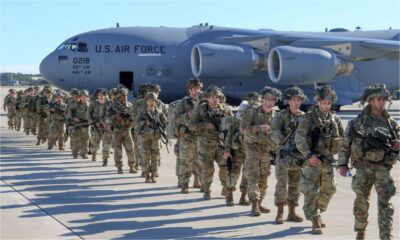
US weighs troop deployment as Iran war enters new phase