
Latest News
EU-US Stop Aiding Electronic National Identification Cards: Baher

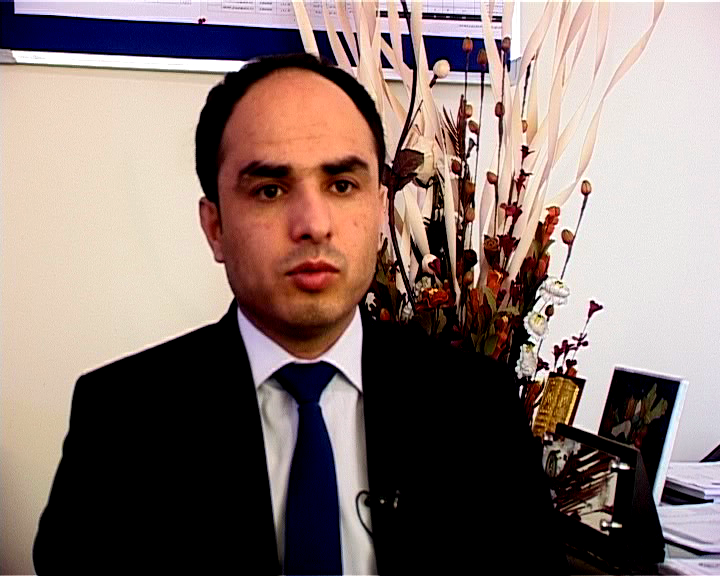
European Union and USA have stopped aiding financial supports to Electronic National Identification Cards completely the following process has faced serious dead-locked.
Officials in Electronic National Id stating that USA and EU have completely stopped their financial supports for issuing the Id cards to Afghans but its not clear when they re-begin their supports.
Meanwhile a number of senators have criticized the Government for not doing much to save the following process not to be delayed.
Head of the National Electronic Identification Cards Zemaray Baher said,” there is no clear estimation for costing the following process,USA-EU have stopped their financial supports to the following process which will damage the whole vital process.”
He has added that the following process has faced a dead-locked and there is no financial source to take this process going.
Mr. Baher has expressed his deep concerns over National project is facing huge problems,there is fears that when the donors to comeback and begin their financial supports again.
Senator Nadir Baloch said,” the National process of issuing the National Electronic Identification cards should have started earlier and it should not be delayed anymore ,it should end the concerns of the Nation as soon as possible.”
Issuing of the National Electronic Identification Cards has changed into a disaster after the word of Afghan created problems.
Experts believed that the law for population registration has been approved by the lower house and was sent to President for more confirmation and approval.
Reported by Rafi Sediqee

Latest News
Former Australian soldier to remain in custody over Afghan war crimes charges
Roberts-Smith was denied bail by police and taken to Silverwater Correctional Complex in western Sydney, where he spent the night.
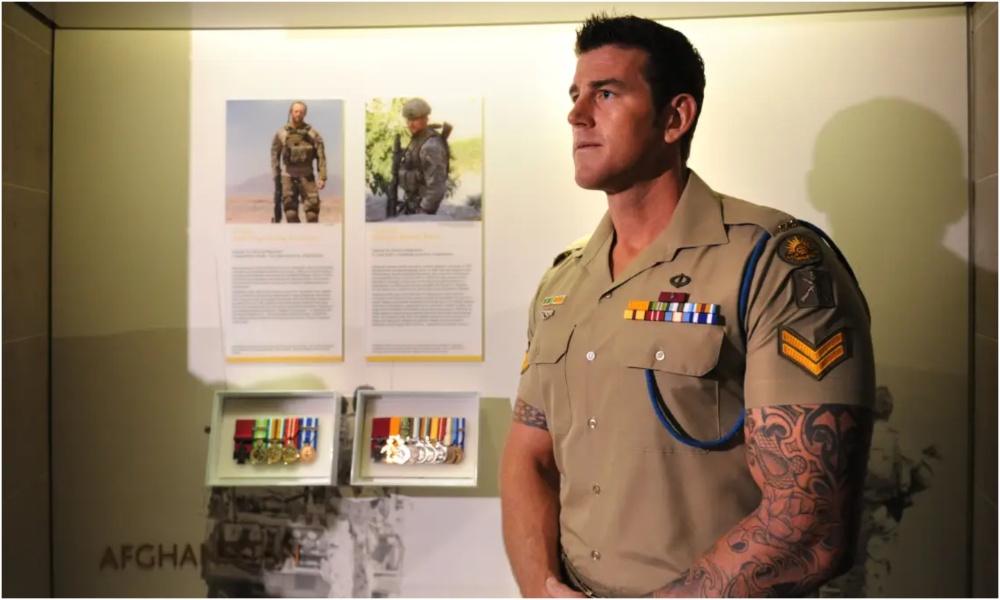
Ben Roberts-Smith, Australia’s most decorated living soldier, will remain in custody following his arrest on multiple alleged war crimes in Afghanistan, local media reported Wednesday.
The 47-year-old former member of the elite Special Air Services Regiment was arrested on Tuesday and charged with five counts of war crimes, relating to the deaths of five civilians between 2009 and 2012. Each charge carries a maximum penalty of life imprisonment.
Roberts-Smith was denied bail by police and taken to Silverwater Correctional Complex in western Sydney, where he spent the night. He did not participate via video link in a bail hearing on Wednesday morning.
His lawyer, Jordan Portokalli, told the court he would not be seeking bail and requested an in-person hearing later in the day. A formal bail review hearing has been scheduled for April 17 in a Sydney courthouse.
Roberts-Smith, a six-tour veteran of Afghanistan from 2006 to 2012, was celebrated as a national hero and awarded several top military honours, including the Victoria Cross, the highest military decoration for members of the armed forces in Britain and the Commonwealth.
The Australian Federal Police allege that the victims were unarmed civilians, detained and under Australian control at the time of their deaths, and were either shot by Roberts-Smith or by his subordinates acting under his orders and presence.
These charges follow a joint investigation launched in 2021 by the AFP and the Office of the Special Investigator, established to examine alleged criminal conduct by Australian defence personnel.
Roberts-Smith has consistently denied any wrongdoing.
Allegations first surfaced in 2018 through a series of articles by Nine Entertainment newspapers. He later contested the claims in what became Australia’s most expensive defamation trial, in which he was found, on the balance of probabilities, to have been involved in the killing of four Afghan civilians.
Latest News
Hundreds displaced as Afghanistan–Pakistan clashes deepen crisis
A new report, covering the period from mid-March to early April, highlights the severe impact of ongoing shelling, airstrikes, and armed clashes along the disputed Durand Line.
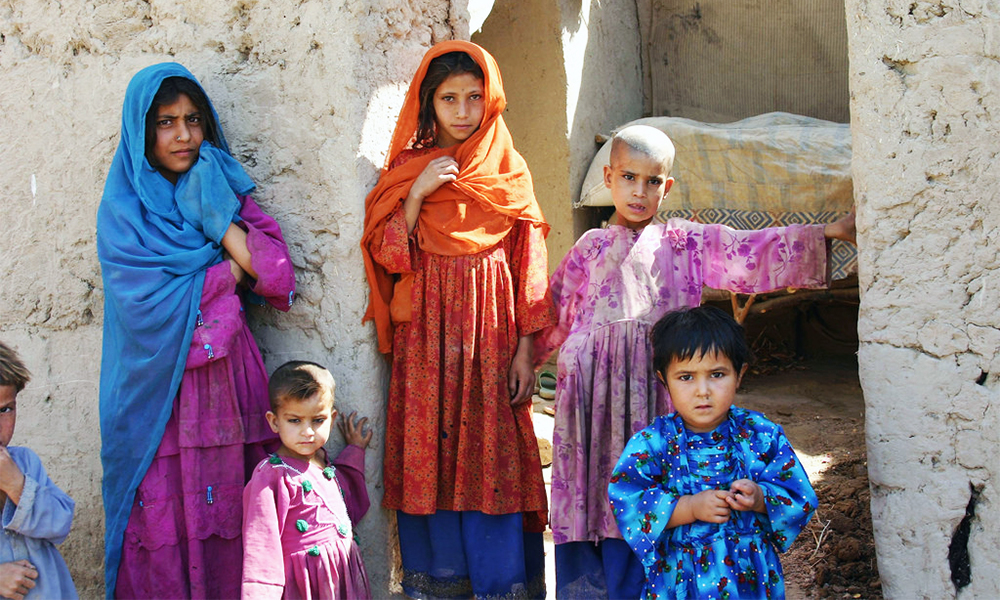
A new report by the United Nations Office for the Coordination of Humanitarian Affairs (UNOCHA) warns that escalating fighting between Pakistan and Afghanistan has triggered a growing humanitarian crisis, with tens of thousands displaced and critical infrastructure damaged.
The situation report, covering the period from mid-March to early April, highlights the severe impact of ongoing shelling, airstrikes, and armed clashes along the disputed Durand Line.
Civilian casualties have reached several hundred, including children and at least one humanitarian worker.
Mass displacement and infrastructure damage
According to the report, more than 94,000 people have been displaced across eastern provinces, including Khost Province, Kunar Province, Nangarhar Province, Paktia Province, and Paktika Province. Assessments are ongoing in other affected areas such as Nuristan Province.
The violence has also taken a heavy toll on public infrastructure. At least 25 health facilities and 41 schools have been damaged, closed, or forced to suspend operations, disrupting access to healthcare, nutrition services, and education.
In one of the most significant incidents, a Pakistani airstrike on March 17 destroyed the Omid Addiction Treatment Hospital in Kabul. Additional damage has been reported to a market in Paktika, a fuel depot in Kandahar, and several religious sites in Kunar and Nuristan. At least 345 homes have been destroyed or severely damaged.
Isolated communities cut off from aid
The report noted that humanitarian access remains a major concern, particularly in remote districts of Nuristan. Nearly 100,000 people in Bargematal and Kamdesh districts have been cut off from assistance since late February due to ongoing hostilities and dangerous access routes.
The main road connecting these areas has become unusable amid reports of cross-Durand Line firing by Pakistan, leaving residents without access to markets or medical services. Severe shortages of food and essential supplies have been reported, while local health facilities are facing critical stock shortages.
Efforts to establish an alternative route through the Poprak Pass are underway, but officials say it is unlikely to become operational in the near term.
Tensions and explosive hazards
The Torkham crossing briefly reopened on March 26, allowing a small number of Afghans to return before closing again hours later. The same day, an unexploded ordnance incident injured three children, underscoring the growing danger posed by explosive remnants of war.
Mine action teams have faced increasing challenges due to insecurity and funding shortages. The number of active teams has dropped significantly over the past two years, limiting the ability to clear hazardous areas despite Afghanistan having one of the highest rates of explosive ordnance casualties globally.
Humanitarian response under strain
Despite the challenges, aid agencies continue to provide assistance. By the end of March, thousands of families had received emergency food supplies, shelter support, medical aid, and cash assistance. Education programs have also resumed in some areas, reaching several thousand students.
However, humanitarian officials warn that needs continue to outpace available resources. Funding gaps and access constraints are hindering efforts to deliver life-saving assistance to those most affected.
Ongoing risks
Although a temporary ceasefire was observed during the Eid period, hostilities have continued before and after the holiday, particularly in eastern and southeastern regions.
Humanitarian agencies caution that without sustained de-escalation and improved access, the crisis could worsen further, leaving vulnerable communities increasingly exposed to displacement, food insecurity, and limited access to basic services.
International Sports
IPL 2026: Rajasthan vs Mumbai clash abandoned due to rain
The game was shaping into an intriguing contest, with Rajasthan putting up a strong total in a reduced 11-over match before Mumbai began their chase. However, persistent rain interruptions prevented a result
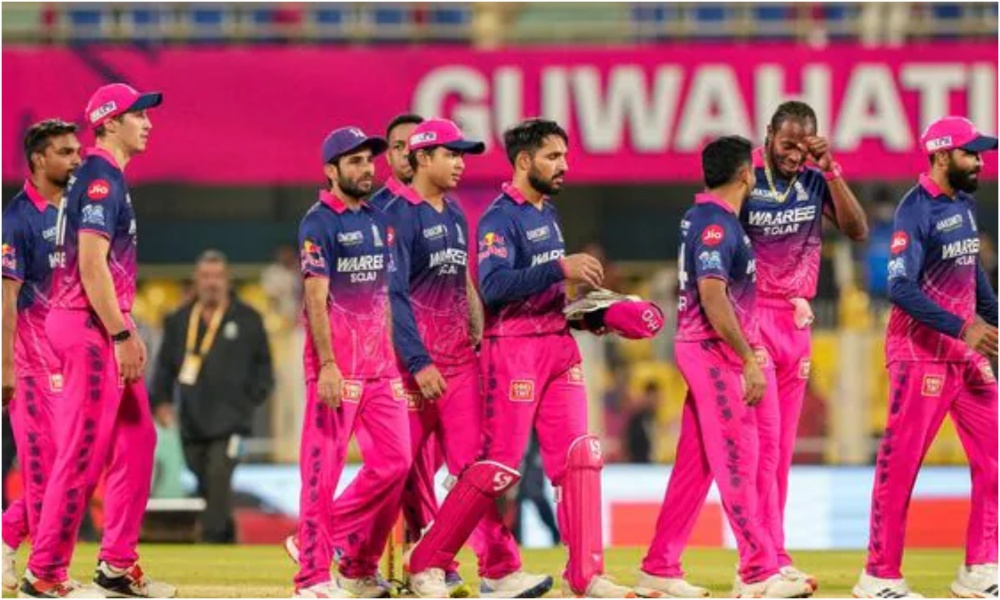
Tuesday’s Indian Premier League (IPL) clash between Rajasthan Royals and Mumbai Indians ended in frustration after rain forced the match to be called off in Jaipur.
The game was shaping into an intriguing contest, with Rajasthan putting up a strong total in a reduced 11-over match before Mumbai began their chase. However, persistent rain interruptions prevented a result, leaving both teams to share the points.
Rajasthan’s top order looked in control during their innings, capitalizing on the shortened format to post an aggressive score. Mumbai, in response, struggled to build momentum before the weather intervened, ultimately denying fans a full contest.
The result adds a point apiece to both sides but leaves questions around momentum as the tournament begins to intensify.
Match Preview: Wednesday, April 8
Attention now turns to Wednesday’s fixture, where Delhi Capitals take on Gujarat Titans in what promises to be a competitive encounter.
Delhi will be aiming to strengthen their position with a solid all-round performance, while Gujarat, known for their balanced squad, will look to maintain consistency and climb the standings. Key battles between top-order batters and pace attacks are expected to shape the outcome.
Fans in Afghanistan can watch all the IPL action live, with Ariana Television (ATN) holding exclusive broadcasting rights. Viewers are encouraged to follow Ariana Television and Ariana News on social media for the latest updates, match schedules, and breaking coverage throughout the tournament.


Pakistan PM holds 45-minute call with Iranian President

Former Australian soldier to remain in custody over Afghan war crimes charges

Hundreds displaced as Afghanistan–Pakistan clashes deepen crisis

Iran agrees to temporary ceasefire as US pauses attacks

IPL 2026: Rajasthan vs Mumbai clash abandoned due to rain

IEA Supreme Leader issues Eid-ul-Fitr message urging unity and support for Islamic system

14 Pakistani soldiers killed after military post falls along Durand line: MoD

IEA supreme leader orders replacement of foreign terminology in official documents

Afghan airstrikes target Pakistani military sites in retaliation for air attacks

Turkmenistan, Afghanistan discuss steps to speed up land acquisition for TAPI pipeline

Tahawol: Ongoing negotiations between Kabul-Islamabad discussed

Saar: Afghanistan in spotlight of SCO discussed

Tahawol: Continuation of Middle East crisis discussed

Saar: Ongoing Kabul-Islamabad talks in China discussed

Tawsia: This week’s key economic developments in Afghanistan discussed
-
 Latest News3 days ago
IEA supreme leader orders replacement of foreign terminology in official documents
-
 Latest News3 days ago
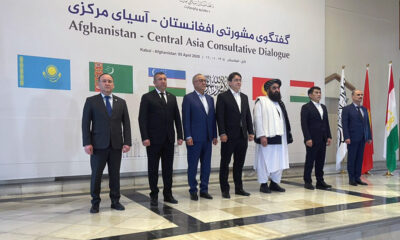
Afghanistan hosts inaugural Afghanistan–Central Asia Consultative Dialogue to strengthen regional cooperation
-
 Business5 days ago
Tripartite agreement to launch new Russia–Turkmenistan–Afghanistan transit corridor
-

 Business4 days ago
Kazakhstan eyes rare metals mining projects in Afghanistan and Rwanda
-
 Regional5 days ago
Iran claims it shot down US F-35 jet
-
 Latest News4 days ago
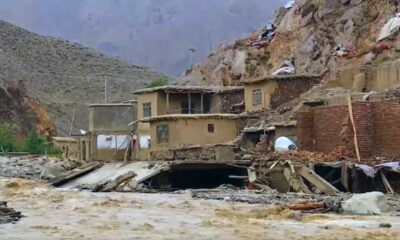
Severe rainfall and natural disasters cause heavy casualties across Afghanistan
-
 Latest News4 days ago
Afghan citizens reported among casualties in US, Israeli attacks, Iran says
-
 Latest News4 days ago
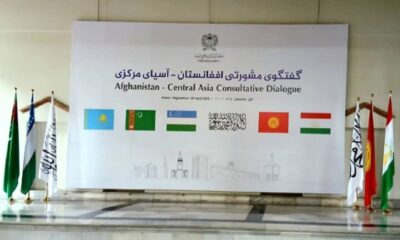
Kabul to host ‘Afghanistan–Central Asia Consultative Dialogue’ tomorrow