
Latest News
Ex-Pakistan envoy says US no longer values her country due to Afghanistan
She stated that Pakistan should be cautious about external pressures and emphasised the importance of addressing issues internally, rather than relying on foreign influence.

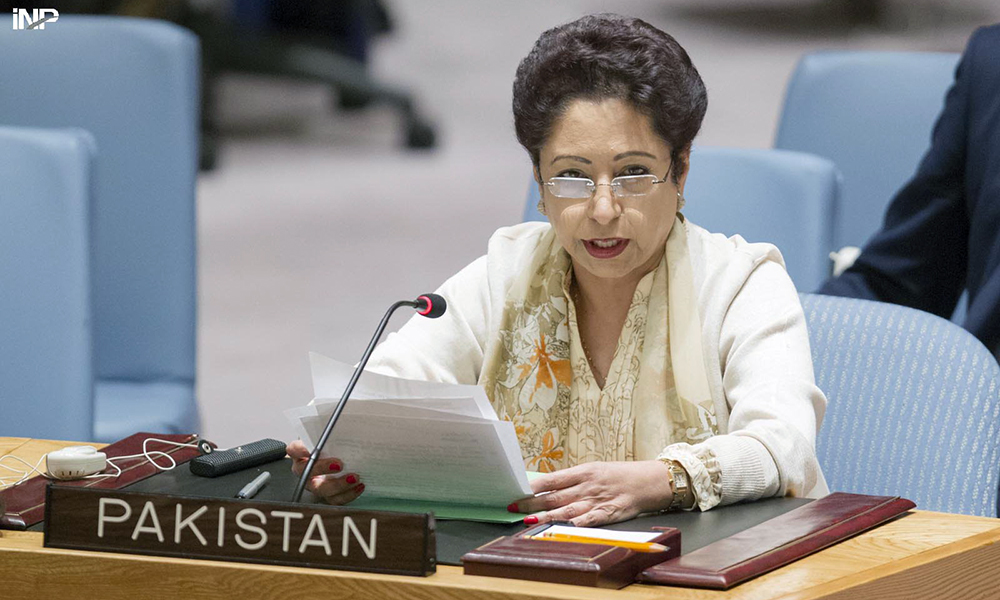
Maleeha Lodhi, Pakistan’s former ambassador to the United States, has stated that Pakistan’s significance to the US, once driven by its role in Afghanistan, has diminished.
In an interview with a private television channel Wednesday, Lodhi expressed that Pakistan is no longer a priority for the United States, as the geopolitical landscape has shifted.
She explained that Pakistan’s importance to the US was closely linked to Afghanistan, but now, with that issue no longer central, Pakistan is not a priority in US foreign policy. Lodhi emphasised that US policy is now driven by its own interests.
Reflecting on the political situation, she noted that there are differing opinions within Pakistan regarding the timing of resolving PTI’s issues. Some believe the PTI’s concerns should be resolved before Donald Trump assumes the presidency, while others believe that both the PTI and the government have nothing to gain from continuing the standoff, hence the recent progress.
Lodhi further discussed the significance of Donald Trump’s upcoming presidency, stating that until Trump formally takes office, his comments and tweets carry no official weight. She clarified that any remarks from Trump’s associates are personal opinions, not official statements.
On the issue of military courts, Lodhi acknowledged the clear stance of Western nations, particularly the European Union, which has warned that Pakistan’s GSP Plus status could be at risk due to the ongoing use of military courts.
She stated that Pakistan should be cautious about external pressures and emphasised the importance of addressing issues internally, rather than relying on foreign influence.
Lodhi concluded by expressing concern that such statements and international pressures negatively affect Pakistan’s image, adding that the country must resolve its own issues without relying on external forces.
On December 24, US expressed its concerns over the convictions of civilians in Pakistani military courts, calling for fair trials and respect for human rights.
US State Department Spokesperson Matthew Miller in his post on X said, “The United States is concerned by the sentencing of Pakistani civilians in a military tribunal and calls upon Pakistani authorities to respect the right to a fair trial and due process.”



Latest News
Trump: Unlike Afghanistan, US took all equipment from Iraq
Trump said the withdrawal from Iraq marked the end of what he described as a costly military involvement, adding that he had set a clear mission and instructed commanders to complete it without allowing the US presence to become permanent.
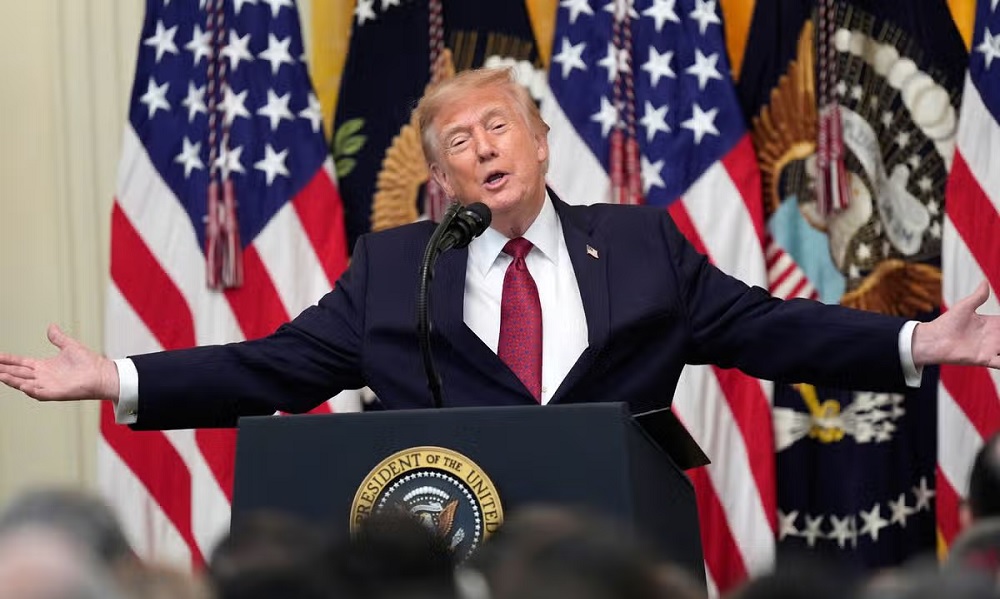
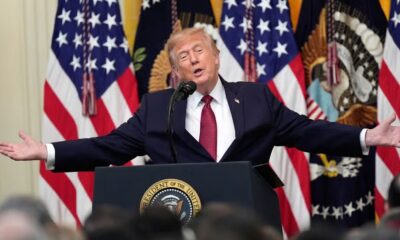
US President Donald Trump on Wednesday compared the withdrawal of US forces from Iraq with the 2021 US withdrawal from Afghanistan, saying military equipment had been left behind in Afghanistan, while US forces leaving Iraq took their equipment with them.
Speaking at a White House event, Trump referred to the final departure of US-led coalition forces and equipment from Erbil Air Base in northern Iraq, which marked the end of the US military mission against Daesh in Iraq.
“I said, take a little longer. Take everyone. We left all of the equipment, if you remember, in Afghanistan. Everything was left behind,” Trump said.
“I said, ‘I want every screw taken. If there’s a screw lying on the ground, take it. If we have a canvas tent, take it.’ We took everything,” he added.
He also mentioned the August 2021 attack at Kabul airport that killed 13 US soldiers.
Trump said he had become acquainted with the families of the US service members killed in the attack and also highlighted those who were seriously wounded.
“What happened to those—to their children should never have been allowed to happen,” he said, adding that 48 wounded service members were severely injured and “never get mentioned.”
Trump said the withdrawal from Iraq marked the end of what he described as a costly military involvement, adding that he had set a clear mission and instructed commanders to complete it without allowing the US presence to become permanent.
The US military announced on Wednesday that its forces and equipment had completed an orderly departure from Erbil Air Base, formally ending Operation Inherent Resolve in Iraq. The US-led mission began in 2014 to fight Daesh after the group seized large areas of Iraq and Syria. The US is continuing its counter-Daesh mission in Syria from a headquarters in Jordan.
Trump said the US had entered Iraq to fight the Islamic State and that the group no longer controlled a territorial “caliphate.”
“We came to fight a caliphate, and there is no longer a caliphate, so we are going home indeed,” he said.
Latest News
Karzai condemns Pakistani airstrikes on Kunar and Helmand
In a statement, Karzai expressed condolences to the families of those killed and wished a swift recovery to those injured.
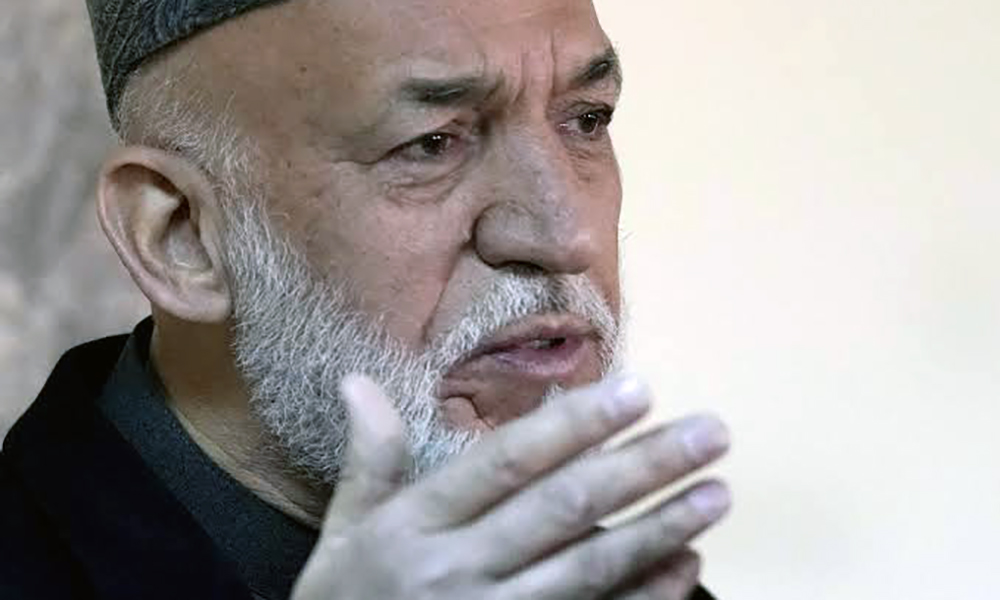
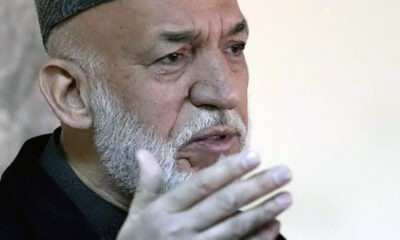
Former Afghan President Hamid Karzai has strongly condemned recent Pakistani airstrikes on residential areas in Kunar and Helmand provinces, saying the attacks resulted in civilian casualties, including women and children.
In a statement, Karzai expressed condolences to the families of those killed and wished a swift recovery to those injured.
Karzai described the actions by Pakistani forces as a violation of Afghanistan’s sovereignty and territorial integrity, stressing that Afghans would stand united in defending their country against foreign aggression.
He also called on Pakistan’s leaders to review what he described as confrontational and hostile policies toward Afghanistan, urging Islamabad to avoid actions that harm Afghan civilians.
Karzai further called for an end to the promotion of extremism and division, and urged Pakistan to engage with Afghanistan on the basis of good-neighborly relations and civilized cooperation.
Latest News
Moscow to host 8th meeting of Afghanistan consultations on October 5
Russian Foreign Minister Sergey Lavrov is expected to address the participants during the consultations.
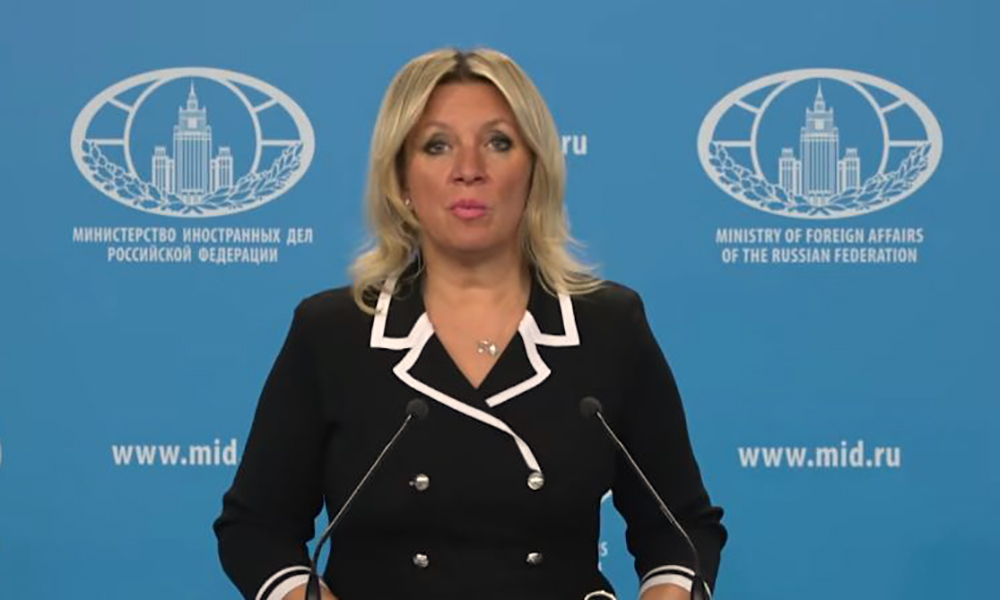
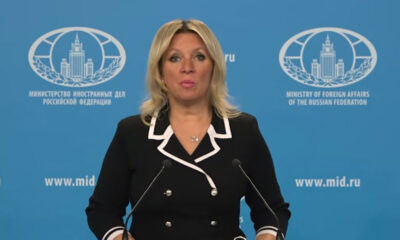
The eighth round of the Moscow Format consultations on Afghanistan will be held in Moscow on October 5, Russian Foreign Ministry spokesperson Maria Zakharova said Wednesday.
The meeting will bring together special representatives and senior officials from Afghanistan, Russia, China, Iran, India, Pakistan, Kazakhstan, Kyrgyzstan, Tajikistan and Uzbekistan.
Belarus and Egypt have also been invited to participate as guest countries, Zakharova said during a briefing.
Russian Foreign Minister Sergey Lavrov is expected to address the participants during the consultations.
According to Zakharova, the Afghan delegation will be led by Afghanistan’s foreign minister, who is also scheduled to hold a separate meeting with Lavrov on the sidelines of the event.
The bilateral talks are expected to focus on current issues related to cooperation between Russia and Afghanistan.
At the broader consultations, participants are expected to discuss political and economic cooperation between Afghanistan and regional countries, as well as efforts to strengthen regional cooperation in combating terrorism and drug trafficking.
A joint statement is expected to be adopted at the conclusion of the meeting, Zakharova said.


Rashid Khan, Azmatullah Omarzai maintain top spots in ICC ODI rankings

Trump: Unlike Afghanistan, US took all equipment from Iraq

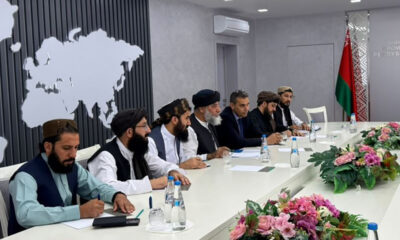
Afghanistan, Belarus discuss expanding industrial and trade cooperation

Karzai condemns Pakistani airstrikes on Kunar and Helmand

Moscow to host 8th meeting of Afghanistan consultations on October 5

Saudi energy group signs major Afghanistan deals covering gas exploration and pipeline plans

Iranian clubs to face Gulf opponents at neutral venues in Asian Champions League Elite

Khalilzad: Afghanistan ready to attract major investment

Ariana Television Network secures exclusive rights to Afghanistan’s 2026/27 cricket series

El Niño likely to intensify, may become strongest ever recorded, WMO says

Tahawol: Improvement in Afghanistan-China relations discussed

Saar: Expanding ties with regional and global countries discussed

Tahawol: Absence of Afghanistan’s envoy at UNGA discussed

Saar: Assessment of war between Afghanistan and US discussed

Saar: Afghanistan’s image at UNGA
-

 Sport4 days ago
Afghan bodybuilder Ali Bilal finishes runner-up at Mr Olympia for third straight year
-

 Latest News4 days ago
Afghanistan says 28 killed, 32 captured in Nuristan operation
-
 World4 days ago
Trump rejects Iranian proposal to open Hormuz and end fighting
-

 Sport5 days ago
Afghanistan Champions League: Omar Zawak Herat beat Toofan Herat 1-0
-
 Latest News4 days ago
UNDP, UN Women launch financing initiative for Afghan women entrepreneurs
-
 Sport3 days ago
Afghanistan vs India Asian Games quarter-final abandoned without a toss
-
 Latest News4 days ago
Germany reports 488 Afghans for possible deportation, 267 have no criminal convictions
-
 Regional4 days ago
Aimal Wali Khan calls Dera Ismail Khan attack a ‘state failure’