
Health
Experts warn bird flu virus changing rapidly in largest ever outbreak

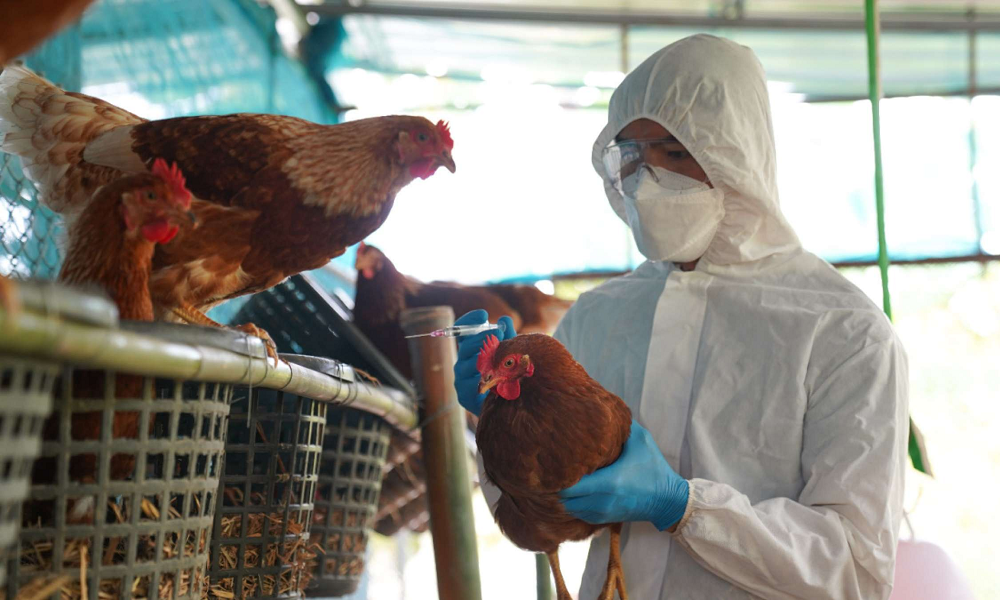
The virus causing record cases of avian influenza in birds across the world is changing rapidly, experts have warned, as calls increase for countries to vaccinate their poultry.
While emphasizing that the risk to humans remains low, the experts who spoke to AFP said that the surging number of bird flu cases in mammals was a cause for concern.
Since first emerging in 1996, the H5N1 avian influenza virus had previously been confined to mostly seasonal outbreaks.
But “something happened” in mid-2021 that made the group of viruses much more infectious, according to Richard Webby, the head of a World Health Organization collaborating center studying influenza in animals.
Since then, outbreaks have lasted all year round, spreading to new areas and leading to mass deaths among wild birds and tens of millions of poultry being culled, AFP reported.
Webby, who is a researcher at St Jude Children’s Research Hospital in the US city of Memphis, told AFP it was “absolutely” the largest outbreak of avian influenza the world had seen.
He led research, published this week in the journal Nature Communications, showing how the virus rapidly evolved as it spread from Europe into North America.
The study said the virus increased in virulence, which means it causes more dangerous disease, when it arrived in North America.
The researchers also infected a ferret with one of the new strains of bird flu.
They found an unexpectedly “huge” amount of the virus in its brain, Webby said, indicating it had caused more serious disease than previous strains.
Emphasizing that the risk in humans was still low, he said that “this virus is not being static, it’s changing”.
“That does increase the potential that even just by chance” the virus could “pick up genetic traits that allow it to be more of a human virus,” he said.
In rare cases, humans have contracted the sometimes deadly virus, usually after coming in close contact with infected birds.
The virus has also been detected in a soaring number of mammals, which Webby described as a “really, really troubling sign”.
Last week Chile said that nearly 9,000 sea lions, penguins, otters, porpoises and dolphins have died from bird flu along its north coast since the start of the year, AFP reported.
Most mammals are believed to have contracted the virus by eating an infected bird.
But Webby said that what “scares us the most” are indications from a Spanish mink farm, or among sea lions off South America, that the virus could be transmitting between mammals.
Ian Brown, virology head at the UK’s Animal and Plant Health Agency, said there has not yet been “clear evidence that this virus is easily sustaining in mammals.”
While the virus is changing to become “more efficient and more effective in birds,” it remains “unadapted to humans,” Brown told AFP.
Avian viruses bind to different receptors on the host cell than human viruses, Webby said.
It would take “two or three minor changes in one protein of the viruses” to become more adapted to humans, he said.
“That is what we’re really looking out for.”
Vaccinating poultry
One way to bring down the number of total bird flu cases, and therefore reduce the risk to humans, would be for countries to vaccinate their poultry, Webby said.
A few nations including China, Egypt and Vietnam have already held vaccination campaigns for poultry.
But many other countries have been reluctant due to import restrictions in some areas, and fears vaccinated birds that nonetheless get infected could slip through the net.
In April, the United States started testing several vaccine candidates for potential use on birds.
France recently said it hopes to start vaccinating poultry as early as autumn this year.
Christine Middlemiss, the UK’s chief veterinary officer, said that vaccinating poultry was not “a silver bullet because the virus changes constantly”.
But traditionally reluctant countries should consider vaccinating poultry more often, Middlemiss told AFP at an event at the UK’s embassy in Paris last week.
World Organisation for Animal Health director general Monique Eloit said that the issue of vaccinating poultry should be “on the table”.
After all, “everyone now knows that a pandemic is not just a fantasy — it could be a reality,” she added.

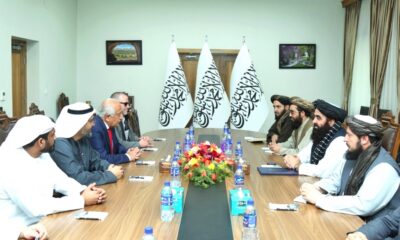





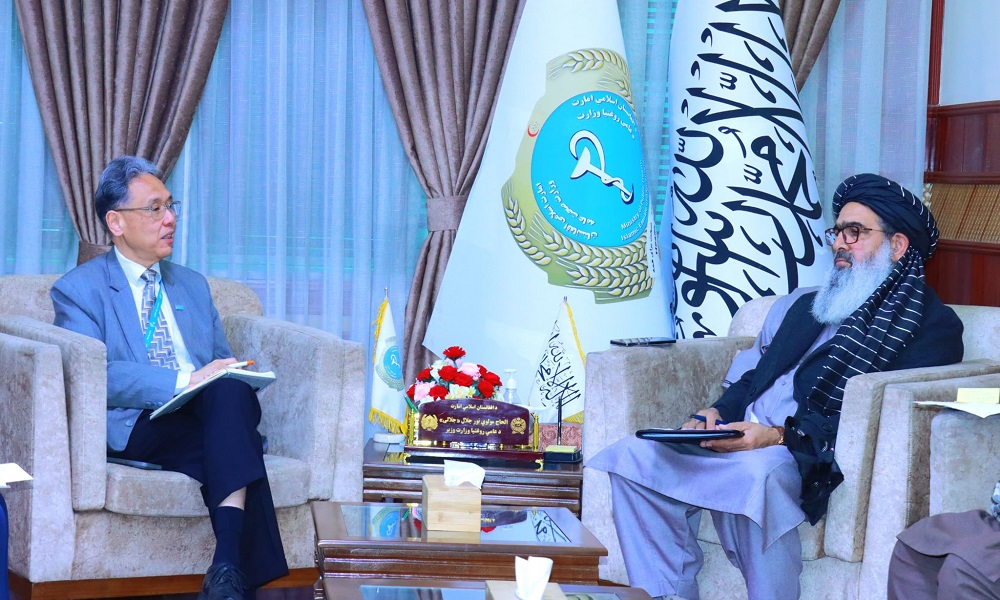
Afghanistan’s Minister of Public Health, Noor Jalal Jalali, met with the head of the World Health Organization in Afghanistan, Edwin Ceniza Salvador, to discuss expanding healthcare services and strengthening coordination in the country.
According to a statement issued Tuesday by the Ministry of Public Health, the meeting was attended by officials from the WHO and other representatives and focused on key health sector priorities and areas of mutual cooperation.
Participants discussed the expansion of health services across Afghanistan, capacity-building initiatives for healthcare workers, and the development of cancer-related services. They also reviewed operational coordination, transparency in the delivery of health services, and preparations for upcoming health-related meetings.
During the meeting, Jalali emphasized the importance of aligning health projects and services with the ministry’s national policies and strategic documents.
He stressed that all health initiatives should be implemented based on the priorities and needs identified by the Ministry of Public Health.
The minister also urged WHO officials to enhance transparency and strengthen coordination with the ministry while taking practical steps to improve the quality of health services and ensure broader public access to healthcare across the country.
For his part, Salvador reaffirmed the WHO’s commitment to maintaining close cooperation with the Afghan health ministry and to delivering essential health services in accordance with the ministry’s policies and priorities.
Health
Afghanistan faces acute shortage of specialist doctors, officials urge ethics and expansion of health services
Noor Jalal Jalali, the Minister of Public Health, said the ministry is making sustained and intensive efforts to address the gap and expand access to healthcare services in remote and underserved areas of the country.
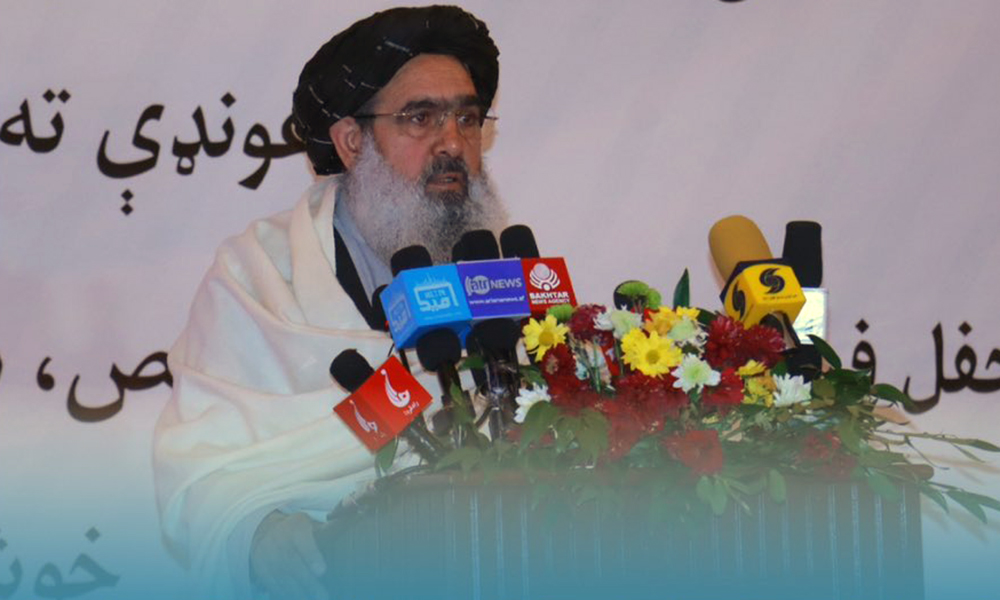
Afghanistan is continuing to face a serious shortage of specialist doctors, health officials said during the graduation ceremony of specialist physicians from the General Directorate of Medical Specialization for the year 1404.
Noor Jalal Jalali, the Minister of Public Health, said the ministry is making sustained and intensive efforts to address the gap and expand access to healthcare services in remote and underserved areas of the country.
According to Jalali, hospitals are still absent across 318 districts nationwide. He added that initial construction work for hospitals has been completed in 100 of these areas, stressing that strengthening health infrastructure and training qualified specialists remain top priorities for the ministry.
Jalali also called on doctors and health officials to uphold their professional and religious responsibilities by treating patients with compassion, dignity, and good conduct. He emphasized that medical practice should not be driven by material gain, but by the pursuit of public service and the well-being of the people.
Speaking at the same ceremony, Hamdullah Nomani, Minister of Communications and Information Technology noted a decline in public trust toward some medical professionals, saying that despite the presence of many committed and ethical doctors, the behavior of a few motivated solely by financial gain has undermined patient confidence. He urged newly graduated specialists to serve with sincerity and restore public trust in Afghanistan’s healthcare system.
Meanwhile, Abdul Wali Sadiqi, the financial and administrative deputy minister of public health, advised graduates to remain committed to their profession, fulfill their responsibilities honestly, and serve the public with dedication. He stressed that efforts in national service should match those made in personal affairs.
In addition, Abdul Baqi Haqqani, head of the National Examinations Authority, highlighted that humans carry two fundamental responsibilities: worship of Allah and preservation of health, underscoring the vital role doctors play in safeguarding public health.
Health sector experts say Afghanistan now needs skilled and professional medical personnel more than ever, calling for increased investment in specialist training and healthcare infrastructure to meet the country’s growing needs.
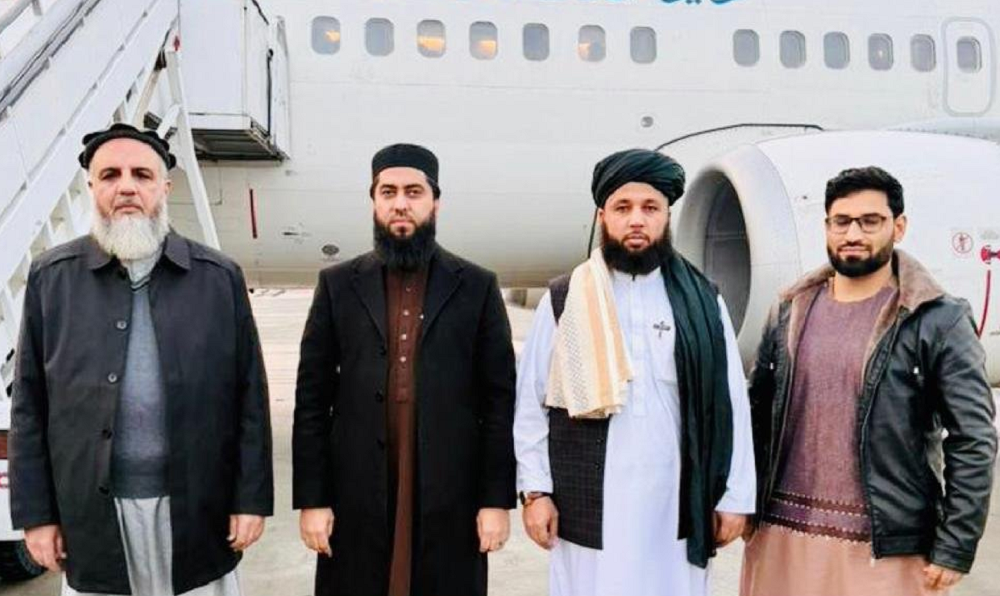
Naemullah Ayoubi, Director General of Drug and Health Products Regulation at Afghanistan’s Ministry of Public Health, has departed for Turkey on an official visit accompanied by a technical delegation.
The Ministry of Public Health said the delegation will hold meetings with officials from Turkey’s pharmaceutical regulatory authority and discuss a number of key issues related to the regulation of medicines and health products.
The delegation is also scheduled to visit several pharmaceutical manufacturing factories in Turkey.
According to the ministry, the visit aims to strengthen coordination between the two countries in the production and import of medicines, in order to ensure the availability of high-quality and affordable pharmaceuticals for people in Afghanistan in both the short and long term.


Saar: Discussion on criticism of Pakistan’s policies

Islamic Emirate releases American prisoner Dennis Coyle

UK announces additional £3 million in aid for vulnerable people in Afghanistan

Around 2.3 million tourists visited Afghanistan’s recreational areas during Eid: Ghufran

Berlin does not recognize IEA envoy as charge d’affaires of Afghan embassy

Pakistani military jet downed in Afghanistan’s Jalalabad, pilot captured alive

Afghan Air Force conducts airstrikes in Islamabad, other cities

Prominent Muslim scholar issues fatwa calling for Afghanistan-Pakistan ceasefire

Afghan air force strikes key Pakistani military installations in retaliatory operation

IEA: Special circle in Pakistan has launched mission to destabilize region

Tahawol: Possibility of US ground forces entering Iran war discussed

Saar: Using US prisoners as political pressure

Tahawol: Pakistan’s efforts to destabilise Afghanistan

Saar: Decline in international assistance to Afghanistan

Tawsia: Assessment of Afghanistan’s economic activities in 1404
-

 Sport4 days ago
Afghanistan national buzkashi falls short in Kokpar World Championship semifinals
-

 Sport3 days ago
Ireland to host Afghanistan for ODI series in August
-

 Latest News3 days ago
Mojtaba Khamenei calls for improved Afghanistan–Pakistan relations, offers help
-

 Latest News2 days ago
Deadly violence likely without dialogue between Afghanistan and Pakistan: ICG
-

 Sport4 days ago
FIFA sanctions Israeli Football Association over discrimination violations
-

 Latest News3 days ago
Malaysian PM welcomes temporary Afghanistan–Pakistan truce, urges lasting peace
-
 Latest News4 days ago
IEA defense ministry accuses Pakistan of ceasefire violations
-

 Latest News1 day ago
Pakistan seeks Russian mediation to resolve Afghanistan tensions