
Latest News
France, FAO, and UNICEF launch €2 million aid program for quake-affected communities
Dr. Tajudeen Oyewale, UNICEF Representative, added that nearly 80% of Afghan children affected by malnutrition are under two, making early intervention critical.

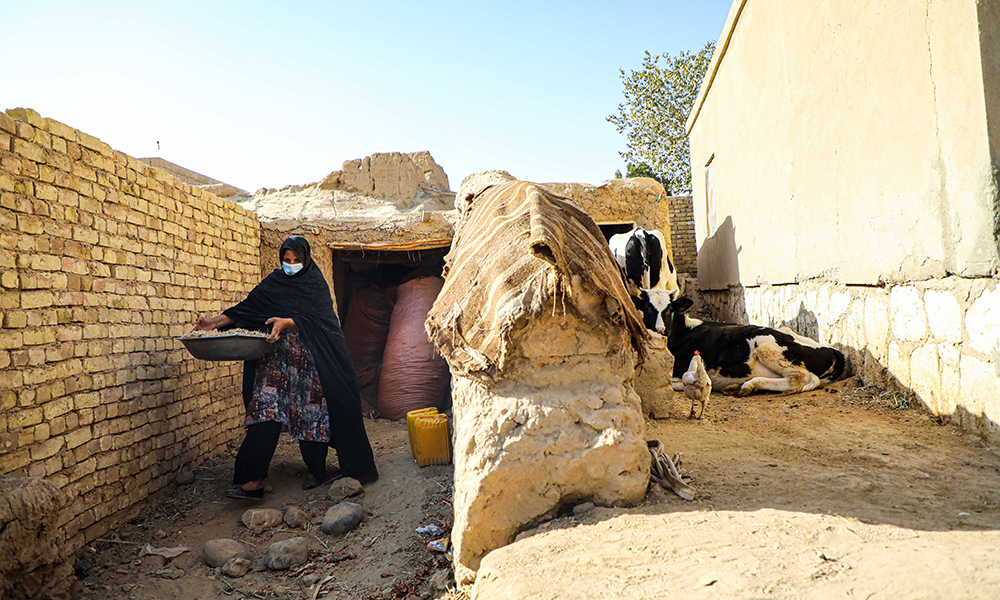
The Food and Agriculture Organization (FAO), UNICEF, and the Government of France have launched a €2 million initiative to support communities in eastern Afghanistan affected by the August 2025 earthquake.
The project, funded under the French Initiative for Food Security and Nutrition (FIFSAN), aims to restore food security, improve nutrition, and protect livelihoods, particularly for women and children.
The programme will directly reach 51,870 people in Kunar and Nangarhar provinces, with indirect benefits for approximately 190,000 more, focusing on rebuilding productive assets, promoting household food production, and reducing malnutrition.
Using FAO’s Cash+ approach, families will receive unconditional cash transfers, livestock protection packages, poultry and vegetable support, and nutrition education. UNICEF will complement these efforts by improving access to nutritious first foods, promoting optimal infant and young child feeding, and strengthening WASH services to prevent malnutrition.
“Targeted support gives families the space to recover with dignity rather than being forced into impossible choices,” said Richard Trenchard, FAO Representative in Afghanistan.
Dr. Tajudeen Oyewale, UNICEF Representative, added that nearly 80% of Afghan children affected by malnutrition are under two, making early intervention critical.
The joint initiative addresses both immediate needs and the long-term recovery of food systems, nutrition, and livelihoods in a region still reeling from natural disasters and repeated crises.




Latest News
Mujahid: Afghanistan’s borders secure, territory will not be used against other countries
Mujahid said the country’s border forces are fully responsible for safeguarding Afghanistan’s territorial integrity and national interests.
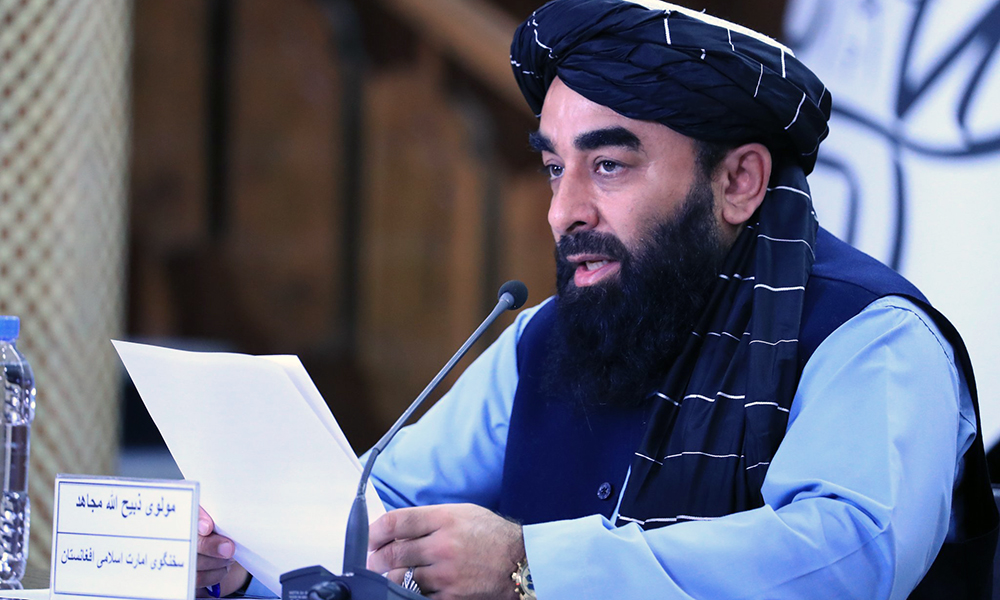
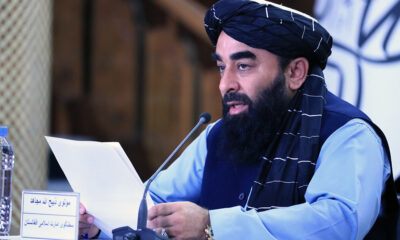
Islamic Emirate spokesman Zabihullah Mujahid says Afghanistan’s border security remains under control, stressing that attempts by smugglers and what he described as “criminal elements” to create instability are swiftly neutralized by border forces.
Speaking at the “Government Program Through the Lens of the Media” briefing on Tuesday, Mujahid said the country’s border forces are fully responsible for safeguarding Afghanistan’s territorial integrity and national interests, adding that the security situation along the borders is stable and reliable.
He said smugglers and “criminal elements” occasionally attempt to create security challenges in border areas, but maintained that such incidents are brought under control within minutes by Islamic Emirate forces.
Mujahid also highlighted the performance of the Ministry of Borders, Ethnicities and Tribes, saying it has made significant progress in strengthening national unity and resolving disputes over the past year.
According to him, the ministry settled 432 disputes during the past year and organized 33 major tribal and public gatherings across the country’s provinces aimed at promoting reconciliation and social cohesion.
Reiterating the Islamic Emirate’s foreign policy, Mujahid said the government follows an economy-oriented and connectivity-based approach and seeks positive relations with all countries in the region and beyond.
He also reaffirmed that Afghan territory will not be used against any other country, describing the policy as a key principle of the Islamic Emirate’s engagement with the international community.
Latest News
UNAMA: 57 civilians killed in Pakistan attacks in three months
The report comes as Afghan rights organization Rawadari released a separate assessment claiming that at least 472 civilians have been killed and 715 others injured in Pakistani attacks over the past 18 months.
The United Nations Assistance Mission in Afghanistan (UNAMA) says 57 civilians were killed and 342 others injured in Pakistani security forces attacks between April 1 and June 30, 2026, according to its latest quarterly human rights report.
UNAMA said the casualties occurred as a result of armed violence along the Afghanistan-Pakistan frontier, with the dead including six women and 31 children. The mission noted that the highest number of civilian casualties was recorded during Pakistani airstrikes on the eastern provinces of Paktika, Kunar, and Paktia on June 28.
According to the report, UNAMA documented a total of 399 civilian casualties during the three-month period, comprising 57 deaths and 342 injuries. Overall, the victims included 40 women and 112 children. The mission said airstrikes and ground engagements were the primary causes of civilian harm and attributed all civilian casualties recorded during the reporting period to Pakistani security forces.
The report comes as Afghan rights organization Rawadari released a separate assessment claiming that at least 472 civilians have been killed and 715 others injured in Pakistani attacks over the past 18 months.
Rawadari said the attacks displaced more than 29,000 families and damaged or destroyed hundreds of civilian facilities, including healthcare centers, schools, mosques, and residential homes, in at least 50 separate incidents across Afghanistan.
The organization identified the attack on the Omid Drug Treatment Center in Kabul as the deadliest incident during the reporting period, saying at least 300 people were killed or wounded. It added that other human rights organizations have previously described such attacks as potential war crimes and called for those responsible to be held accountable.
Meanwhile, Afghanistan’s Ministry of Foreign Affairs described Pakistan’s attacks as a violation of the country’s sovereignty and rejected Islamabad’s claims that the strikes targeted armed militants. The ministry urged the international community to condemn what it called Pakistan’s “aggressive actions.”
For its part, the Pakistani Embassy in Kabul told UNAMA that armed groups opposed to the Pakistani government continue to use Afghan territory to launch attacks against Pakistan.
The Islamic Emirate has repeatedly rejected the allegation, calling it baseless.
Latest News
Badakhshan information chief killed in armed attack; tribal elder also slain in Nimroz
One of the attackers was shot dead by Amiri’s security guards during the incident,
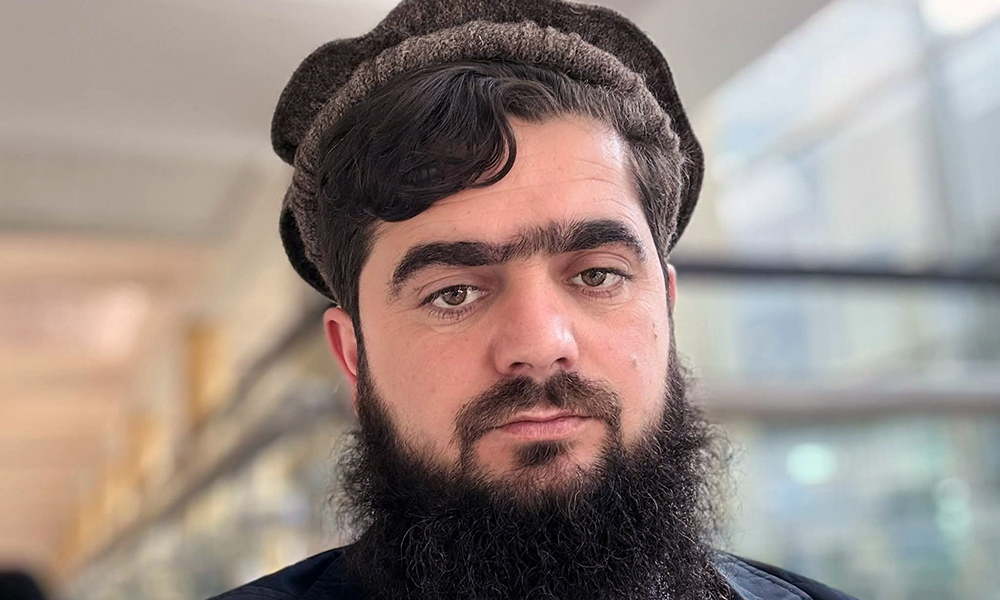
The head of the Information and Culture Department in Afghanistan’s northeastern Badakhshan province was killed on Tuesday after being attacked by armed men riding motorcycles, local officials said.
Ehsanullah Kamgar, spokesman for the Badakhshan Police Command, said Zabihullah Amiri, the provincial director of Information and Culture, came under attack while traveling on the Faizabad–Baharak road on Tuesday morning.
Kamgar confirmed that Amiri was killed in the attack.
He added that one of the attackers was shot dead by Amiri’s security guards during the incident, while security forces are continuing efforts to identify and apprehend the remaining suspects.
The motive behind the attack has not yet been disclosed.
The killing came a day after another deadly attack in western Afghanistan.
According to the Nimroz Police Command, unidentified gunmen opened fire on Haji Abdul Khaliq Noorzai, a prominent tribal elder, on Monday in Zaranj, the provincial capital.
Police spokesman Gul Mohammad Qudrat said Noorzai and his nephew were killed in the attack, while two other people sustained injuries.
Authorities said the motive for the shooting remains unknown. Security forces have launched an investigation and are working to identify and arrest those responsible.
Officials said further details will be released after the investigation is completed.


Mujahid: Afghanistan’s borders secure, territory will not be used against other countries

UNAMA: 57 civilians killed in Pakistan attacks in three months

Afghanistan, Uzbekistan sign $50 million worth of trade agreements at Mazar-e-Sharif forum

Badakhshan information chief killed in armed attack; tribal elder also slain in Nimroz

UK appoints Stephen Doughty as Minister responsible for Afghanistan and Pakistan

India offers 1,000 online scholarships for Afghan students for 2026-27 academic year

Afghanistan eyes direct Basmati rice imports from India amid tensions with Pakistan

Cricket world pays tribute to Afghanistan fast bowler Shapoor Zadran

Turkey spent over $120 million to prepare airport for Qatar-donated U.S. presidential aircraft

Thousands pay final respects as Afghan cricketer Shapoor Zadran buried in Kabul

Tahawol: Afghanistan–Uzbekistan Economic Cooperation Enters New Phase

Saar: Growing Criticism in Pakistan Over Islamabad’s Afghanistan Policy

Tahawol: Trump halting major Iran escalation

Saar: Afghanistan-Uzbekistan economic ties

Tahawol: New developments ahead in the Middle East discussed
-
 Latest News2 days ago
Badakhshan Governor, Army Chief reaffirm commitment to Afghanistan’s security
-
 Latest News4 days ago
Five armed men killed while attempting to cross Durand Line into Badakhshan
-
 Latest News3 days ago
U.S. government plan to interview Afghan refugees raises deportation concerns
-
 Latest News4 days ago
Iran reiterates call for inclusive government in Afghanistan
-
 Latest News3 days ago
Afghanistan, Turkey discuss expanding agricultural cooperation
-
 Business4 days ago
Over 205,000 Afghans visit Uzbekistan for trade and business in six months
-

 Regional2 days ago
US pauses strikes on Iran as diplomatic efforts gather pace amid regional tensions
-

 World5 days ago
Trump links Saudi nuclear deal to Israel normalization through Abraham Accords