
Latest News
Haqqani calls for unity, urges Afghans to put national interests above personal gain
“Security forces must guide the people gently toward Islamic values, treating them with kindness and respect,” Haqqani said, adding that respectful engagement would strengthen trust between citizens and the government.

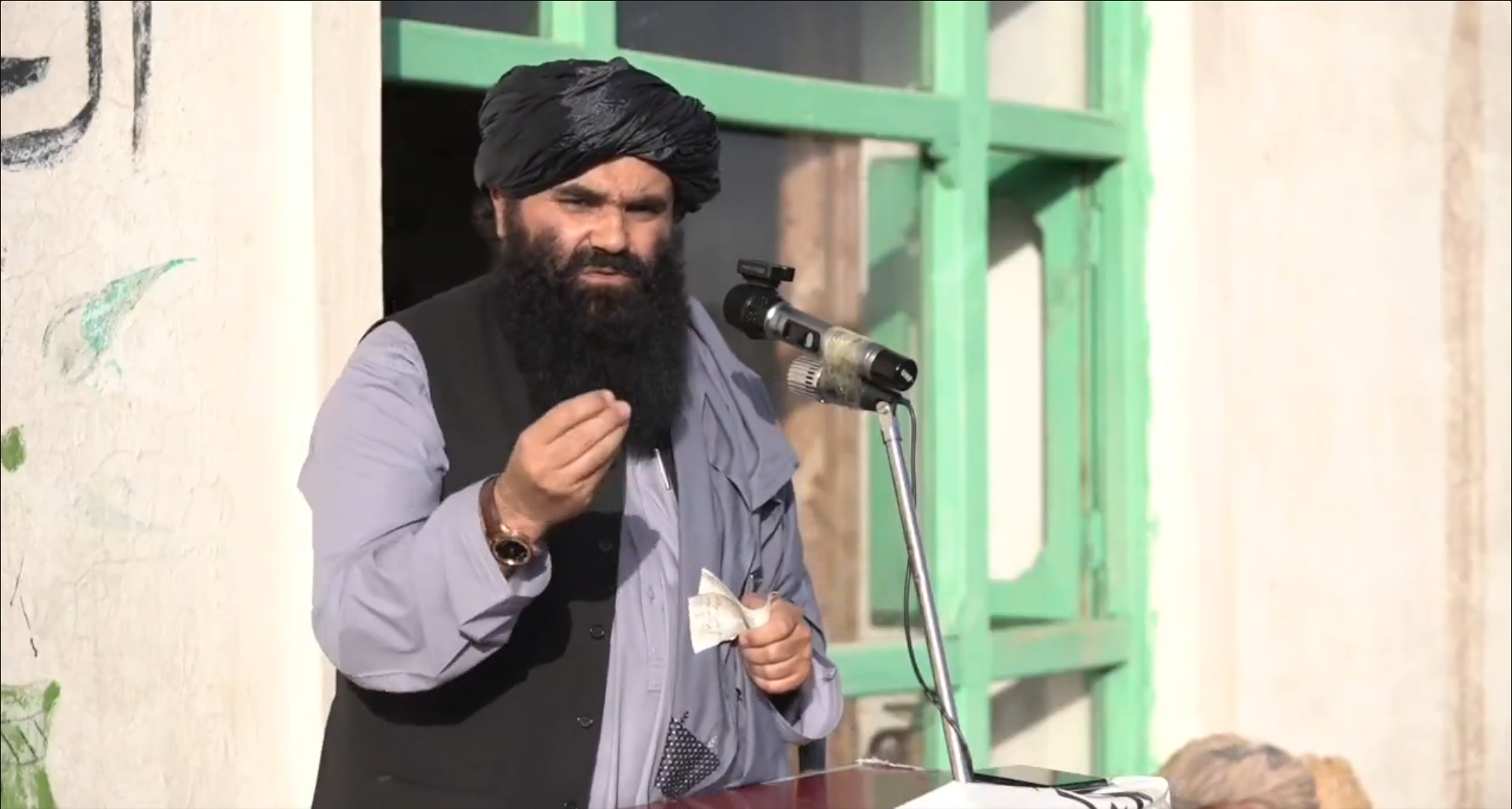
Afghanistan’s Minister of Interior Affairs, Sirajuddin Haqqani, has called on Afghans to strengthen unity and prioritize the country’s national interests over personal ambitions, stressing that cohesion between the people and the government is essential for stability and progress.
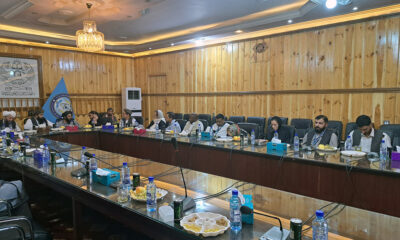
Speaking at a large public gathering in Dila district of Paktika province on Tuesday, Haqqani said the spirit of unity that defined the Afghan people during the years of “Jihad” must now guide the nation in rebuilding and preserving peace.
“Just as we were united during the time of Jihad, we must now remain united as in the past and prioritize national interests over personal ones,” he said, according to a statement released by the Ministry of Interior.
Haqqani emphasized that both religion and homeland hold deep meaning for Afghans, urging citizens to work collectively “with firm belief” for the country’s advancement.
“For Afghans, religion and homeland hold special importance. Therefore, we must all with firm belief work together for the advancement of the country,” he said.
The interior minister reiterated that the Islamic Emirate’s “arms are open” to all Afghans, stressing the need for national solidarity and reconciliation as the foundation for lasting peace. He also advised security forces to act as guardians of the people — guiding them toward Islamic values through compassion rather than force.
“Security forces must guide the people gently toward Islamic values, treating them with kindness and respect,” Haqqani said, adding that respectful engagement would strengthen trust between citizens and the government.
Haqqani praised the people of Dila district for their sacrifices during the years of conflict, saying their role in the establishment of the Islamic system would not be forgotten.
“Although this district may be materially underprivileged, it holds significant spiritual importance,” he remarked.
The visit comes as the Ministry of Interior continues to emphasize local outreach across Afghanistan, seeking to consolidate the Islamic Emirate’s administrative and security structures while reinforcing its message of unity and Islamic governance.
Observers note that Haqqani’s remarks echo the administration’s broader effort to foster internal cohesion amid ongoing economic challenges, international isolation, and security concerns along the borders.
In recent months, Haqqani has been one of the senior figures within the Islamic Emirate to frequently highlight the importance of public trust, moderation in enforcement, and the prioritization of Afghanistan’s national interests over factional or tribal divisions — a theme increasingly invoked by officials seeking to present a message of internal reform and unity.
The emphasis on national solidarity also comes as Afghanistan faces pressing issues including unemployment, declining aid, and strained relations with neighboring Pakistan following border clashes and airspace violations.
By urging Afghans to “work together for the advancement of the country,” Haqqani’s message aims to reinforce a sense of shared responsibility at a time when the Islamic Emirate is seeking broader domestic legitimacy and stability after more than three years in power.


Latest News
Afghanistan condemns alleged drone attack on Mecca
Balkhi also warned that any threat to the holy sites could deeply anger Muslims and contribute to further instability in the region.
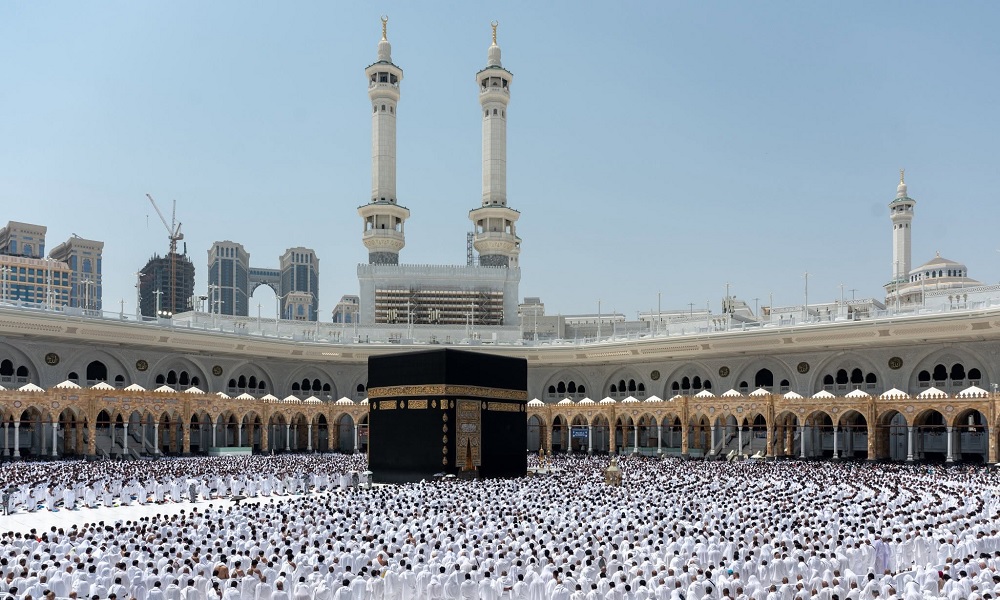
Afghanistan’s Ministry of Foreign Affairs has strongly condemned an alleged drone attack on Mecca, calling any threat to the Two Holy Cities an “unforgivable crime.”
“Any action against the Two Holy Cities that threatens the security and sanctity of these sacred sites is an unforgivable crime,” Abdul Qahar Balkhi, spokesperson for the ministry, said.
He stressed that the Two Holy Cities are sacred and highly respected sites shared by the Muslim world, and that their security and sanctity must be protected from conflicts, violence and military actions.
Balkhi also warned that any threat to the holy sites could deeply anger Muslims and contribute to further instability in the region.
Saudi Arabia’s air defences intercepted and destroyed a Houthi drone south of Mecca on Tuesday before it entered prohibited airspace over the holy city, said a spokesman for the Saudi-led military coalition fighting Yemen’s Iran-aligned Houthis.
A Houthi military source denied the group posed any threat to Mecca or other holy sites, in comments carried by the Houthi-run SABA news agency on Tuesday.
Latest News
Quetta commissioner calls for stronger coordination on Afghan refugee repatriation
According to the briefing, approximately 23,000 Afghan refugees remain in Quetta, with relevant departments continuing efforts to facilitate their repatriation.
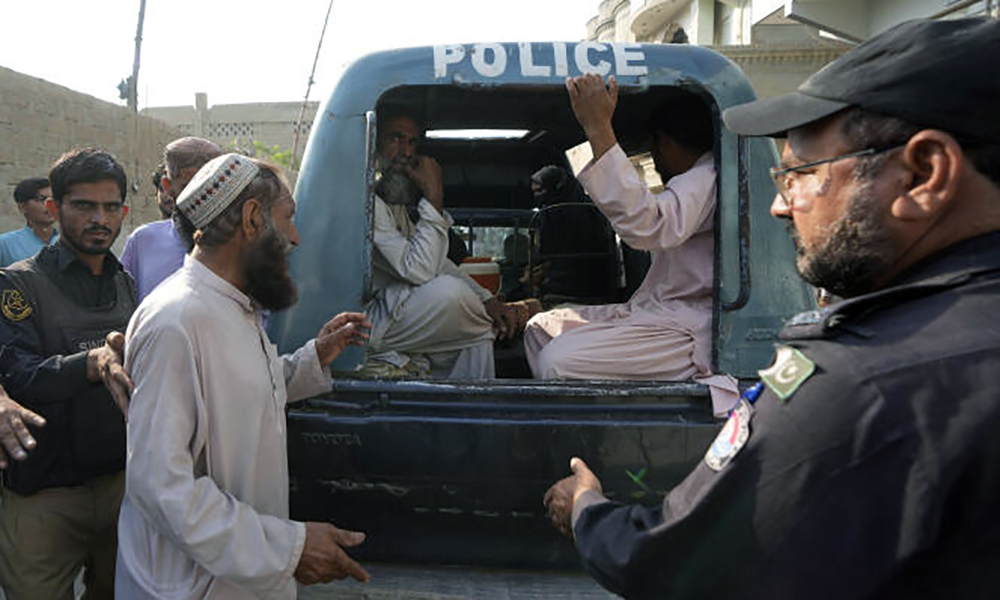
Quetta Commissioner Zeeshan Lashari has directed relevant departments to strengthen coordination to ensure the effective repatriation of Afghan refugees from Balochistan to Afghanistan.
A meeting chaired by Lashari reviewed administrative arrangements and measures related to the return of Afghan refugees.
Officials told the meeting that around 800,000 Afghan refugees in Balochistan have already been repatriated to Afghanistan, while more than 350,000 others have returned voluntarily.
According to the briefing, approximately 23,000 Afghan refugees remain in Quetta, with relevant departments continuing efforts to facilitate their repatriation.
The meeting also discussed the issue of Afghan refugees who return to Afghanistan but later attempt to re-enter Pakistan. Officials agreed to seek guidance from the Home Department on how such cases should be handled.
Lashari directed authorities to improve coordination among relevant institutions and ensure that the repatriation process is carried out effectively.
He also instructed officials to take action in accordance with applicable laws and government policy against those who attempt to re-enter Pakistan after returning to Afghanistan.
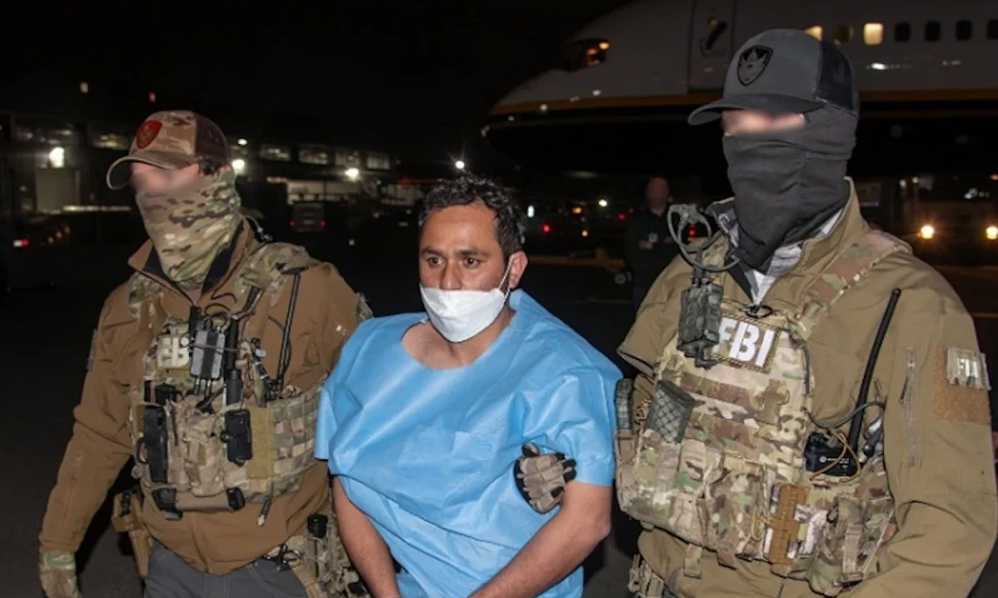
An Afghan man convicted in the United States of providing material support to ISIS-K has been sentenced to 20 years in prison in a case linked to the deadly 2021 bombing at Kabul airport.
A federal jury in Virginia convicted Mohammad Sharifullah in April of providing material support to ISIS-K. However, jurors could not reach a unanimous decision on whether he was responsible for deaths resulting from the August 26, 2021, attack at Abbey Gate.
The bombing, carried out by a suicide attacker during the US military withdrawal from Afghanistan, killed 13 US soldiers and around 160 Afghans, according to US authorities.
US prosecutors said Sharifullah’s role included scouting a route to the airport ahead of the attack. However, his lawyers argued that he was never convicted of directly participating in the bombing and that prosecutors had failed to establish a direct link between him and the attack.
Sharifullah, 28, did not testify during the trial and declined to address the court before sentencing. US District Judge Anthony Trenga imposed the maximum 20-year sentence for the conviction.
Prosecutors also accused Sharifullah of involvement in other attacks, including the 2024 attack on a concert hall in Moscow. His defense team disputed the allegations and said statements he made during FBI questioning were unreliable.
The case stems from the chaotic US military withdrawal from Afghanistan in August 2021. The Abbey Gate bombing was claimed by ISIS-K.
A US Central Command review previously identified the suicide bomber as Abdul Rahman al-Logari, an ISIS member who had been released from an Afghan prison before the attack.


Afghanistan condemns alleged drone attack on Mecca

Quetta commissioner calls for stronger coordination on Afghan refugee repatriation

US sentences Afghan man to 20 year in case linked to 2021 Kabul airport bombing

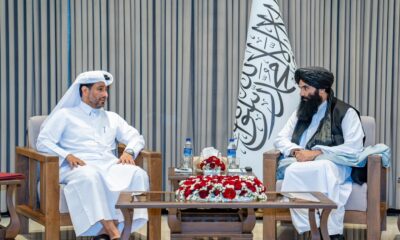
Top Qatari official meets Afghan interior minister in Kabul

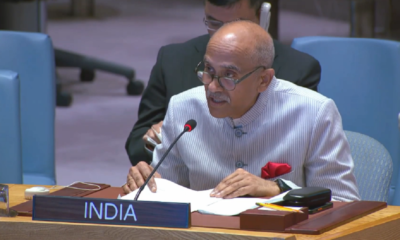
India urges world to ‘recognize Afghanistan’s new reality’ and change collective approach

Four mediators struggle to secure lasting Pakistan-Afghanistan ceasefire

Afghanistan’s trade diversification challenges Pakistan

Syria and Saudi Arabia condemn Kabul bombing, express solidarity with Afghanistan

Saudi energy group signs major Afghanistan deals covering gas exploration and pipeline plans

Afghanistan-India T20I series could see major schedule change

Tahawol: Afghanistan’s readiness for US relations discussed

Saar: UN Security Council meeting on Afghanistan discussed

Tahawol: Afghanistan at the center of UN discussions

Saar: Afghanistan’s relations with regional countries discussed

Tahawol: Houthis’ return to regional power dynamics
-
 Sport4 days ago
Zadran calls on Afghan fans to rally behind team against India
-
 Latest News4 days ago
Khalilzad warns US risks losing influence in Afghanistan to China and Russia
-
 Business4 days ago
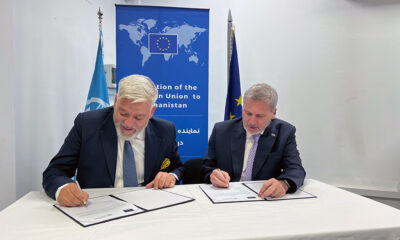
EU and FAO launch €5m programme to strengthen Afghanistan’s agrifood sector
-
 World4 days ago
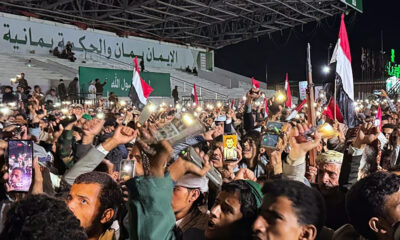
Houthi advance in Yemen puts U.S. in a new bind
-
 Regional4 days ago
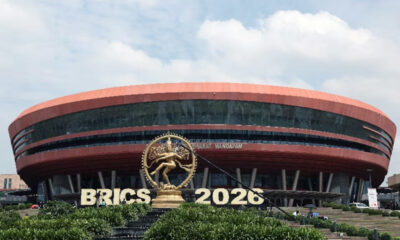
Iran and UAE back joint BRICS statement urging restraint in war
-

 Sport4 days ago
India beat Afghanistan by seven wickets in first T20I
-
 Latest News5 days ago
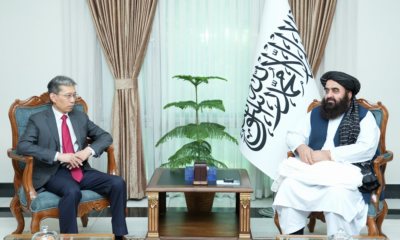
Chinese ambassador, Muttaqi discuss expanding bilateral relations
-
 Latest News3 days ago
Helmand governor, UNAMA discuss province’s key challenges